Common Operational Risks in Pipeline Transportation: Scenarios, Accidents, and Engineering Insights
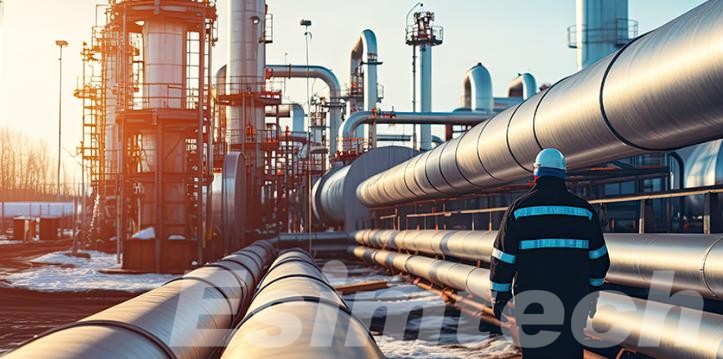
In the oil and gas production system, pipeline transportation is a crucial link that connects upstream production with downstream processing, storage, transportation, and end-users. Compared to drilling and well completion operations, pipeline transportation often has longer operation cycles and a wider coverage area. In case of an accident, the impact lasts longer and the economic and environmental costs are higher.
For the technical teams of enterprises, identifying and controlling pipeline operation risks is the core task for ensuring continuous production and safe operation; while for universities and vocational education, systematically understanding the risk mechanism of pipeline transportation is an important foundation for cultivating engineering practical abilities.
This article will systematically review the most common types of operation risks, causes, and control ideas in pipeline transportation from an engineering operation perspective, and explain the application value of simulation technology in training and risk prediction.
Why Operational Risks in Pipeline Transportation Matter
Unlike static equipment, the transportation pipeline has the following typical characteristics:
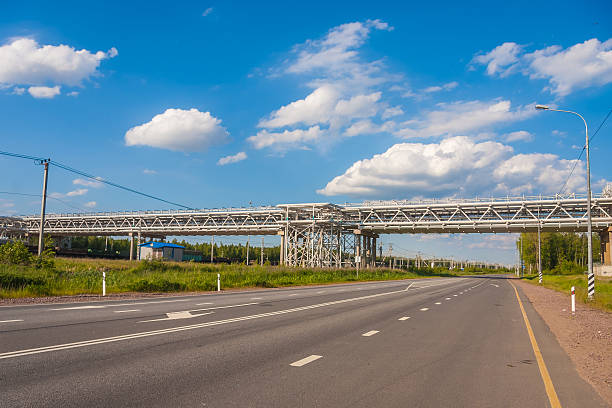
- Long route, complex environment: crossing various areas such as cities, mountains, rivers, and permafrost zones
- Long continuous operation time: operating under high load for many years, and the cumulative risks gradually increase
- High system coupling degree: pressure, flow, temperature, and medium properties interact with each other
- Serious accident consequences: leakage, explosion, and pipeline shutdown often trigger chain reactions
Therefore, pipeline accidents are not caused by a single factor, but are the result of the combination of design, equipment, operation, environment, and management factors.
Major Categories of Pipeline Transportation Risks
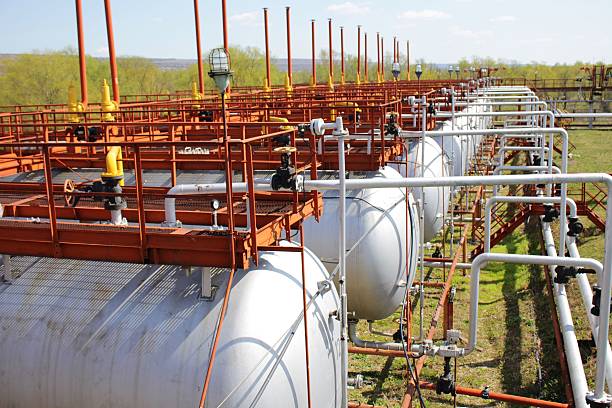
From the perspective of engineering practice, the operational risks of pipelines can generally be classified into three major categories: environmental risks, human risks, and technical equipment risks.
Environmental and Geotechnical Risks
1. Geological and topographical risks
The pipelines are exposed to complex geological conditions for a long time, and common risks include:
- Lithospheric subsidence, landslides, and debris flows
- Pipeline suspension caused by river erosion
- Structural stress changes due to earthquakes or freeze-thaw cycles
These issues can lead to pipeline deformation, weld fatigue, and even structural damage.
2. Climate and Natural Environment Impact
Extreme climates also pose threats to pipeline operations, such as:
- Low temperatures cause the viscosity of the medium to increase, wax deposition or the formation of hydrates
- High-temperature environments accelerate material aging and corrosion
- Floods cause valve rooms and station equipment to be submerged
In actual operation, environmental factors often interact with operational conditions, making risks more concealed.
Human Factors and Third-Party Interference
1. Third-party construction damage
This is one of the most common causes of pipeline accidents worldwide:
- Misexcavation during underground construction, damage to pipelines during pile foundation operations
- Unclear pipeline markings or insufficient information transmission
- Illegal occupation and illegal construction
These risks usually cannot be completely eliminated by the equipment itself and require extremely high management and early warning capabilities.
2. Operational and management errors
At the station and dispatch levels, common human risks include:
- Incorrect start-stop sequence causing pressure shock
- Valve misoperation leading to overpressure or backflow
- Inadequate proficiency in emergency response procedures, delaying the opportunity for handling
For new employees or personnel with cross-functional roles, these risks are particularly prominent.
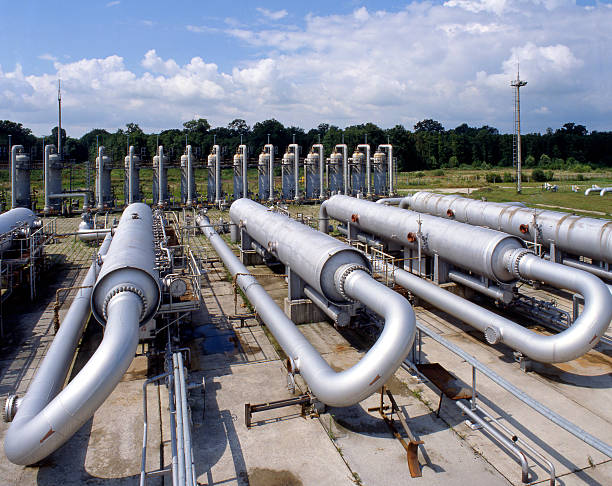
Technical and Equipment-Related Risks
1. Pipeline Corrosion and Material Degradation
Corrosion is the most common issue throughout the entire lifecycle of pipelines, including:
- Internal corrosion (CO₂, H₂S, moisture, etc.)
- External corrosion (soil, electrochemical corrosion)
- Stress corrosion cracking (SCC)
If not detected in time, corrosion will gradually weaken the pressure-bearing capacity and eventually lead to leakage.
2. Pressure and Flow Abnormalities
Typical operational problems include:
- Pressure fluctuations causing water hammer or air hammer
- Liquid accumulation leading to abnormal gas-liquid separation
- Flow fluctuations causing system instability
These problems are often difficult to determine through a single instrument and require a system-level understanding.
3. Failure of Instruments and Monitoring Systems
- Sensor drift, signal loss
- Control logic abnormalities
- Data interpretation errors
Once the monitoring system fails, it often turns minor issues into major accidents.
Typical Risk Scenarios and Accident Analysis
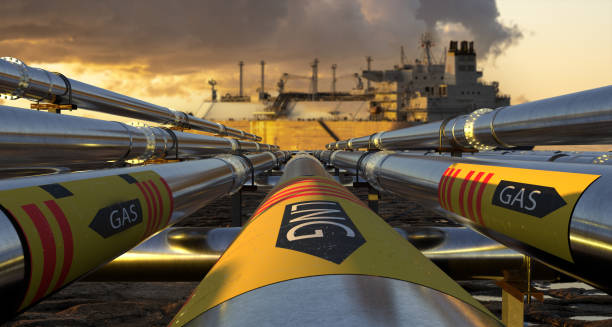
During the operation of pipeline transportation, although some risks occur infrequently, once they get out of control, they often lead to serious injuries to personnel, environmental pollution and power supply disruptions. By reviewing typical accident cases, one can more intuitively understand the actual consequences of pipeline operation risks.
Putra Highlands natural gas explosion (2025)
This accident occurred due to a leak in the gas transmission pipeline. The leaked gas accumulated in a local area and was subsequently ignited, ultimately leading to an explosion and fire, causing casualties and damage to surrounding facilities. The accident exposed problems such as the failure to detect pipeline leaks in a timely manner and insufficient assessment of gas dispersion risks.
In the oil pipeline leakage incident that occurred in the Gulf of Mexico region, the operator was fined heavily for the damage to the marine ecosystem caused by the oil spill and was obligated to undertake long-term environmental restoration responsibilities. This case demonstrates that pipeline leakage is not only a safety issue but also directly brings huge economic losses and environmental liability risks.
Furthermore, leakage accidents often lead to the forced shutdown of the transportation system, which affects the stability of energy supply in the region and causes a chain reaction of impacts on upstream and downstream production as well as the market.
Why Are Risks so Difficult To Detect In Advance?
In actual engineering, pipeline risks exhibit several typical characteristics:
- Progressive nature: Problems accumulate over time, with no obvious signs in the early stages
- Systematic nature: Multiple parameters change simultaneously, and single-point monitoring is insufficient
- Low frequency but high consequences: Accidents do not occur frequently, but when they do, the cost is extremely high
This is precisely why relying solely on experience or static training is insufficient to meet the modern pipeline operation requirements.
The Value of Simulation Technology in Pipeline Risk Control
In the engineering training and teaching scenarios, simulation systems are becoming an important tool for connecting theory with actual operation.
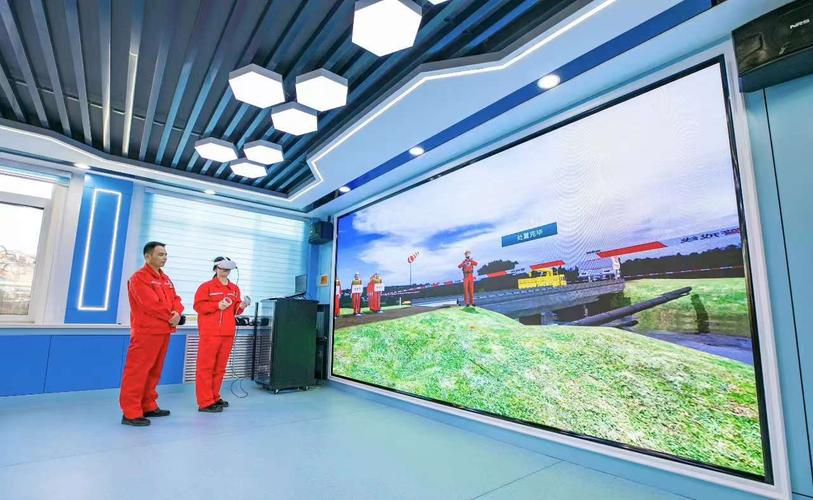
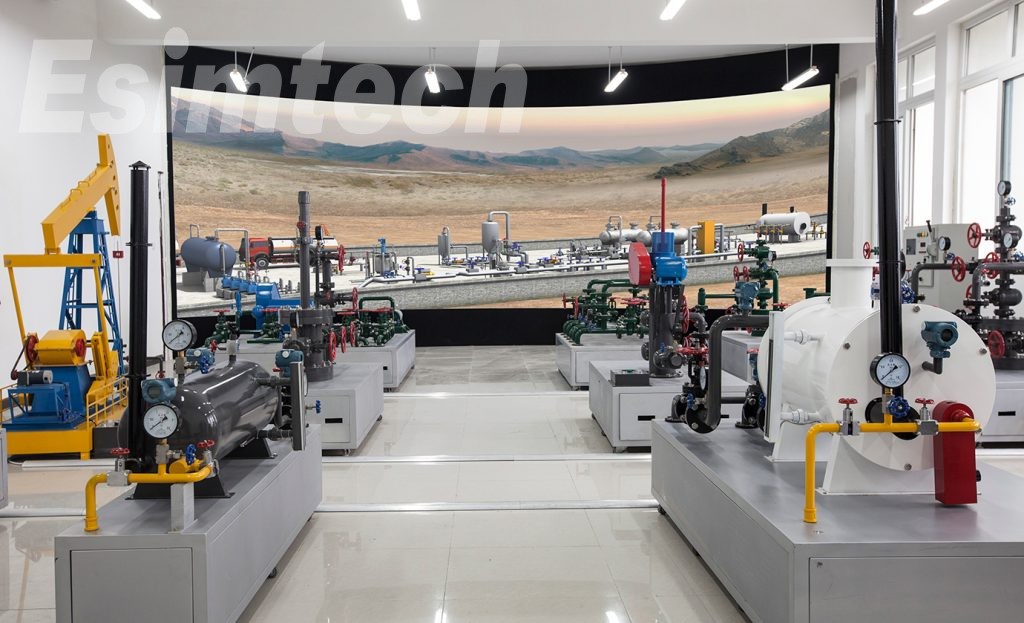
The Esimtech oil and gas production and transportation simulator system can be used for:
- Constructing a complete oil and gas production - transportation process flow
- Simulating pressure, flow, and medium changes under different conditions
- Reproducing typical operational risks and abnormal scenarios
1. For enterprise technical teams
- Without affecting the real production, conducting emergency condition drills
- Enhancing operators' understanding of the system's interlocking effects
- Verifying the rationality of operation procedures and emergency strategies
2. For universities and vocational education
- Helping students understand the abstract pipeline operation mechanism
- Combining classroom theory with engineering scenarios
- Cultivating systematic thinking and risk awareness, rather than single-point operational skills
Typical Examples of Pipeline Risk Scenarios That Can Be Simulated
In teaching or training, the following scenarios can be given special attention:
- Pressure and flow changes after pipeline leakage
- System responses caused by valve misoperation
- Reduced pressure-bearing capacity due to corrosion
- Pressure shock during start-up and shutdown processes
Through repeated practice, trainees can understand "why problems occur, rather than just how to handle them".
Conclusion
The core of pipeline transportation risk management lies not in the remediation after an accident, but in:
- Early identification of risks
- Systematic understanding of the operation mechanism
- Continuous improvement of personnel capabilities
Whether it is the technical team of an enterprise or the engineering education in universities, integrating the actual operation logic into the training and teaching process is an important direction for improving safety levels and engineering capabilities.