
Oil and Animation is a 3D industrial animation that transforms complicated machinery and mechanics into animated, comprehensible material. It illustrates the design process, procedures, and technology using interactive software or 3D video platforms.
Some common examples include drilling simulations, oilfield production processes, downhole tooling, well control systems, and land rig animations. They simulate fluid dynamics in reservoirs, rig operations, and oil/gas extraction processes. These animations create realistic depictions of the formation, extraction, and transportation of oil and gas from wells to refineries. They may also depict the environmental effects of various production processes.
With Esimtech professional 3D animation tools, enhanced oil recovery techniques, project proposals, or equipment can stand out in the industry.
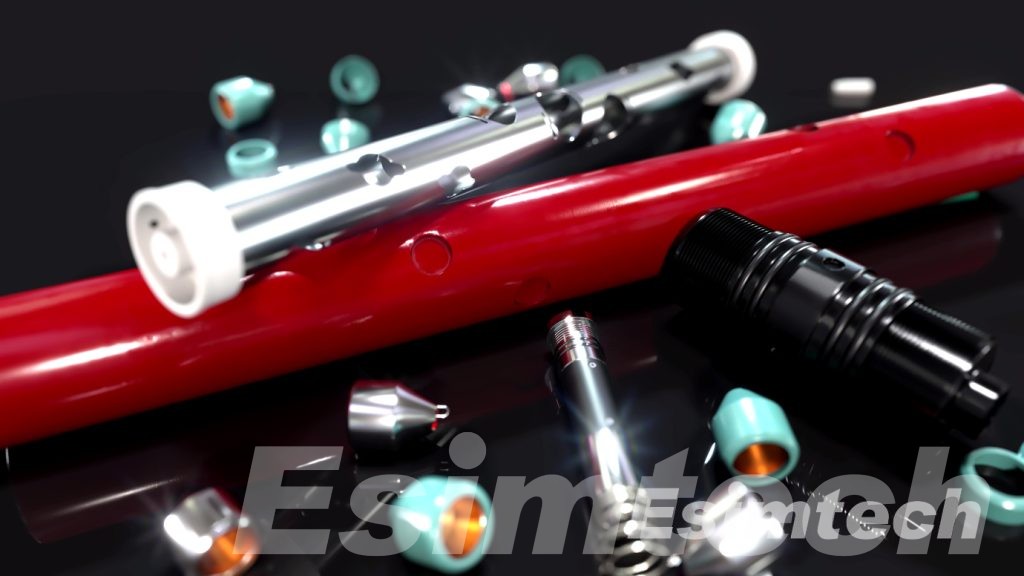
Products of Esimtech Oil and Gas Animation
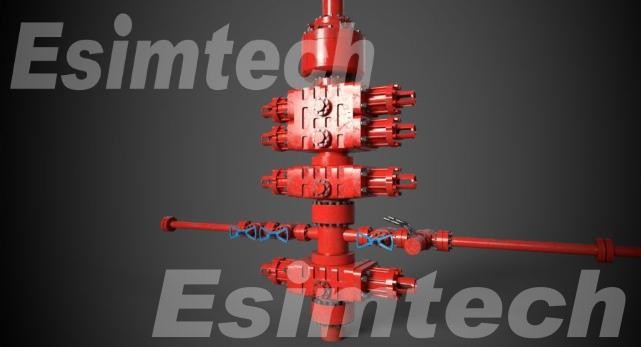
Oil Drilling and Well Control Animation
Visualizes the internal structure, working principle, assembly, and disassembly of drilling and well control devices. It helps students master component examination, system commissioning, and fault diagnosis. The content includes various well-killing methods and shut-in procedures for comprehensive training.
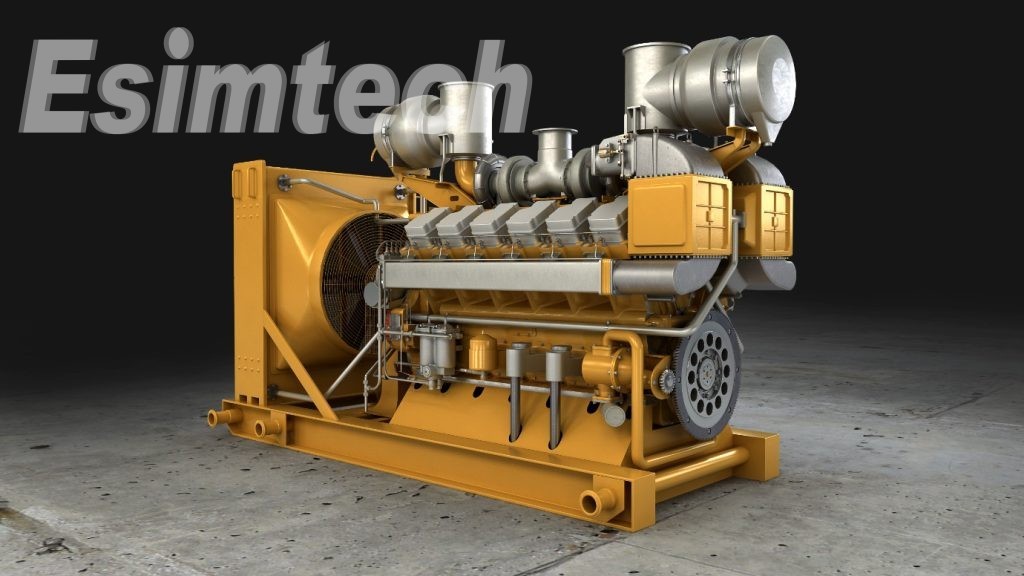
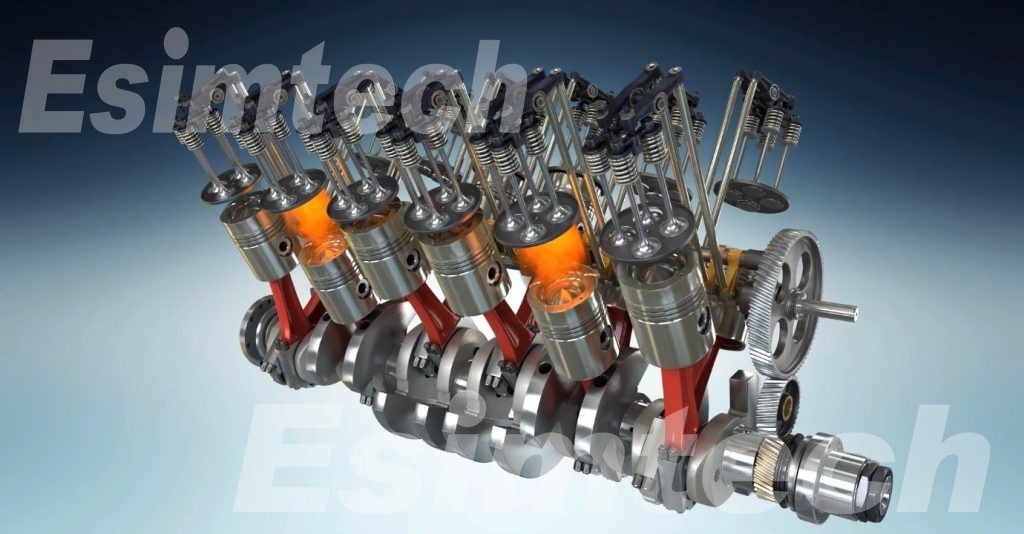
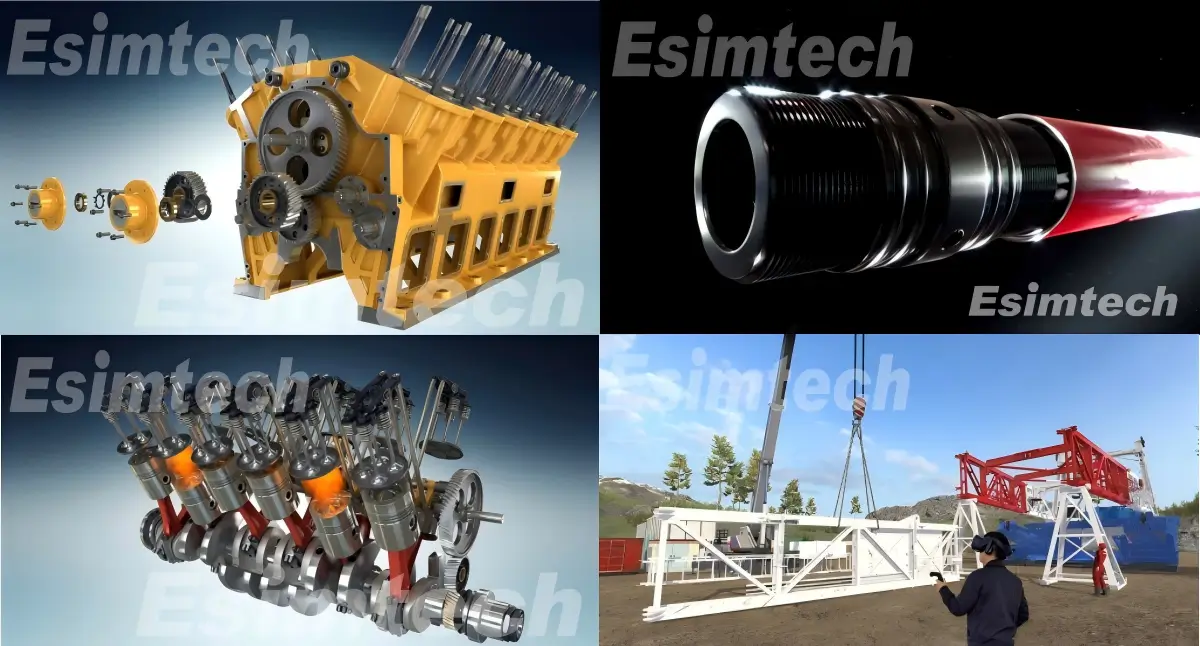
Diesel Engine Assembly and Disassembly Animation
This 3D animation demonstrates diesel engine assembly, disassembly, maintenance, and working principles. Using an exploded view, it reveals internal structures and key components. Subtitles and dubbing support the training. It helps students understand engine operation and master inspection procedures for main working systems.
Downhole Tools Assembly And Disassembly Animation
This animation visualizes downhole tool assembly, disassembly, and working principles. Using exploded views and semi-sections, it demonstrates internal structures and operations with subtitles and dubbing. Ideal for students to master the tool function, maintenance, and workflow. Customization for specific rigs is available.
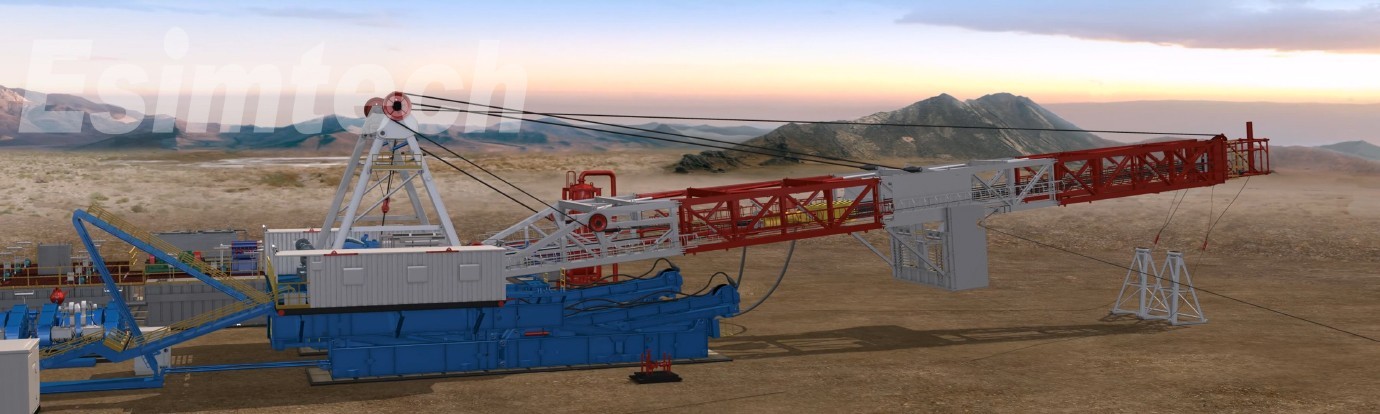
Land Rig Installation Animation
This land oil rig animation visually demonstrates the complete installation process, from baseline drawing to derrick raising. It covers all 198 components, offering a clear, step-by-step view of real-world procedures. The animation is built with precise physical models and can be customized with specific software and hardware configurations.
What Is The Working Process Of Oil & Gas Animation?
The working process combines technical skills, creative design, and specialized software tools to produce realistic representations for communication, education, and training purposes.
- Development of Concepts: Understand the purpose of the animation, which elements will be shown, and to whom it is intended.
- Storyboarding: Develop a visual plan of the animation sequence, draw main scenes, and depict equipment.
- 3D Modeling: Create digital models of objects, equipment, and other elements that need to be included in the video.
- Animation: Make the model move, perform different actions, and make the equipment work as intended.
- Rendering: Create images and video files of the finished animation.
- Post-production: Cut the video, add visual and audio effects.
What Are The Advantages Of Using Oil and Gas Animation?
- Improved Understanding: Oil and gas animation provides a visual representation of complex processes and procedures, making it easier for viewers to grasp industry operations. This is particularly valuable for education and training.
- Better Communication: Animation simplifies key concepts for a wide range of audiences, including stakeholders, investors, and the public, making technical information more accessible.
- Process Optimization: Simulate equipment and procedures in a virtual environment to test and optimize performance. This improves efficiency and reduces costs associated with physical prototyping.
- Safer Training: Rehearse hazardous situations and emergency scenarios in a controlled virtual setting. Personnel can prepare for real incidents without safety risks.
- Cost Reduction: Create detailed visualizations of equipment and processes, reducing the need for physical prototypes and field testing. This lowers production and training costs.