
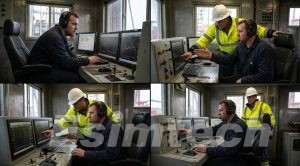
Team-Based Well Control Training: Enhancing Communication Between Driller and Company Man
The well control incident may deteriorate rapidly. The driller is usually the first to notice abnormal changes in flow rate, pressure or the volume of the mud pit. Subsequently, the…
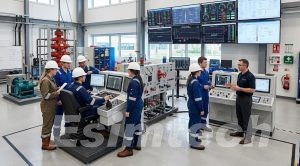
How a Petroleum University Uses a Drilling Simulator for Well Control Training?
Students majoring in petroleum engineering may have theoretical knowledge of formation pressure, static water pressure and well control procedures. However, when facing constantly changing well conditions, merely mastering formulas and…
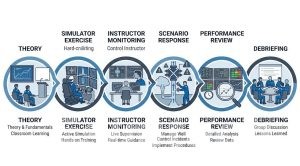
How to Build a Well Control Training Center?
Building an oil well control training center is not simply about purchasing simulators and installing them in classrooms. A practical training center should be combined with training objectives, simulation equipment, instructors,…
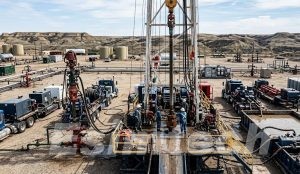
Key Technologies for Oil and Gas Drilling in Mature Oilfields
Mature oilfields are basically reservoirs that have been producing oil and gas for quite a few years, and they have already seen major depletion. Even when these fields still hold…
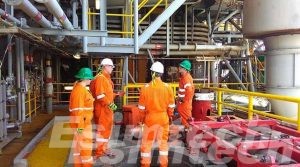
Can Drilling Simulators Replace On-the-Rig Training?
For decades, practical operation of drilling platforms has been an important part of training for drilling personnel. However, if each training stage relies on actual drilling platforms, it is costly,…
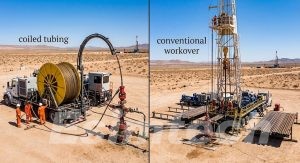
Coiled Tubing vs. Conventional Workover for Well Intervention
Well intervention matters a lot for keeping oil and gas output steady. It can also improve well performance and help existing wells last longer. When a well needs help, like maintenance,…
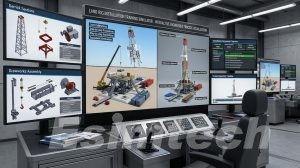
Drilling Simulator vs. Drilling Animation: What Is the Difference?
Drilling simulators and drilling animations can both visualize drilling equipment and operation procedures, but their training purposes are different. The key difference does not lie in how realistic the 3D graphics or…
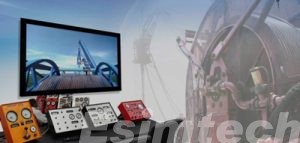
How to Improve Well Control Performance
Well control is critical for drilling that stays safe and runs with fewer delays. The core job is to keep formation pressure in a set safe band. At the same…
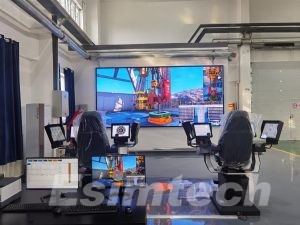
How to Maintain and Calibrate Physical Consoles on Full-Scale Drilling Simulators
A full-scale drilling simulator seems to be functioning normally, but the actual control inputs may have already deviated. Smooth movement of the joystick, responsive rotation of the controller, and normal operation…
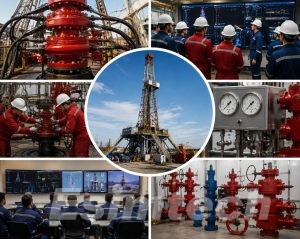
How Safety Regulations Influence Well Control Practices
Well control is critical in oil and gas drilling operations. It involves the procedures, equipment, and technologies used to maintain control over formation pressures and prevent uncontrolled releases of oil, gas,…
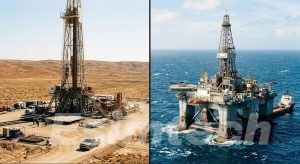
Land Rigs vs. Offshore Rigs: What are the 9 Key Differences
The oil and gas industry depends on different types of drilling rigs to access underground hydrocarbon resources. Among the most important categories, you will find land rigs and offshore rigs. Even if…
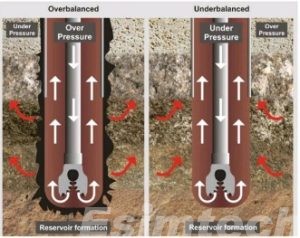
Underbalanced vs. Overbalanced Drilling: A Comparative Analysis
Drilling fluid pressure management is one of the most important things that really affects drilling performance, wellbore stability, and operational safety, during oil and gas work. People usually talk about…