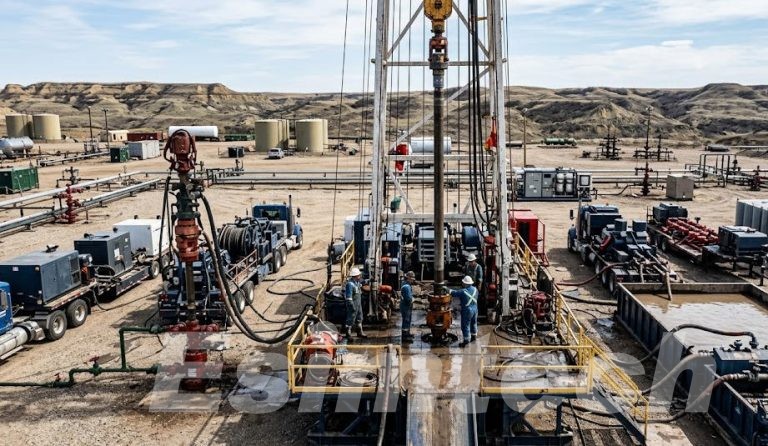
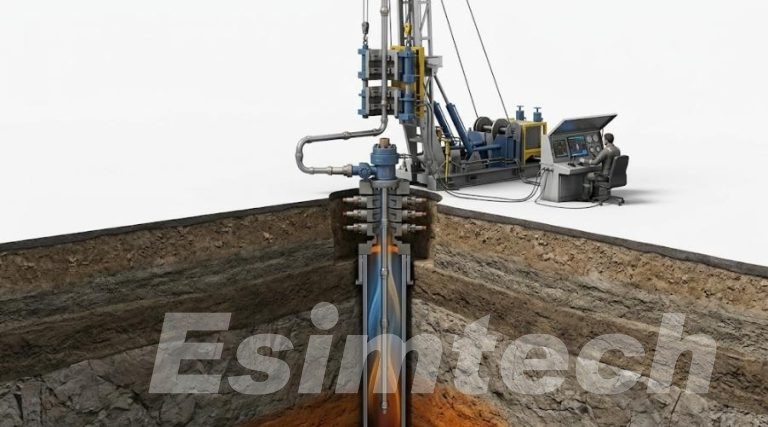
Commonly Overlooked Well Control Risks in Drilling Operations and How to Address Them
In oil and gas drilling operations, well control has always been the core aspect of safety management. Although the well control theory, operation norms, and equipment system are already quite…
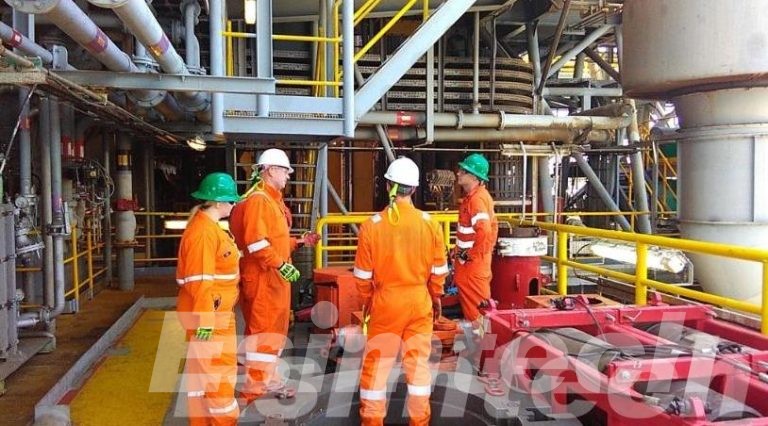
Reducing Human Error in Oil and Gas Operations Training
Human mistake remains the top factor that leads to incidents, production losses, and unplanned downtime in oil and gas operations, together with other contributors, among them technical failures. Even though…
Common Operational Risks in Pipeline Transportation: Scenarios, Accidents, and Engineering Insights
In the oil and gas production system, pipeline transportation is a crucial link that connects upstream production with downstream processing, storage, transportation, and end-users. Compared to drilling and well completion…
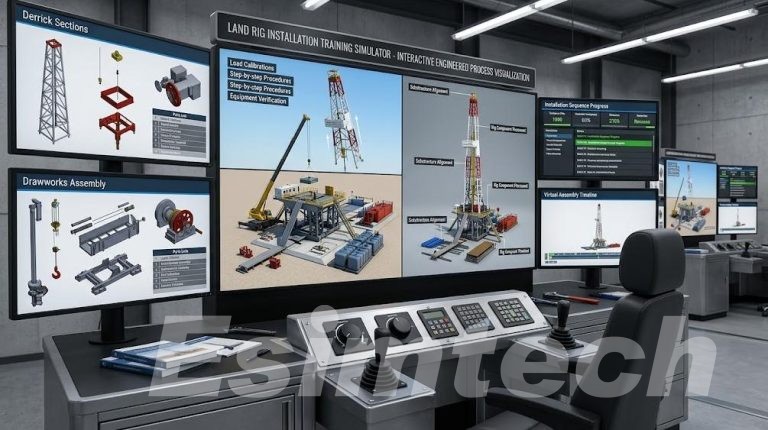
Top VR Training Applications in the Oil and Gas Industry
As the oil and gas industry increasingly demands safety, efficiency and standardization, traditional training methods (classroom lectures, video demonstrations, on-site shadowing) have become increasingly unable to meet the actual operational…
Cost Reduction Technologies in Shale Gas Drilling Operations
Cost reduction has now become a pressing urgency in the shale gas drilling industry, driven by volatile gas prices, increased capital discipline, and rising operational complexities. But it is not only for…
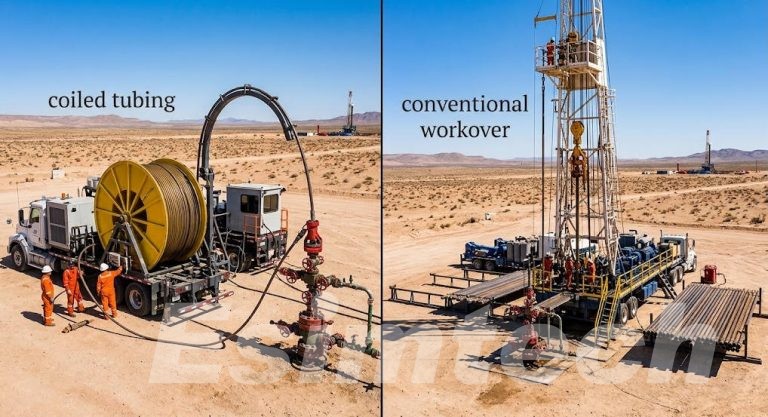
Multilateral Well Intervention Strategies & Workover Optimization
Multilateral wells are able to tap into the whole reservoir, as well as the surface area they occupy, which is very beneficial. However, the upside of the multilateral system translates…
How Well Intervention Simulation Training Reduces Non-Productive Time
During the entire life cycle of an oil and gas well, Well Intervention (well repair/underground intervention operations) is a crucial step for restoring production capacity, extending well life, and addressing wellbore…
How to Interpret Well Logging Data: From Log Curves to Engineering Decision
In oilfields or geological research institutes, this phrase often marks the beginning of a journey of underground exploration. Well logging data, hailed as “the geologist’s eyes,” is the most crucial…
Shale Oil Drilling vs Conventional Drilling: Key Differences
Shale oil drilling and conventional drilling are essentially different from each other in their technical and operational models, although both are aimed at crude oil production. These differences will be reflected in…
What Operational Risks Can be Reduced by Coiled Tubing Simulators?
Coiled tubing operations are characterized by strict tolerances, constantly changing well conditions, and very little margin for error. With the increasing size, length, and complexity of wells, operational risks cannot…
Best Practices for Building Reliable Oil and Gas Simulation Models
Operator training is an essential factor in the oil and gas industry when it comes to safety, production stability, and incident prevention. The more complicated the operating systems, the greater…
Common Drilling Problems in Shale Formations and How to Solve Them
With the continuous increase in the production of shale gas and shale oil, the drilling operations are more complicated in terms of engineering challenges than those in the case of…