-

What Is Anti-Collision in Drilling? Methods for Avoiding Wellbore Collision
2026-10-26
With the increasing popularity of clustered well drilling and multi-branch well development in modern oil and gas operations, the underground space has become increasingly crowded and its complexity has reached an unprecedented level. Relying solely on pre-drilling static trajectory models is no longer sufficient to prevent catastrophic wellbore collisions. This article explores a variety of…
-

How to Prevent Oil Spills During Transportation
2026-10-23
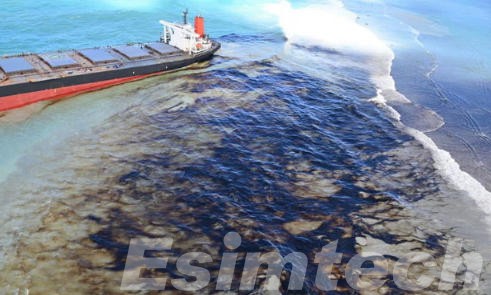
Oil transportation across long distances before it reaches consumers. That process links oil fields, refineries, storage sites and end users. However, crude and finished oil don’t transport without risk. Pipelines, tank trucks, rail tank cars, and oil tankers all carry their own hazards. Equipment failures, human errors, poor maintenance, and accidents can cause oil spills. When…
-

What Equipment Does a Petroleum Engineering Training Center Need?
2026-10-21
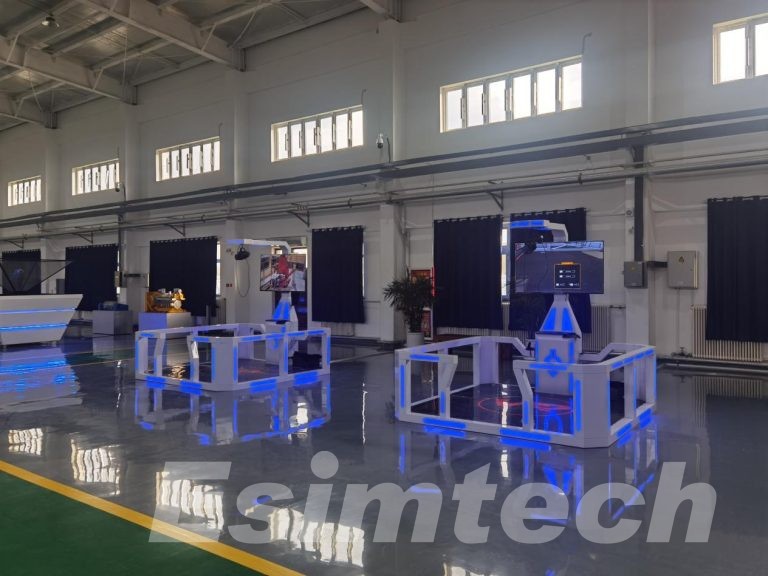
Establishing a petroleum engineering training center requires a reasonable allocation of simulation systems, teaching tools, and supporting facilities. The required equipment depends on the training objectives, the size of the trainees, the available space, and the budget. For universities, vocational schools, and oil and gas enterprises, the key equipment usually includes drilling simulators, well control…
-

Equivalent Circulating Density (ECD): Why It Matters in Drilling Operations
2026-10-20
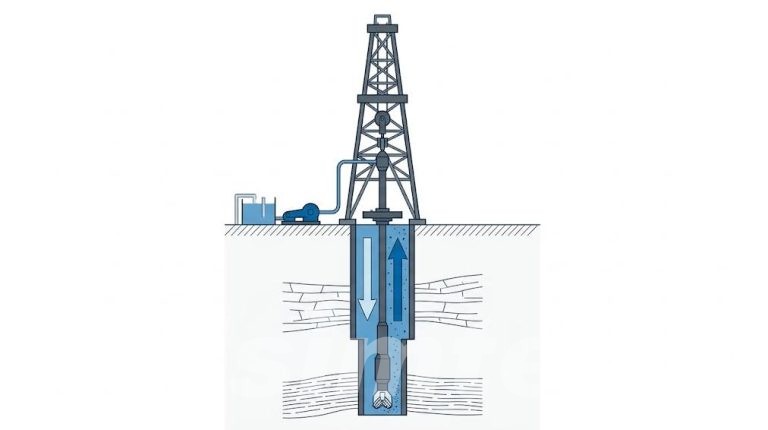
The equivalent circulating density (ECD) is an important parameter in drilling operations as it reflects the effective density of the drilling fluid as it circulates within the wellbore. Unlike the static mud density, ECD takes into account the additional pressure generated by friction when the drilling fluid flows through the annulus. Mastering the methods for calculating,…
-

What Determines Oil Transportation Efficiency and Safety
2026-10-19
Oil transportation is a key link in the world energy system. It moves oil from fields to refineries, then to storage sites, ports, and finally to end users. Crude and finished fuels can travel by pipeline, ship, train, or truck. Transportation efficiency and safety directly affect operating costs, delivery reliability, environmental protection, and overall supply…
-

Oil Rig Fire Emergency Response: Training, Evacuation, and Simulation
2026-10-13
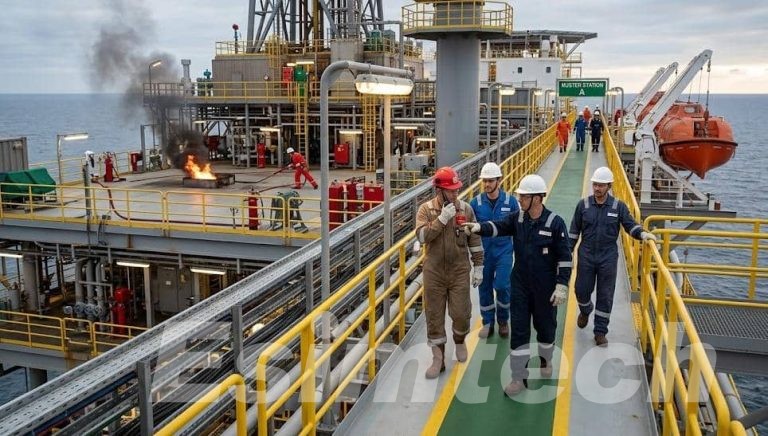
A fire on an oil drilling platform can escalate rapidly within seconds. Flames, smoke, toxic gases, equipment failures, and high-pressure systems can all turn an initially manageable incident into a life-threatening emergency. For oil and gas companies, effective emergency preparedness is not just about creating a paper-based emergency plan. Relevant personnel must possess skills such…
-

How to Improve Oil and Gas Production Efficiency
2026-10-12
Improving oil and gas production efficiency is now a key target for many operators. The aim is to get more output, spend less on daily work, and keep oil and gas assets producing longer. As reservoirs age, problems during production often get harder. Because of that, companies lean more on advanced technologies, optimized workflows, and…
-

How to Interpret a Gamma Ray Log: A Practical Guide for Formation Evaluation
2026-10-08
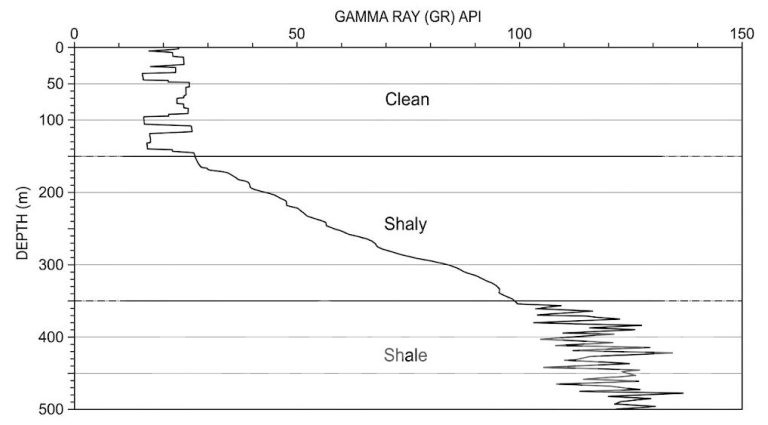
In the process of stratigraphic evaluation, gamma-ray (GR) logging is a commonly used method for quickly identifying rock types and determining changes in shale content. However, when interpreting the logging curves, it should not be simply assumed that “high GR values indicate shale and low GR values indicate sandstone”. More importantly, what geological features do the…
-

How Oil and Gas Wells are Drilled and Produced
2026-10-01
Oil and gas wells are engineered structures that provide a controlled connection between underground hydrocarbon reservoirs and surface facilities. The process of drilling and producing a well involves several stages, including exploration, well planning, drilling, casing, cementing, completion, production, and later workover or intervention. Operators rely on modern drilling rigs, simulation technologies, and monitoring systems to…
-
What Is Artificial Lift? Methods Used in Oil and Gas Production
2026-09-30
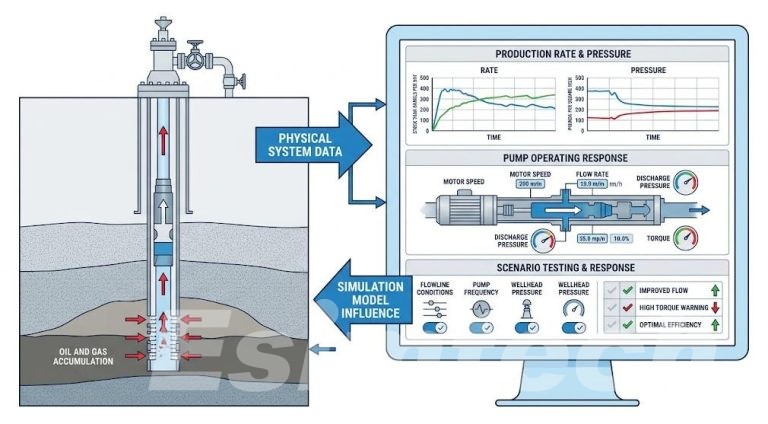
As the reservoir pressure drops, the natural energy of the production wells may not be sufficient to lift the fluids to the surface at the required rate. At this point, artificial lift technologies can provide additional energy to maintain or increase production. The commonly used artificial lift methods in oil and gas production include gas lift, electric submersible…
-

What Is Pulsed Neutron Logging? Applications in Cased-Hole Wells
2026-09-29
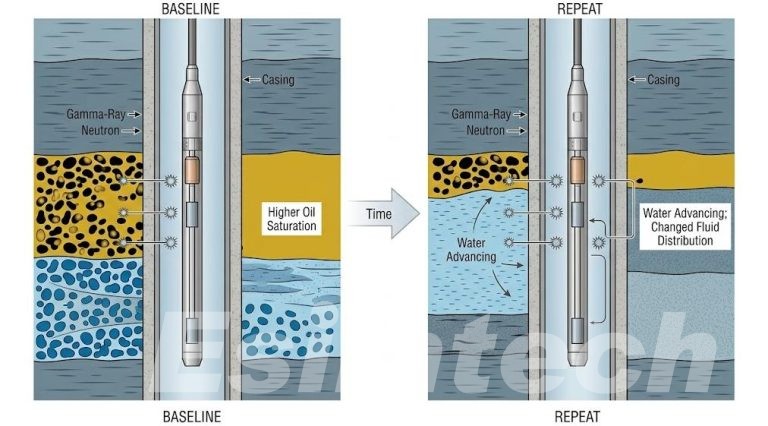
When it is necessary to assess the oil reservoir conditions in a well with a pre-installed casing, pulsed neutron logging (PNL) can provide an effective evaluation method. Unlike conventional open-hole well logging, PNL can assess the formation through the casing without the need to reopen the wellbore and can obtain information such as fluid saturation…
-
How to Choose the Right Wireline for Your Well
2026-09-28
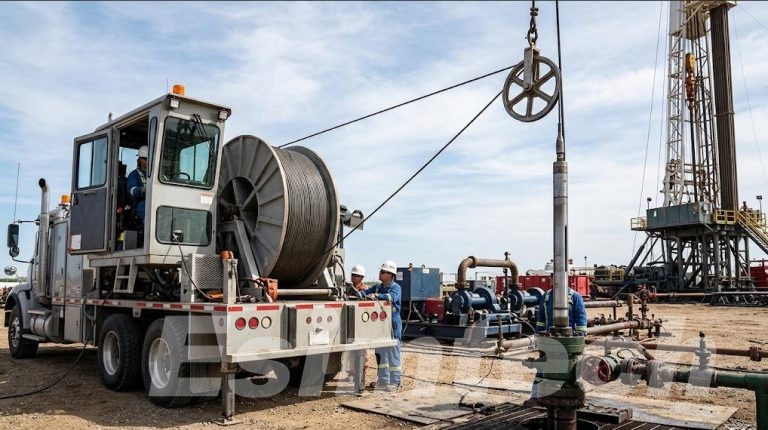
Selecting the right wireline is critical for safe and dependable well intervention operations. Wireline is commonly used in activities like well logging, perforating, setting and retrieving downhole tools, production monitoring, and mechanical intervention. Since each well can differ in depth, pressure, temperature, angle, and fluids, you should match the wireline to what the job actually…