Reducing Human Error in Oil and Gas Operations Training
Human mistake remains the top factor that leads to incidents, production losses, and unplanned downtime in oil and gas operations, together with other contributors, among them technical failures. Even though automation and control systems have greatly developed, human critical thinking is still the main factor in daily operational performance, mostly under time pressure and complex process conditions.
More often than not, it is not the lack of procedures that incites incidents but the little training that gives exposure to real-life operating scenarios. For this reason, enhancement of oil and gas operations training has turned into a vital agenda for operators who wish to cut down on human error and boost the reliability of operations.
Why Human Error Remains a Critical Risk in Oil and Gas Operations
Increasing Process Complexity and Operational Pressure
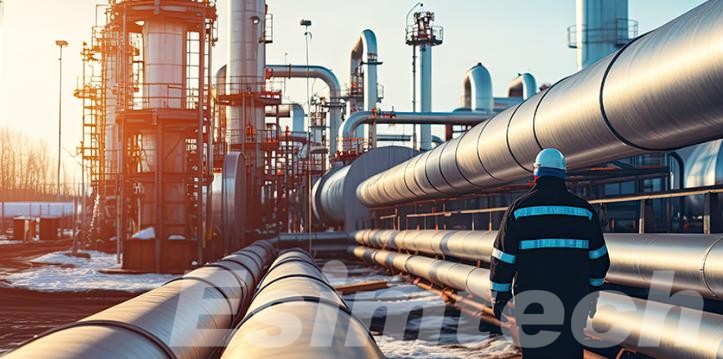
Modern oil and gas production sites are much more intricate than the ones of the past. The operators not only have to be aware of each equipment, but also the dynamic interactions across the entire process because integrated units, tighter operating margins, and sophisticated control strategies require that.
Moreover, the operators are expected to be quick in their response, with a smaller number of people on shift. The combination of these factors increases cognitive load and minimizes the time available for hesitation or trial-and-error. In such a situation, even minor errors can turn into major operational problems.
Exposure to Abnormal and Emergency Scenarios
Another important consideration in this regard involves a lack of real-life experience with abnormal operating conditions in their everyday operations. In reality, plants and other related organizations work in a steady environment for a longer span of time. In this case, although it’s a good thing from a manufacturing perspective since it ensures optimal functionality, it also
- Process upsets
- Apparatus failure
- Emergency conditions that call for prompt action
As a consequence, many operators in the sector end up theoretically trained but not practically ready when such occurrences take place. This directly influences human error in the oil and gas sector.
Limitations of Traditional Oil and Gas Operations Training Methods
Traditional training approaches are still needed, but they have inherent limitations related to the reduction of human error.
On-the-job training cannot simulate high-risk scenarios
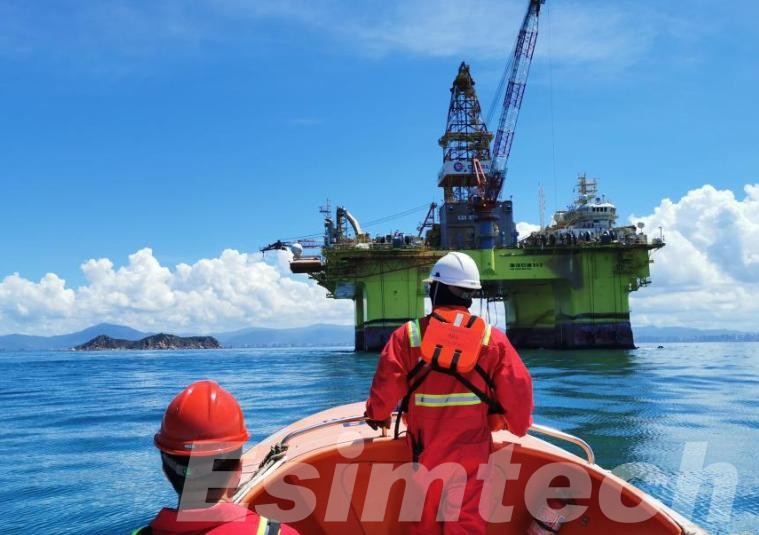
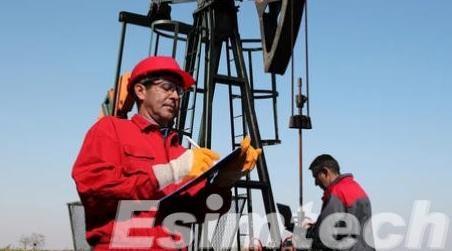
On-the-job training relies heavily on mentorship and real exposure to the plants. Although quite valuable, this is somewhat constrained by a variety of risks to safety, production, and operations. In a live plant environment, operators cannot repeatedly practice startup failures, equipment malfunctions, or emergency shutdowns.
Consequently:
- Training quality is not the same about mentors.
- Experience building is slow and uneven.
- Operators might encounter vital situations for the first time in real operations.
Classroom Training: Lacks Real-Time Decision Pressure
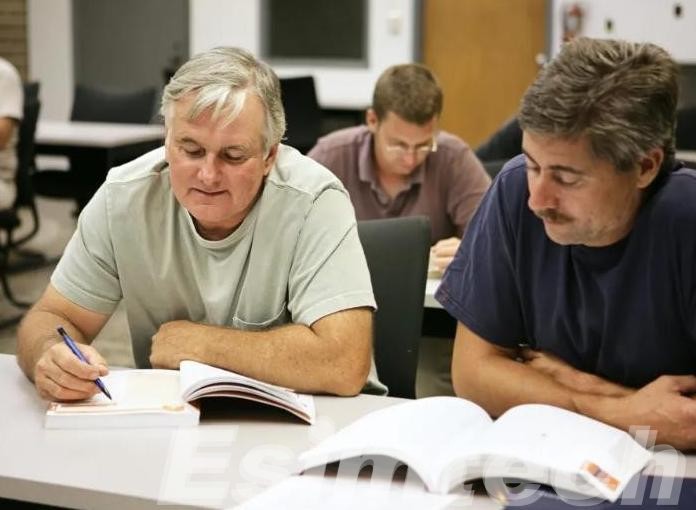
Classroom instruction can help train process operators about process procedure and principles, but it can never simulate actual decision-making. The mere act of reading about an abnormal process condition differs dramatically from experiencing that condition while process variables are dynamically varying.
Without realistic feedback and time pressure, operators tend to be optimistic about their preparedness, which can lead to human error.
How Simulation-Based Training Reduces Human Error
Simulation-based training fills these gaps by offering a lifelike, non-hazardous place for operators to gain experience.
Simulating True Operating Conditions with No Consequences

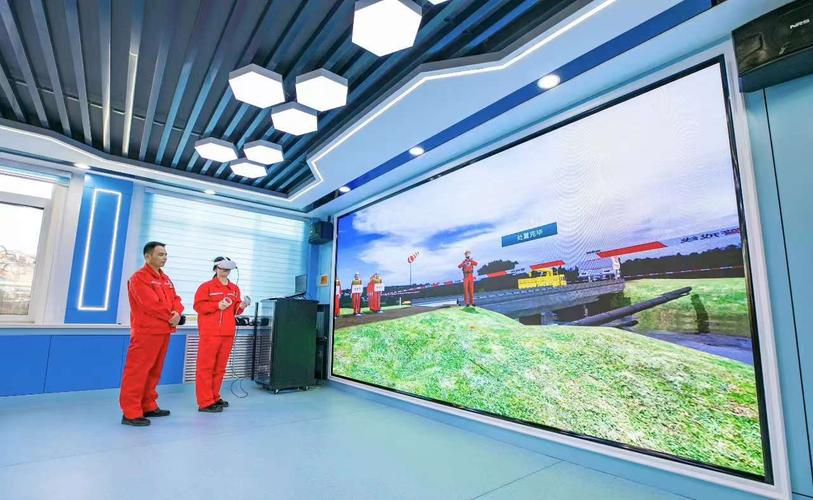
An ultra-realistic oil and gas operator training simulator can completely mimic plant behavior, including dynamic process reaction and control logic. Operators operate the simulator through interfaces that are very similar to the actual control systems, so they get a chance to carry out operations that are real but without the risk of compromising safety or production.
Operators trained this way will:
- Be aware of the cause-and-effect relationships
- Be able to tell the first signs of abnormal conditions
- Gain assurance by practicing over and over again
Repeated Practice of Abnormal and Emergency Operations
One of the best methods to minimize human error is repetition. Simulation-based training provides an opportunity for operators to enact abnormal and emergency scenarios several times until proper responses and decision pathways are ingrained.
With experience, operators progress from knowledge of procedures to instinctive application of them, reducing hesitations and improving response times while minimizing the possibility of incorrect actions in real events.
Standardization of Training Amongst Operators and Sites
Additionally, simulation-based training can also promote standardization. Issues considered during training simulations, methods for evaluating performance, as well as evaluation criteria can also be standardized across different operators.
All these ensure consistency and help eliminate variability that comes with people having varying levels of experience, and it is especially important for large oil and gas companies.
Key Training Scenarios That Help Minimize Human Error
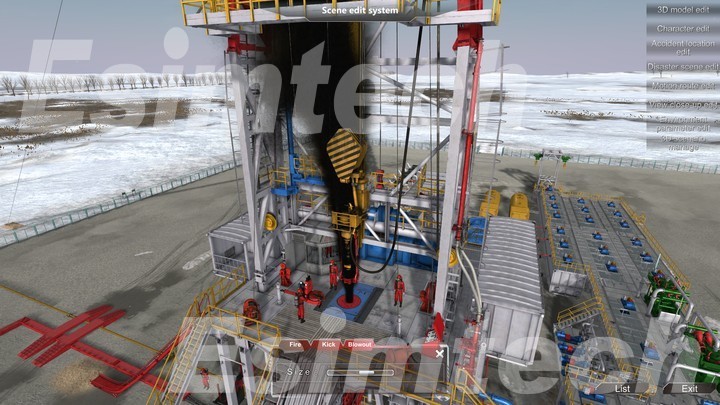
The most effective simulation-based training is concentrated on operational scenarios where human error is most likely to occur and/or where the consequences of an error are most critical. For these reasons, startup and shutdown operations are a primary focus because of complex sequences with tight timing and strong dependencies among process units. Errors in these phases of operation often arise through omitted steps, incorrect sequencing, or incorrect interpretations of process conditions.
Other critical areas are abnormal operating conditions. Scenarios involving equipment degradation, control loop failures, or unexpected process disturbances allow operators to practice early fault recognition and corrective actions before conditions escalate. These can enhance situational awareness and diagnostic accuracy.
Emergency response simulations enhance the readiness of the operator since the operator is put in a high-pressure situation. Simulations of emergency scenarios help the operator control the situation and act appropriately, minimizing the chances of human error in case of an emergency.
Building a More Resilient Workforce Through Oil and Gas Simulation Software
Error reduction is not so much about eliminating errors as about enhancing error recognition and response to such errors. In the oil and gas industry, resilience is a function of experience, consistency, and the ability to make the right decision during a critical situation.
Simulation-based training assists in the development of this by providing the operator with the capacity to repeatedly simulate operating and emergencies in a safe environment. This enhances the gain of experience and helps bring consistency to the operations of the teams and sites.
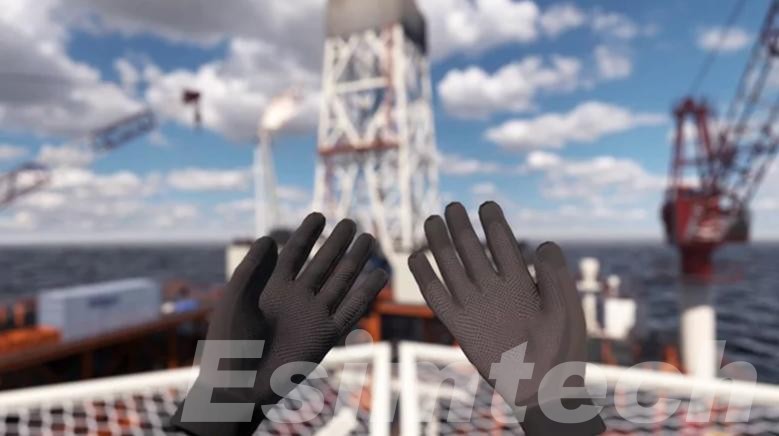
For those organizations that are looking to improve their training in oil and gas operations and eliminate errors via realistic simulation, we would encourage you to seek out expert advice from experienced providers of simulation solutions. Do not hesitate to get in touch with us!