Different Types of Casing Used in Drilling: How to Select

Written By: Computer Science Professor
Deeply rooted in the R&D of simulators for the oil and gas industry, committed to bringing safety to every oil worker.
The casing in the oil and gas drilling undertakings secures the well while preventing formation collapse, isolating pressure zones and safeguarding groundwater resources. Casing has large-diameter steel pipes and is run in stages during drilling. Various types of casing serve specific functions related to the depth, pressure, geology, and operational requirements of a well; hence, knowing different types of casing is indeed significant to any endeavor, ensuring safe, efficient, and productive wells.
What is Casing in Drilling
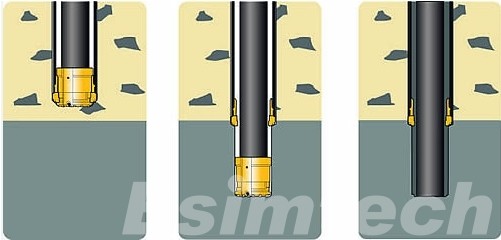
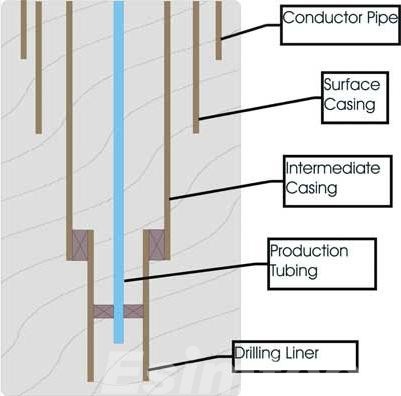
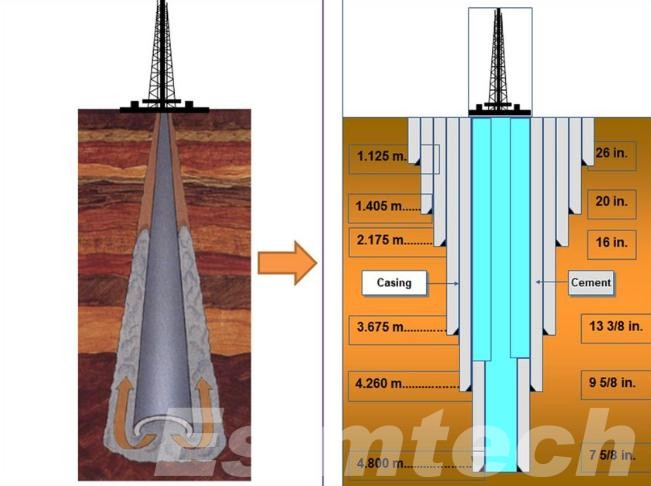
Casing is a set of steel pipes to be placed in a drilled well and set with cement. The purpose of the casing is to stabilize the wall of the well, to prevent contamination between underground formations, and to allow the drilling operation to continue safely at greater depths. Casing buildup in wells typically occurs in stages, with smaller-diameter casing strings embedded in larger ones as drilling works deeper.
Significance of Casing in Drilling Operations
The presence of a proper casing arrangement is essential for various reasons. This is because it helps in maintaining the well intact, protects the borehole from any pressure due to the formation pressure, checks borehole collapse, and stops water-bearing formations from mixing with hydrocarbons. Casing also supports blowout preventers and production tubing, all of which, in their way, ensure long-term security and performance of the well. Without a properly installed casing, drilling operations would face severe risks such as well collapse, fluid migration, lost circulation, and uncontrolled pressure releases.
Main Types of Casing Used in Drilling
The following chart provides the different types of casing used in drilling, including purpose, installation depth, and applications.
| Type of Casing | Main Purpose | Installation Depth | Key Features | Common Applications |
| Conductor Casing | Stabilizes shallow formations and supports initial drilling operations | Very shallow depth near the surface | Large diameter, prevents loose soil collapse, supports wellhead equipment | Onshore and offshore well startup operations |
| Surface Casing | Protects freshwater zones and provides well control support | Shallow to moderate depth | Cemented back to surface, supports blowout preventers (BOPs) | Environmental protection and pressure control |
| Intermediate Casing | Isolates unstable or high-pressure formations | Mid-depth sections of the well | Handles abnormal pressure zones, prevents borehole instability | Complex geological formations and deep drilling |
| Production Casing | Provides long-term well integrity for hydrocarbon production | Installed across the producing reservoir | Withstands production pressure, corrosion, and temperature variations | Oil and gas production wells |
| Liner Casing | Provides casing support without extending to the surface | Various depths below previous casing string | Hung from previous casing using liner hanger, reduces material cost | Deep wells and cost-optimized drilling |
| Tieback Casing | Extends a liner back to the surface or another casing point | Depends on well design | Enhances pressure integrity and structural support | High-pressure or upgraded well systems |
| Slotted Casing | Allows fluid flow while restricting sand entry | Reservoir zones with loose formations | Contains machined slots or perforations | Sand control applications in unconsolidated reservoirs |
| Expandable Casing | Depends on well-designed | Deep or technically challenging sections | Mechanically expanded after installation | Extended reach drilling and deepwater wells |
Key Factors Affecting the Selection of Casing
Casing selection should be counted as one of the most fundamental aspects that dictate well design in drilling operations. This requires an in-depth evaluation of geological, mechanical, environmental and economic conditions to ensure that all proper casing loads, hydraulic and wear conditions are met; otherwise, the much-feared instability may result, leading to casing failures, severe production losses, and serious operational difficulties.
As drilling projects become deeper and more technically challenging, understanding the key factors affecting casing selection becomes increasingly important for achieving safe and efficient operations.
1. Formation Pressure and Well Depth
Formation pressure and subsequently how deep the well will be drilled forms the most crucial factor that affects casing selection. Different formations have different ranges of pore pressure; also, the casing should be able to bear the loads due to internal and external pressure, due to drilling and production processes.
As we go deeper, pressure and temperature conditions are similarly severe. High pressure and temperature may require thicker and higher minimum graded casing material to conserve the increased stress of the well. Engineers conduct careful calculations for casing collapse resistance, burst strength, and tensile capacity to ensure that casing can survive the extreme downhole environment. The depth of the well also determines the number of casing strings that are required. Deeper wells normally engage multiple casing stages to isolate formations and promote drilling safety.
2. Geological Formation Characteristics
The stability and mineral composition of subsurface rock formations have a major influence on the design and selection of formation component in industrial processes such as casing design and selection. Some formations are highly stable, while others are prone to collapse, swelling, or fracturing during drilling activities. Shale formations can imbibe water-based drilling fluids and become unstable, affecting borehole collapse. Salt formations may distort under pressure, as they place mutilating stress on the casing. Highly fractured or unconsolidated formations may; however, require special casing designs that resist fluid loss while holding together.
In this context, geological surveys and logging data are invaluable resources to understand formation properties to enable engineers to choose casing materials and configurations that can manage these problems.
3. Corrosion and Chemical Exposure
Casing can be weakened due to those components that are capable of causing contraction, expansion, and consequently, swelling and elongation in casings material and, moreover, it can loose it’s strength due to resulting fatigue. This action is due to the failure in casing material properties necessitating the need of casing selection, which identifies the material of construction for casing needs to resist the detrimental effects from both the environmental and liquid media in an oil/gas well. Consequently, casing standards should also speak in defense of casings from chemical exposure aside from design of the casing.
4. Temperature Conditions
High variations in wellbore temperatures can have an outsized effect on the performance of a casing. In high-temperature wells, casing expansion could result in thermal stress and a change in material properties. If this site exists in a deep geothermal well or in deep, high-temperature reservoirs, the material from which the casing is made must maintain its strength and durability under extreme heating temperatures. Production-related temperature changes could also create repeated temperature cycles that could induce fatigue damage over time. By proper selection of a casing, the material should be able to handle thermal expansion and maintain the well’s integrity throughout its service life.
5. Mechanical Loads and Stress
In installation, cementing, drilling, and production, the casing strings go through various mechanical forces, including tension, compression, bending, and pressure-induced deformation. Deviated wells or horizontal wells cause more mechanical challenges because the casing needs to follow a curvilinear path and bear friction during assembly. The casing design must be adjusted to address these additional stresses if needed to offshore wells and extended-reach drilling operations. These mechanical load analyses are thoroughly scrutinized by engineers before permitting the casings to be accepted for operational use.
6. Cementing Requirements
The quality of the casing closely depends on on the quality of cementing. Cementing provides zonal isolation, halts fluid migration, and aids the casing in standing in the wellbore. It is therefore necessary to have casing designs that allow the effective placement of cement around the casing string. Factors such as the casing’s diameter, clearance between the casing and borehole, and the properties of the cement exert influence on the success of cementing. Poor cementing may affect well integrity even with excellent casing materials. Casing selection, therefore, must give good recognition to the requirements sought by cementing and well completion strategies.
7. Production Objectives
Casing choice is also influenced by the intended production method and the characteristics of the reservoir. Oil and gas production wells characterized by high pressures need casing able to withstand long periods of production load and reservoir pressure. Some wells, on the other hand, may contain corrosive fluids, abrasive sands, or high-temperature fluids, leading to the need for very specialized casing materials or designs. Those with production related situations such as secondary and tertiary recovery, hydraulic fracturing, and steam VD should dictate what is critical to the system in respect of. Production goals aimed at long-term well operation success do lead other goals in casing diameter selection and strength, and material specification.
8. Environmental and Regulatory Requirements
Environmental conservation and regulatory confirmation are fundamental to casing selection. Governmental regulations are often regulated in the industry to prevent water resource destruction or environmental problems causing environmental harm.
Properly designed and configured casing systems must ensure against leakage of fluids, formations contamination and uncontrolled fluid discharges. There are stricter guidelines for safety and environmental protection specifications for offshore oil wells on account of the increased repercussions of any failure in wells.
Meeting industry norms and statutory guidelines is necessary for one to obtain permission or a drilling permit to undertake any drill exercises or maintain operational safety.
9. Cost and Operational Efficiency
Economic aspects are always used to make a selection of casing types. More stringent standards or advanced technologies accomplish better safety and endurance at a higher cost. Will confuse performance to budgeting that is maintained cost-effectively. In some cases, liner systems could mitigate material usage and reduce drilling cost without compromising in operational reliability.
The selection of the casing types is very crucial in optimizing the drilling performance because this may invariably lessen unscheduled stand-by period besides promoting project economics.
10. Technological Advancements in Casing Design
One such alternative is the use of highly advanced casing design and technologies to handle these major well inflow challenges. On the forefront are developments driven by expandable casing, high-quality thread connectors, integrated monitoring systems, and improved sectors for materials with improved resistance to corrosion.
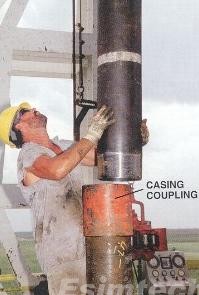
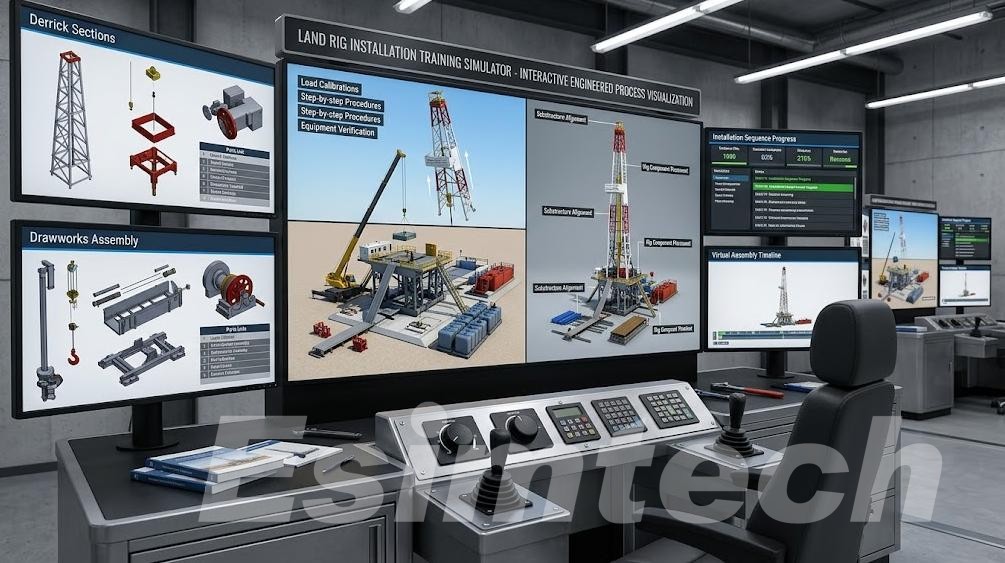
With digital oil and gas simulation tools, help engineers predict the behavior of casing under various downhole conditions and makes it very simple to settle on the correct casing fit for the well, thus enabling smart risk management. Casing cannot be baffled in providing strength to the hole given that industries progress into deeper and more challenging reservoirs, while advanced technologies step in to enhance optimum safety well construction and production.
Conclusion
Different types of casing are essential components of drilling operations, serving various roles in well construction. Conductor casings protect the surface; multiple casings provide for varying support parameters, and the last, the casing itself, is the producer. Stability, pressure choosing, formation isolating, and safe production control are all maintained by every casing string.
Developing the appropriate casing is a complicated and engineering decision dictated by several technical, environmental, and economic factors. Formation-pressure loads, geological conditions, corrosive considerations, temperature, mechanical stresses, cementing needs, and productive factors jointly set the optimum casing design.