
How AI-Powered Drilling Simulators Create Adaptive, Unpredictable Training Scenarios for Crews?
It is well understood that if drilling teams are able to look ahead to simulator scenarios from memory, then the effectiveness of training is undermined. Traditional simulators, while useful for learning basic skills, are often limited by static, scripted scenario lists—predictable sequences like “kick at 3,000 meters” or “lost circulation in the shale layer.” While these exercises meet minimum compliance needs, they do not begin to prepare operators for the dynamic, non-linear challenges posed by contemporary drilling scenarios.
Real-world drilling is not scripted. An unexpected weather shift, a nuance in tool response, and crew fatigue can combine in a particular operational crisis that may not be represented in any given scenario list. This is where AI simulation moves from being a sophisticated training aid to a central part of operational risk management. The challenge changes from practicing known procedures to cultivating problem-solving skills.
The Transition from Deterministic to Dynamic Simulation
The core development of the system exists as a result of improvements to the scenario engine’s fundamental design. An AI-powered simulator develops new events through its generative models and adaptive algorithms, which use operational data from its complete dataset. The system uses historical drilling reports together with current rig sensor data and results from earlier simulation tests. The system creates an interactive training environment that adapts to trainee actions because it does more than just run a scenario.
Adaptive Scenario Generation
The system core functions through its continuous assessment of user abilities. The AI system evaluates performance through its checklist method, but also tracks user behavior patterns and their communication deficiencies and diagnostic approach. The simulator uses analysis results to adjust its difficulty level of scenarios. The system creates training challenges that directly match the identified weaknesses of users to ensure that training produces results that address authentic competency deficiencies.
The AI system creates a paired security test when crew members show basic pressure control skills yet fail to manage pressure according to their standard operating procedures. The current challenge requires people to solve problems that involve multiple tasks because they need to arrange their work and check information while guiding others through unpredictable environments. Adaptive artificial intelligence systems automatically produce complex scenarios that human writers find challenging to create.
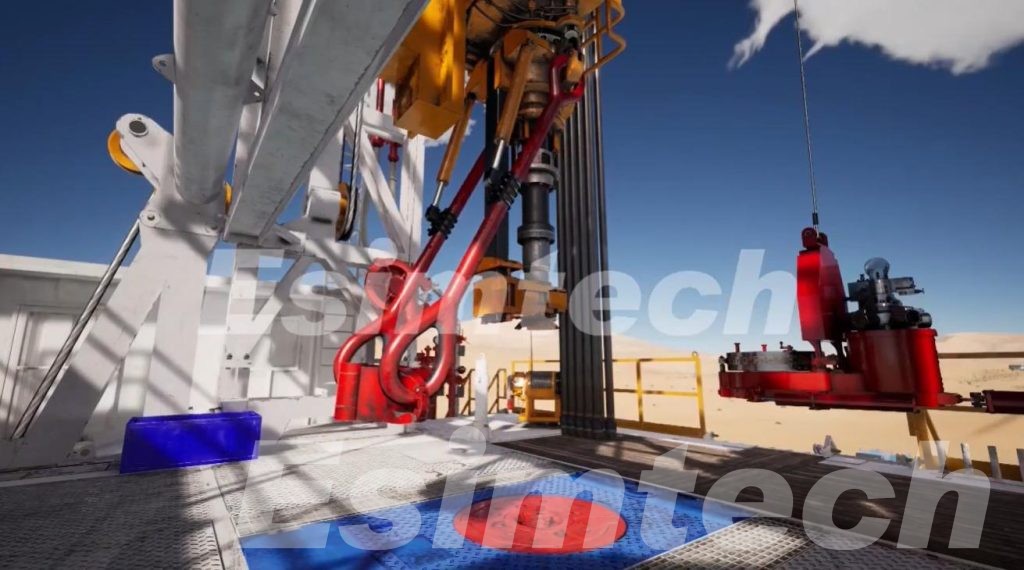
Mechanisms of Adaptive Training in AI-Driven Simulation
The training experience appears to be dynamic yet operates through established teaching methods and operational guidelines. The following table contrasts traditional and AI-adaptive approaches across key training dimensions.
| Training Objective | Conventional Simulation Approach | AI-Powered Adaptive Approach |
| Building Operational Resilience | Repeat major well-control events until procedural recall is achieved. | Begin with a minor anomaly; based on crew response, intelligently escalate complexity or introduce compounding failures. |
| Decision-Making Under Uncertainty | Present a well-defined problem with a single optimal solution path. | Provide ambiguous or conflicting sensor data; evaluate the crew’s ability to interpret, hypothesize, and justify actions under incomplete information. |
| Crew Resource Management | Follow communication protocols in a stable scenario. | Dynamically alter available personnel or inject simulated misinformation into communications, testing adaptability and verification protocols. |
Operational and Business Impact
The value of adaptive simulation extends beyond the training room into measurable operational and safety outcomes.
True Competency Assurance
Certification shifts from validating knowledge of specific procedures to assessing a crew’s capacity to diagnose decide and act when standard procedures do not fully apply. This method better meets real-world requirements because actual conditions frequently deviate from expected standards.
Reduction in Operational Risk
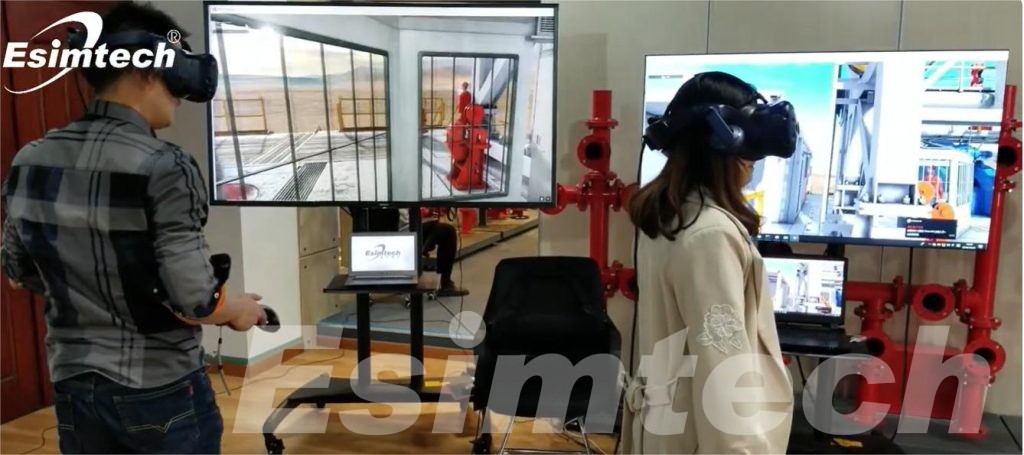
Crews who train in controlled environments that simulate unpredictable conditions acquire better situational awareness and develop stronger operational skills. They become more adept at questioning inconsistencies, anticipating secondary failures, and relying on fundamental principles rather than rote procedure. This mental preparedness helps to decrease non-productive time (NPT) occurrences, which would otherwise lead to major safety problems.
Optimized Training Return on Investment
The training program achieves its optimal efficiency because every simulation session operates with unique characteristics. Crews cannot rely on prior knowledge of scenario outcomes which maintains engagement and accelerates the development of expertise. For junior personnel, this delivers condensed exposure to a wide range of potential situations; for experienced crews it provides continual challenge against novel high-complexity scenarios.
Conclusion
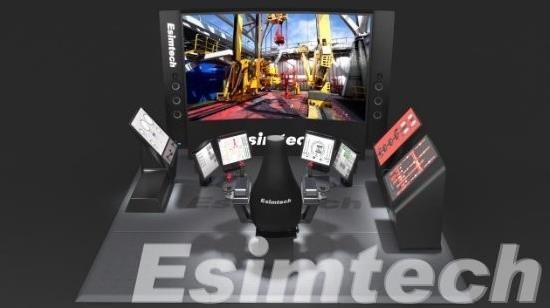
The final goal of simulation training is to eliminate the skills gap that exists between training environments and actual field work. AI-powered adaptive simulation creates a training environment that requires higher mental effort and shows greater real-world complexity than standard operational conditions. The system establishes a training framework that enables teams to handle unexpected high-pressure situations through their ability to assess situations and make decisions based on their extensive training.
Our next-generation drilling simulators at EsimTech provide this exact capability, which operators require for their work. Our platform creates authentic training environments that test crew skills through its proprietary AI scenario engine. We create virtual environments that replicate actual procedures for our users.
Are you prepared to establish adaptive operational excellence as your training program moves beyond its scripted content?
Visit www.esimtech.com to discover how EsimTech will improve your training results.