
Improving Pipeline Integrity Through Simulation-Based Operator Training
Pipeline integrity fails because of human errors, which include missed signals and delayed responses and incomplete procedure understanding during emergencies. Operator training needs to extend beyond traditional manual and classroom slide methods to achieve better operational results which include reduced leakages and shutdowns and unexpected events. Simulation-based training delivers its most significant benefits through this specific application.
Simulators provide operators with practical experience for real-world situations which include operational failures instead of showing them how things should proceed.
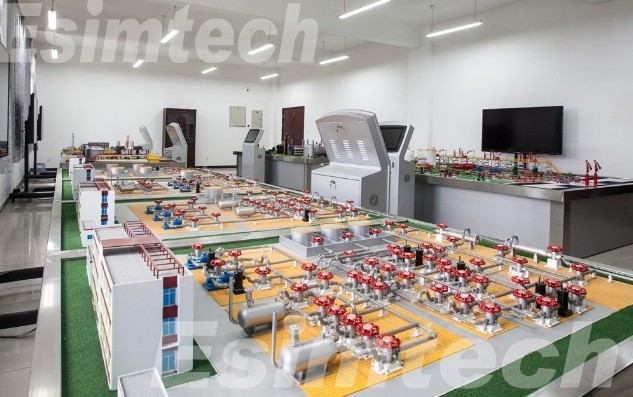
Why Pipeline Integrity Breaks Down in Real Operations
The majority of pipeline integrity issues emerge during standard operational periods instead of during exceptional circumstances. Pipelines function as dynamic systems because their pressure and flow and temperature and equipment condition and human behavior operate as interconnected elements.
Operators learn how to handle procedures through their training but they need more than procedures. Real incidents rarely follow a clean script. Alarms overlap. Data conflicts. Time pressure increases.
Operators benefit from their work experience but they cannot practice their skills on live pipelines because trial and error is not possible. Operators cannot use testing to explore different ways of handling situations because testing would put their safety at risk. The majority of integrity failures happen because of uncertainty instead of actual negligence.
Simulation training exists to close that gap.
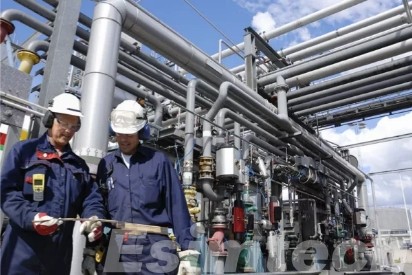
What Simulation-Based Pipeline Training Really Teaches
The pipeline simulator operates beyond its basic function of showing a network diagram because it uses simulation to demonstrate pipeline operational performance across different time periods and operator intervention scenarios.
Operators use actual SCADA-style interfaces, which include trending systems, alarm systems, and control logic systems. The simulator will behave like the actual pipeline when operators make delayed movements or execute their tasks in the incorrect order.
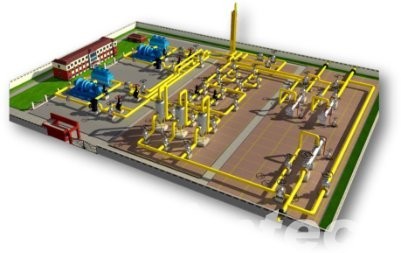
Understanding Cause and Effect, Not Just Rules
The simulation demonstrates to operators the reasons behind existing operational boundaries. The team studies pressure wave development together with line pack changes and the effects of minor control modifications on downstream operations.
System intuition develops through this process. Operators stop reacting to individual alarms and start thinking in terms of overall system behavior, which is critical for protecting integrity.
Learning the Impact of Timing
Integrity problems occur because of timing issues. Simulation makes delays visible. The process of waiting for section isolation requires additional time which results in increased pipe stress and higher leak volume. The lessons become more powerful when people experience them instead of receiving verbal explanations.
Leak Detection and Response: The Core Integrity Benefit
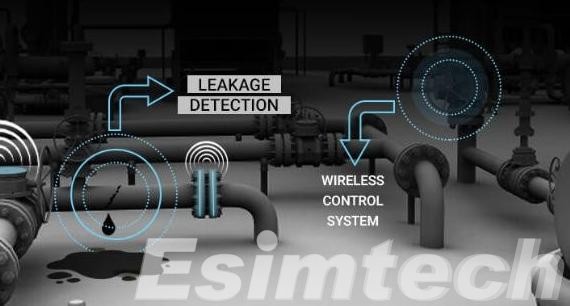
Operators who analyze leak detection technology determine its entire effectiveness. The simulation-based training program shows operators the real appearance of leaks through their operational data.
They study the differences between slow leaks and fast ruptures, and they learn about the distinct characteristics of real leaks, which separate them from normal transients and instrument problems.
From Detection to Correct Action
The process begins with leak detection and ends with proper corrective measures. The simulation identifies a leak, but operators use it to practice their response strategies, which include isolation procedures, response time, and system stability maintenance.
The operators develop reliable performance through their practice of multiple simulated scenarios. The operators acquire skills to make fast decisions, which help them protect system integrity.
Training High-Risk Operations That Stress Pipelines Most
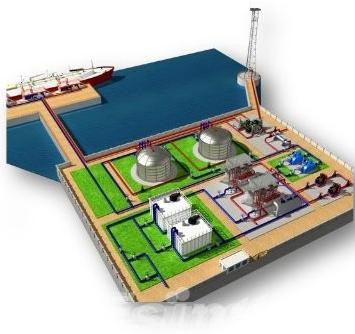
The operations create excessive stress on pipeline systems because they occur at rare times.
Startup, Shutdown, and Flow Changes
The simulation system enables operators to practice their startup and shutdown procedures across multiple simulation conditions. The operators observe how incorrect sequencing causes pressure spikes and how they can use controlled methods to decrease mechanical stress on the pipeline.
Pigging, Batching, and Transitions
The execution of pigging and batching operations frequently leads to operational coordination problems. The simulation system enables operators to develop their timing and communication skills while learning to manage unexpected situations without endangering actual equipment.
What Changes After Simulation-Based Training?
The most significant advancement through simulation training leads to better decision-making abilities that work under pressure.
Simulator-based training enables operators to detect abnormal patterns at an earlier stage. They can start interventions more effectively while showing increased confidence during issue escalation. The system requires operators to evaluate all alerts instead of depending on one particular alarm.
| Integrity Area | Typical Improvement |
| Leak response time | Faster and more consistent |
| Pressure excursions | Fewer and less severe |
| Procedure adherence | Higher under stress |
| Near-miss events | Reduced frequency |
| Operator confidence | Stronger in rare scenarios |
These improvements directly support asset life, environmental protection, and regulatory compliance.
Final Thought: Pipeline Integrity Is Operated, Not Just Designed
The design of pipelines ensures their operational integrity, which depends on human personnel to maintain proper function. The human factor in pipeline operations receives improvement through simulation-based operator training because it provides operators with skills that they cannot practice in actual operational settings.
It does not replace procedures or technology. It makes them effective when real situations become unclear, dynamic, and time-critical.
For pipeline operators in 2026, simulation is no longer optional training. The tool serves as an operational integrity protection measure that you implement to identify potential problems before they emerge.