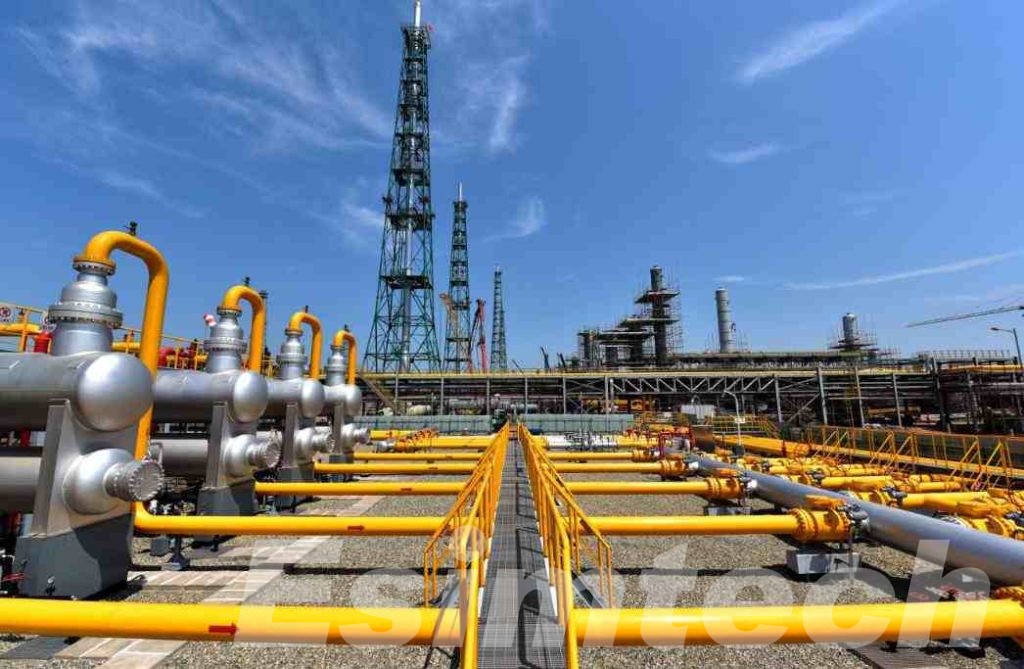
Use VR Simulator for Practicing Snubbing Operation in Oil and Gas
Snubbing operation training has traditionally consisted of classroom theory and limited live exercises, which are often high-risk, for decades. There is one underlying challenge that the industry has: how to build real muscle memory and decision-making skills for high-pressure well interventions without exposing personnel and assets to real danger.
Virtual Reality simulators now provide the answer, forming a paradigm shift in how crews prepare for critical snubbing jobs. This technology offers immersive, repeatable, and measurable training, which directly tackles core safety and efficiency challenges in modern well intervention.
The Critical Need for Advanced Snubbing Operation Training
Snubbing is a procedure that involves running or pulling pipe under pressure and is full of inherent risks such as well kicks, equipment failure, and pipe sticking. The situation of high pressure offers no room for error on the part of the operator. Conventional training methods, while fundamental, do not prepare the crews adequately for the high-stakes reality of the job.
- Understanding Snubbing Operation Risks in Oil and Gas Wells
At an actual operation, a miscalculated pressure or a slow reaction to a well control event can turn into a disaster. The teams must not only comprehend the procedures in theory but also acquire the muscle memory and possess the calmness to perform them under pressure. Live well practice is limited, costly, and deliberately avoids high-risk scenarios, thus creating a gap in experience that could be dangerous.
- Drawbacks of Conventional Training Approaches
Traditional training methods, such as classroom lectures and tabletop drills, are not immersive. Equipment simulators are costly to maintain and transport, and their scale is limited because they are generally single-purpose, physical units. Also, such simulators cannot easily reproduce a variety of adverse well intervention situations or unauthorized mishaps due to the real-world implications. As a result, the VR simulator for snubbing takes the lead, elevating the training process from mere passive learning to active, experiential mastery.
How VR Simulator Technology Works for Snubbing Practice
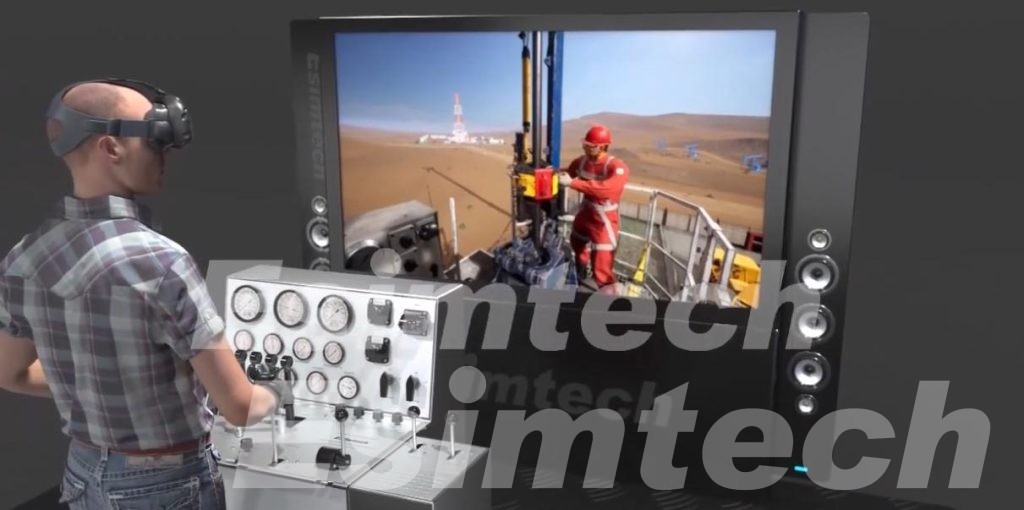
A virtual reality oil gas simulation trainer is not just another video game for gamers. It is something much more sophisticated—a high-resolution engineering replica based on real-time physics engines.
Immersive Simulation of Real-World Well Conditions
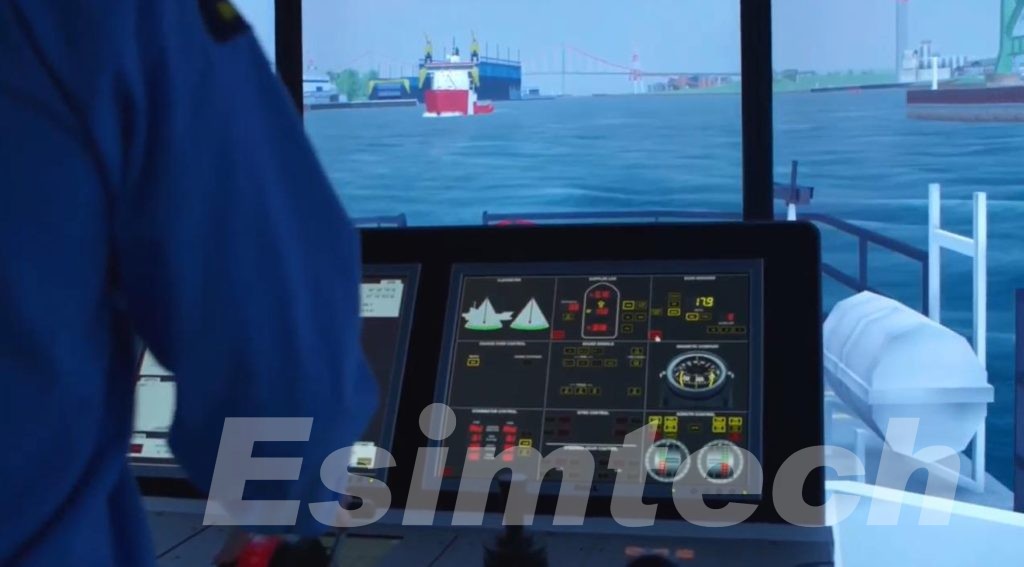
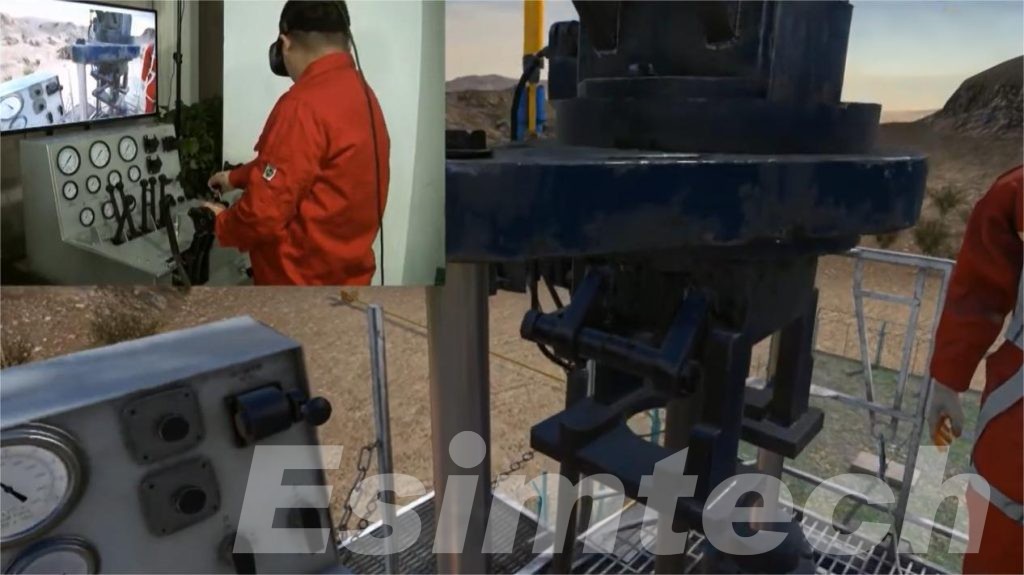
The trainees are required to don the VR headset and operate the motion-captured controllers to immerse themselves in a digital replica of the wellsite. The trainees are able to interact with the control panel of the snubbing unit, operate the pipes, and even walk around the snubbing unit. The simulation allows the trainees to experience the sights and sounds of the real operation. Most importantly, the simulation allows for realistic wellbore responses.
Key Components of an Effective VR Snubbing Simulator
For training to be valid, the simulation must be technically accurate. Key components include:
| Component | Training Purpose |
| Real-Time Physics Engine | Models hydraulics, pipe stress, and wellbore mechanics accurately. |
| Instructor Control Station | Allows trainers to inject faults (e.g., leaks, pump failure) and monitor trainee actions. |
| Performance Analytics Dashboard | Objectively tracks metrics like reaction time, procedural accuracy, and error rate. |
| Multi-User Capability | Enables a full crew (operator, floorman, supervisor) to train together in the same interactive VR drilling training scenario, practicing communication and coordination. |
Tangible Benefits of Using VR for Snubbing Operations
The value for money that can be gained with VR snubbing simulators is evident and manifold, going beyond being just another gadget trend into truly functional territory.
Improved Safety and Risk Mitigation
Such is the most important advantage offered by this technology. The crews can practice how they would respond using snubbing procedures for an emergency, like a kick or a pipe stick, dozens of times without any risks whatsoever. As a result, correct reflexes will have been developed, providing research that shows retention of skills acquired when using immersive simulations is higher, thereby contributing towards increasing safety on the snubbing operation.
Cost-Effective Skill Development
Despite the high upfront costs, the maintenance costs incurred in VR are drastically reduced:
- Eliminates Mobilization Costs: No need to transport crews and equipment to a physical training rig.
- Reduces Non-Productive Time (NPT): Offline delivery of the training process does not require the critical snubbing units to be removed. Reduces Equipment Wear and Tear: Reducing equipment wear and tear during the training exercise using high-cost full-scale snubbing rigs maximizes the equipment lifespan.
Standardized Competency Assessment
VR provides objective data; it moves assessment from subjective opinion to quantifiable metrics. Trainers can measure the pressure control precision of a trainee, adherence to checklists, and clarity in communication. This allows consistent evaluation of snubbing operators across different crews and locations, knowing that every worker who gets certified does so to exactly the same high standard.
Implementing VR Snubbing Training in Your Organization
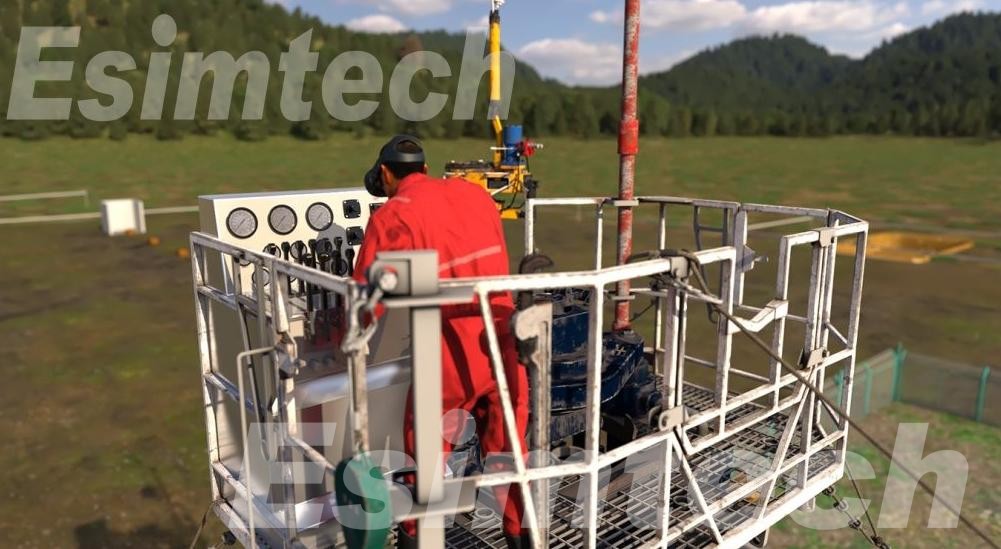
A successful integration unicorn exists only by deciding on a strategic way in which VR actually enhances the already existing programs and does not replace them. Go for a systematic competence-building blended learning model: start from the classroom learning (theory) - the very foundation of knowledge, then go to an immersive VR application, and finally finish with supervised practice in the field.
The main implementation phases must be:
- Needs Assessment: Detect your operations' specific skill gaps and high-risk scenarios that are peculiar to them.
- Curriculum Integration: Integrate smoothly the interactive VR snubbing modules into the existing certification pathways.
- Instructor Certification: Make your trainers capable of using the VR simulator control station efficiently and interpreting the performance analytics.
- Continuous Evaluation: Create feedback loops that connect simulator performance data and the results of real-world operations.
The structured execution of this process guarantees that your input will be transformed into quantifiable safety and efficiency increments. By tying VR training to real-world results of snubbing operations, you establish a perpetual process that not only develops skills but also supplies unambiguous information for the purpose of optimizing training ROI and proving value to the stakeholders.