Top Oil Rig Equipment Every Drilling Engineer Should Know
In the process of oil drilling, oil rig equipment is not only the basic tool for realizing drilling operations, but also the core element for ensuring the safety and efficiency of operations. As the exploration and development of oil and gas resources gradually advance into deeper and more complex strata, the requirements for the accuracy, reliability and advancement of drilling equipment in drilling engineering are also increasing day by day. oil rig equipment covers all aspects from power transmission, rock crushing, fluid circulation to safety control. Its performance directly determines the success rate and economic benefits of drilling operations. For drilling engineers, a thorough understanding of the functions, features and application scenarios of various types of equipment is not only a basic requirement for technical capabilities, but also a key to ensuring the safety, efficiency and environmental friendliness of the drilling process.
This article will introduce to you some top oil rig equipment that drilling engineers must know, helping you gain a deeper understanding of the functions, application scenarios and key roles of each type of equipment in drilling operations.
The Basic Classification Of Drilling Equipment
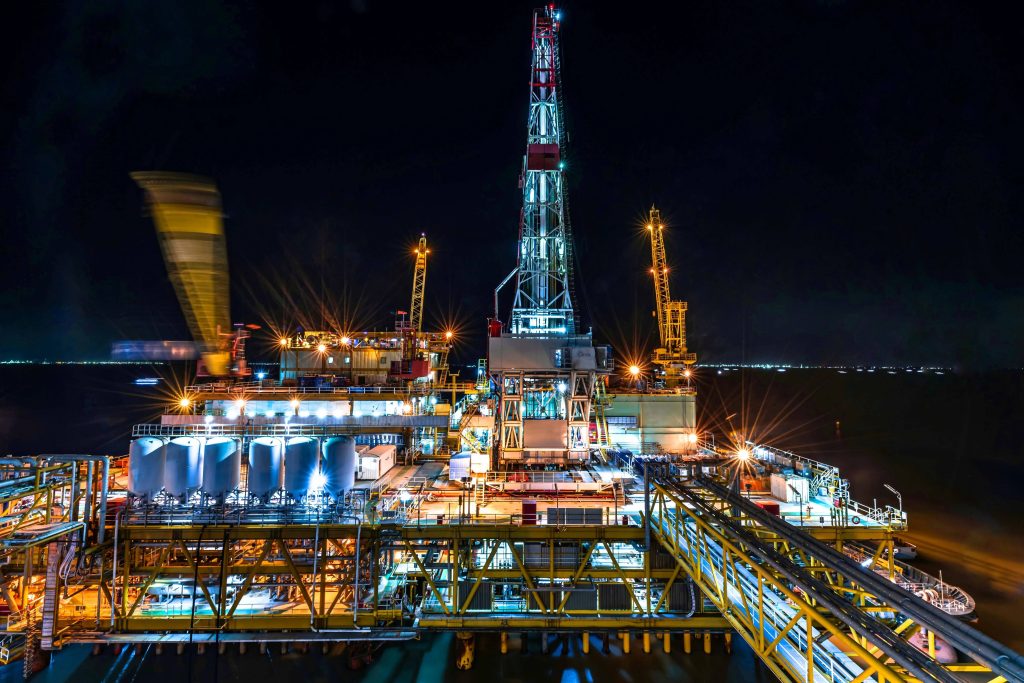
There are various types of oil rig drilling equipment, which can be classified according to their functions and roles. The common classifications are as follows:
- Power equipment: such as diesel engines, gas turbines, etc., provide the power required for drilling.
- Drilling equipment: including drill bits, drilling tools and other core tools that directly participate in rock breaking and drilling.
- Fluid systems: such as mud pumps, mud treatment equipment, etc., are responsible for the circulation and cleaning of liquids.
- Control and safety equipment: such as blowout preventers (BOP), pressure monitoring systems, etc., are used to ensure the safety of drilling operations.
The above classification covers the entire process of equipment from power input to downhole operations, forming a complete and coordinated drilling equipment system.
Detailed Explanation of Oil Rig Drilling Equipment
1. Drill Bit
The drill bit is a key tool that directly contacts the formation and completes rock-breaking operations, and its performance directly affects the drilling speed and cost. According to the different properties of rock strata, drill bits can be classified into various types:
- Three-wing drill bit: Suitable for soft rock strata, it has a relatively low cost and good penetration.
- PDC bits (polycrystalline diamond composite bits) : They are suitable for hard rock strata and highly abrasive formations, featuring strong wear resistance, a long service life, and the ability to enhance drilling efficiency.
- The cone bit: It performs well in various types of strata, especially with strong adaptability in uneven strata.
The selection of drill bits needs to comprehensively consider factors such as formation hardness, drillability, downhole temperature and drilling fluid performance.
2. Drill Pipe
Drilling tools are key components that connect surface equipment with downhole drill bits. Their main functions include transmitting torque, transporting drilling fluid and providing the weight required for drilling. Common specifications of drilling tools include outer diameter, length, steel grade and connection type. Their strength and fatigue resistance are particularly important for deep well and ultra-deep well operations.
3. Mud Pump
The mud pump is the "heart" of the drilling fluid circulation system, responsible for pumping drilling fluid into the well to achieve functions such as cooling the drill bit, carrying cuttings, and balancing formation pressure. Its main technical parameters include flow rate, pressure and power. When selecting the type, it is necessary to match it in combination with well depth, well diameter and the nature of drilling fluid.
4. Blowout Preventer (BOP)
Blowout preventers are core safety devices for preventing blowout accidents. They are usually installed at the wellhead and are used to quickly seal the wellbore when the downhole pressure is abnormal. According to the control method, they can be classified into gate plate blowout preventers, ring blowout preventers, etc. Its reliability is directly related to the safety of the operators and environmental protection. Daily maintenance and testing must be strictly carried out.
5. Top Drive System
The top drive system is an important component of modern drilling platforms. It directly drives the drill string to rotate, replacing the traditional turntable drive method. The top drive system has the advantages of high drilling efficiency, fast lifting and lowering speed, and the ability to reverse scratch to prevent stuck holes. It is particularly suitable for deep Wells, highly deviated Wells and horizontal well operations.
6. Wellhead Equipment
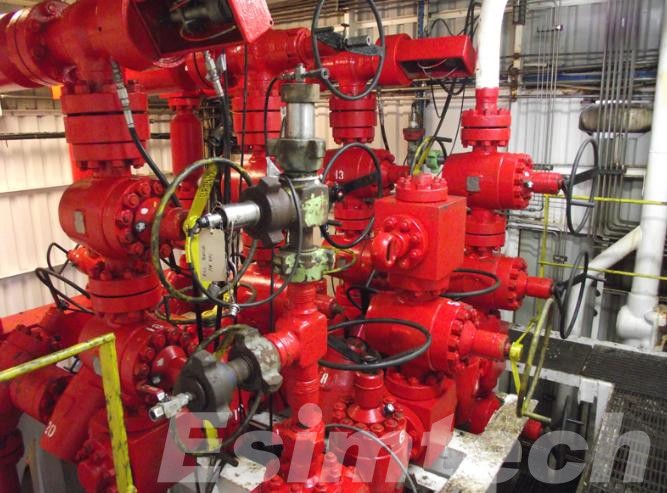
The wellhead device is installed on the drilling platform or on the surface, used to support the casing string, seal the annular space between the casing and the drill string, control the wellhead pressure and provide the inlet and outlet of the drilling fluid. It includes components such as casing heads, tubing heads, and oil production trees, and serves as a key interface connecting the downhole and surface production systems.
→ Oil drilling animation video
Modern Oil Rig Equipment And Technology Development
With the continuous development of technology, oil rig equipment is also constantly being updated and upgraded. The application of digital and intelligent technologies has brought new opportunities to drilling operations.
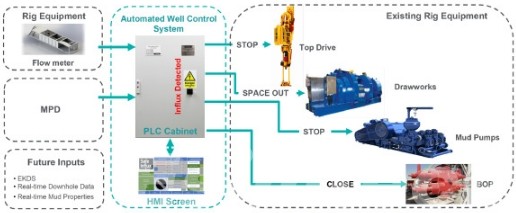
- Digital transformation: Modern oil rig equipment is increasingly integrating automated control systems, real-time data monitoring technologies, and intelligent sensors. The application of these technologies has greatly enhanced the efficiency of the equipment and the accuracy of its operation.
- Intelligent equipment: The application of intelligent technologies such as automated drilling systems and remote control platforms has reduced manual intervention and enhanced the accuracy and safety of operations.
- Environmental protection technology: With increasingly strict environmental protection requirements, oil rig equipment is also developing towards energy conservation and low emissions. The new generation of equipment performs exceptionally well in reducing carbon emissions and energy consumption.
How to Choose The Right Oil Rig Equipment
Selecting the appropriate oil rig equipment is an important task for drilling engineers. The following factors need to be considered when choosing equipment:
- Oilfield types and geological conditions: Land, shallow sea or deep sea operations, as well as different geological environments such as soft rock, hard rock, and high-pressure oil and gas layers, have different requirements for equipment performance.
- Operation objectives and process requirements: For conventional drilling, directional drilling or underbalanced drilling and other processes, corresponding dedicated equipment needs to be matched.
- Environmental protection and safety regulations: Equipment must comply with local environmental protection emission standards and safety production norms.
- Full life cycle cost: In addition to the purchase cost, the operational efficiency, maintenance cost, durability and technical support capability of the equipment also need to be evaluated.
Conclusion
Drilling engineers must have a thorough understanding of the functions, working principles and application scenarios of oil rig equipment in their daily work. With the continuous development of technology, oil rig equipment will become increasingly intelligent. Engineers should constantly learn and adapt to new technologies to enhance operational efficiency and ensure operational safety.
In the future, with the requirements of energy transition and environmental protection regulations, oil rig equipment will continue to develop in the direction of intelligence and environmental protection. Drilling engineers need to keep abreast of these emerging technologies in a timely manner and enhance their professional capabilities.
Related Product Recommendations
If you are a drilling engineer and want to further enhance your operational skills, you can take a look at our Esimtech oil rig simulator. Through the simulator, you can conduct operation training in a secure virtual environment, enhancing your mastery of the equipment and emergency response capabilities.