Tackling HPHT Well Control Challenges: How Oil and Gas Simulation Mitigates Hidden Costs

Written By: Computer Science Professor
Deeply rooted in the R&D of simulators for the oil and gas industry, committed to bringing safety to every oil worker.
HPHT wells are not just “harder wells.” They are cost multipliers. The cost of well control problems in HPHT wells is often visible in terms of down time or non-productive time (NPT). The unseen costs include delayed decisions, incorrect decisions, stress on equipment, and human errors due to pressure. The real issue is not whether HPHT wells are riskier. It is how these risks can be managed before they result in any unplanned costs.
Here, the importance of oil and gas simulation is realized.
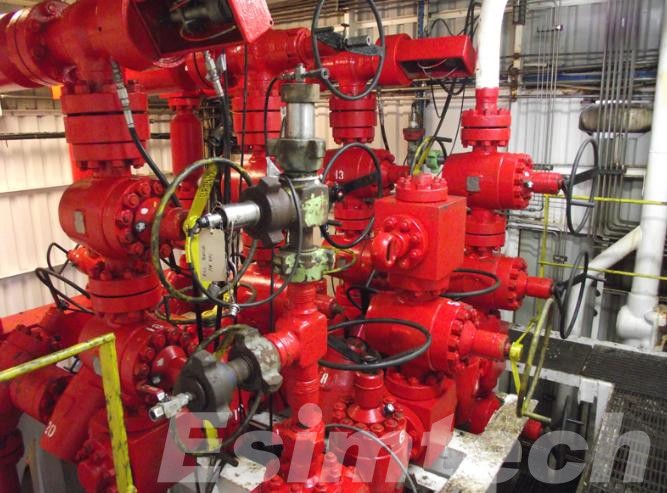
Why HPHT Well Control Creates Hidden Costs?
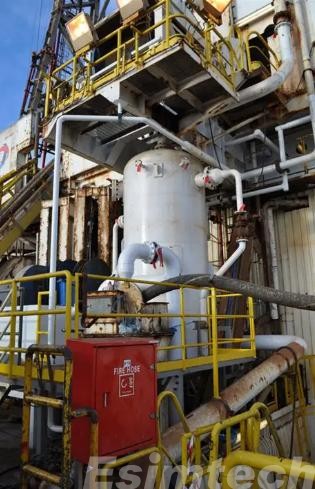
HPHT wells do not fail in one catastrophic blow. Rather, the expenses build up quietly. The pressure windows are small, fluid properties behave erratically, and temperature effects are delayed. The teams work under time constraints with no margin for error.
When uncertainty becomes the norm, the following practices become common:
- Operate slower to be “cautious”
- Over-circulate the mud
- Hold pressure longer than necessary
- Call in additional monitoring or support personnel
Each of these is a sound practice in its own right, but together they add up to higher non-productive time and project costs. Even if there is no problem, these hidden costs quietly mount.
Simulation fills these gaps by allowing teams to gain experience with actual HPHT behavior before they encounter it in the real world. When they know what to expect, delays and overcorrection become much less common.
Why Traditional Training Falls Short?
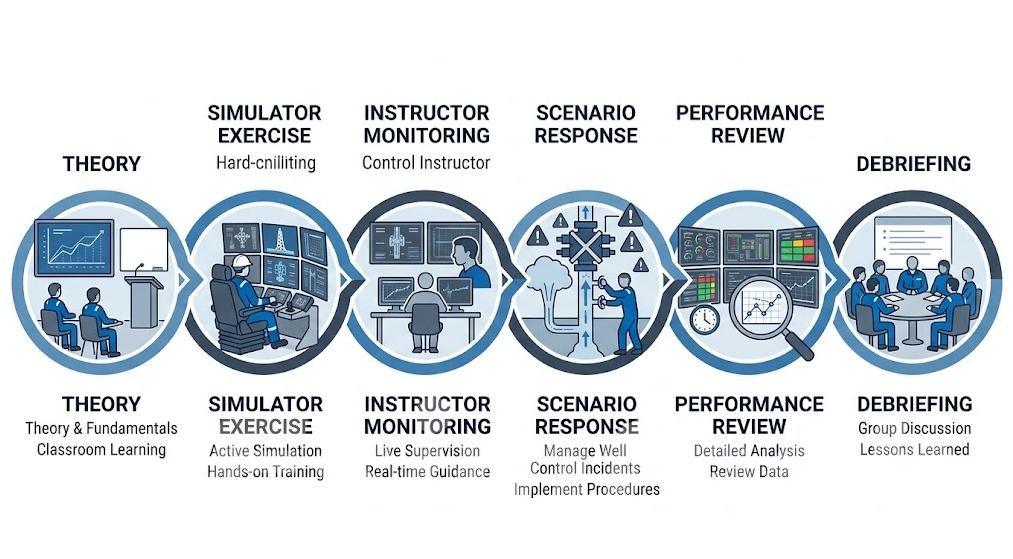
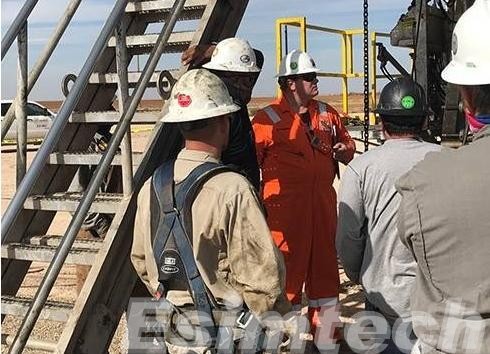
Traditional training methods work well in teaching the theory of well control operations—HPHT wells just don’t behave like theory says they should behave. Pressure can increase in seconds, temperature can be deceptive, and minor changes can have major consequences.
Veteran crews may be uncertain because the initial warning signs aren’t always clear. The difference between theory and simulation is where the expensive hesitation begins.
How Oil and Gas Simulation Improves HPHT Decision-Making?
But simulation not only teaches procedures, it also trains judgment under pressure.
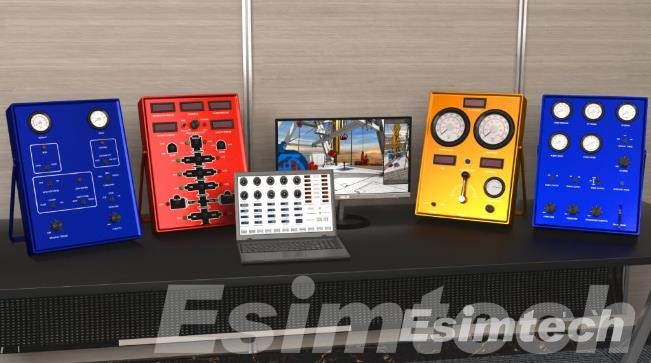
First, crews receive real-time responses from a well. Pressures increase, temperatures change, gas kicks in, and surface indicators respond in concert. Instead of speculating on what might happen, crews experience it in a safe environment.
Next, specific practice enhances pattern recognition skills. A standard simulation session could include:
- Experiencing the effects of delayed kick detection due to thermal expansion
- Testing rapid pressure escalation during shut-in
- Experiencing deceptive pit gain indications
After each experience, crews analyze what did and didn’t work. This experience + reflection approach helps the learning stick. Crews stop acting emotionally and begin to respond rationally. Errors in simulation incur no costs, but the learning translates directly to operations.
Key HPHT Challenges Simulation Can Replicate
However, simulation is best done in a way that replicates real-life HPHT scenarios. This is because the drill crew will experience quick pressure surges during the early kick event, delayed gas influx indication, and false surface indication due to thermal or fluid dynamic effects. They will also understand the consequences of equipment limits being reached unexpectedly.
By adding complexity like simultaneous alarms or partial system failures, simulation will test the crew’s ability to respond to situations appropriately. This will reduce hesitation, overcorrection, and other hidden costs that quietly inflate HPHT well costs.
How Simulation Translates into Real Cost Reduction?
The financial benefit of simulation is not typically realized by preventing a major incident from occurring. It is realized by making better decisions on a day-to-day basis.
With consistent simulation training for HPHT, operators can experience quicker response times for well control, reduced unnecessary circulation cycles, and improved communication between surface and subsurface personnel.
The difference can be understood by comparing operations before and after simulation training:
| Area | Before Simulation | After HPHT Simulation |
| Response confidence | Hesitant, conservative | Faster, more controlled |
| Non-productive time | Higher | Reduced |
| Over-circulation | Common | Less frequent |
| Pressure management | Reactive | Anticipated |
| Overall efficiency | Inconsistent | More stable |
Another overlooked benefit is communication. When drilling crews, engineers, and supervisors have all experienced the same simulated HPHT scenarios, discussions during real operations become more direct. Fewer assumptions need to be explained, and decisions happen faster.
Final Thoughts: Reducing Costs You Don’t See Until It’s Too Late
The challenges associated with HPHT well control have little to do with the absence of rules and everything to do with uncertainty. Simulation is not about eliminating risk, but about identifying vulnerabilities and time-consuming delays before they occur. It helps the crew gain confidence and improve decision-making capabilities, reducing unforeseen costs that can go unnoticed until it is already too late.
This is where Esimtech’s Oil & Gas Simulator can be of great use. Our simulator can allow your team to have a hands-on experience with HPHT wells in a controlled and realistic environment. It can help improve decision-making capabilities, avoid delays, and enhance overall efficiency.
Request a demo now!