How MR Combined with Simulation Revolutionizes Hands-on Training: Petroleum Snubbing Simulator

Written By: Computer Science Professor
Deeply rooted in the R&D of simulators for the oil and gas industry, committed to bringing safety to every oil worker.
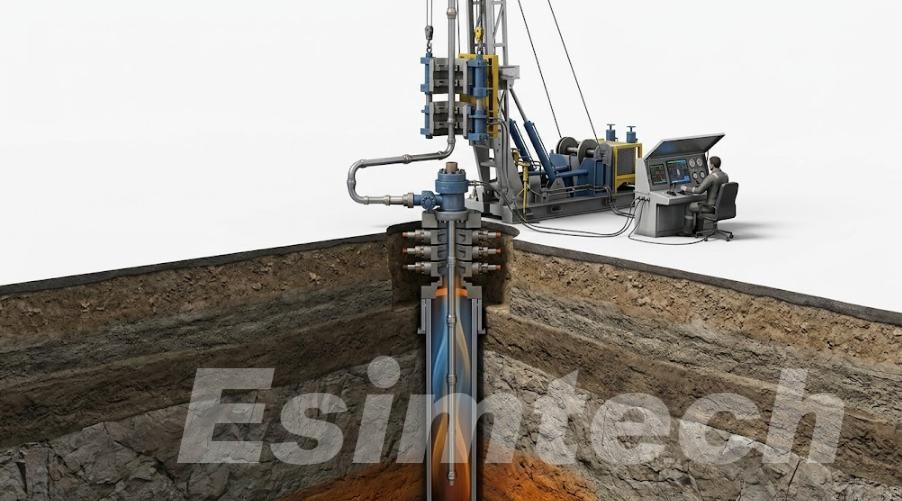
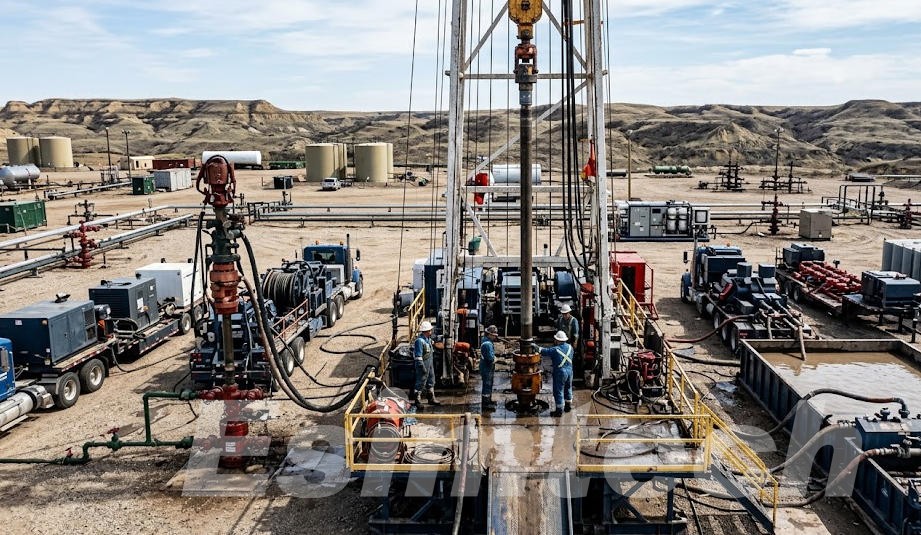
Snubbing is one of those jobs where theory alone is insufficient. The crew operates under pressure – literally – and minor errors can have significant safety and cost-related repercussions. Conventional training methods, like theory or video presentations, may discuss the process, but they don’t fully prepare the crew for what is actually involved.
This is where oil and gas simulation can help. Simulation-based training enables operators to practice before they go into the field. The integration of MR takes it from “understanding” to “experiencing,” and this is where it becomes particularly important for snubbing jobs.
What Does MR Add to Oil and Gas Simulation?
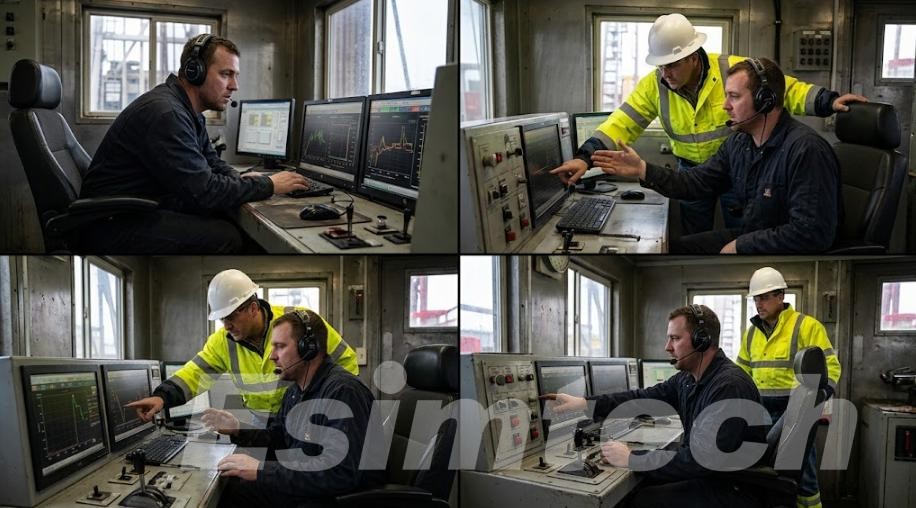
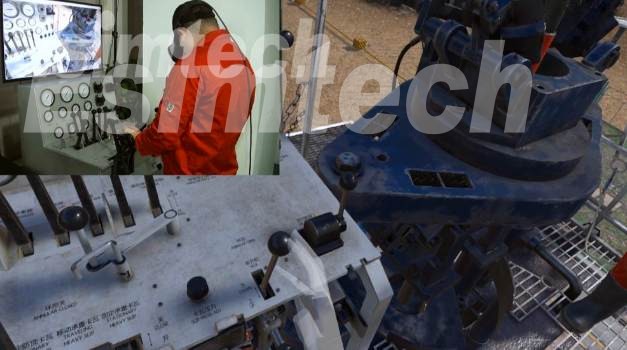
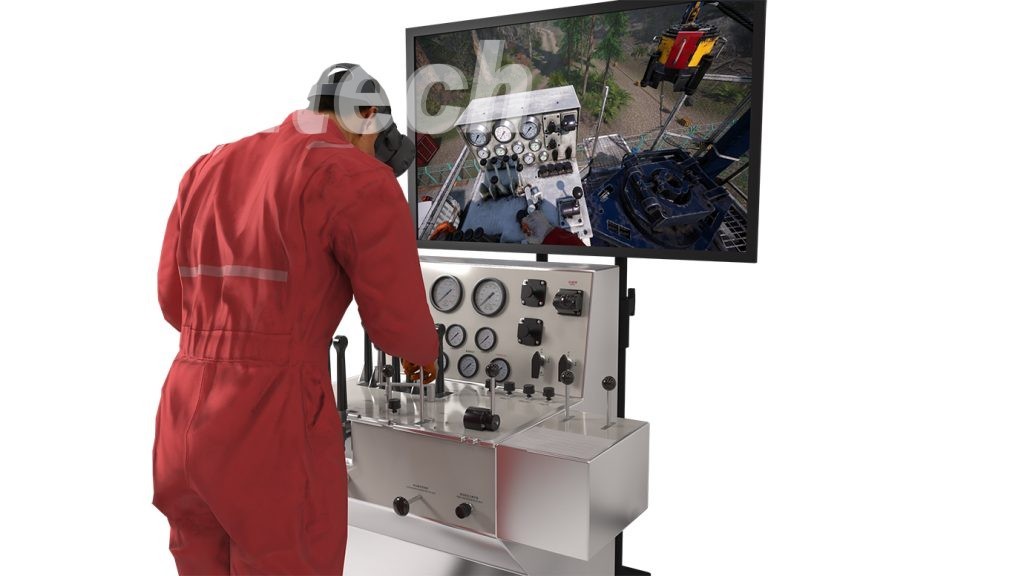
It is also possible for oil and gas simulation software to simulate pressure, forces, and operating sequences. However, MR adds a physical context to these simulations. Instead of observing values changing on a screen, trainees will see virtual pipes, valves, and pressure indicators superimposed over real training equipment.
Using a Petroleum Snubbing Simulator, MR enables trainees to:
- Interact with virtual objects using real equipment
- View real-time pressure changes during pipe movement
- React naturally instead of following a predetermined sequence
This combination makes training feel closer to real snubbing work, without exposing trainees to actual risk.
How Does MR-Based Simulation Improve Skill Transfer?
One of the biggest challenges with training in the oil field is skill transfer: making sure what is learned in the training environment shows up in the field. MR Enhanced oil and gas simulation helps address this issue in two ways.
One is muscle memory. The more trainees can manipulate equipment in the training environment, the more likely they are to respond instinctively. The other is decision-making. The trainees have to respond to changing conditions rather than simply recalling procedures.
MR Enhanced training helps close the gap between “training mode” and “field mode” compared with traditional simulation. This is particularly important for snubbing crews.
How Is a Petroleum Snubbing Simulator Used in Practice?
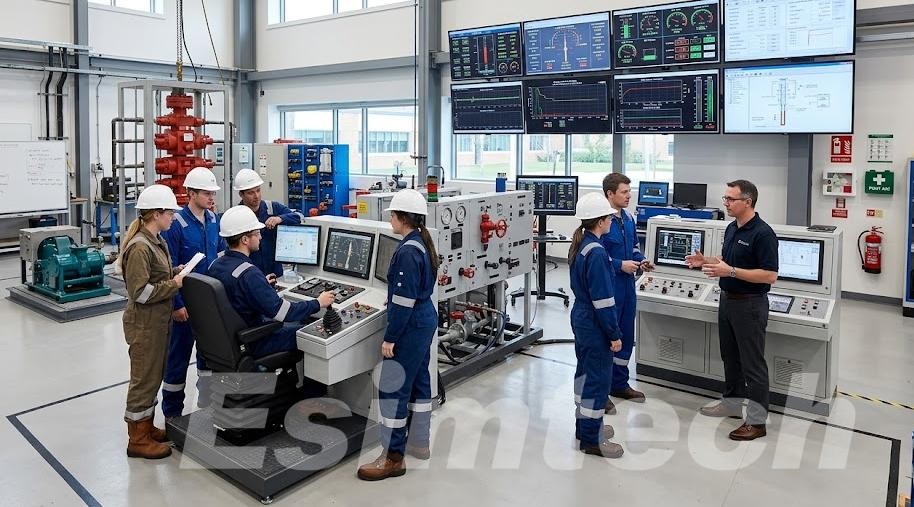
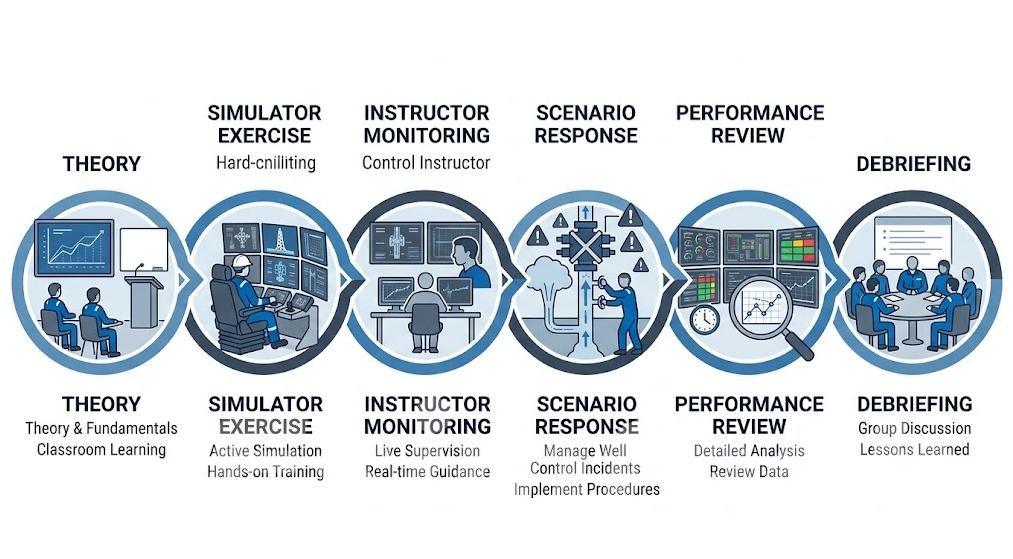
A modern Petroleum Snubbing Simulator is not just used for demonstration purposes. It can be used for structured training sessions that can be repeated over time. The instructor can set the pressure levels, pipe behavior, and faults to match real-world scenarios.
The training sessions can include normal operations, followed by abnormal operations or emergency scenarios. As everything is simulated, trainees can practice the same scenarios many times over.
Here is a simplified comparison of training methods:
| Training Approach | Realism Level | Safety Risk | Repeatability |
| Classroom Training | Low | None | High |
| Traditional Simulation | Medium | None | Medium |
| MR-Based Oil and Gas Simulation | High | None | High |
This shows why MR-based simulation is increasingly preferred for complex operations like snubbing.
Can MR Simulators Replace Real Rig Training?
No—and they shouldn’t. However, they cut the learning curve significantly before trainees go to the rig.
MR-based Simulation prepares operators for scenarios that are either too dangerous, too costly, or too rare to be recreated in real life. The danger of a blowout, sudden spikes in abnormal pressure, and equipment breakdowns are all scenarios that can be practiced repeatedly without risking people and equipment.
This means that training on-site becomes more effective. Supervisors no longer have to train trainees on the basics but rather hone their skills.
Why Petroleum Snubbing Benefits Most from MR Simulation?
To perform snubbing operations, there is a need for coordination, awareness, and timely decision-making. All these are taken care of by MR simulation.
Trainees learn how changes in well pressure can impact equipment. They learn how adjustments in loads can impact safety. They learn how to focus on multiple parameters at a given time, which is not easy to teach through written material and video clips.
This is where MR-based oil and gas simulation can be most beneficial, whether it is for new trainees or experienced personnel moving to a new and complex environment.
What Should Companies Look for in a Snubbing Simulator?
A good snubbing simulator should first mimic real-world operations, not just the workflow. Realistic pressure control, force feedback, and equipment response are critical. Otherwise, trainees may follow the steps correctly but still have problems in the real world when things don’t go as planned.
Some of the key features that companies should look out for include:
- Realistic pressure and load modeling to mimic real-world snubbing operations
- Easy modification of scenario parameters, such as well conditions and operation sequences, by the instructor
- Support for Mixed Reality to allow trainees to manipulate virtual equipment in a real-world environment
- Control and measurement of instructor performance during training
In the modern world, petroleum snubbing simulators are being created in the form of an integrated training system, not just as standalone products. With the use of MR-based oil and gas simulation solutions, it has become easier to standardize training processes, minimize costs, and train the workforce in an effective manner.
Final Thoughts: From Training Tool to Operational Advantage
MR-based oil and gas simulation is quickly moving beyond training support and becoming a real operational advantage for petroleum snubbing. It allows crews to build experience, confidence, and judgment before facing real pressure in the field.
For companies aiming to improve safety, speed up readiness, and standardize snubbing skills, advanced simulation offers a practical path forward. The right solution doesn’t just train people—it helps them perform better when it counts.