VR-Based vs. Full-Size Physical Drilling Simulators: Which Type is Right for You

Written By: Computer Science Professor
Deeply rooted in the R&D of simulators for the oil and gas industry, committed to bringing safety to every oil worker.
Well-known and used in a number of drilling activities as part of drilling operations, simulators provide people with hands-on experiences in environments where cost and safety both can be controlled before they even encounter actual conditions. They really help individuals from drills and engineers who would try to understand complex systems, a very first step toward them learning good decision-making. There are two main categories of drilling simulators: the VR-based simulators and the full-size physical simulators. Each comes with its own advantages, and it is crucial to understand the differences between the two type of drilling simulators to assist planning teams as they realize which will be the most conducive to their specific needs.
Understanding VR-based Drilling Simulators
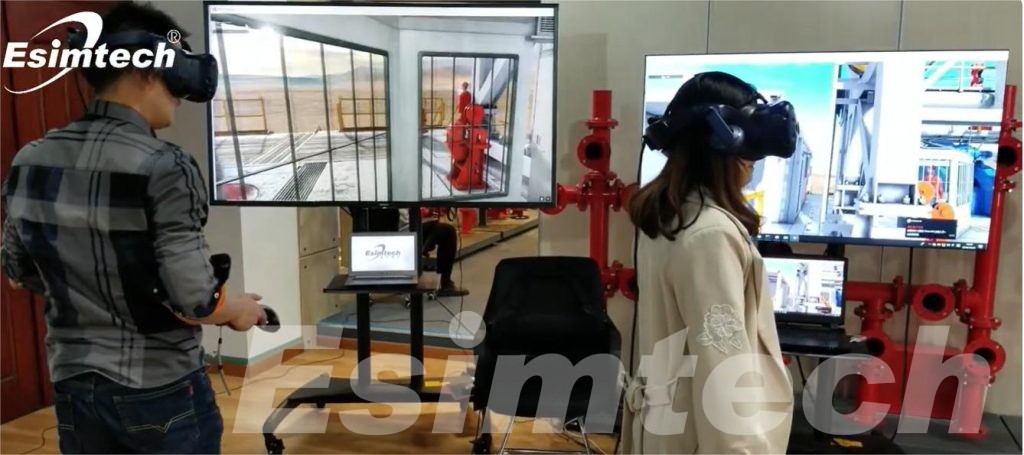
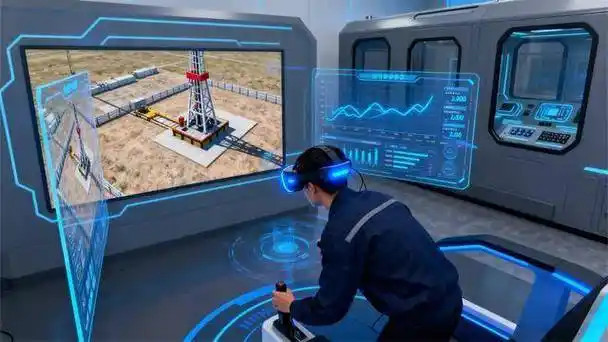
VR-based drilling simulators help devise a 3D model of a drilling operation. In this system, various features of the systems are layered so that operation software can easily be embedded. Handling of well control, circulation of mud, and potential handling of emergency situations are inherently complex procedures that are simulated using the system. This is especially meant for creating a full replication of the look and feel and operational programming of drilling gadgets and conditions in the field.
Key Features
- Immersive VR Environment: If they all come from the same premise of a virtual training environment, one that is life-like and greatly immersive in a 3D model of drilling rigs, the control panels of the drilling equipment, and the whole oil well with all its equipment-the mud pumps, etc. the equipment, and the mud.
- Ultra-Interactive Controls: One can use hand-held controllers to manipulate virtual components, such as the rotary table, BOP, or mud pump, etc.
- Scenario Simulations: They feature hyper-realistic emergencies like a blowout risk, equipment failure, or risky weather conditions.
- Real-time Feedback: Instant feedback on actions to help improve decision-making and refine skills.
- Performance Metrics: Data collected on performance, safety adherence, and operational efficiency.
Advantages
- Affordable to Restore the Excessive Confusion: The VR-based simulators are always a much less expensive option than the installation of full phases of the simulator setting. This will demand lower start-up expenses and reduced local equipment maintenance. Rent or pay for an airplane-to build a center on this earthy base, besides the heavy bill of course: another striking advantage.
- Safety and Risk-Free Training: The simulation-based environment can also be a safety-conscious playground for the trainees to tackle high-risk scenarios, including blowouts, equipment malfunction, or hazardous weather conditions. Since VR simulators eliminate virtually all exposure-related risk, from environmental damage to equipment malfunctions or personal injury, add value in safety training.
- Flexible and Scalable: The simulators built on VR technology enable the simulation of extreme types of drilling environments or drilling operations, some examples are offshore drillings and unconventional drillings. For any type of training, these simulators can cater to different training requirements, be it conventional daily operations or scenarios that pose emergency responses. They also can be scaled to train more than one person at a time or separately.
- Realistic Training Environment: The luminescent light of VR glows into a wonderfully real training land, allowing trainees to touch virtualized equipment and rehearse the real-world consequences of many of their activities. The enhanced realism of training also crystallizes the decision skills that one needs to act quickly, efficiently, and successfully.: Hey, one last thing: this realism should boost the confidence level of operators in essence before facing the challenge about fieldwork.
- Repetition and Scenario Variation: Trainees can model scenarios repetitively, including rare and complex conditions that are hard to simulate on Drilling Simulators. This facilitates the fine-tuning of skill sets and reaction times under emergency conditions.
- Portability: Portable VR-based drilling Simulators can transport from site to site makes it easy to have training on the landside or sea-facing rigs, showcasing their adaptability for companies conducting operations all around the world.
Limitations
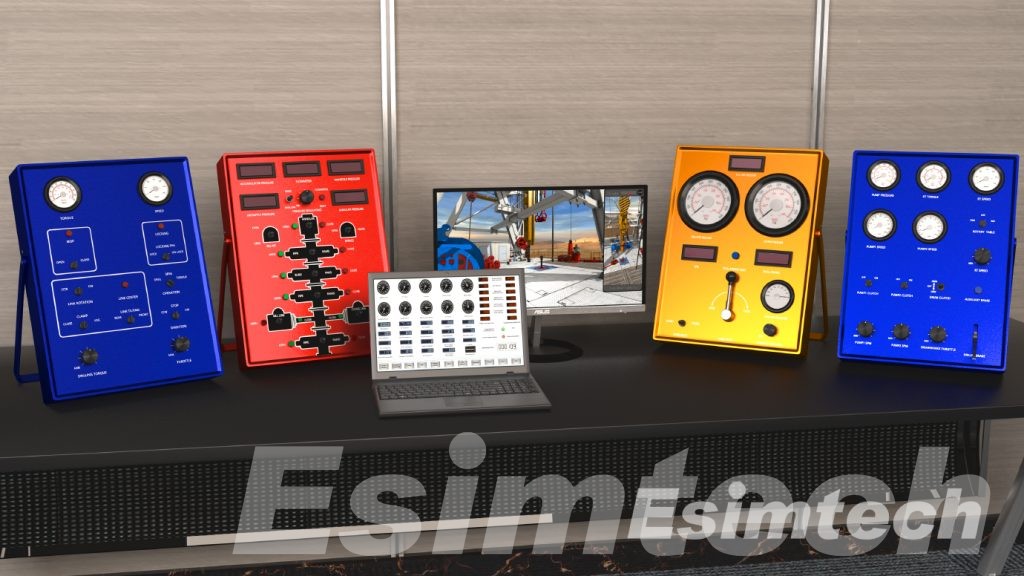
- Lack of Physical Feedback: While VR simulation can accurately replicate visual and audio aspects of oilfield operations, it cannot replicate physical feedback associated with the real-world system like vibration or pressure changes experienced when handling the actual machinery. This restricts the development of muscle memory and can take away from the realism of various tasks.
- Motion Sickness: Some learners may experience motion sickness or general discomfort from extended sessions of VR, especially when the images are not perfectly synchronized with head orientation. However, this could affect the learning process for a few learners; since vital modifications are being made in VR technology, such problems are gradually being obviated.
- Technology and Setup Costs: Although not quite as expensive as dedicated full-scale physical simulators, basic VR setups will still represent an initial investment in VR headsets, motion sensors, controllers, and high-performance computers. Additionally, specialized simulation software must be developed or purchased and represents another word on the tab.
- Dependence in Virtual Environment Accuracy: Quality of training heavily depends on reality and precision in the virtual environment. Outdated or inaccurate software or hardware can render the training experiences below optimum. The training efficiency increases if the fidelity level between virtual and real environments is high.
- Limited Sensory Engagement: VR simulators give visual and auditory impacts only and are less effective in simulating other senses like the feel of the equipment, or environmental conditions. Some do have haptic feedback (vibrations, force feedback), but still cannot challenge the physical simulators.
What are Full-size Physical Drilling Simulators
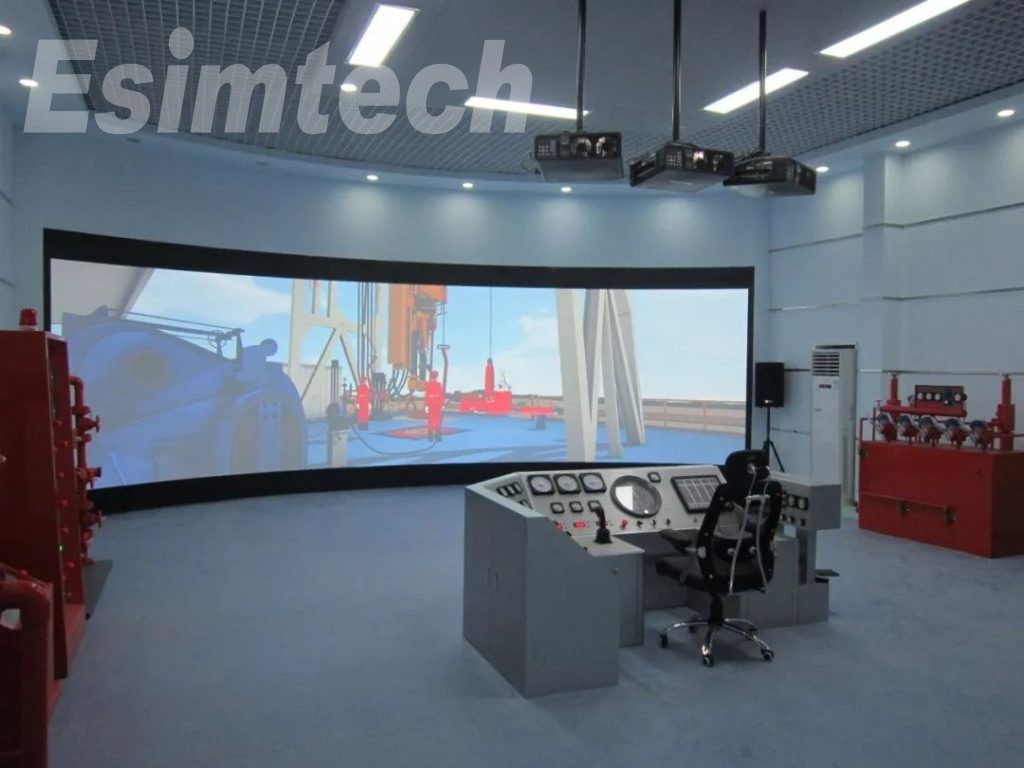
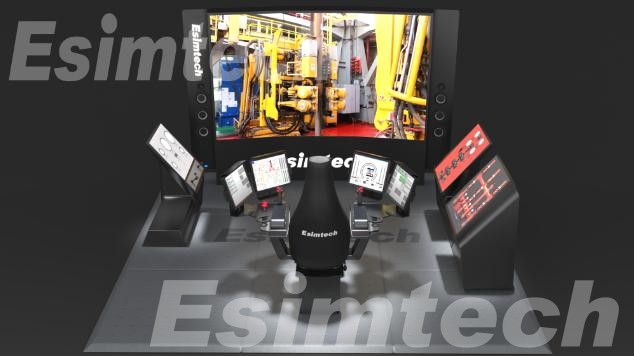
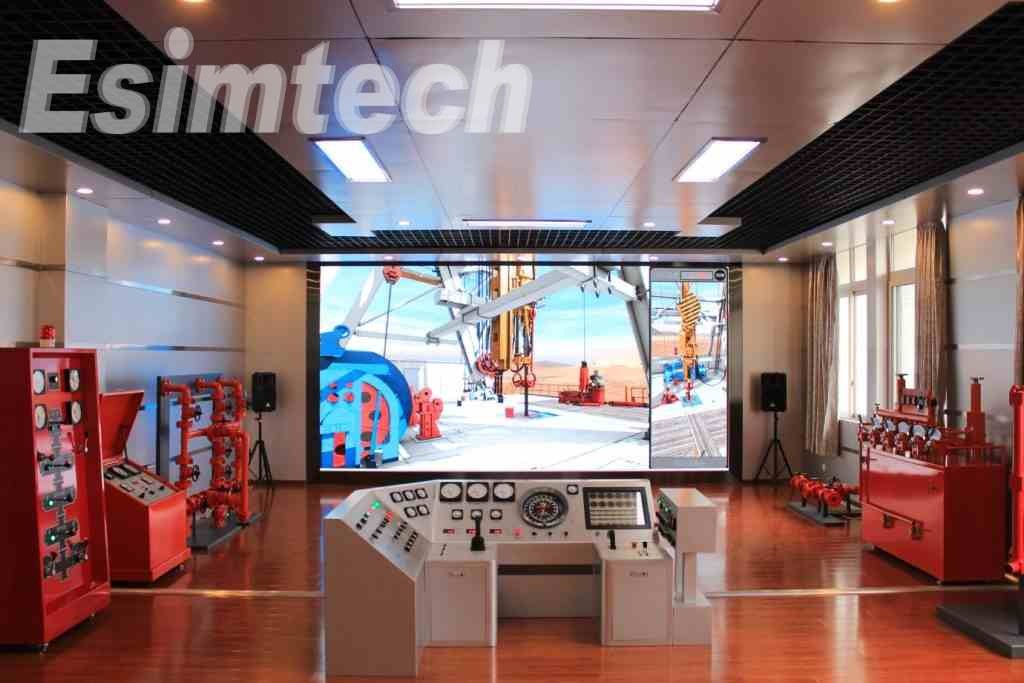
A full-size physical drilling simulator is designed to mimic the actual operation of a drilling rig. These systems consist of large-scale replicas of drilling machinery, such as:
- Rotary tables
- Blowout preventers (BOPs)
- Mud pumps
- Drill pipes
- Control panels with realistic buttons, levers, and displays
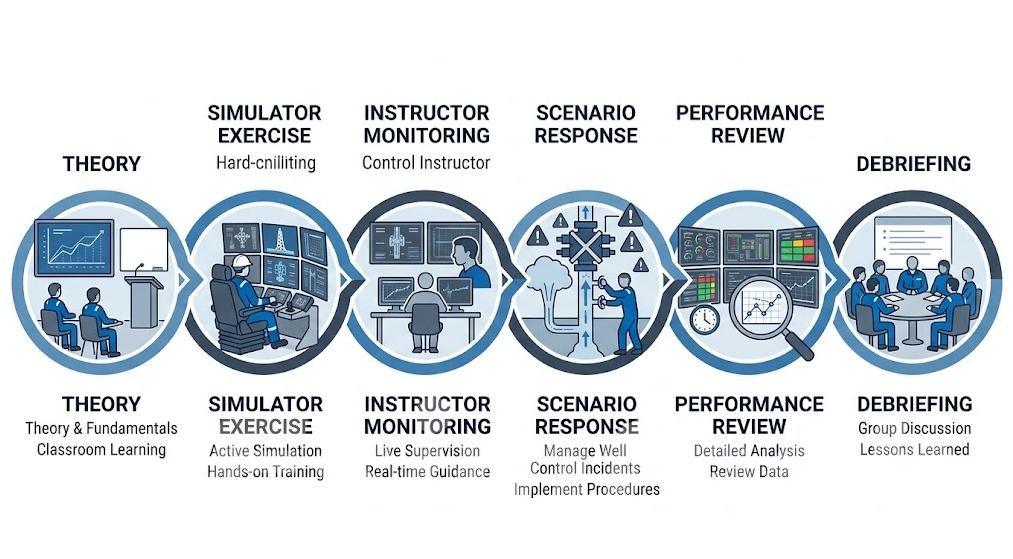
The training center then imitates the rig environment so well as to allow the presentation of systems and equipment which behave as reality does during operation. Training sessions usually happen in real-time, where the operators are engaged in functions needing various activities and skills like regular lap operations, maintainence, and emergency reaction.
This full-size simulator gives trainee the opportunity to operate on equipment as they would under actual rig-working conditions and gain experience with handling intricate machines as well as trouble-shooting while simultaneously being apprised of their performance.
Advantages
- Highly Realistic Training Environment: Large drilling simulators allow for truly realistic training experience. The replica of the drilling rig and its components guarantees that the different trainees actually get to use the exact equipment they would be using in the field. This gets them to form muscle memory and get familiar with some tactile feedback during operation with actual field equipment.
- Immersive Hands-On Experience: The simulator presents a vital field experience, and it is not confined to reconstructing the visuals of drilling operation alone. The operators are also supposed to experience real-life vibrations in return, as well as pressure changes on rig coupling, etc. while regulating some vital aspects of a drilling job: the hands-on complexities of positioning and locking the rotary table, for instance, have to be learned in the field. The seasonable force feedback from the simulator permits trainees to experience and get a feel for lifesaving actions rather than being scared of a real pipe kick.
- Improved Skill Development: The hands-on nature of full-scale simulators enables trainees to carry out real-time procedures such as adjusting drilling parameters, diagnosing mechanical failures, or performing on-site maintenance. This helps in equipment handling and operations in a way no other training method can.
- Team-Based Training: Full-size simulators conduct training sessions for an entire team, guaranteeing productivity when the performance of numerous personnel is required to establish synchronization, such as running rig floor operations, participating in safety drills, and responding to medical emergencies. Here in, team members would develop their communication and coordination abilities, scrutinizing their actions against real-life solutions.
- Realistic Scenario Training: Full-size physical simulators are excellent for the training of all employees in response to high-risk emergency situations such as runs, equipment breakdown, or control of the well, since equipment lifelike theater and emergency scenarios provide an educational environment to learn responses to pressure without risk factors that accompany live operations.
- Enhanced Safety: Full-size simulators provide an arena wherein to practice working with drilling rigs and equipment in a safer environment, thereby minimizing the risk of accidents, damage to machinery, and unsafe exposure. In addition, the trainees receive practical exposure to, and learning and reinforcement for the proper safety procedures without the actual risks of working on a rig.
Limitations
- High Cost: To design, construct, and maintain a full-size drilling simulator usually entails a very high cost. This cost includes purchasing and installing specialized equipment, building up a crew training environment, and maintaining and calibrating the simulation equipment to support regular sessions. In the case of many such units required by many ? organizations to purchase, financial-wise they are often substantial investments.
- Space Requirements: A full-size drilling simulator requires a great deal of space for the devices housed, for crew moving around, and for interaction with the system. This constraint affects deployment to only those sites that come with sufficient room; moreover, they might be cumbersome to relocate between various training sites.
- Maintenance and Upkeep: A full-size drilling simulator, comprising many complicated electrical and mechanical systems, demands maintenance and calibration to keep them running effectively and safely. The maintenance will be both time and effort consuming and very expensive, particularly when physical equipment does not respond smoothly.
- Limited Scenario Variety: While full-size simulators provide a highly realistic training environment, they are typically limited to pre-programmed scenarios. For example, while a simulator can replicate normal operations and common emergencies, it may not be as flexible as VR simulators in creating rare or complex scenarios on the fly. Additionally, certain emergencies may be difficult to replicate with physical machinery.
- Inflexibility: Once a full-size simulator is set up, it is often fixed in terms of its training capacity and location. Unlike virtual simulators, which can be transported or modified to suit various training scenarios, physical simulators are usually large, stationary systems that are not easily adaptable to new environments or operations.
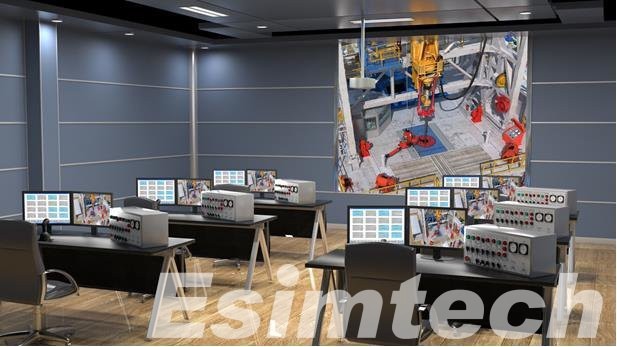
Key Differences Between VR-based and Full-size Physical Drilling Simulators
| Criteria | VR-based Drilling Simulators | Full-size Physical Drilling Simulators |
| Cost | Lower initial cost and maintenance | Higher initial cost and ongoing maintenance |
| Space Requirements | Requires minimal space, portable | Requires large physical space, stationary |
| Realism | High visual and auditory realism, but lacks full physical feedback | High realism, includes tactile feedback and physical interaction |
| Flexibility | Can simulate a wide range of scenarios, including rare or complex ones | Limited to pre-programmed scenarios and physical equipment |
| Immersiveness | Fully immersive virtual experience (visual, auditory) | Highly immersive physical experience with real equipment |
| Scenario Variety | Offers diverse, customizable scenarios, including rare situations | Limited by the equipment and pre-configured settings |
| Physical Interaction | Limited tactile feedback, no physical machinery operation | Real equipment interaction, physical sensations (vibrations, pressure) |
| Team-based Training | Can support team training through multiple VR stations | Supports team-based training in realistic group settings |
| Emergency Training | Effective for simulating emergencies and hazardous conditions | Best for high-stakes, real-life emergency response training |
| Maintenance and Upkeep | Low maintenance, updates mainly to software | Requires regular maintenance and calibration of physical components |
| Portability | Highly portable, can be moved to different locations | Not portable, requires a fixed facility setup |
| Adaptability | Easy to update scenarios, software upgrades | Less adaptable, requires physical adjustments for new rigs or equipment |
| Skill Development | Enhances cognitive and decision-making skills | Enhances muscle memory and real-world physical skills |
| Safety Training | Provides risk-free training for various hazardous scenarios | Realistic, hands-on emergency training without real risks |
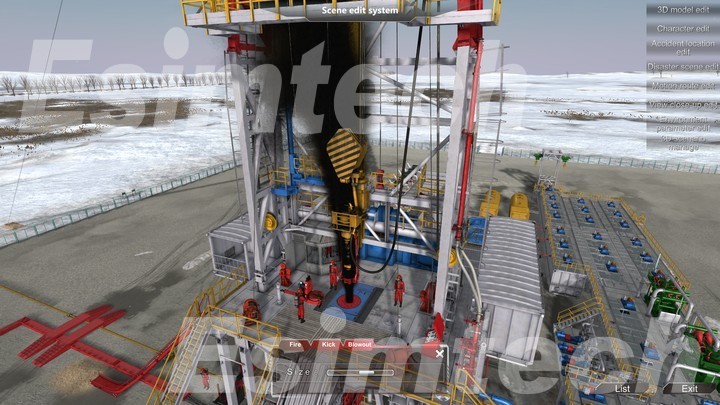
Key Factors to Consider for Choosing Between VR-based and Full-size Physical Drilling Simulators
When deciding between VR-based and full-size physical drilling simulators, several factors come into play that can guide the decision. These factors not only affect the training effectiveness but also influence the cost, scalability, and realism of the training experience.
1. Cost vs. Investment
One of the key considerations when choosing a simulator is cost. It is usually quite expensive to buy full-size models compared to VR-based models. The need for less initial investment is a big advantage of VR-based simulators and the user also has to pay for less maintenance. In contrast, full-size models may require more money to build and maintain due to many parts and mechanical things involved therein. This may actually lead to ruining the chances of smaller entities or those that provide small training budgets to buy it.
2. Space and Facility Requirements
At this juncture, the amount of space required for each type of simulator is fairly crucial to making decisions. Drilling simulators that are computer-based are actually rather minimalist and can be set up in smaller rooms or portable units. They are very minimal in terms of infrastructure, making them the best fit for organizations that have limited space, or organizations that wish to move their training equipment from one location to another. On the other hand, the higher fidelity simulators need a considerably large training area to sustain them. The setups are usually fixed and stationary and often, their overall bulk would make it impossible to move them around or put them to use at different places.
3. Realism and Immersiveness
The full-sized physical drilling simulation is second to none when it comes to realism. Such full size drilling equipment-mimicking machines and parts provide the tactile feel that candidates would normally encounter, while influencing their participation and involvement. When vibrations, weight, and movement are powerfully expressed in turbulence, this natural learning helps in the process. Simulating practical drilling knowledge initially helps in engaging participants in the learning process. Essential for the development of skills is a high level of immersion in situations where physical feedback from machinery is obvious for safer operations.
However, VR based drilling simulators provide a high level of interaction, significantly because of visual and auditory feedbacks, providing real, 3D simulation of drilling rigs and their environments. Nevertheless, they lack the feedback during actual operation. VR simulators are much effective from the cognitive skill, emergency response and decision-making aspect; however, they do not develop the physical sensitivity required for skill formation in real life operations in certain cases.
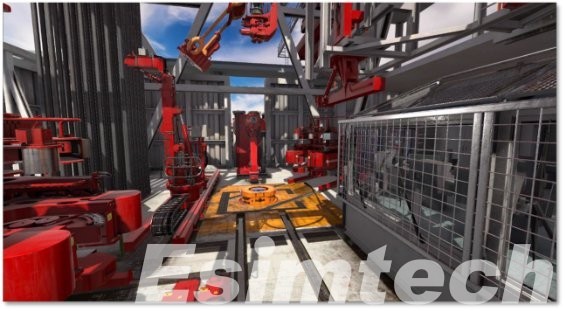
4. Training Flexibility and Scenario Variety
Flexibility in training scenarios is another significant factor in relation to the application of such training systems. Detailed, adaptable scenario construction with VR sets text into versatile parameters that can conveniently enhance or shape the VR environment around actual or unforeseen rig-floor situations. Specialized cases allow the development of specific situations such that trainees can witness a blowout or severe weather conditions-that might be tough to recreate in actual physical simulators. Considerations also consider well-advanced simulations to suit emergency training settings, possibly involving conditions-none or few-of which operators might find themselves in during the course of their drilling careers.
On the other hand, full-size physical simulators are made strictly of pre-programmed scenarios. Limited in its capacity to create what could ideally happen, these simulators are restricted to hands-on training, with consideration for the standard situation in simulating accidents on the floor in a comprehensible and detailed manner.
5. Team-Based vs. Individual Training
In training where the principle is that it should be based on team activities, a big, common sense would say that full-size drilling training simulators should do much better. These systems would tend themselves much better to the process of training whole crews in sync-with team drills’ simulations, hence, in the same setting, trainees would be required to solve problems of communication, leadership, and team building. Daily operations that, by and large, are run by the trainees themselves in this simulation suggest to the teacher many other occasions for imparting the crucial importance of maintaining good team dynamics, practicing safety drills, and learning how to respond to emergencies where multiple players need to act together.
Although VR drilling simulators can present facilities for training teamwork, they operate, for the most part, from individual locations, where each trainee learns what to do in continues but the trainee has limited opportunity for putting these acquired skills to use in the absence of the others.
6. Adaptability and Scalability
One of the greatest advantages of a VR-based drilling simulator is that it can be adapted easily. Its software can be constantly upgraded to include new drilling rigs, technologies, or methods; and not only software upgradation, hardware upgradations will keep the system up-to-date and thus it can also continuously improve. This makes VR-based simulators perfect for those industries looking for the flexibility of adapting to and catering to any changes in training needs due to advancements in drilling technology by now.
Conversely, full-size physical drilling simulators are quite optioned, but they show little adaptation. It would require physical alternations to adopt new technologies or classify new equipment. This method is costly and time-consuming. Furthermore, these simulators are typically developed for specific equipment and drills codes, making them non- generic as compared with the VR ones.
7. Maintenance and Upkeep
Maintenance is yet another significant factor. VR-based drilling simulators hold the edge over full-size conventional simulators when it comes to to low maintenance. Since this technology is based on software and electronics and not mechanical systems, number of repairs and calibrations are reduced. In the long run, this saves financial resources, which is beneficial for companies updating their training programs often or adopting new simulators.
As opposed to VR technology, full-size physical simulators require high maintenance costs. Titrations require frequent dial-up, signal servicing, and potential repairs-again, with maintenance costs that can consume resources and incur significant expenses.
8. Safety and Risk Management
Safety is a great issue in the oil and gas industry, and both VR simulators and full-size simulators have made major strides toward safety. The advantage of VR is that it affords an entirely safe, risk-free environment for trainees to practice emergencies, such as well blowouts or equipment failures, without jeopardizing themselves, the equipment, or the environment. A person is given the chance to err without any consequences, hence directly contributing to training of how to handle high-stress situations.
While full-size drilling simulators also provide a safe training environment, they offer the added benefit of helping trainees develop physical skills and muscle memory that are essential for safe and efficient operations on a real rig. Handling actual equipment also teaches the trainee how to recognize safety issues and operates efficiently with these thoughts.
Summary
- VR-based drilling simulators really indicate cost effectiveness, flexibility, and scalability; they are very good for those organizations in the need of diverse training requirements that are fluent in changing dynamic scenarios. Better in cognitive and emergency response training, they do not provide the muscle feedback for muscle memory.
- Head and heels above any other simulator available today, full-size physical drilling simulators provide unparalleled realism and tactile interaction with actual drilling equipment, making them indispensable for developing physical skills, teamwork and real-world responses to operational drilling challenges. The high-fidelity drilling simulator is best for organizations that need a high level of fidelity in training and have the budget and infrastructure to support these large-scale systems.
For sure, mostly both types of drilling simulators will best compliments together for some specific real-life scenarios to be efficiently exploited.
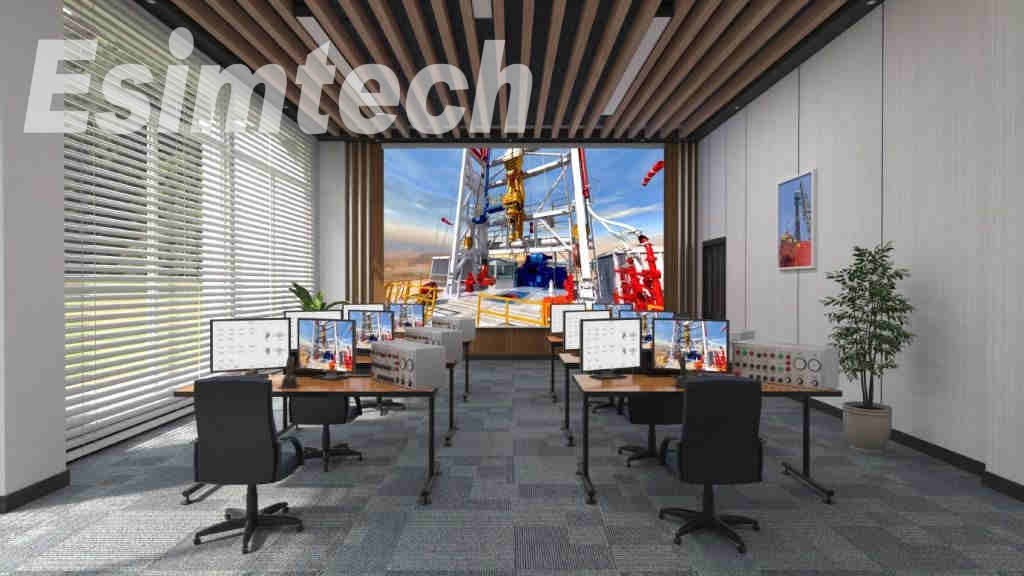
Esimtech provides high-quality VR-based and full-size physical drilling simulator, ensuring cutting-edge technology and unmatched realism for training in the oil and gas industry. VR simulators offer realistic and cost-effective training through an artificial controlled environment while full-size physical simulators replicate real-world conditions for hands-on experience.
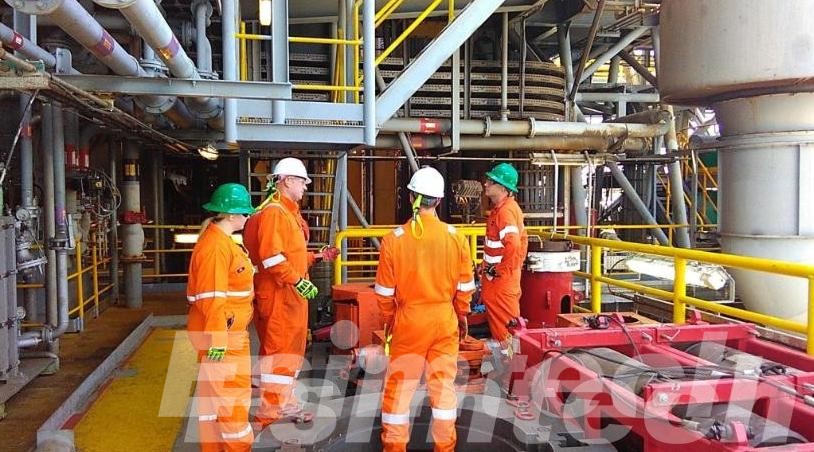
Esimtech Offshore Drilling Simulator
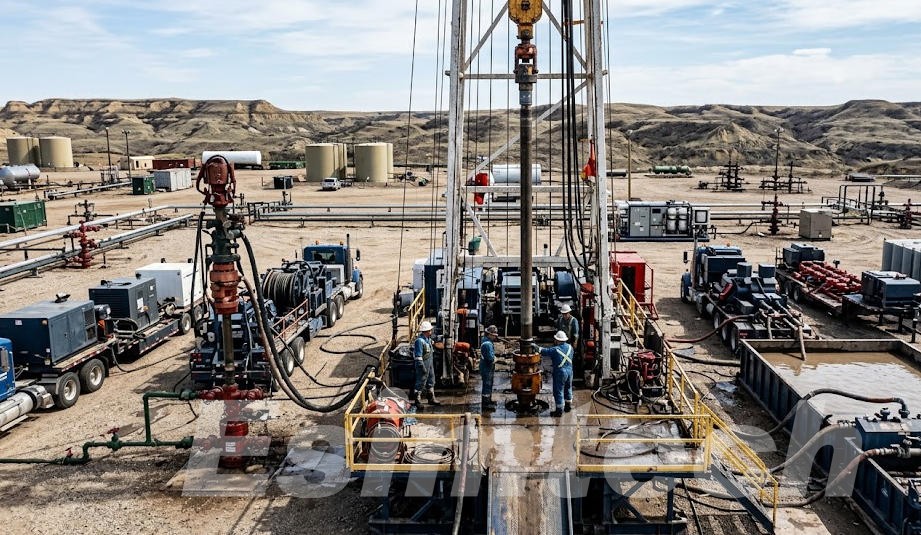
Esimtech Onshore Drilling Simulator