What Determines Oil Transportation Efficiency and Safety

Written By: Computer Science Professor
Deeply rooted in the R&D of simulators for the oil and gas industry, committed to bringing safety to every oil worker.
Oil transportation is a key link in the world energy system. It moves oil from fields to refineries, then to storage sites, ports, and finally to end users. Crude and finished fuels can travel by pipeline, ship, train, or truck. Transportation efficiency and safety directly affect operating costs, delivery reliability, environmental protection, and overall supply chain performance.
At the same time, oil transportation is not simple. Weather can shift without warning. Equipment can age and fail. Pipelines can corrode. People can make mistakes. Spills are always a threat. To improve transportation performance, a comprehensive approach that combines suitable infrastructure, advanced monitoring technologies, effective operational management and strict safety procedures is required.
Understanding what determines oil transportation efficiency and safety helps operators choose a suitable transportation method, cut practical risks and keep delivery dependable.
Why Oil Transportation Efficiency and Safety is Important
Oil transportation efficiency is about sending crude or refined products to the right place with low cost and little wasted time. It also means fewer delays and less loss of product. Key factors include how much the system can carry, how often gear breaks, how routes are set up, fuel use, and how well the supply chain steps work together.
Oil transportation safety means protecting workers, gear, nearby neighborhoods, and the natural world. It covers what happens in transport, storage, and during loading and unloading. The aim is to stop leaks, fires, blasts, crashes, and other trouble that can arise along the way.
Efficiency and safety are tied together. When equipment is dependable, work is less likely to stop, and leak risk can drop too. Good route choices can improve delivery timing and also help crews steer clear of dangerous areas. Live data and monitoring can support better day to day decisions and can flag safety issues earlier.
The target is a system that delivers oil on schedule. It should keep costs reasonable and lower real operational hazards.
Key Factors Affecting Oil Transportation Efficiency and Safety
1. Transportation Method and Infrastructure
The choice of oil transportation method is one of the most important factors affecting oil transportation efficiency and safety. Different methods have different capacities, costs, operational requirements, and risk profiles.
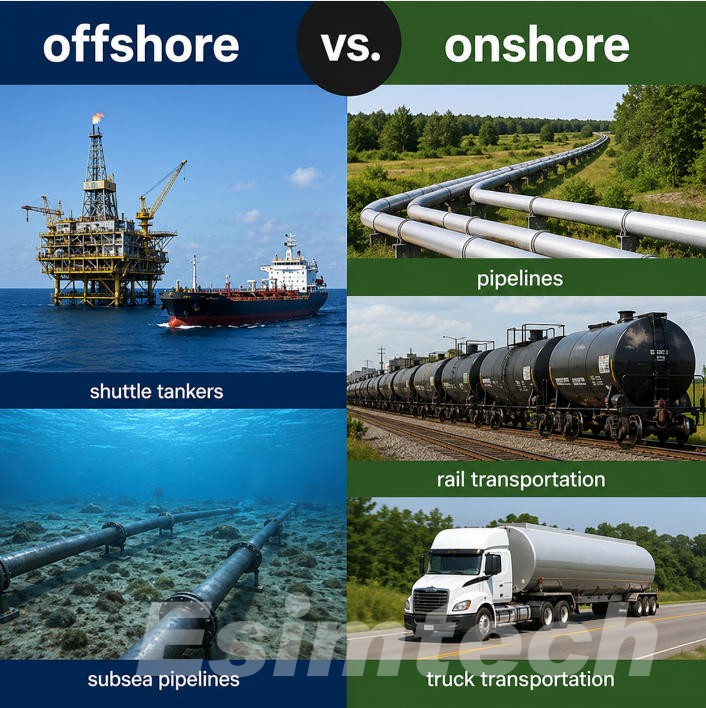
Oil Transportation Method Comparison Chart
| Transportation Method | Efficiency | Safety Considerations | Main Advantages | Main Limitations |
| Pipeline | High for continuous, large-volume transportation | Corrosion, leakage, pressure surges, and difficult-to-detect damage | Continuous flow, high capacity, relatively low operating costs over long distances | High initial investment, fixed routes, and ongoing inspection requirements |
| Oil Tanker | High for large-volume international transportation | Collision, grounding, severe weather, oil spills, and cargo transfer risks | Large carrying capacity, suitable for international trade, and flexible maritime routes | Weather-dependent schedules, port congestion, and potential environmental damage |
| Rail | Suitable for medium-to-large volumes over established rail networks | Derailment, tank-car leakage, and transportation accidents | Flexible routing compared with pipelines and suitable for inland distribution | Rail network constraints, terminal handling requirements, and accident exposure |
| Road Tanker Truck | Suitable for short-distance and regional deliveries | Traffic accidents, vehicle failures, leakage, and driver fatigue | High route flexibility, door-to-door delivery, and access to remote locations | Lower capacity per vehicle, higher labor and fuel costs per unit over long distances |
| Barge / Inland Waterway | Efficient for bulk transport along navigable rivers and canals | Grounding, collisions, waterway restrictions, and spill risks | Large cargo capacity and potentially low transportation costs per unit | Limited geographic coverage, slower transit, and dependence on water levels and navigability |
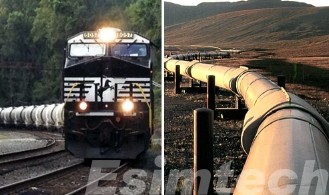
Key Factors for Selecting an Oil Transportation Method
| Selection Factor | What to Evaluate | Impact on Efficiency and Safety |
| Transportation distance | Total route length and available infrastructure | Influences transit time, operating costs, and suitable transportation modes |
| Oil volume | Daily throughput and shipment size | Determines required capacity and equipment utilization |
| Oil properties | Viscosity, volatility, temperature sensitivity, and product compatibility | Affects pumping requirements, containment, and handling procedures |
| Infrastructure availability | Pipelines, ports, rail terminals, roads, and storage facilities | Determines accessibility and transfer complexity |
| Environmental conditions | Weather, terrain, water levels, and natural hazards | Affects route reliability, equipment requirements, and accident exposure |
| Safety requirements | Applicable regulations, inspection systems, and emergency response capability | Helps control operational risks and environmental consequences |
| Total cost | Capital investment, fuel, maintenance, labor, and handling expenses | Supports long-term cost-effectiveness rather than focusing only on initial costs |
- Pipelines are often suitable for continuous, high-volume flows.
- oil tankers are essential for international bulk shipments.
- Rail, road tankers, and inland waterway transport provide alternatives where pipelines or seaports are unavailable or where distribution flexibility is needed.
2. Equipment Quality and Maintenance
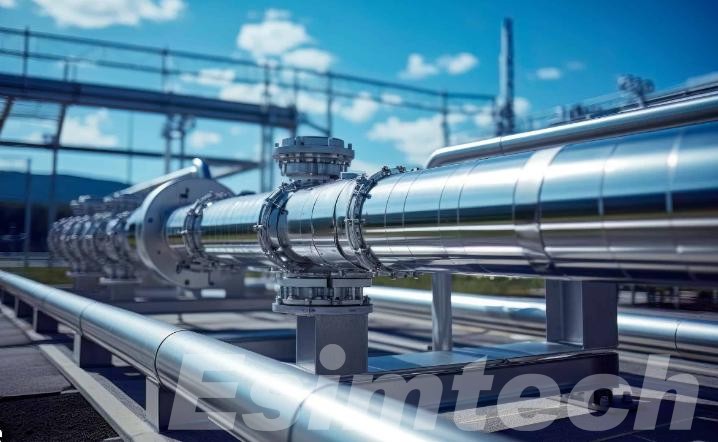
How well oil transportation equipment holds up affects both speed and risk. Pumps, pipelines, valves, hoses, storage tanks, loading arms, and fittings have to handle pressure changes, heat swings, vibration, and the chemical traits of the oil.
In pipeline networks, corrosion, small cracks, seepage, and pressure that goes too high can halt flow. They can also create major environmental harm. In tankers and loading sites, issues like torn hoses, old seals, bad valves, or weak transfer hookups can cause leaks while loading or unloading.
Preventive maintenance is important. Staff should set inspection timing by looking at the machine’s current state, its past run data, maker guidance, and the safety rules that apply. Using non-destructive testing, checking for corrosion, running pressure tests, and doing equipment condition checks can catch early issues. That way, problems are found before they turn into breakdowns.
Condition-based work and predictive maintenance can add more value. Sensors can show shifts in vibration, temperature, pressure, or other signals that do not look normal. When those signs appear, teams can act sooner.
Buying dependable equipment and keeping up with maintenance on time helps in several ways. It cuts surprise shutdowns. It reduces product losses. It also makes accidents less likely.
3. Oil Properties and Operating Conditions
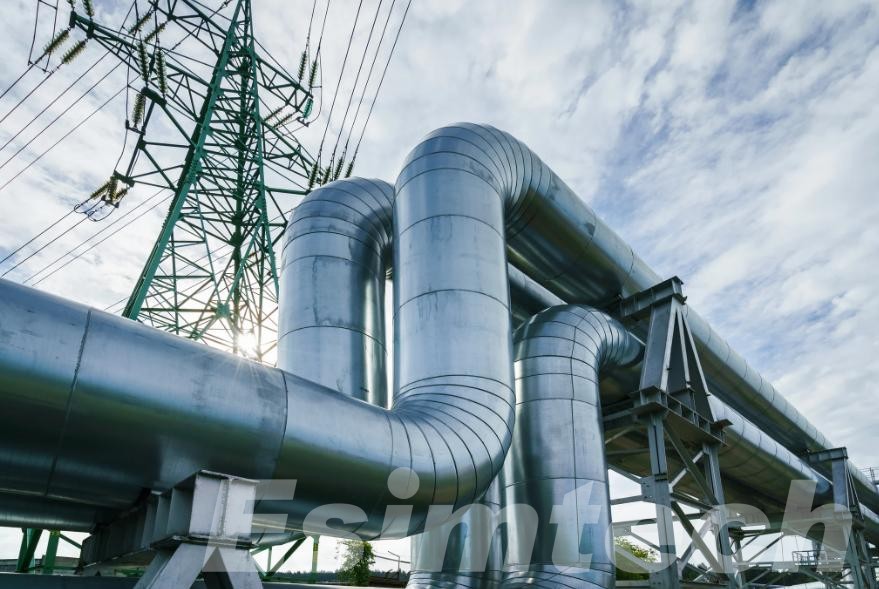
Oil traits and how the system is run affect transport safety and ease. The physical and chemical properties of oil shape flow behavior. They can change pumping needs, storage setup, and how teams choose equipment. Key factors include viscosity, density, temperature, vapor pressure, and impurities.
Thick crude oil usually has higher viscosity than light crude oil. In similar operating conditions, the thicker oil needs more power to move through pipelines. Depending on the crude type and system design, teams may heat the oil. They may also use the right pumping layout or approved ways to lower viscosity. The goal is steady, efficient flow.
Temperature control matters too. Cold conditions can raise viscosity. Some waxy crudes may form deposits inside pipelines. On the other hand, too much heat can stress equipment. It can also raise day-to-day risk during operation.
Pipeline, pump, tank, and transfer equipment all have limits. Pressure should stay within those design bounds. Too little pressure can lower flow rates. Too much pressure can damage gear. It can also lead to leaks or rupture. Rapid flow changes can create pressure spikes. Quick valve moves or pump shutdowns can trigger water hammer or other surge pressure effects.
Teams that know oil characteristics and keep operating conditions in range can use less energy. They can also protect the transport lines.
4. Route Planning and Environmental Conditions
Route choice affects delivery timing, fuel use, operating cost, and accident risk. A good plan should weigh distance, hauling limits, local infrastructure access, geography, weather, traffic, and possible environmental hazards.
For oil tankers, route planning must also cover water depth and navigation limits. Port crowding matters, too. Vessel traffic should be reviewed, along with the forecast. High winds, rough seas, poor sightlines, and storms make navigation harder. They can also disrupt cargo transfer work.
Terrain, seismic risk, flooding potential, landslide hazards, and nearby sensitive habitats can affect how a route is chosen, what the engineers must design, what gets inspected first, and how emergency teams plan their actions.
Rail and road teams also have to deal with daily traffic, limits on bridges and tunnels, whether a path is usable for heavy loads, and how quickly responders can reach the scene.
Systems that provide live weather updates, use geographic mapping tools (GIS), track vessels, and run route planning software can support smarter choices. Even so, route planning must not cut into safety rules. A faster or shorter path is not always the safest or the cheapest once all operating risks are reviewed.
5. Monitoring Technology and Automation
Today’s monitoring tools matter more than before for oil movement efficiency and for safety. They help teams spot odd conditions, act when new threats appear, and make choices using actual operating data.
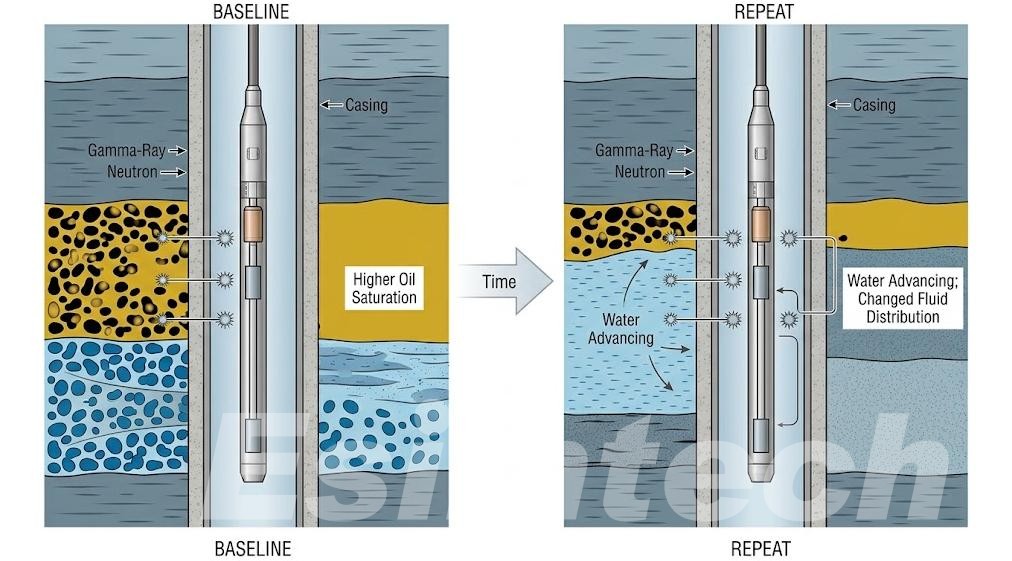
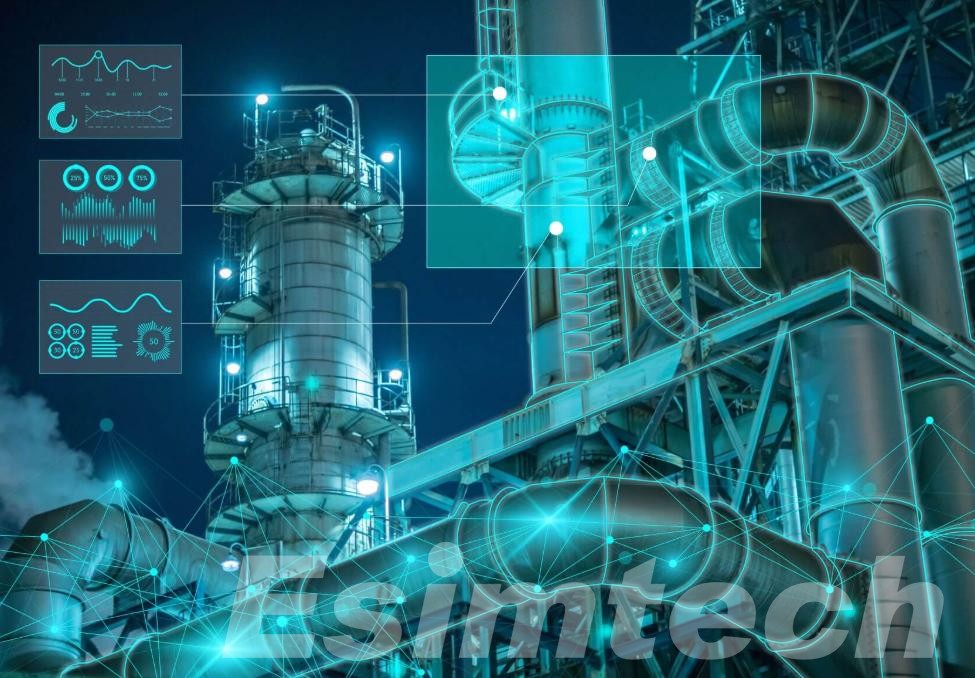
In pipeline work, pressure sensors, flow meters, temperature sensors, and automated control equipment support steady flow and routine checks. Supervisory Control and Data Acquisition (SCADA) systems can pull data from far sites and show it to staff, which helps them notice odd pressure shifts, flow mismatches, and possible equipment faults.
Leak checks can use pressure and flow comparisons, computer based monitoring, acoustic sensors, fiber-optic sensing, or other options. The right setup depends on the pipeline layout and the operating surroundings. Since no single method finds every leak in every situation, teams must pick the right mix and verify it works.
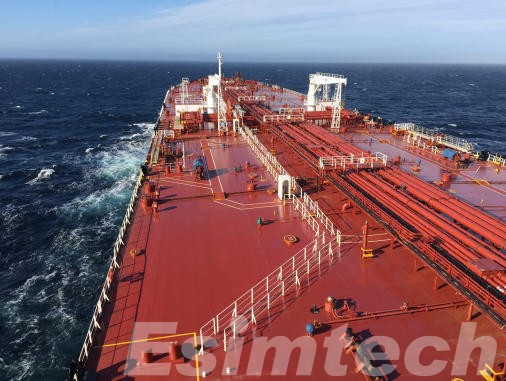
For ships, Automatic Identification System (AIS) reports, radar, electronic navigation aids, engine monitoring, and cargo management tools support tracking, navigation, and day-to-day control.
Automation can cut repetitive work and speed up responses. Still, these tools need routine checks, protection from cyber threats, clear backup steps, and staff who are trained to take over if something fails.
When real-time monitoring is paired with careful decisions, operators can reduce avoidable delays, use assets better, and keep risk under tighter control.
By combining real-time monitoring with effective decision-making, operators can reduce unnecessary delays, improve asset utilization, and strengthen risk control.
6. Loading, Unloading, and Cargo Transfer Procedures
Loading and unloading are key parts of oil transportation. They require hookups to transfer gear, control of the fluid path, and coordination between people who work across different systems.
At terminals and ports, issues like wrong hose hookups, fittings that do not match, worn or damaged seals, valve steps done in the wrong order, too much product added, and poor radio or phone communication can lead to spills, equipment damage, or injuries.
A safe cargo transfer starts before any product moves. First, inspect the equipment. Then confirm the product is compatible with the system. Next, check the transfer path from start to finish. Finally, verify valves, pressure limits, and the emergency shutdown setup. Before pumping or moving anything, staff should agree on how they will communicate.
While the transfer is running, watch flow and pressure all the time. Keep both within the approved range. Check tanks so they do not fill past the safe level. Also look at transfer joints for leaks. Make sure hoses or connections do not shift in an odd way. Keep emergency shutdown gear and spill containment tools ready. Confirm they work and stay in good condition.
For marine transfers, mooring is not optional. Lines, bollards, chocks, and fairleads must fit the vessel and the expected loading plan. They must also handle the forces that will occur during the operation. If mooring is done poorly, the vessel can move more than expected. That extra motion can strain loading hoses and other marine transfer connections.
Using repeatable methods, having trained staff, and using the right transfer hardware can cut down the time spent on handling. It also helps prevent incidents that could have been avoided.
7. Personnel Training and Operational Management
Even good equipment does not remove all transportation risk. People-related issues often play a major role. Examples include weak training, fatigue, bad communication, breaking written rules, and slow or late decisions. These issues can reduce how well the operation performs.
Personnel involved in oil transportation should know how to operate the equipment. They should also know what to do for emergency shutdown. They must be able to spot hazards and respond to spills. They should understand the occupational safety rules that apply. In some cases, extra instruction is needed for pipeline control, tanker navigation, cargo transfer, hazardous-area work, and maintenance tasks.
Responsibility and communication must be clear across the whole chain. This includes vessel crew, terminal staff, pipeline control rooms, maintenance teams, and emergency responders. When roles are clear, misunderstandings drop.
Management should use a set of controls that can be checked. These controls include written procedures, risk reviews, incident logs, safety drills at set times, and ongoing checks of performance. Looking at near misses and past events can show gaps early, before they turn into bigger losses.
A positive safety culture matters. It encourages staff to report hazards and stop unsafe work. They should feel safe doing so and not fear harsh punishment. This supports dependable operations and better results over time.
8. Regulatory Compliance and Environmental Protection
Oil transportation must follow required rules from within each country and from international agreements. These rules cover equipment condition, vessel safety, pollution prevention, worker protection, and emergency readiness. When operators comply, they can keep safety practices consistent. Compliance also reduces the chance of legal trouble, major costs, and harm to the environment.
Marine crude transport can fall under MARPOL, which covers rules meant to stop pollution from ships, including oil releases. SOLAS also applies to ships in its reach and sets key safety duties.
Pipeline teams must follow national laws, engineering rules, inspection steps, and the environmental permits tied to their sites and work.
Environmental safeguards often use more than one layer. Common items are secondary containment, leak monitoring, spill response gear, drainage controls, waste handling, and planned coordination for emergencies with nearby authorities.
You should not view compliance as a task you finish once. Rules can shift, operating realities can change, and industry norms evolve. Because of that, operators need routine checks and frequent updates to their procedures.
Staying ahead can lower the odds of fines, delays in service, and expensive cleanup. It also helps keep nearby communities and local ecosystems safer.
9. Cost Management and Transportation Scheduling
Oil transportation results depend on how operators run resources, track costs, and keep delivery times on target. Costs can rise when fuel burn is high, pumping is not efficient, vessels or crews wait too long, equipment sits idle, or cargo gets moved too many times.
Pipeline operators can cut energy use by running pumps in a better way, holding flow rates within the right range, avoiding unnecessary pressure losses, and limiting shutdowns and restarts that are not required.
Marine operators can raise vessel use by planning voyages well, managing fuel carefully, coordinating port calls, and reducing idle time at port. Still, any fuel or speed plan must match navigation safety and the rules that apply.
Better demand forecasts also help. When production sites, storage terminals, refineries, and transport providers share plans, they can avoid congestion and reduce extra inventory moves.
Common metrics include cost to transport per unit of oil, energy use per unit shipped, on-time delivery rate, equipment uptime, unplanned stoppages, spill count, and how severe incidents get.
These metrics should be reviewed as a group. A drop in transport cost may not be real progress if it comes from delaying upkeep, cutting required inspections, or tolerating higher safety exposure.
10. Emergency Preparedness and Risk Management
Oil transportation systems must be prepared for unexpected events, including pipeline ruptures, Oil transport systems must be ready for surprise events. This includes pipeline breaks, tanker collisions, equipment malfunctions, fires, severe weather, and oil spills.
Effective emergency preparedness for oil transportation starts with spotting credible hazards and judging what they could lead to. Then operators should build response plans that spell out who does what, how people contact each other, what to do during shutdown, how to contain releases, when to evacuate, and how to work with local emergency teams.
Oil pipeline systems may limit released oil by using isolation valves that act on their own or can be controlled from a distance. Marine sites often depend on emergency shutdown controls, spill barriers and other containment tools, oil recovery supplies, and agreed vessel and terminal response steps.
Practice sessions matter. Regular drills show whether staff know their roles. They also show whether radios, signals, and emergency gear work the way they should. Plans should also cover situations where normal power fails, links between teams break, or automated control systems go offline.
After an event, a planned investigation should sort out what happened right away, what else added to the problem, and what fixes are needed. Teams can use those results to revise maintenance work, update operating steps, and refresh training so the same issues do not repeat.
No plan can remove every risk. Still, good preparedness can lessen the impact of an incident and speed up the return to normal operations.
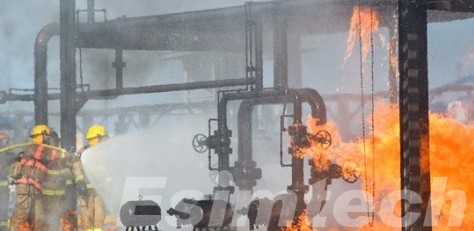
Why Use Simulation Technologies for Improving Oil Transportation Efficiency and Safety
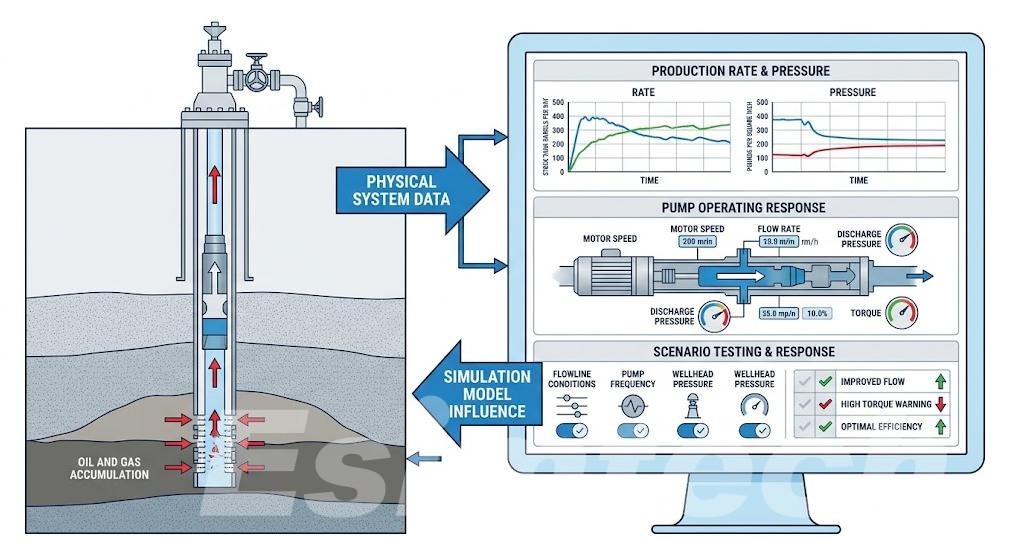
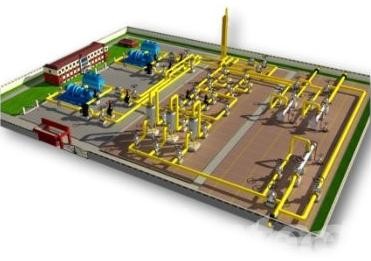
Oil and gas simulation technologies help model transportation systems, evaluate operating conditions, identify potential hazards, and test operational strategies in a controlled virtual environment. By simulating pipelines, tanker operations, cargo handling, and emergency scenarios, operators can improve decision-making without exposing personnel or physical equipment to unnecessary risks.
| Simulation Technology | How It Works | Benefits for Transportation Efficiency | Benefits for Transportation Safety |
| Pipeline Flow Simulation | Models oil flow, pressure distribution, temperature changes, and pumping performance under different operating conditions | Optimizes flow rates, reduces energy consumption, and improves pipeline throughput | Identifies abnormal pressure conditions and helps assess potential pipeline failure risks |
| Route Planning Simulation | Simulates oil and gas transportation routes based on distance, terrain, weather, traffic, and infrastructure constraints | Helps select efficient routes and reduce transportation time and costs | Identifies hazardous route segments and supports risk-informed route selection |
| Oil Tanker Operation Simulation | Models vessel navigation, cargo movement, loading and unloading, and port operations | Improves voyage planning, cargo handling efficiency, and port scheduling | Helps personnel practice navigation and cargo operations under challenging conditions |
| Loading and Unloading Simulation | Reproduces transfer procedures, flow control, valve operation, tank filling, and equipment interactions | Reduces handling delays and improves coordination between operators | Helps prevent overfilling, incorrect valve sequences, and transfer-related incidents |
| Emergency Response Simulation | Models pipeline leaks, oil spills, equipment failures, fires, and emergency shutdown scenarios | Helps develop response plans that minimize downtime and operational disruption | Trains personnel to recognize hazards, isolate affected systems, and coordinate emergency responses |
| Equipment Failure Simulation | Simulates pump malfunctions, valve failures, pipeline blockages, and sensor abnormalities | Helps optimize maintenance schedules and reduce unexpected interruptions | Improves understanding of failure mechanisms and supports preventive risk control |
| Weather and Environmental Simulation | Models the effects of storms, extreme temperatures, flooding, waves, and other environmental conditions | Supports better scheduling and contingency planning | Helps assess environmental exposure and prepare for hazardous operating conditions |
| Personnel Training Simulation | Uses virtual reality (VR) training simulators, interactive scenarios, or digital models to reproduce operational tasks | Improves operator proficiency and reduces training-related interruptions to live operations | Allows personnel to practice high-risk procedures without directly encountering real-world hazards |
| Digital Twin Applications | Combines a virtual representation of an asset with operational data from sensors and monitoring systems | Supports performance optimization, condition assessment, and predictive maintenance | Helps identify developing abnormalities and evaluate possible corrective actions |
| Risk Assessment Simulation | Tests different failure scenarios, operating parameters, and risk-control measures | Helps prioritize investments and avoid inefficient operational decisions | Evaluates potential incident consequences and supports stronger preventive measures |
Final Thoughts
Oil transportation efficiency and safety are determined by a combination of transport method choice, the condition of infrastructure, how well equipment is maintained, the properties of the oil, weather and site conditions, monitoring tools, cargo transfer steps, staff skill, rule compliance, and emergency readiness.
These factors are interconnected. Reliable equipment helps keep operations moving. Solid monitoring can flag risk sooner. Well-trained personnel carry out procedures the right way. At the same time, better route planning and energy use can raise efficiency while still protecting safety.
As the oil and gas sector brings in more automation, digital monitoring, predictive maintenance, and data-driven planning, , there are more chances to make transportation more dependable and to lower environmental harm. The best approach is to bring these technologies together with good engineering, disciplined operational management, and a real safety culture. Simulation technologies help when they are integrated with dependable operating records, real field checks, and established safety procedures. With trained staff and solid procedures in place, better choices will be made.