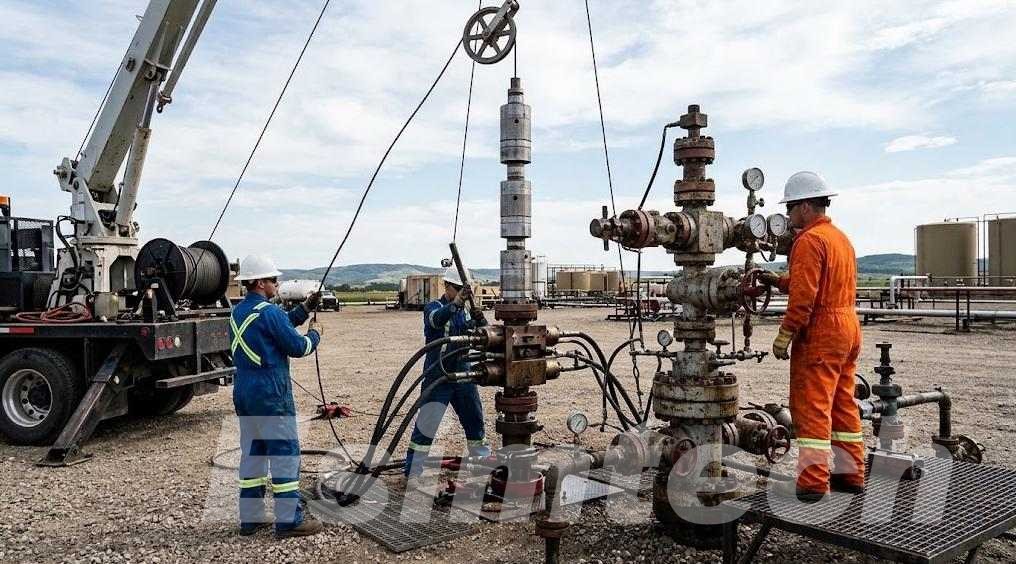
Surface vs. Subsea Blowout Preventers: 9 Key Differences
Blowout preventers (BOPs) are necessary well control devices used on drilling rigs to prevent oil, gas, or drilling mud releases, thus preventing well disasters and spills. They work by detecting unexpected well pressure and rapidly closing the well. This helps protect people, drilling equipment, and the surrounding offshore environment.
Blowout preventers are split into two major types: surface blowout preventers and subsea blowout preventers. Although both systems perform the same fundamental well-control function, they differ significantly in installation location, structural configuration, operating methods, control systems, maintenance requirements, and applications.
Understanding these differences is important for drilling contractors, equipment manufacturers, and oilfield operators when selecting suitable well-control equipment for different drilling projects.
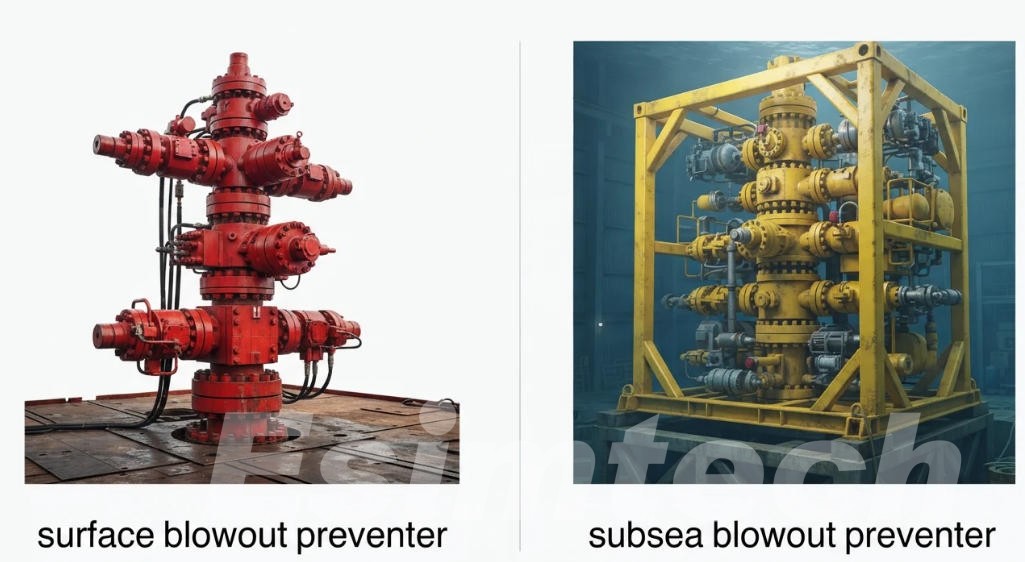
An Overview of a Surface Blowout Preventer
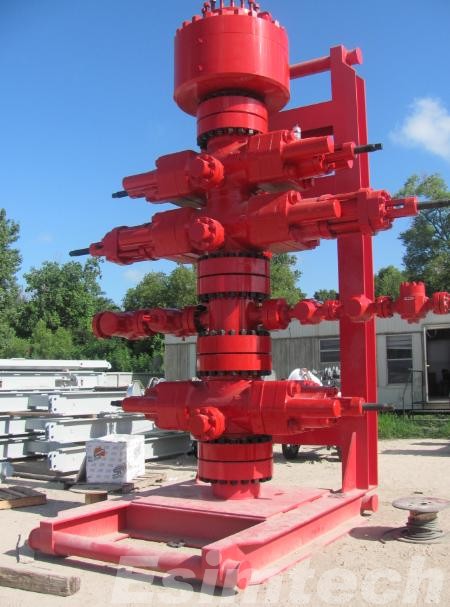
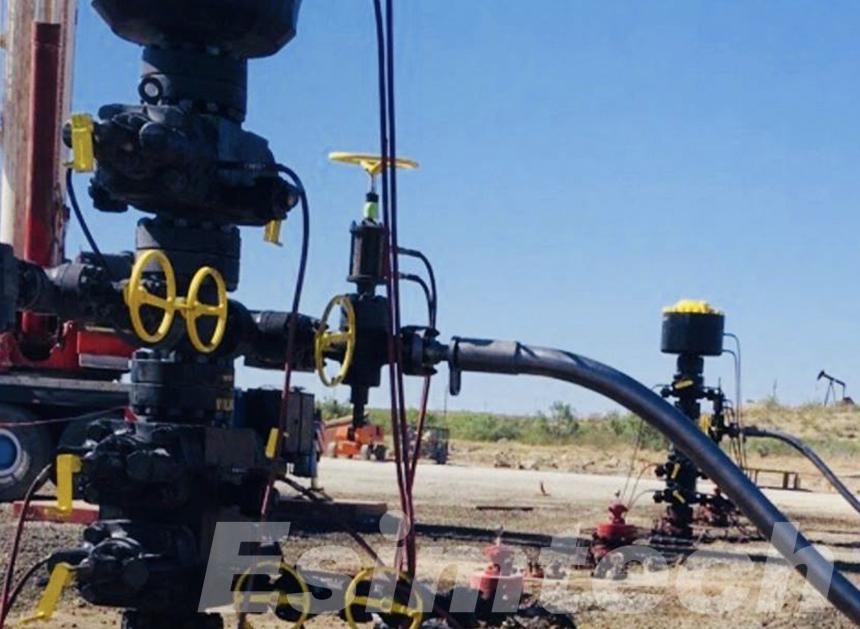
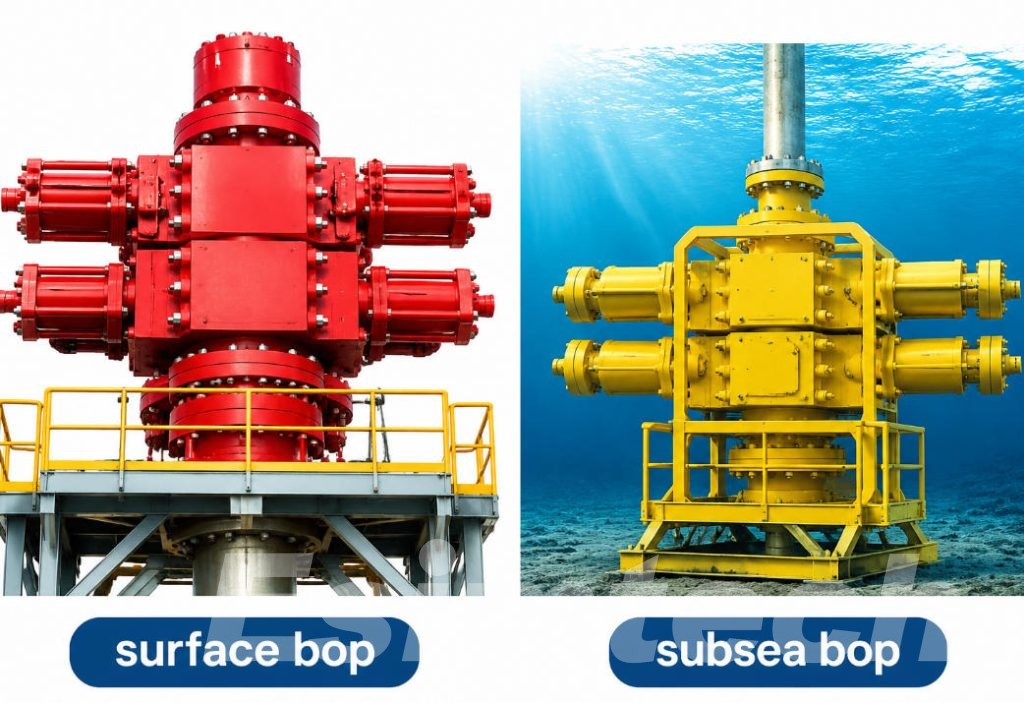
A surface blowout preventer is a well-control device installed directly above the wellhead at the surface of a drilling location. It is commonly used in land-based drilling operations and certain offshore drilling applications where the wellhead is located at or above the waterline.
Surface BOP systems typically consist of multiple preventer components, including annular preventers and ram-type preventers. These components work together to seal the wellbore under different operating conditions.
When abnormal formation pressure causes an influx of formation fluids into the well, the BOP system can be activated to close the well and prevent a blowout. Depending on the equipment configuration, it can seal around the drill pipe, close an open wellbore, or shear and seal the drill string using a suitable shear ram.
Surface BOPs are generally easier to access for inspection, maintenance, and equipment replacement because they are installed above ground or at an accessible surface location.
An Overview of a Subsea Blowout Preventer
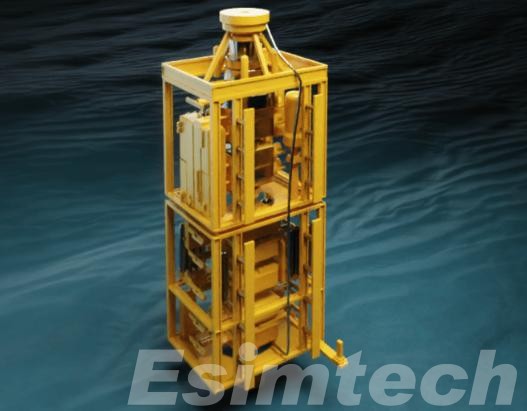
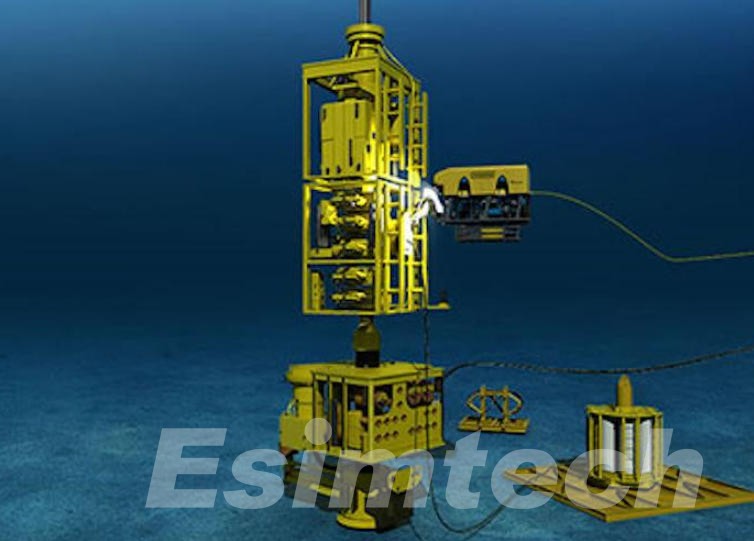
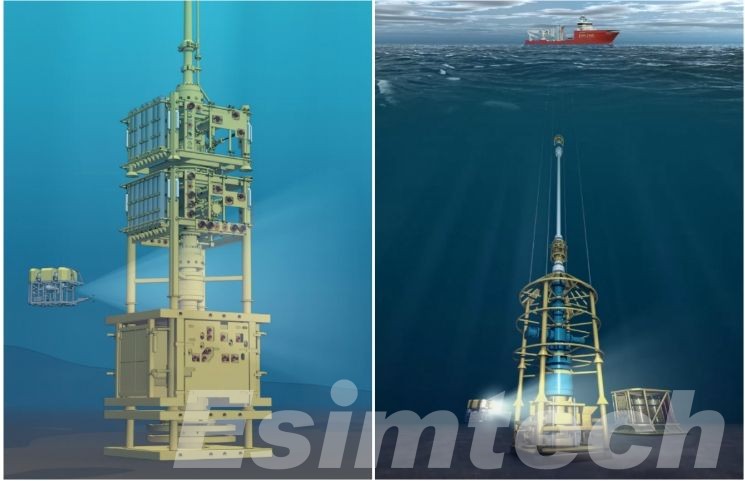
A subsea blowout preventer is a type of well control equipment installed directly over a subsea wellhead, usually in deep sea and offshore drilling operations where the wellhead is at the bottom of the sea.
As the name implies, subsea BOP systems work on the seafloor and have to withstand difficult environments. These systems are corrosion and pressure resistant, and have a tolerance for low temperatures.
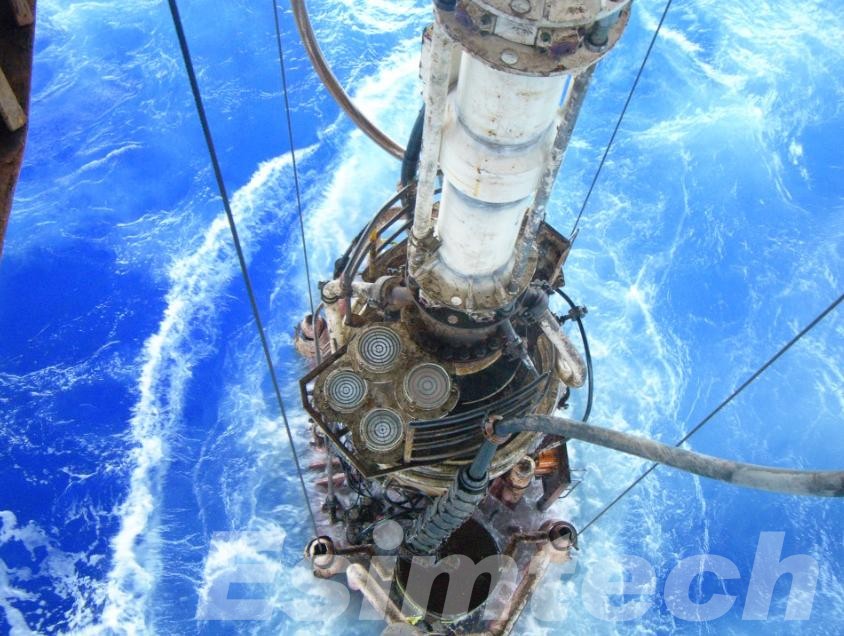
Subsea blowout preventer stacks are attached to a drilling vessel via a marine riser system. The riser also provides the drill string and drilling mud a channel to the subsea wellhead from the rig.
These sophisticated control systems use both electrical and hydraulic systems to remote-control well control operations and preventer activities from the surface drilling vessel.
Key Differences Between Surface and Subsea Blowout Preventers
1. Installation Location and Operating Environment
One of the most obvious differences between surface and subsea BOPs is their installation location.
Surface Blowout Preventers
The installation and the environment in which surface BOPs operate is accessible and observable to personnel on the surface. These systems are most commonly used in onshore drilling operations, as well as offshore applications where the wellhead is located above the water. Surface BOPs also are easier and less costly to maintain, inspect and test since their location is above ground and on or near the drilling rig.
Subsea Blowout Preventers
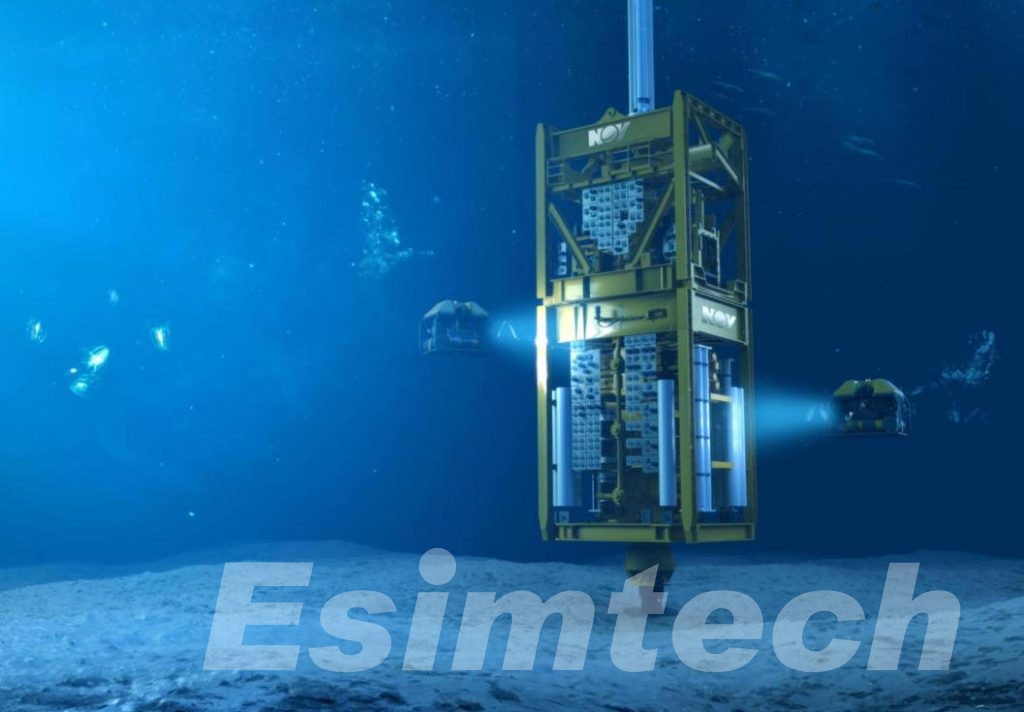
Subsea BOPs are located on the seafloor to control subsea wellheads. Their primary use is with floating rigs, such as drillships and semisubmersibles. Unlike surface BOPs, subsea BOPs operate in challenging environments with high hydrostatic pressure, low temperatures and exposure to the corrosive nature of seawater. Subsea BOPs are also much more difficult and costly to inspect and maintain due to their location below the sea.
2. Structural Configuration and Main Components
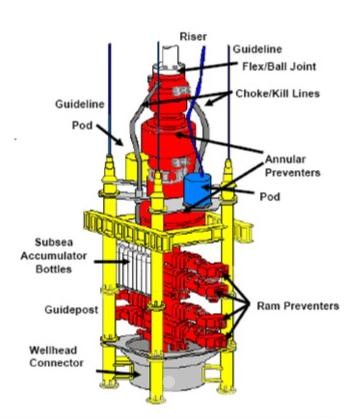
Although both surface and subsea BOPs include some of the same main components (e.g., annular preventers, pipe rams, blind rams, and shear rams), they have a different overall design.
Surface BOP systems have fewer, more simple components to install above the wellhead.
Subsea BOP systems have a greater complexity, requiring additional equipment for installation and operation away from the wellhead. Some examples of these are hydraulic control pods, subsea connectors, control lines, accumulators, and emergency disconnect systems.
| Comparison Factor | Surface BOP | Subsea BOP |
| Basic structure | Relatively straightforward BOP stack | More complex integrated subsea stack |
| Annular preventer | Included | Included |
| Ram preventers | Pipe rams, blind rams, and configured shear rams | Pipe rams, blind rams, and configured shear rams |
| Hydraulic accumulators | Surface-accessible hydraulic supply | Subsea hydraulic energy storage and supply |
| Control pods | Surface control arrangement | Redundant subsea control pods are commonly used |
| Connectors | Surface wellhead connections | Specialized subsea connectors |
| Emergency disconnect | Configuration-dependent | Typically incorporates an emergency disconnect system for floating drilling operations |
| Marine riser | Not normally required for land drilling | Connects the subsea BOP to the floating rig |
3. Operating Principles and Control Methods
Another important difference is how the two systems are operated.
Surface BOP Operating Principle
Surface BOPs typically use hydraulic systems to activate annular and ram preventers. When abnormal well pressure or an influx is detected, the drilling crew follows established well-control procedures to close the appropriate preventer.
The hydraulic control system supplies the pressure needed to operate the preventers. Because the equipment is installed at an accessible location, operators can directly inspect the system and monitor its operating condition.
Subsea BOP Operating Principle
Subsea BOPs rely on remote control systems to perform well-control functions. Commands are transmitted from the drilling rig to subsea control pods through dedicated hydraulic and electrical communication systems.
When a well control event occurs, operators can remotely activate the required preventer functions. The system may also support emergency disconnect operations, allowing the drilling vessel to separate from the subsea well system under specified conditions.
The additional control requirements make subsea BOP operation more technically complex than surface BOP operation.
4. Pressure and Environmental Resistance
Both surface and subsea BOPs must withstand demanding pressure conditions. However, subsea systems face additional environmental challenges because they are installed underwater.
Surface BOPs are designed primarily to withstand internal well pressure, operating temperatures, and the environmental conditions associated with their installation location.
Subsea BOPs must withstand internal well pressure as well as external hydrostatic pressure from the surrounding seawater. They also require suitable materials and protective measures to resist corrosion, low temperatures, and long-term exposure to marine environments.
| Performance Factor | Surface BOP | Subsea BOP |
| Internal pressure resistance | Designed according to well pressure requirements | Designed according to well pressure requirements |
| External pressure | Generally atmospheric or installation-specific | Must withstand seawater hydrostatic pressure |
| Temperature conditions | Depends on surface environment and well conditions | Must accommodate underwater temperatures and well conditions |
| Corrosion protection | Depends on installation environment | Requires protection against seawater corrosion |
| Sealing performance | Requires reliable sealing under rated conditions | Requires reliable sealing under rated conditions and subsea environmental exposure |
| Material requirements | Based on pressure, temperature, and service conditions | Additional consideration of marine corrosion and underwater service |
5. Installation and Deployment Procedures
Surface and subsea BOPs require vastly different methods for installation and deployment.
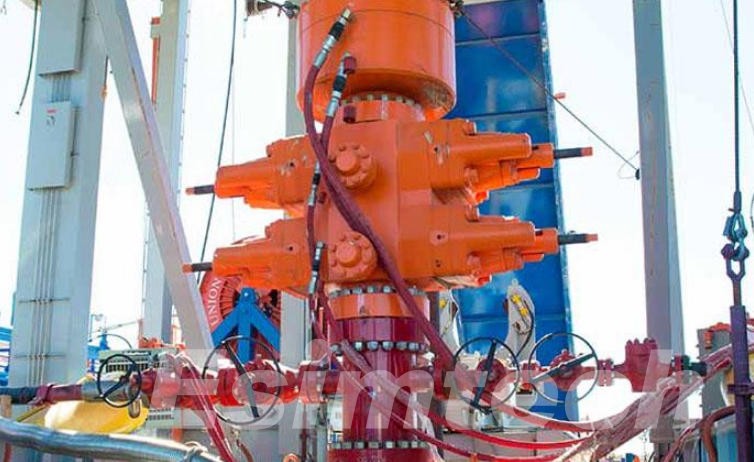
To install surface BOPs, you first position the BOP stacks on top of the wellhead using lifting equipment and a standard rig-up procedure. Once the system is installed, it must be inspected and pressure tested to ensure that the BOP components and system have been properly assembled.
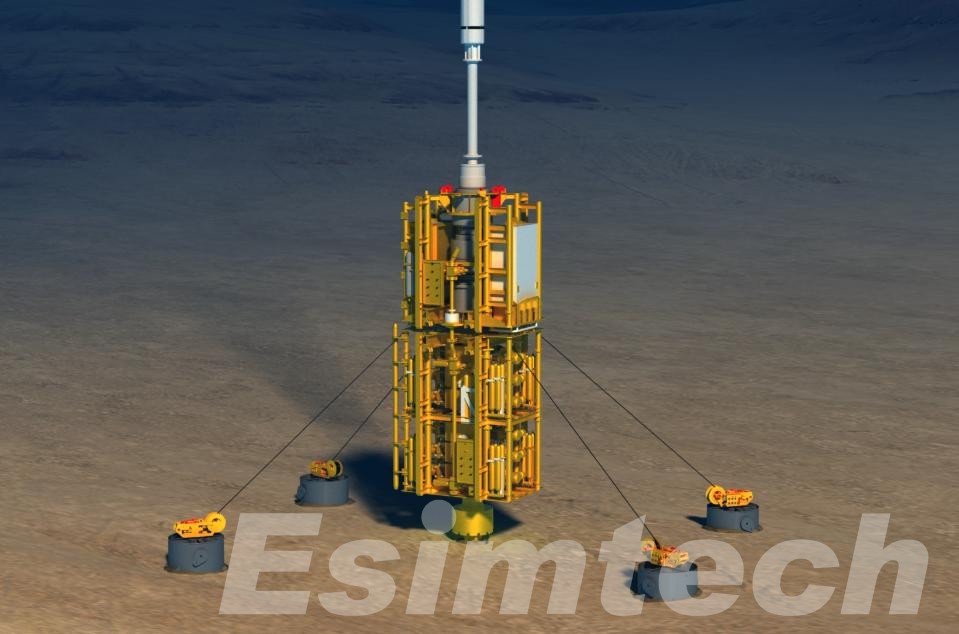
Subsea BOPs are more challenging to install. You must transport and lower the assembled stack to the seabed using specialized equipment. You must also position and connect the subsea stack to the subsea wellhead, and inspect and verify the integrity of the hydraulic and communication systems and control functions before beginning operations.
| Installation Stage | Surface BOP | Subsea BOP |
| Transportation | Transported to the drilling location | Transported to an offshore installation vessel |
| Positioning | Positioned above the accessible wellhead | Lowered to the seabed |
| Connection | Connected to the surface wellhead | Connected through a subsea wellhead connector |
| Control setup | Surface hydraulic control connections | Subsea control pods and hydraulic/electrical connections |
| Testing | Pressure and function testing | Pressure, function, and subsea control system testing |
| Installation complexity | Generally lower | Generally higher |
6. Maintenance and Inspection Requirements
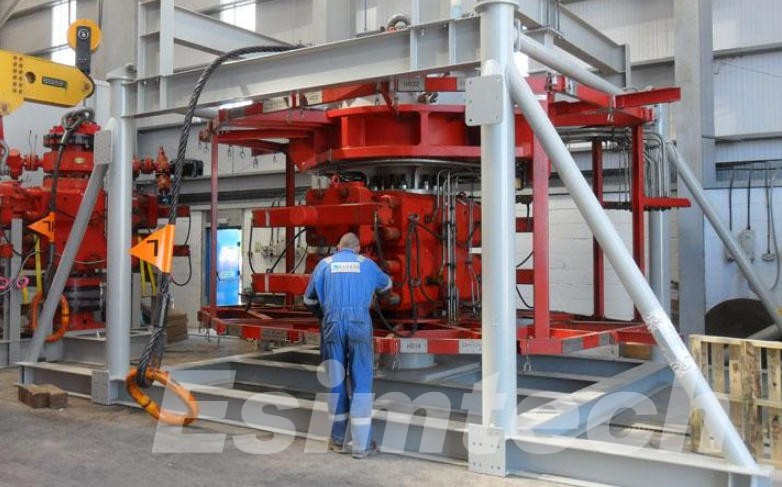
One of the biggest differences between surface BOPs and subsea BOPs is accessibility for maintenance.
Surface BOPs can be installed above ground or at a surface wellhead, so maintenance personnel are easily able to inspect components, such as sealing elements, hydraulic connections, and ram assemblies, without the need for specialized subsea retrieval.
Subsea BOPs can be more difficult to maintain. Often, you must retrieve the BOP stack from the ocean to a drilling vessel or transport the stack to a dedicated facility for maintenance.
It is also critical that control pods, connectors, and hydraulic systems, as well as sealing components, are thoroughly inspected to ensure the BOP can be relied upon to perform when needed.
| Maintenance Factor | Surface BOP | Subsea BOP |
| Physical accessibility | Relatively easy | Limited underwater accessibility |
| Routine inspection | Can be performed at the drilling location | Requires subsea monitoring and inspection procedures |
| Component replacement | Generally easier | May require retrieval or specialized intervention |
| Hydraulic system maintenance | Relatively straightforward | More complex |
| Testing procedures | Surface function and pressure testing | Surface and subsea-specific testing |
| Maintenance costs | Generally lower | Generally higher |
| Downtime risks | Often easier to manage | Can be greater due to retrieval and intervention requirements |
7. Applications and Suitable Drilling Environments
Surface and subsea BOPs are selected according to the location of the wellhead and the drilling configuration.
Surface Blowout Preventer Applications
- Onshore Oil and Gas drilling: Provides protection for drilling operations on land.
- Exploration wells: Control of well pressure during the exploration and assessment of gas and oil deposits.
- Construction of production wells: Provides safe and efficient drilling and completion operations.
- Well workover activity: Covers well control when needed during appropriate well intervention and maintenance activity.
- Surface offshore activities: For offshore operations where the wellhead and BOP are both above the waterline.
Subsea Blowout Preventer Applications
Subsea BOPs are particularly important for:
- Deepwater drilling: Controls offshore wells when used with wellheads in deeper waters.
- Ultra-deepwater drilling: Used with offshore drilling activities in deeper water areas that have very complicated drilling.
- Drillship operations: Provides BOP services for drilling activities using floating offshore drilling units.
- Semisubmersible drilling: BOP services for drilling activities using floating offshore drilling units with subsea wells.
- Subsea field development: Controls well activities associated with offshore development for producing wells.
8. Cost and Operational Complexity
There are significant differences between surface and subsea BOPs in terms of cost and the operational complexity that they introduce to a project.
Surface BOP systems have lower costs for installation and maintenance due to greater accessibility of components and simpler control arrangements.
Subsea BOP systems have significantly higher costs. The costs for subsea BOPs are impacted by the need for underwater equipment and control systems, marine risers, retrieval and deployment operations, subsea connectors, and the need for specialized maintenance services.
In addition, subsea BOP retrieval and maintenance activities typically involve significant additional vessel time, additional technical personnel and additional offshore support equipment.
| Cost and Complexity Factor | Surface BOP | Subsea BOP |
| Initial equipment investment | Generally lower | Generally higher |
| Installation costs | Relatively low | Higher due to subsea deployment |
| Control system costs | Lower complexity | Higher complexity |
| Maintenance expenses | Generally lower | Generally higher |
| Technical requirements | Standardized surface well-control expertise | Specialized subsea engineering expertise |
| Operational complexity | Relatively straightforward | More complex |
| Equipment retrieval | Usually simpler | Requires specialized procedures |
9. Safety and Emergency Response Capabilities
While both types of BOP systems are essential to prevent blowouts, they differ greatly in the arrangement of their emergency response systems based on their respective installation environments.
With surface BOPs, emergency control equipment can be easily and quickly accessed by the drilling crews. In response to any unexpected changes in pressure, crews are then able to engage the appropriate emergency blowout preventer in accordance with standard operating procedures.
Remote operation is required for subsea BOPs. This is primarily because control equipment is installed on the seabed. In addition, systems are designed to provide control and response capability even under adverse environmental conditions found offshore and underwater.
In the case of floating offshore drilling, subsea BOP systems may include emergency disconnect systems. This allows a drilling vessel to safely disconnect from the subsea well system and emergency control systems during the execution of drilling procedures, provided all well control systems are properly and safely engaged.
| Safety Factor | Surface BOP | Subsea BOP |
| Wellbore sealing | Hydraulic activation of annular and ram preventers | Remote hydraulic activation of annular and ram preventers |
| Emergency operation | Surface-accessible control systems | Remote control and emergency response systems |
| Monitoring | Surface monitoring and inspection | Remote monitoring and subsea instrumentation |
| Emergency disconnect | Depends on drilling configuration | Commonly incorporated into floating drilling configurations |
| Personnel requirements | Surface well-control expertise | Surface and specialized subsea expertise |
Summary Comparison Table of Surface and Subsea Blowout Preventers
| Comparison Factor | Surface Blowout Preventers | Subsea Blowout Preventers |
| Installation Location | Installed on the wellhead at the surface, typically on land or in surface-wellhead offshore configurations. | Installed on the wellhead on the seabed. |
| Main Applications | Primarily used in onshore drilling and certain offshore drilling operations with surface wellheads. | Mainly used in deepwater and other offshore drilling operations with subsea wellheads. |
| Operating Environment | Operates in an accessible surface environment, making inspection and maintenance relatively straightforward. | Operates underwater under high hydrostatic pressure, low temperatures, and challenging subsea conditions. |
| Structural Design | Designed to withstand well pressure and operational loads at the surface. | Designed to withstand well pressure, external seawater pressure, and demanding subsea operating conditions. |
| Control System | Generally uses surface-mounted hydraulic and electrical control systems. | Uses subsea control pods and hydraulic, electrical, or electro-hydraulic control systems for remote operation. |
| Installation Method | Installed directly on the surface wellhead or associated well-control equipment. | Lowered from the drilling rig and connected to the subsea wellhead using specialized deployment equipment. |
| Riser Connection | Usually does not require a marine riser for onshore operations. Offshore configurations depend on the drilling arrangement. | Typically connected to a floating drilling rig through a marine riser. |
| Pressure Requirements | Designed to manage expected wellbore pressure and applicable surface operating conditions. | Must manage wellbore pressure while also accommodating external seawater pressure and subsea environmental loads. |
| Remote Operation | Operators can generally access the equipment directly or control it from nearby surface facilities. | Requires remote operation from the drilling rig through subsea control systems. |
| Emergency Response | Emergency well-control actions can generally be performed with direct access to surface equipment. | May involve emergency disconnect systems, automated sequences, and remote activation depending on system design. |
| Maintenance | Inspection, testing, repair, and component replacement are generally easier because of surface accessibility. | Maintenance is more complex and may require retrieval to the surface, specialized intervention equipment, or subsea service operations. |
| Operational Cost | Generally has lower installation and maintenance complexity. | Usually involves higher equipment, installation, inspection, and maintenance costs. |
| Typical Challenges | Pressure management, equipment wear, seal integrity, and hydraulic system reliability. | Subsea control reliability, connector integrity, hydraulic response, environmental exposure, and emergency disconnection. |
How to Choose Between Surface and Subsea Blowout Preventers
Selecting between surface BOPs and subsea BOPs is a complicated decision to make because there are more factors to consider than the equipment prices and structural designs. Decisions need to be made based on the location of the well, pressure conditions of the well, and all the requirements needed to control the well.
The following considerations can help operators make an appropriate decision:
- Identify the wellhead location: Determine whether the wellhead is installed on land, above the waterline, or on the seabed.
- Evaluate drilling conditions: Consider water depth, formation pressure, temperature, and expected well-fluid characteristics.
- Determine pressure ratings: Select equipment that meets the required working pressure and applicable design specifications.
- Evaluate system configuration: Ensure the selected BOP includes the appropriate annular preventers, ram preventers, and shear-and-seal capabilities.
- Assess control requirements: Consider hydraulic control, electrical communication, redundancy, and emergency operating functions.
- Consider maintenance capabilities: Evaluate equipment accessibility, inspection procedures, spare parts, and technical support.
- Review total operating costs: Compare equipment investment, installation, maintenance, testing, and potential downtime.
- Verify regulatory compliance: Ensure the complete system meets applicable industry standards and regulatory requirements.
Summary
- Surface BOPs are generally suitable for onshore drilling and surface-wellhead applications because they offer easier accessibility, simpler maintenance, and relatively straightforward installation.
- Subsea BOPs are specifically engineered for underwater wellheads and deepwater drilling, requiring advanced remote-control systems, specialized deployment equipment, and more complex maintenance procedures.
The Role of Drilling Simulators in Future Surface and Subsea Blowout Preventer Development
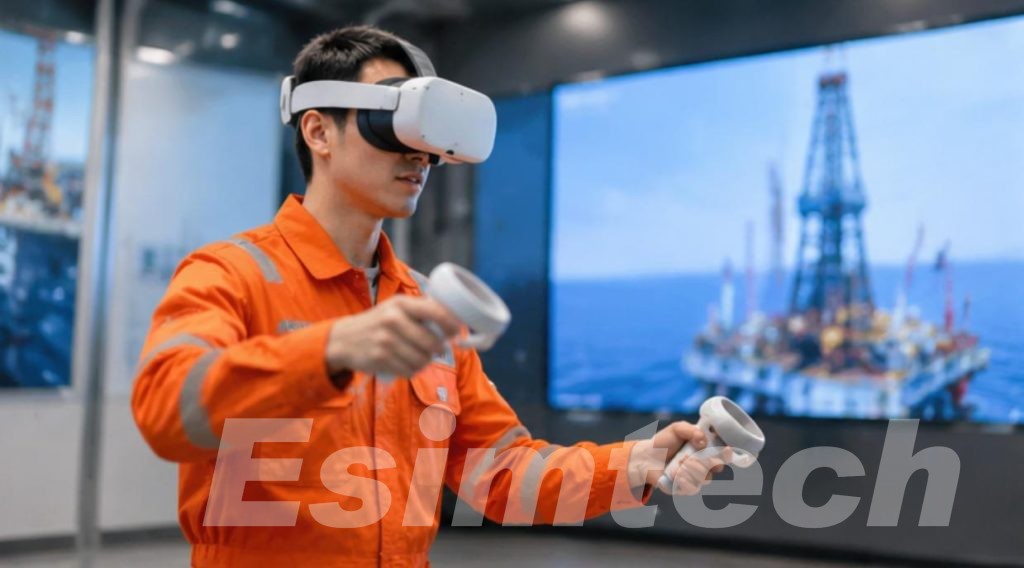
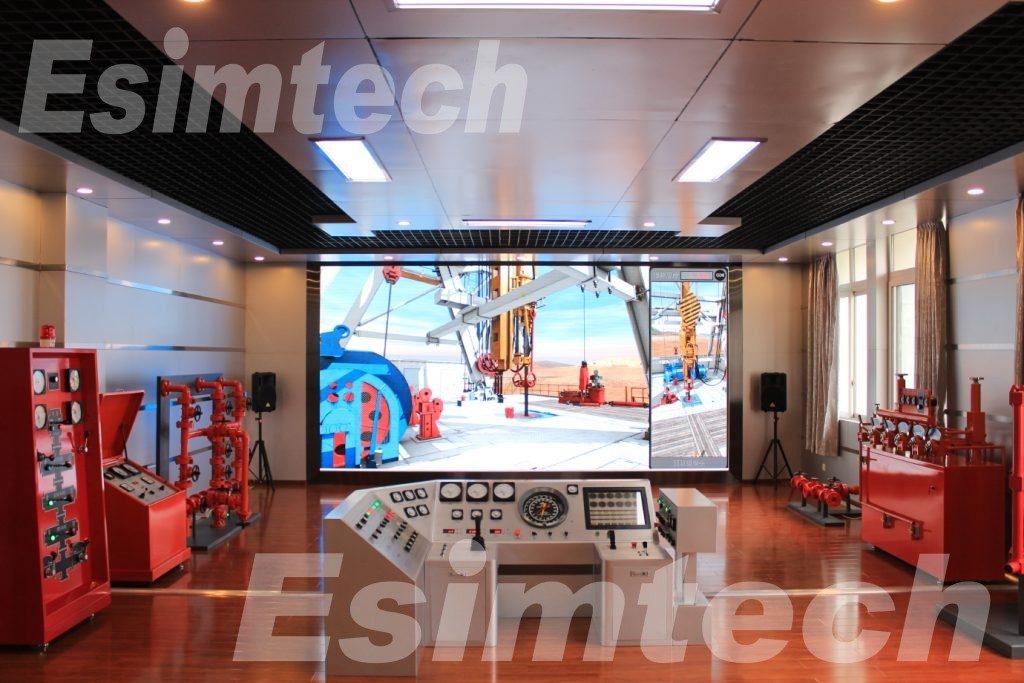
Using advanced surface and subsea BOP systems will rely heavily on drilling simulators for design and testing as well as for daily operations. Simulators will teach users how to handle well control and will allow for the evaluation of BOP performance in drilling and well control scenarios without exposing personnel and/or actual equipment to unnecessary hazards.
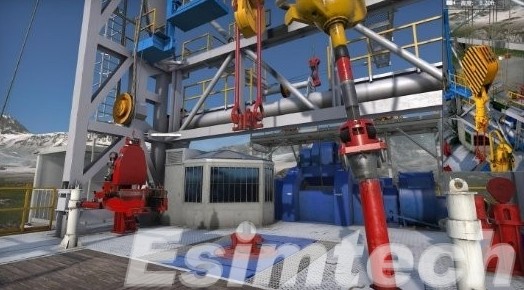
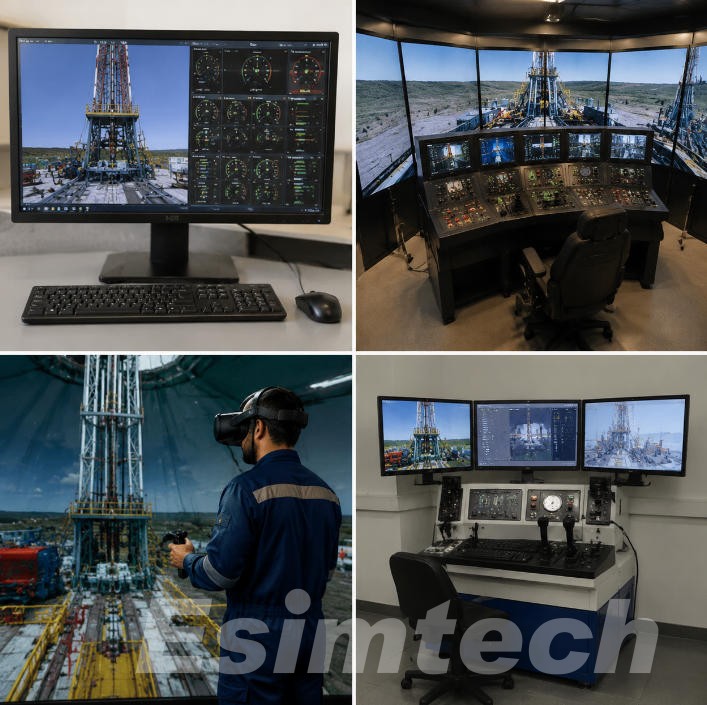
The following charts introduce the different types of drilling simulators and their applications in future surface and subsea BOP development.
| Simulator Type | Main Functions | Applications in Surface BOP | Applications in Subsea BOP |
| Full-Scale Drilling Simulator | Reproduces complete drilling operations and realistic well-control conditions | Simulates surface BOP operation, well shut-in procedures, and pressure control | Recreates offshore drilling conditions and subsea BOP operating scenarios |
| Well Control Simulator | Simulates kicks, formation pressure changes, circulation, and well-control procedures | Trains operators in surface BOP activation and well-control responses | Trains crews in subsea well-control operations and emergency responses |
| Subsea BOP Simulator | Reproduces subsea BOP configurations, control systems, and underwater operating conditions | Provides comparative training for surface and subsea well-control systems | Simulates remote BOP operation, control pod functions, and emergency disconnect procedures |
| Hydraulic System Simulator | Models hydraulic pressure, fluid flow, valve operation, and actuator response | Evaluates hydraulic performance and ram closing speed | Tests subsea hydraulic circuits, accumulators, and control pod performance |
| VR Drilling Simulator | Creates immersive virtual drilling environments | Provides interactive surface BOP operation and emergency training | Recreates offshore environments and underwater BOP operation scenarios |
| Digital Twin Simulator | Creates virtual equipment models using engineering and operational data | Monitors surface BOP performance and predicts component degradation | Monitors subsea BOP conditions and supports predictive maintenance |
| Hardware-in-the-Loop (HIL) Simulator | Connects real control hardware with virtual equipment models | Tests control panels, sensors, and hydraulic control logic | Verifies subsea control pods, communication systems, and remote operating functions |
| Emergency Scenario Simulators | Improves emergency decision-making and team coordination. | Trains crews to respond to unexpected pressure increases and BOP system failures. | Simulates emergency disconnects, loss of control communication, and other subsea well-control emergencies. |
Final Thoughts
Surface and subsea blowout preventers share the same fundamental purpose: maintaining well control and preventing uncontrolled releases during oil and gas drilling operations. However, the varying installation environments lead to huge differences in structural configuration, control methods, structural configuration, resistance to pressure, operational cost and maintenance requirements.
It is crucial for drilling operators to have an understanding of the differences between surface and subsea blowout preventers in order to select the most appropriate BOP for their projects. Even when a suitable BOP has been chosen and configured correctly, well control equipment performance is reliable only with frequent inspection, functional testing, and competent operation.
Advanced BOP engineering combined with development and training that utilize advanced drilling simulators will lead to an improvement in safe drilling operations, well control equipment and offshore & onshore project management.