Common Accidents in Offshore Drilling: How to Prevent Them

Written By: Computer Science Professor
Deeply rooted in the R&D of simulators for the oil and gas industry, committed to bringing safety to every oil worker.
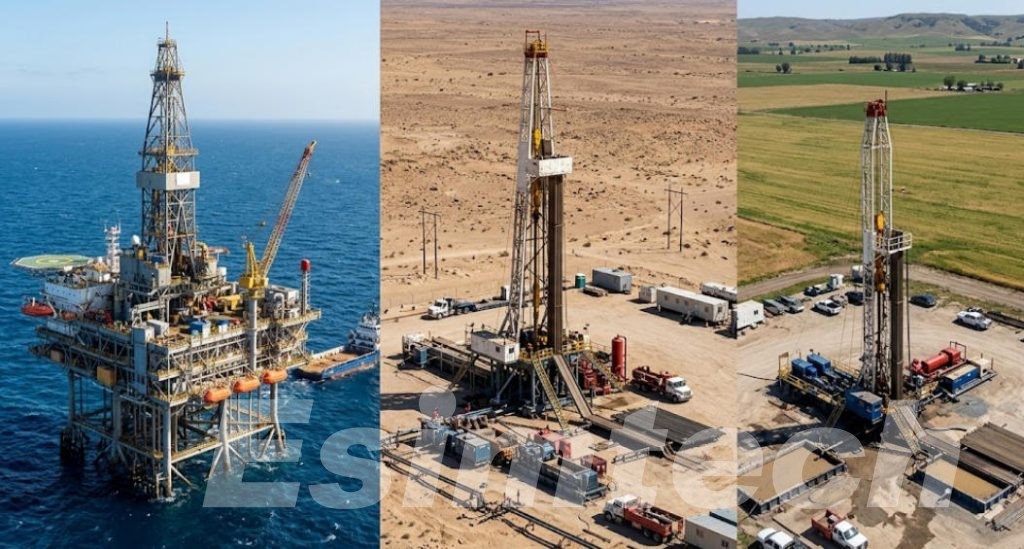
Offshore drilling is an essential part of the oil and gas industry, providing access to petroleum resources beneath the seabed. However, offshore drilling operations involve complex equipment, harsh marine environments, high-pressure systems, flammable materials, and challenging working conditions. These factors create various safety risks that can lead to serious accidents, equipment damage, environmental pollution, and even loss of life.
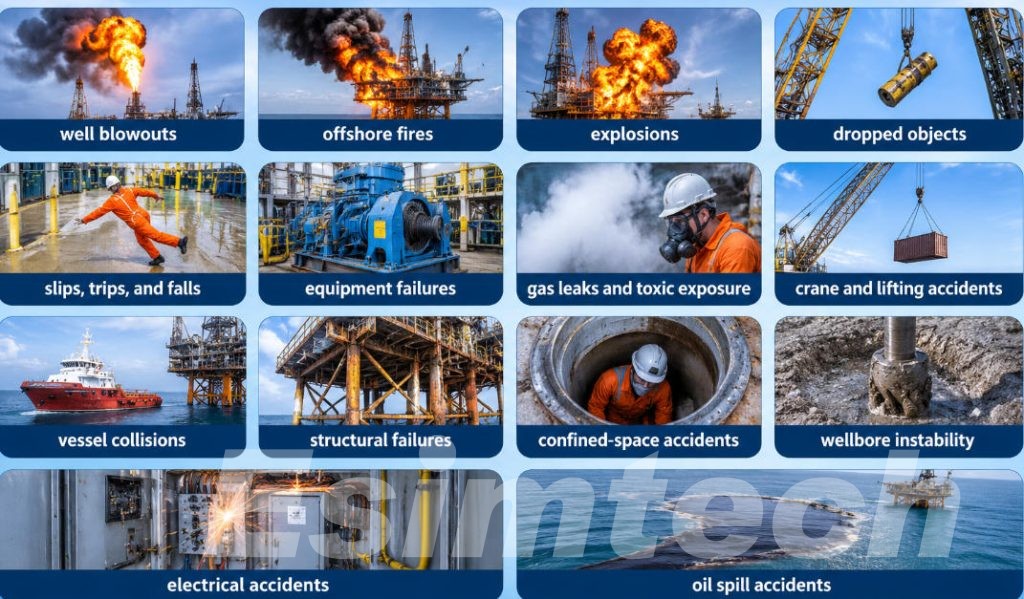
Common offshore drilling accidents include blowouts, fires, explosions, equipment failures, dropped objects, falls, collisions, and personnel injuries. Many of these incidents can be prevented through effective safety management, regular equipment inspections, proper employee training, and emergency preparedness.
Understanding the causes of common offshore drilling accidents and implementing appropriate preventive measures is crucial to protecting workers, maintaining operational efficiency and reducing risks of accidents to the environment.
Understanding the Basics of Offshore Drilling Accidents
Accidents in offshore drilling refer to unexpected incidents that occur while drilling, servicing a well, operating or maintaining equipment, handling materials, or any other offshore activity associated with oil and gas production.
These accidents may be caused by equipment malfunctions, human error, the operating environment, procedures, or unanticipated geological events.
Unlike most onshore industrial accidents, offshore incidents are difficult to deal with because drilling platforms are surrounded by water and are often a considerable distance from medical and support services.
Offshore drilling accidents have numerous operational, mechanical, environmental, and personnel related hazards.
Offshore drilling accidents involve various operational, mechanical, environmental, and personnel-related hazards.
Accident Classifications in Offshore Drilling
| Accident Category | Main Accident Types | Primary Safety Concern |
| Well-Control Accidents | Blowouts, kicks, wellbore instability | Maintaining well integrity and controlling formation pressure |
| Fire and Explosion Accidents | Offshore fires, gas explosions, electrical fires | Preventing ignition and controlling flammable substances |
| Mechanical Accidents | Machinery failures, crane accidents, dropped objects | Maintaining equipment reliability and safe operations |
| Personnel Accidents | Slips, trips, falls, confined-space incidents | Protecting workers from occupational hazards |
| Marine Accidents | Vessel collisions, transportation incidents | Ensuring safe navigation and offshore transportation |
| Environmental Accidents | Oil spills, gas releases | Protecting marine ecosystems and preventing pollution |
Common Accidents in Offshore Drilling: Causes and Prevention Measures
1. Well Blowouts
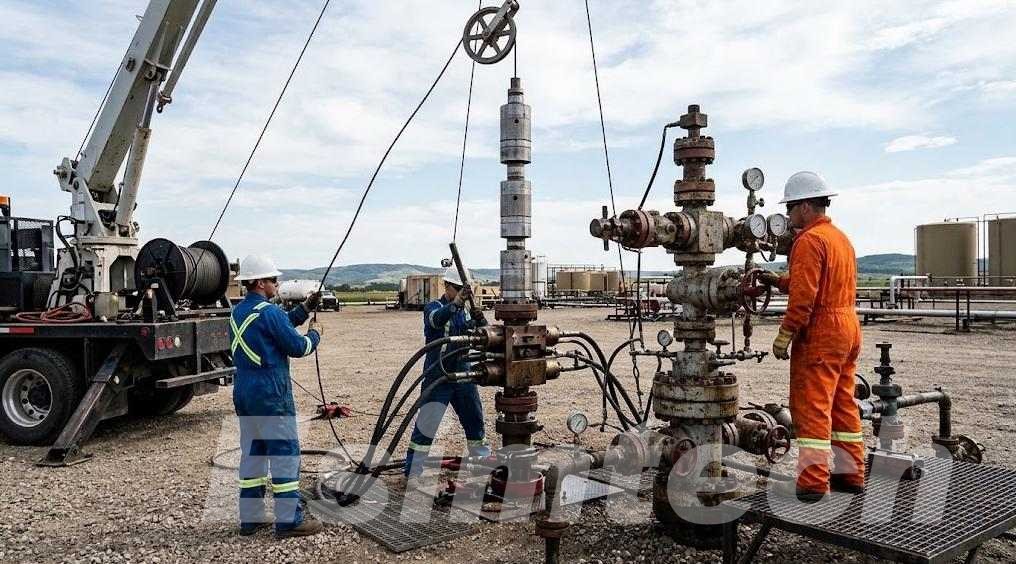
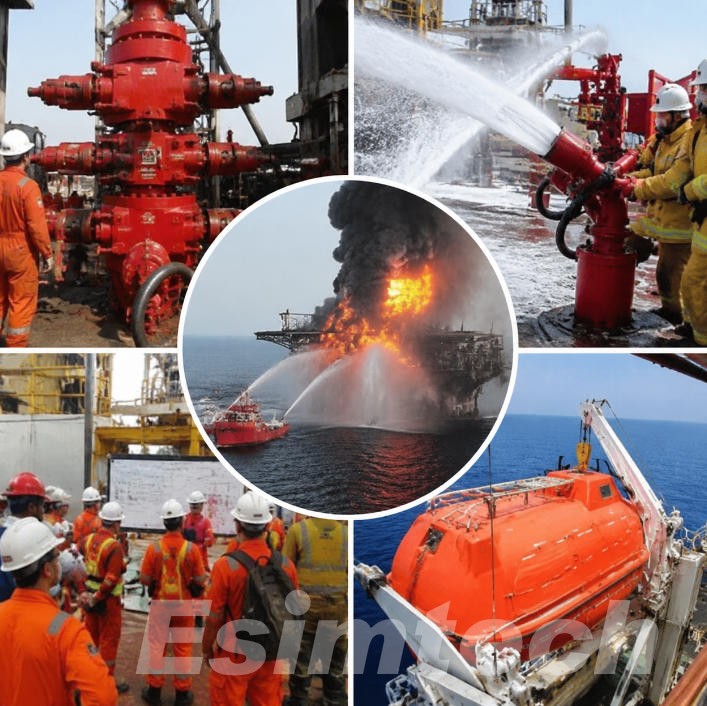
A well blowout is one of the more dangerous events that can happen in offshore drilling. This happens when the oil, natural gas, or other fluids from the formation (the area being drilled) enter the well and come to the surface or to the sea.
Most well blowouts are caused when the pressure in the formation exceeds the drilling fluid’s pressure in the well, and thus fluids from the formation begin to enter the well. This can turn into a significant issue very quickly if it is not caught early.
Common Causes
- Drilling fluid density is not sufficient to balance formation pressure.
- Failure to recognize the beginning signs of a kick.
- Faulty operation or a total malfunction of the blowout preventer.
- Poorly implemented well-control practices.
- Inadequate monitoring and training for pressure issues.
Prevention Measures
In order to prevent a blowout, you have to have effective well-control measures in place during the entirety of your drilling operation. This means ensuring that you have an adequate drilling fluid density, constantly monitoring the status of the well, and identifying and responding to any abnormal pressure changes in the formation as quickly as you can.
Blowout preventers have to be correctly installed and tested, and also maintained to meet certain standards. Drills to test crew responses have to be conducted to ensure that people are able to identify kicks in the well and also understand how to respond appropriately.
2. Offshore Fires and Explosions
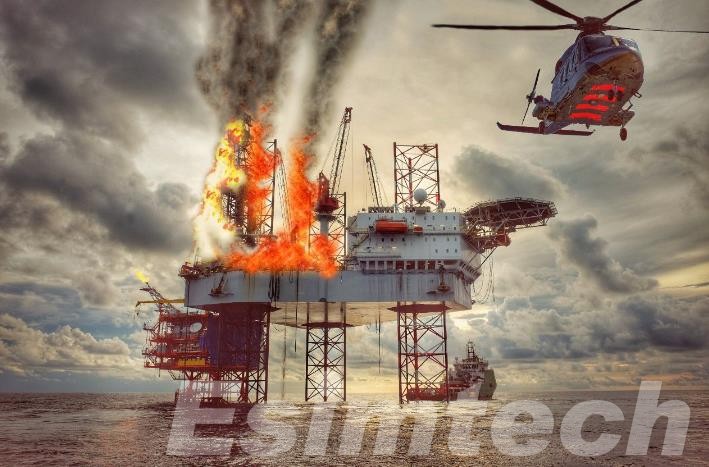
Offshore drilling activities involve combustible materials, flammable liquids, gases and electrically powered equipment, which makes drilling facilities highly prone to fire and explosions.
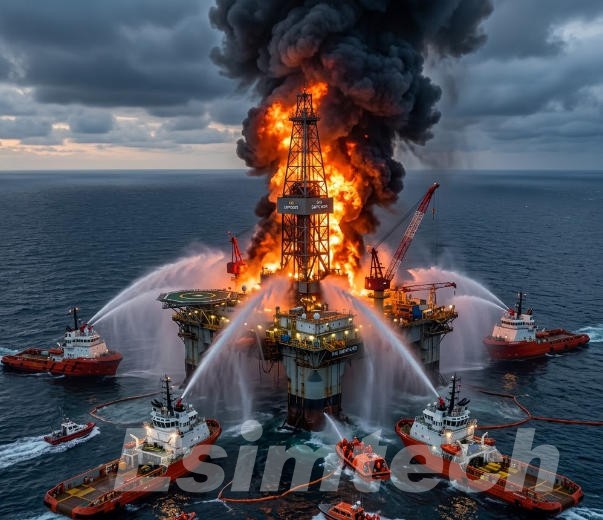
An offshore gas leak and an associated ignition can result in fire and explosions on drilling facilities, possibly causing great damage and putting the entire offshore structure and its workers in jeopardy.
Common Causes
- Leakage of natural gas, oil, or other flammable substances.
- Equipment that utilizes electricity can develop short circuits and become an ignition source for a fire.
- Flammable liquids and combustible materials should be stored in an orderly and controlled manner.
- Construction or maintenance work that involves open flames or other hot processes should be strictly controlled with permit-based and risk assessment-based systems.
- Proper systems to detect combustible gas and to provide air circulation should be present.
Prevention Measures
The offshore operators should create and implement strict procedures for the prevention of fires on offshore platforms, as well as the routine inspection of pipelines, valves, storage tanks, and electrical installations. Offshore operators should ensure the installation of gas detection systems and maintenance of those systems to provide adequate early warnings in the event of leaks.
Before conducting hot work such as cutting and welding, offshore personnel must secure necessary permits and conduct risk assessments. Before beginning work, offshore personnel should verify that the surrounding area is safe and that appropriate fire protection systems are on hand.
3. Dropped Objects and Falling Equipment
Offshore drilling activities frequently involve the handling, lifting, and hoisting of materials and tools. These activities can result in dropped objects, a major cause of offshore injuries.
Most offshore drilling platforms consist of several working levels. Often, offshore workers labor underneath the platforms where lifting activities take place. This results in the risk of serious head and body trauma, as well as potential fatalities, due to objects falling onto these levels.
Common Causes
- Improperly stowed tools and equipment.
- Defects in hoisting and lifting equipment.
- Crane operations performed in an incorrect manner.
- Improper housekeeping on elevated working levels.
- Failure to secure lifting zones and restrict access.
Prevention Measures
Each and every lifting operation on an offshore platform must be well planned, and an authorized individual must supervise all aspects of the lifting operation. Before use, each and every piece of lifting equipment must be checked for defects.
The storage of loose materials and tools must be well organized, and the use of tool lanyards must be implemented when tools must be used at height. Each offshore platform must be managed such that exclusion zones can be put in place around all suspended loads.
A rigorous program to encourage and reward good housekeeping must be implemented on offshore platforms. The offshore platform dropped objects program should be well maintained and regularly reviewed.
4. Personnel Slips, Trips, and Falls
On offshore platforms, there are always oil and water wet spots, oil residue, uneven surfaces and slippery surfaces. The walkways, stairways and elevated working platforms can be narrow and can require workers to carry equipment or tools.
These factors create higher potential for trips and slips that result in injuries that can be serious and costly.
Common Causes
- Oil, water, and drilling mud on walking surfaces.
- Poor lighting in working areas.
- Damaged walkways and improperly maintained stairs.
- Loose cables, hoses, and equipment.
- Failure to use appropriate fall protection equipment.
Prevention Measures
Keeping a tidy and organized working environment on offshore platforms will significantly lower the chances of accidents. Clean-ups of drilling mud, oil and spills must be done regularly. In addition, periodic inspections of walkways and stairs must be performed.
Employees must wear fall protection equipment and fall protection systems must be used while working at heights. Proper guardrails, fall harnesses and approved anchor points must be provided when needed.
Safe navigation on the platforms must be trained, as well as the use of protective personal equipment.
5. Equipment and Machinery Failures
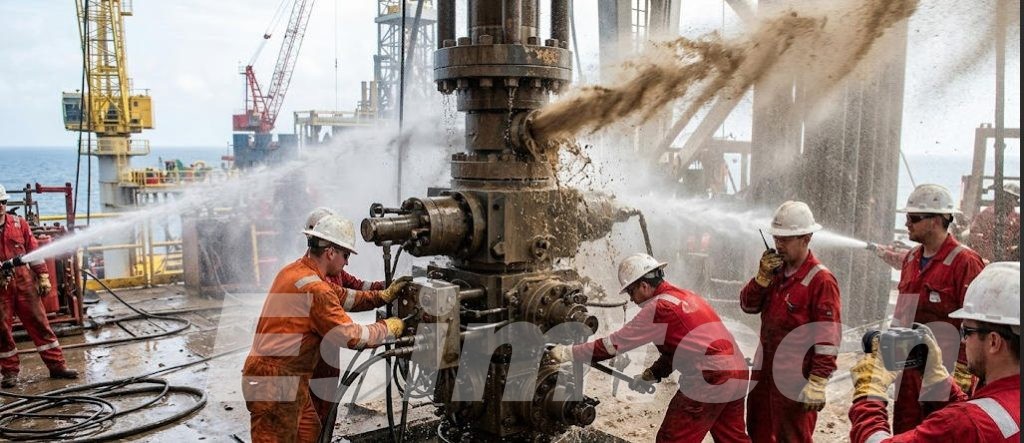
There are a lot of machines and pieces of equipment needed to support drilling activities. Some examples of equipment include drilling rigs, mud pumps, top drives, cranes, and hydraulic systems. Failing equipment can cause lost time, create an expensive loss of equipment and even cause life-threatening hazards.
A poorly performing drilling rig might lead to uncontrolled motion of equipment and failed hydraulic systems may cause critical drilling equipment to malfunction.
Common Causes
- Poorly done maintenance.
- Wear and tear that is beyond the expected usage of equipment.
- Equipment installed improperly.
- Using the equipment incorrectly or over capacity.
- Failure of the operator to identify faults.
Prevention Measures
An effective offshore drilling program relies on the execution of an equally rigorous maintenance program. Manufacturer guidelines and standards should dictate the maintenance, inspection and testing frequency of critical equipment.
Drilling personnel should watch for abnormal behavior of the equipment and systems and act upon it. This includes vibration and variations in temperature and pressure. Failure prevention and predictive systems can catch potential equipment failures.
Individuals responsible for operating drilling equipment must receive specific training and follow established protocols.
6. Offshore Vessel Collisions
Offshore platforms operate alongside a number of marine vessel systems. This includes anchor-handling vessels, crew transfer vessels, and support vessels, along with many others.
Collisions happen when vessels get near platforms to load or unload equipment and transfer workers. Platforms and equipment can get damaged, pipelines can be damaged, and crew can be seriously injured.
Common Causes
- Offshore installations and vessels do not talk enough.
- Bad weather conditions and low visibility.
- Faulty positioning or navigation of a vessel.
- Equipment or propulsion failures on a vessel.
- Vessels operate in offshore environments without enough traffic control.
Prevention Measures
Offshore work requires adequate vessel traffic control. Vessels should maintain established offshore spacing procedures, and utilize adequate positioning and communication equipment.
Vessels should not perform offshore transfers unless conditions of weather and the sea are evaluated. Clear communication should be established between the offshore crew and vessel crew.
The likelihood of a collision can be decreased by regular maintenance of navigation equipment and adherence to maritime safety standards.
7. Gas Leaks and Toxic Gas Exposure
Offshore drilling can lead to hazardous gas exposures, especially H2S and methane, among other harmful gases.
H2S is extremely toxic, and dangerous exposure levels can cause significant damage to the human body and death. Gas leaks can also create fire and explosive hazards.
Common Causes
- Hazardous gases present in formation fluids.
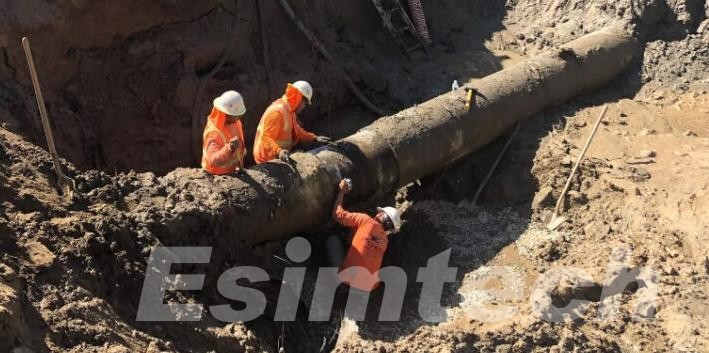
- Corrosion or damage to the pipelines and valves.
- Poorly maintained gas handling equipment.
- Poor ventilation of confined areas.
- Inadequate gas detection systems.
Prevention Measures
Offshore facilities should use fixed or portable gas detection systems for hazardous gases that are likely to be encountered in that area. Calibration of gas detection systems must be done on a regular basis.
Training programs on gas hazard identification, alarm systems, and evacuation should be provided to all personnel. Emergency response personnel should also be trained in respiratory protection programs and the proper use of self-contained breathing apparatus in case of H2S hazards.
Ensuring regular pipeline inspection and corrosion programs is critical to preventing gas leakage and protecting the workforce from the effects of gas exposure.
8. Crane and Lifting Accidents
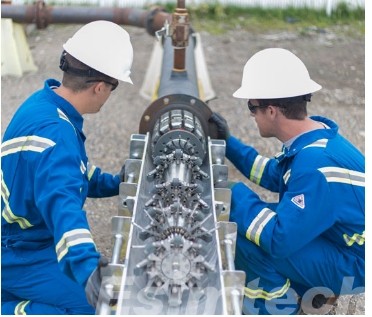
Cranes are an important part of offshore drilling, especially with pipe transport. Lifting operations, however, are potentially dangerous due to the loads, as well as the equipment, not being secured and operated correctly.
Failure in crane operations often results in dropped loads, instability of cranes, lifting equipment failures, and collisions with offshore structures.
Common Causes
- Crane overloading.
- Incorrect attachment of the load or the rigging.
- Poorly planned and executed lifting procedures, often the result of poor visibility and an inexperienced crane operator.
- Equipment used for lifting has not been properly inspected.
Prevention Measures
Each lifting operation should follow a formally documented lifting plan. The crane operator and riggers should be competent. A final assessment of the lifting operation should be conducted to ensure that the lifting plan is still safe and includes the assessment of the load weight, the crane’s rated capacity, rigging setup, and the lifting environment.
A lifting equipment inspection program and a testing program for lifting equipment and accessories should be in place and current.
Lifting equipment should only be operated by personnel using clear and effective communication signals. Effective teamwork should be maintained by everyone involved in the lifting operation.
The lifting operation should be suspended if the environmental factors exceed the rated operating conditions. This includes high wind speeds and/or waves and swell.
9. Structural Failures and Platform Damage
Offshore drilling platforms are subjected to severe wind, wave, and current conditions as well as corrosion and the potential for extreme weather. All of these elements can, over time, weaken the offshore drilling platform components and result in structural failure.
When structural damage occurs on offshore platforms, support legs, decks, foundations, pipelines, and other essential equipment may be affected.
Common Causes
- Long-term corrosion and material degradation.
- Extreme weather and wave loading.
- Poor structural maintenance.
- Design or construction deficiencies.
- Undetected cracks and fatigue damage.
Prevention Measures
The owners of offshore platforms should develop and maintain an integrity management program that covers the structural components. During these inspections, critical components should be assessed for cracks, corrosion, deformation, and signs of deterioration.
Using non-destructive inspection methods can reveal defects without destroying the equipment. An inspection of the structure and integrity assessments based on environmental factors should be completed as soon as possible after damage occurs.
Operators of platforms in regions that are regularly exposed to typhoons or hurricanes, as well as platforms that may encounter other extreme weather conditions, should maintain severe weather and emergency response plans.
10. Wellbore Instability and Drilling Fluid-Related Accidents
Wellbore instability happens when a formation that is drilled can’t support its own weight during the drilling process. It can lead to borehole collapse, pipe sticking, lost circulation, and many more.
These issues are typically not categorized as personnel accidents. However, they are potentially dangerous and costly when there are unpredictable changes in pressure or even failure of the equipment.
Common Causes
- Wrong mud density.
- Drilling fluids that have the wrong properties or insufficient filtration.
- Unstable conditions in the ground.
- Unsuitable parameters for drilling.
- Insufficient pressure in the wellbore.
Prevention Measures
During the drilling process, drilling engineers are required to both analyze and assess the surrounding geology. There are requirements for keeping drilling fluid properties consistent throughout the operation in order to maintain sufficient pressure control and wellbore support.
At least once per drilling shift, engineers should look at drilling parameters and detect and analyze mud weight, flow rate, standpipe pressure and return flow.
In addition to drilling operations, crews must determine optimal parameters and the appropriate stabilization technique for the formation they are drilling.
Why Training and Simulation are Essential for Offshore Drilling Accident Prevention
Despite the development of advanced offshore drilling technology, many offshore drilling incidents are attributed to human error. In these cases, drilling operations are complex and offshore drilling personnel must understand the operation and be capable of dealing with the equipment, understanding hazards, and being prepared to react to sudden and unexpected circumstances.
There is no replacement for traditional classroom instruction, but in certain situations, classroom instruction can’t adequately prepare personnel for the stresses of offshore drilling operations. This is when drilling simulation technology comes into focus.
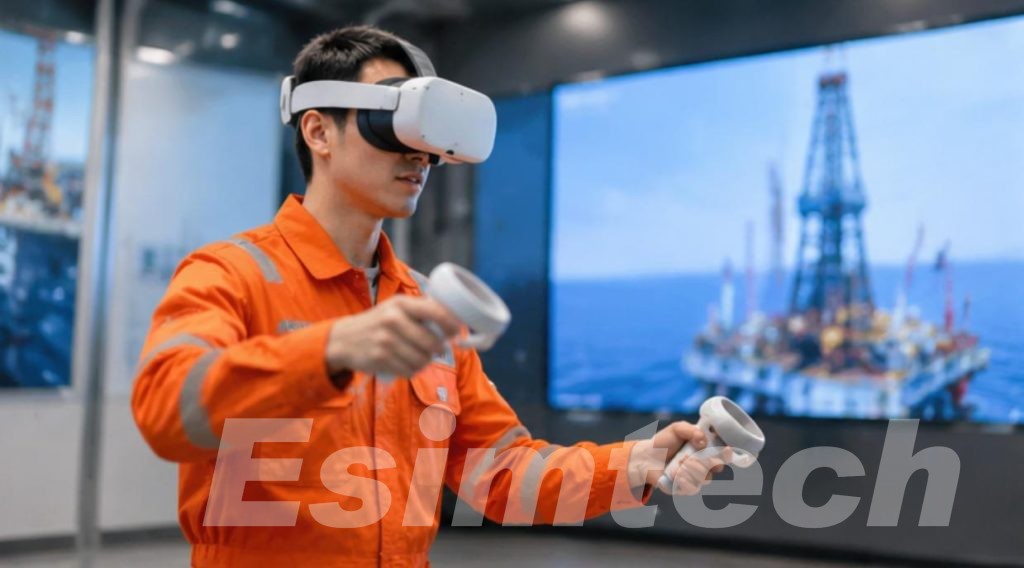
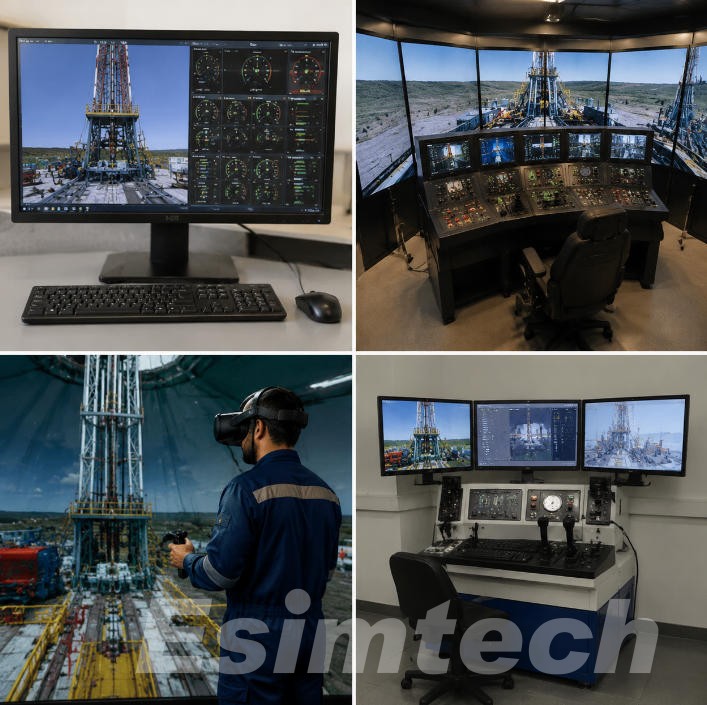
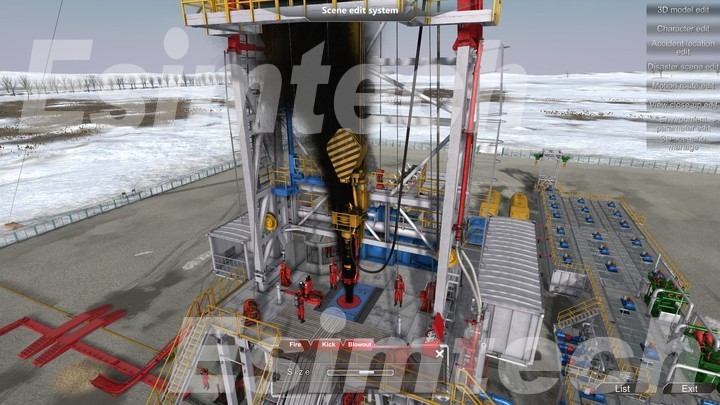
Drilling simulators provide realistic training environments that reproduce offshore drilling operations and potential emergency conditions. Trainees can practice operating drilling equipment, identifying well-control problems, managing abnormal pressure conditions, and responding to equipment failures.
The Use of Simulators for Offshore Drilling Accident Prevention
| Simulator Type | Simulated Accident or Risk | Training Focus | Accident Prevention Benefits |
| Well Control Simulator | Well kicks and blowouts | Kick detection, well shut-in procedures, pressure control, and well monitoring | Helps drilling crews recognize abnormal well conditions and prevent uncontrolled hydrocarbon releases |
| Drilling Rig Simulator | Drilling equipment failures and operational errors | Drilling operations, equipment handling, and operating procedures | Improves equipment operation skills and reduces human errors during drilling |
| Blowout Preventer (BOP) Simulator | BOP malfunction and well-control failures | BOP operation, emergency activation, testing, and troubleshooting | Strengthens personnel ability to operate well-control equipment during emergencies |
| Offshore Crane Simulator | Dropped objects and lifting accidents | Load handling, crane positioning, lifting procedures, and communication | Reduces lifting mistakes and improves load-handling safety |
| Fire and Gas Emergency Simulator | Offshore fires, explosions, and gas leaks | Gas detection, alarm response, firefighting procedures, and evacuation | Improves emergency awareness and helps personnel respond quickly to hazardous situations |
| Dynamic Positioning Simulator | Vessel collisions and positioning failures | Vessel maneuvering, station keeping, navigation, and environmental response | Helps marine crews maintain safe distances from offshore platforms and avoid collisions |
| Emergency Evacuation Simulator | Platform emergencies and evacuation accidents | Escape routes, emergency communication, lifeboat operations, and evacuation coordination | Improves emergency preparedness and reduces confusion during evacuation |
| Drilling Fluid Management Simulator | Wellbore instability and lost circulation | Mud weight adjustment, fluid circulation, pressure monitoring, and drilling parameter control | Helps drilling engineers manage wellbore conditions and reduce drilling-related hazards |
| Offshore Operations Simulator | Operational coordination failures and human errors | Team communication, decision-making, operational procedures, and risk assessment | Strengthens teamwork and improves safety decisions during complex offshore operations |
| Equipment Maintenance Simulator | Mechanical failures and equipment breakdowns | Equipment inspection, fault diagnosis, maintenance procedures, and troubleshooting | Helps technicians identify potential equipment problems and prevent unexpected failures |
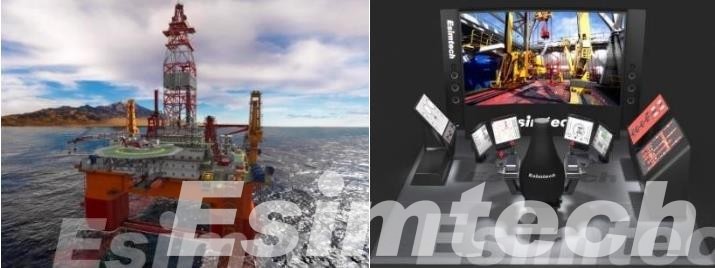
Companies such as Esimtech provide drilling and well-control simulation solutions that support practical training for oil and gas personnel. These technologies help bridge the gap between theoretical knowledge and real-world offshore drilling operations.
Offshore drilling simulators are valuable tools for accident prevention because they allow personnel to practice complex operations, recognize potential hazards, and respond to emergencies in a controlled environment. Combining simulation-based training with equipment maintenance, safety procedures, and effective risk management can significantly strengthen offshore drilling safety.
Summary
Offshore drilling incidents are costly in many respects, including human life and the safety of drilling personnel. Incidents can cause extensive loss of drilling operations, equipment integrity, and the marine environment. These incidents can be caused by well blowouts, fires, explosions, dropped objects, falls, machinery failures, vessel collisions, gas leaks, and structural damage.
In order to avoid these incidents, all personnel on the offshore drilling platform must work in concert to implement safe operating practices and to effectively address safety and equipment management, environmental monitoring, hazard identification, and continuous personnel training.
Safety protocols coupled with advanced drilling simulation technology, and thorough and regular drilling training help offshore drilling personnel to strengthen their technical skills and improve teamwork while safely making decisions on drilling operations.
Ultimately, safe offshore drilling operations that improve safety practices rely on well-designed safety procedures, reliable equipment equipment and continuous drilling training.