Why Hydraulic Snubbing Units Are Critical for Safe Live Well Operations?

Written By: Computer Science Professor
Deeply rooted in the R&D of simulators for the oil and gas industry, committed to bringing safety to every oil worker.
Live well operations are common in modern oil and gas fields where shutting down the well is either too expensive or too technically challenging. This is where operators choose to perform the well intervention rather than kill the well. This has created a high level of operational risk.
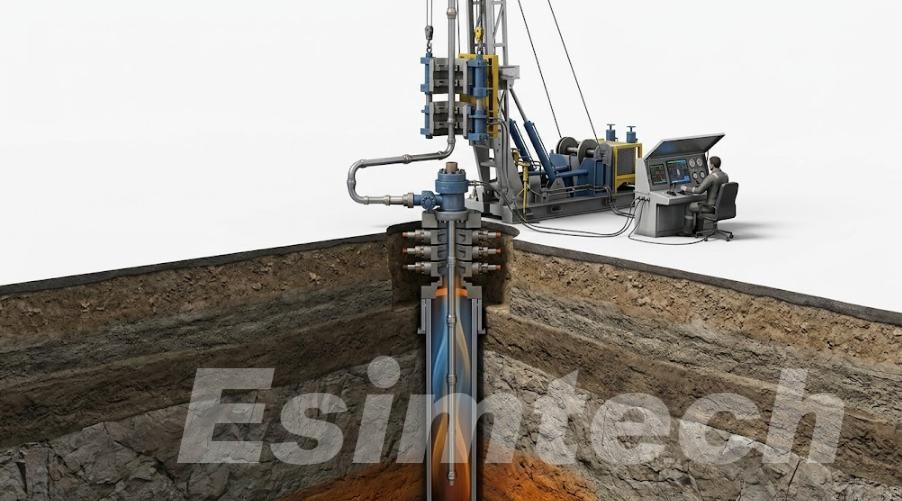
In this case, the hydraulic snubbing unit has been considered critical equipment that enables operators to run or pull tubulars in the pressurized well while controlling the pressure. Without the hydraulic snubbing unit, many high-value interventions would either be too dangerous or too expensive.
Understanding Live Well Operations and Snubbing Units
The operations that take place in live well operations are called live well operations. In this process, the well is under pressure and producing. In this process, there is no complete isolation of the formation pressure. So the surface equipment has to be ready at all times to meet the changing pressure conditions.
The hydraulic snubbing unit is used in this process. In this process, the pipes are forced into the well with the help of the hydraulic snubbing unit. The pipes are forced downward when the pressure in the well is more than the weight of the pipes.
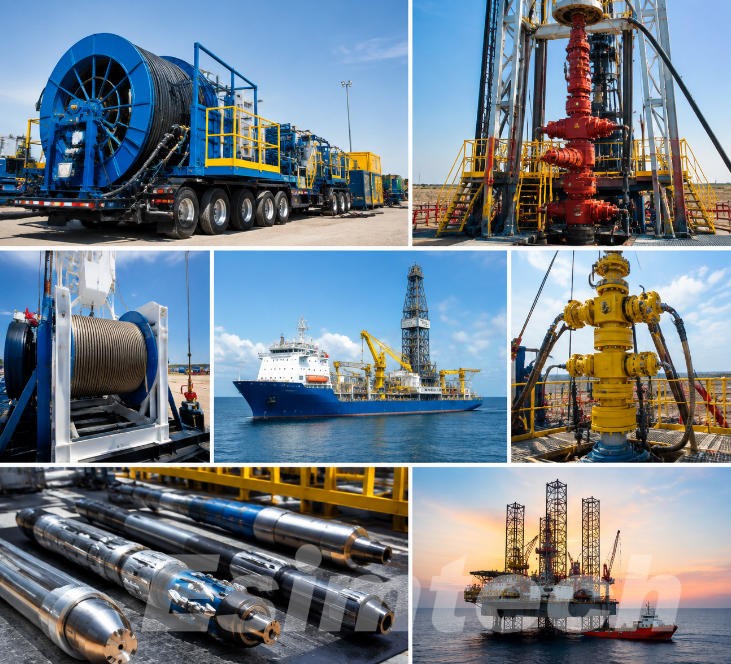
Key components of a snubbing rig may include:
- Hydraulic jacks for movement
- Slips for gripping the pipe
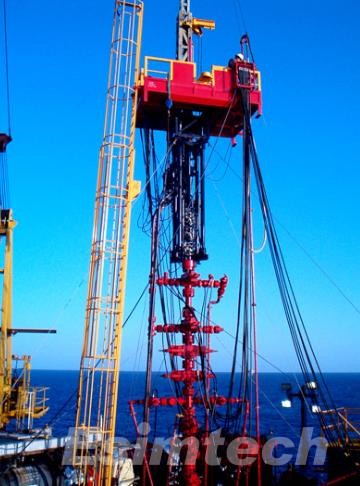
- Blowout preventers for pressure control
- Control panels for precise control of operations
Snubbing rigs are considered to be more efficient and less cumbersome compared to conventional rigs.
Key Challenges in Live Well Operations
High Pressure and Well Control Risks
The first risk in live wells is related to the management of pressure in wells. The pressure in wells is often due to formation pressure. This pressure may force fluids and gases to rise to the surface. Any error in pressure management will result in a blowout.
Unlike in dead wells, there is no room for error in live wells. The equipment is expected to ensure that it is always sealed, including during pipe movement.
Safety and Operational Complexity
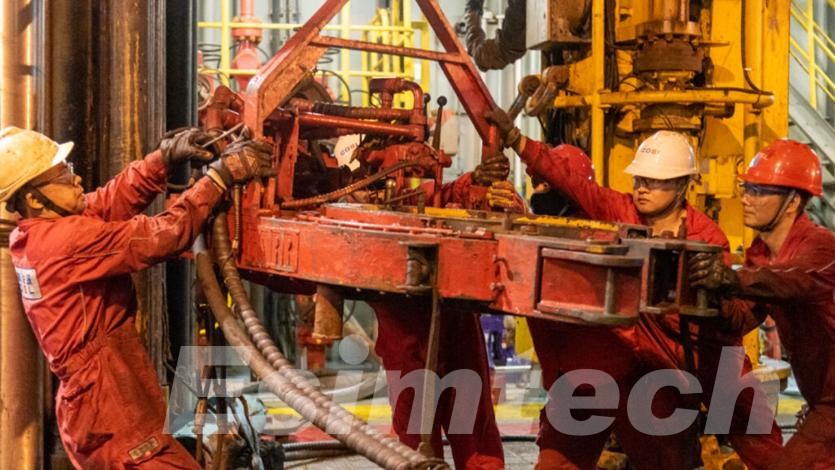
Live well intervention is an intricate activity that demands accurate coordination between equipment and human operators. The operators need to manage many variables simultaneously. These variables include pressure, pipe movement, and equipment synchronization.
One of the risks in live well intervention is human error. The operators might not handle slips and pressure balancing properly. This is particularly risky in high-pressure wells. The margin for error is small.
Production Downtime Costs
Killing a well for intervention is costly. This involves pumping fluids and stabilizing pressure, as well as damage to the formation. More importantly, it involves production shutdowns.
For high-production wells, shutting down for an hour may be costly in terms of revenue loss. Restarting production also requires time and may not be immediate. For this reason, operators prefer solutions that do not require shutting in production.
Why Hydraulic Snubbing Units Are Essential?
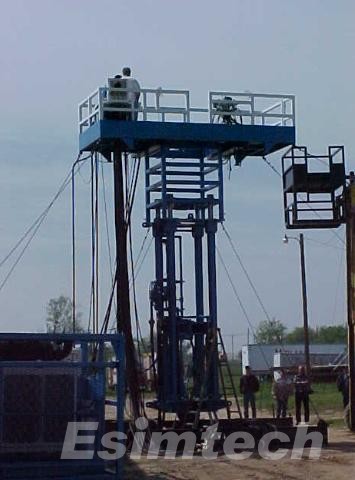
Hydraulic snubbing units address the issues with live well operations in the following ways:
- Firstly, the system offers positive pressure control. The system provides a closed environment that allows for the movement of the pipes. This helps in controlling the risks of uncontrolled release.
- Secondly, the system allows for continuous operations under pressure. The system does not require the well to be killed. This implies that the well can be produced even during the intervention process. This is important in mature fields.
- Thirdly, snubbing units increase operational precision. Hydraulic systems allow for the controlled insertion or withdrawal of tubulars even in high-pressure conditions. Such precision is hard to achieve with other rigs.
- Lastly, snubbing units increase worker safety. The system reduces exposure to high-pressure hazards. Safety features have been built into the unit, which enable quicker response in case of abnormal conditions.
- Lastly, it helps in cost efficiency. The equipment itself is specialized, but it also helps in reducing costs associated with shutdowns, time, and accidents.
In practice, snubbing units are not optional for many live well scenarios—they are the only viable solution.
Applications and Advantages in Modern Oil & Gas Operations
Hydraulic Snubbing units are commonly employed in both onshore and offshore operations.
Some of the operations performed by Hydraulic Snubbing units include:
- Running and pulling of tubing in live wells
- Clean-out operations
- Fishing operations
- Setting and pulling of plugs
- Recompletion and workover operations
For such an environment, where rig availability is limited and costs are high, a snubbing unit can be an attractive solution for its compactness and efficiency.
When compared to coiled tubing, the snubbing unit is better suited for operations requiring rigid pipe and force control. When compared to conventional workover rigs, the snubbing unit offers the advantage of operations under pressure.
This creates a flexible tool that addresses an important gap in well intervention services.
Snubbing Simulator Enhance Operational Safety
A snubbing simulator is defined as “a specialized training system which simulates actual hydraulic snubbing operations in a safe environment. It is used to allow operators to safely practice running and pulling pipe, and responding to emergency conditions without actually putting the well or personnel at risk. Simulated conditions include high pressure, equipment failures, and unexpected well behavior.”
This would enable teams to foresee such key events, thus reducing the probability of error in real operations. Consequently, there would be improvements in safety, operational, and standard procedure performance. When it comes to high-pressure live well interventions, the incorporation of a snubbing simulator would be an effective way of minimizing error in well control operations.
Final
The complexity and risks of live well operations are inherent. However, these are also critical in maintaining production in today’s oil and gas industry.
The hydraulic snubbing units are an efficient and tested answer. These enable live well operations to be carried out with critical interventions in pressure conditions.
When training is incorporated with proper support from snubbing simulators, it is an entire process. This is because equipment addresses the physical challenges, and training focuses on the human factor.
In an industry where safety and uptime are non-negotiable, hydraulic snubbing units are not optional. They are imperative.