Onshore vs. Offshore Oil and Gas: How to Make a Choice

Written By: Computer Science Professor
Deeply rooted in the R&D of simulators for the oil and gas industry, committed to bringing safety to every oil worker.
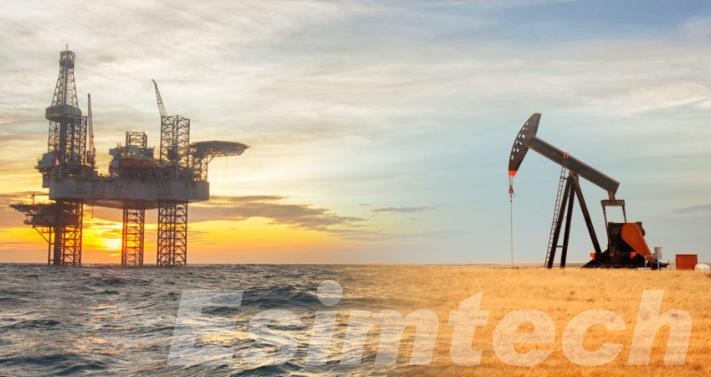
Oil and gas, they are basically vital energy resources that keep industries going, transportation moving, and households lit up across the world. Even if the hydrocarbon makeup of oil and gas is mostly similar, the way they are pulled out, and the overall setting where extraction happens, can look very different. Because of that, you usually end up with two major groupings, onshore oil and gas and offshore oil and gas , sorta like a split by location. Getting the actual distinctions betwwen onshore and offshore oil and gas clear matters a lot for energy professionals, people making policy, and investors, too.
Understanding Onshore Oil and Gas
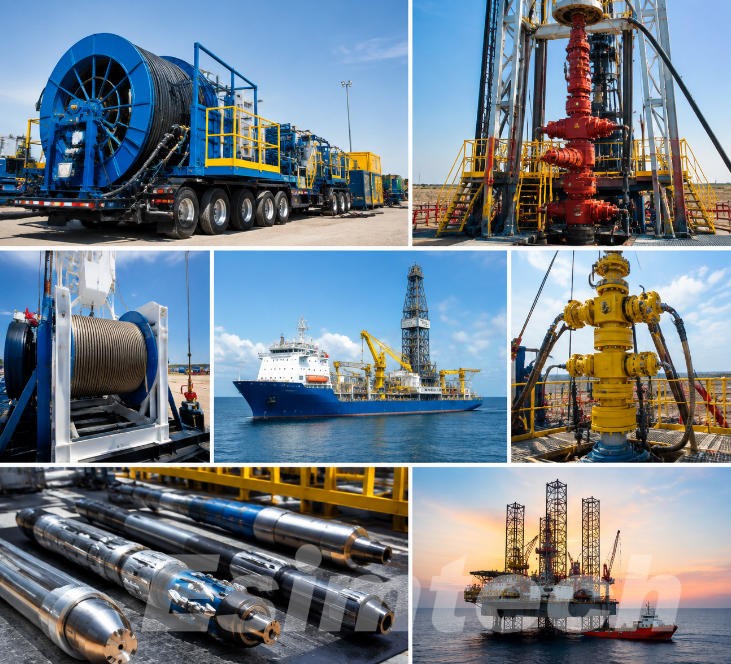
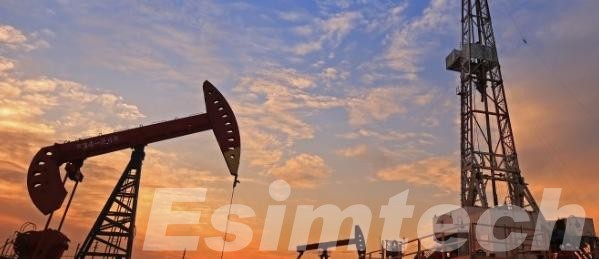
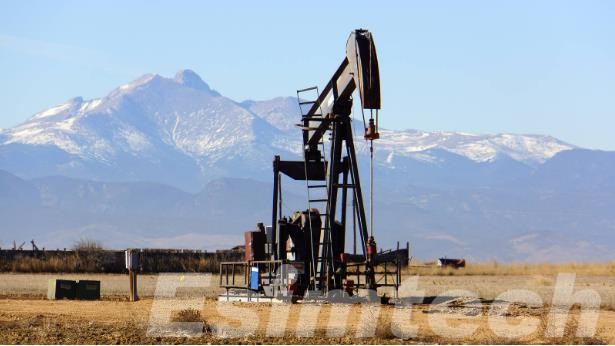
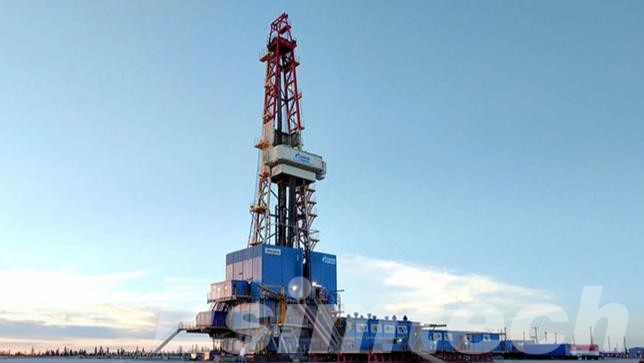
Onshore oil and gas means petroleum (crude oil) and natural gas deposits that sit beneath the Earth’s surface, but they’re on land rather than offshore. Those hydrocarbons matter a lot for world energy needs, they help run electricity generation, move things through transportation, support heating, and feed various industrial processes. To really get onshore oil and gas, you end up looking at how it’s pulled out, what kind of plus points come with land-based work, and also the difficulties that show up along the way.
Extraction Process
| Stage | Description |
| Site Selection & Exploration | Geologists analyze seismic surveys, geological maps, and other data to locate potential hydrocarbon reservoirs. Environmental assessments are conducted to ensure compliance with regulations. |
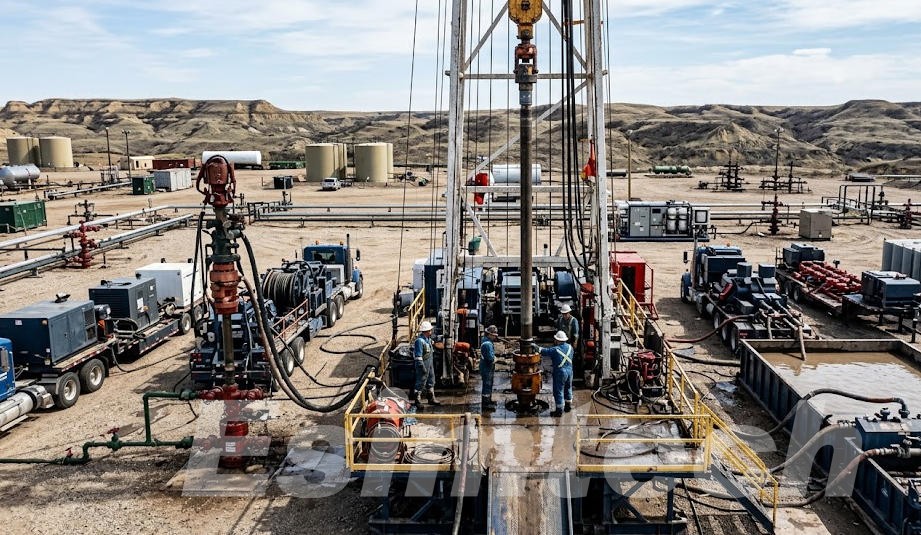
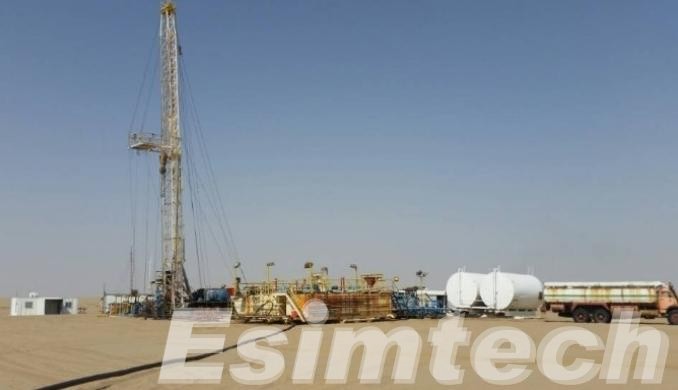
| Rig Setup | Land-based drilling rigs and supporting infrastructure are transported and assembled at the selected site. |
| Drilling | A drill bit penetrates underground rock layers to reach the reservoir. Drilling mud is circulated to cool the bit, remove rock cuttings, and maintain pressure in the well. |
| Casing & Cementing | Steel pipes are inserted into the well and cemented in place to stabilize the wellbore and prevent contamination of groundwater. |
| Well Testing & Completion | Reservoir tests assess the productivity of the well. Production tubing, valves, and other equipment are installed for controlled extraction. |
| Production & Transportation | Extracted oil or gas is transported via pipelines or trucks to processing plants, refineries, or storage facilities. |
| Monitoring & Maintenance | Continuous monitoring of pressure, flow, and equipment performance ensures safe and efficient operation. |
Advantages
- Easier Access: Land wells are usually more reachable than offshore wells so moving rigs, tools, and staff is less complicated.
- Lower Costs: Onshore drilling and the related infrastructure tend to need a smaller upfront investment compared with offshore projects.
- Simpler Logistics and Maintenance: Site equipment can be checked and repaired more easily, and if something goes wrong, responses are often faster.
- Lower Operational Risk: There’s less exposure to extreme weather, deepwater pressure issues, and those maritime hazards.
- Quicker Project Timelines: Drilling, well completion, and later production can roll out quicker because there are fewer technical constraints and not as many environmental restrictions.
Challenges
- Environmental Impact: Work on land can disturb soil, there’s a risk of groundwater issues, air emissions can rise, and habitats might be disrupted too.
- Regulatory compliance: Firms still have to follow strict rules covering environmental protection, workplace safety, plus land-use requirements.
- Geological Complexity: Some reservoirs are deep, broken up, or simply hard to reach, which may demand advanced drilling technology and more careful engineering.
- Community and Social Concerns: Local areas can feel the effects from noise, extra traffic, and sometimes land ownership disagreements.
- Finite Resources: Even though it’s onshore, reserves aren’t endless, so managers must handle them wisely and plan over the long run.
Understanding Offshore Oil and Gas
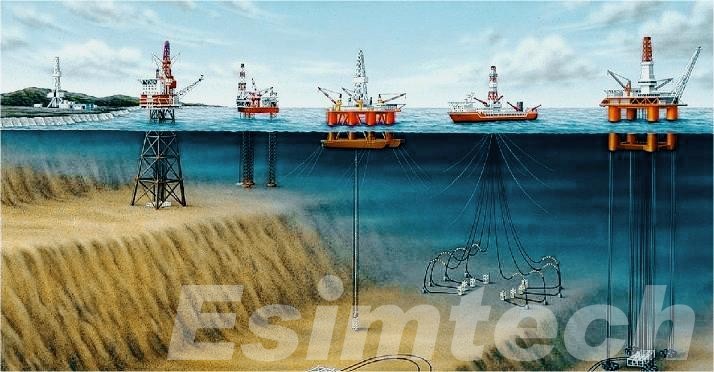
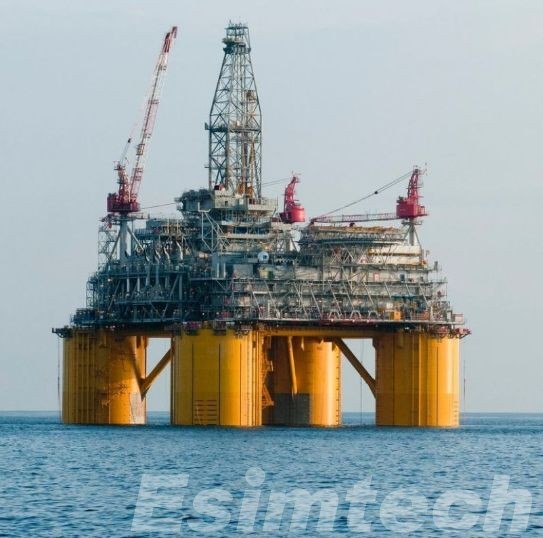
Offshore oil and gas are basically petroleum and natural gas reserves sitting under the seabed, in oceans seas, or other big water areas. People can access these reserves with specialized drilling platforms and certain technology, mainly because the marine setting is really complicated. Offshore resources are kind of a major piece for global energy needs, especially where onshore reserves are scarce or not much exists.
Extraction Process
| Stage | Description |
| Exploration & Site Survey | Geologists and geophysicists conduct seismic surveys, magnetic studies, and sonar mapping to locate potential offshore hydrocarbon reservoirs. Environmental impact assessments are also conducted. |
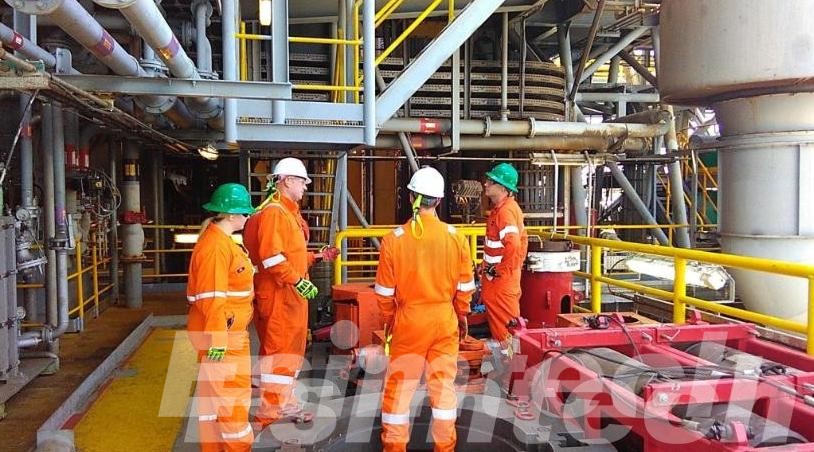
| Platform Installation | Depending on water depth and conditions, drilling may use fixed platforms, jack-up rigs, semi-submersible rigs, drillships, or subsea systems. |
| Drilling | A drill bit bores through the seabed to reach the reservoir. Drilling fluids are used to cool the bit, remove cuttings, and maintain pressure. |
| Casing & Cementing | Steel casings are inserted and cemented to stabilize the wellbore, protect the environment, and ensure well integrity. |
| Well Testing & Completion | Reservoir tests are performed to assess flow rates and pressure. Production equipment is installed on the platform or subsea system. |
| Production & Transportation | Extracted oil or gas is transported to shore via undersea pipelines or converted to liquefied natural gas (LNG) for shipment. |
| Monitoring & Maintenance | Continuous monitoring of equipment and environmental conditions ensures safety and operational efficiency. Subsea systems are often remotely monitored. |
Advantages
- Access to Large Reserves: Offshore fields often hold huge hydrocarbon deposits you usually dont find onshore.
- Strategic Energy Supply: Offshore development can support energy security, and it can also bring export value for countries that have limited land-based reserves.
- Technological Innovation: Working in deepwater and ultra-deepwater pushes progress in drilling methods, subsea engineering, and safety tools.
- Economic Opportunities: Offshore projects bring employment, build infrastructure, and generate big income for operators as well as for host countries.
Challenges
- High Costs: Getting offshore platforms, subsea equipment, and pipelines in place, and keeping them running costs a lot up front, plus ongoing maintenance.
- Technical Complexity: Deep-water drilling deals with high pressure, extreme temperatures, and operations that are far away and hard to reach.
- Environmental Risks: Offshore drilling can trigger oil spills, mess with marine habitats, and contaminate the water.
- Safety Concerns: Bad weather, hurricanes, and remote locations raise the odds of accidents and operational trouble.
- Logistical Challenges: Transporting equipment, personnel, and extracted hydrocarbons is more complex than onshore operations.
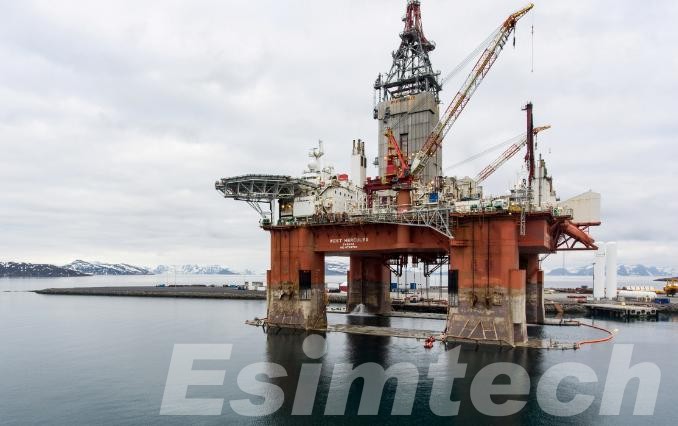
Key Differences Between Onshore and Offshore Oil and Gas
| Aspect | Onshore Oil and Gas | Offshore Oil and Gas |
| Location | Reserves located beneath land | Reserves located beneath the seabed in oceans or seas |
| Access | Easier access via land-based rigs | Requires specialized platforms, floating rigs, or subsea systems |
| Drilling Complexity | Less complex, conventional drilling methods | Technically complex due to water depth, pressure, and marine conditions |
| Infrastructure | Land-based pipelines, storage, and processing facilities | Offshore platforms, subsea pipelines, and sometimes LNG terminals |
| Cost | Lower capital and operational costs | High costs due to equipment, maintenance, and logistics |
| Environmental Risk | Land disturbance, groundwater contamination, ecosystem disruption | Oil spills, marine ecosystem damage, and complex environmental management |
| Operational Risk | Relatively low; easier maintenance | Higher; harsh weather, deepwater hazards, remote operations |
| Production & Transportation | Pipelines or trucks to refineries and storage | Subsea pipelines to shore or LNG for shipment |
| Project Timeline | Generally faster to set up and maintain | Longer due to installation of platforms and subsea systems |
| Reserve Size | Often smaller compared to offshore | Offshore fields often contain larger and more strategic reserves |
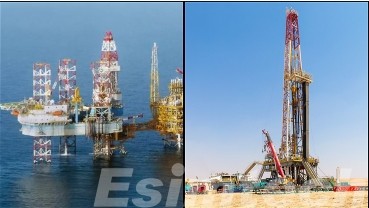
Key Considerations for Choosing Between Onshore and Offshore Oil and Gas
1. Location and Accessibility
The geographic location of the reserves is often, the primary factor. Onshore reserves are located beneath the Earth’s surface on land so they give easier access for drilling rigs, personnel and the needed equipment. This accessibility usually enables faster deployment and simpler maintenance, though it can vary. Offshore reserves, found beneath the seabed, need specialized platforms, floating rigs or subsea systems. The marine environment brings in technical complications and it makes access more complex, especially in deepwater areas.
2. Technical Complexity and Infrastructure
The complexity of drilling operations, and the infrastructure that has to show up is another big consideration. Onshore drilling uses conventional land-based rigs with more or less straightforward pipelines, storage, and processing facilities. Maintenance is more simple, and logistics is less challenging, mostly. Offshore operations though, demand highly specialized platforms, subsea pipelines, and at times liquefied natural gas (LNG) facilities. Deepwater drilling and ultra-deepwater drilling also add technical risk, and they need advanced monitoring along with remote control systems to keep operational safety and efficiency on track.
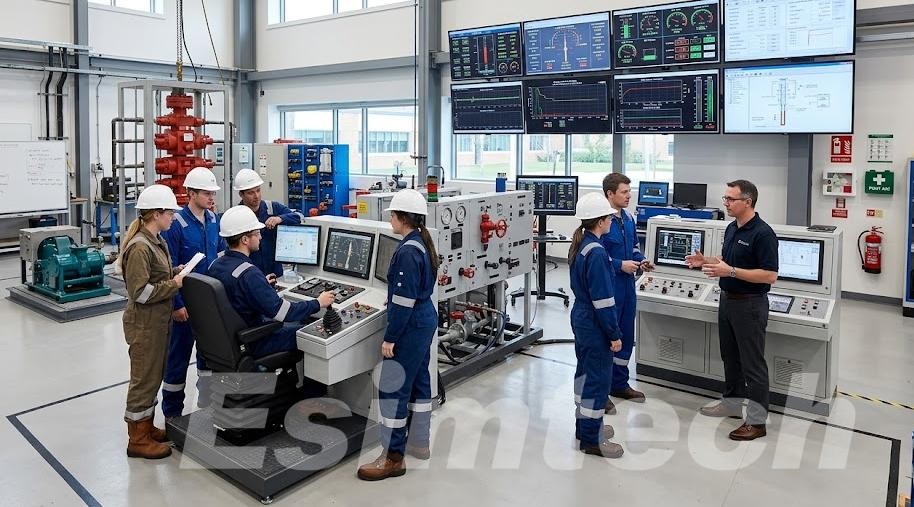
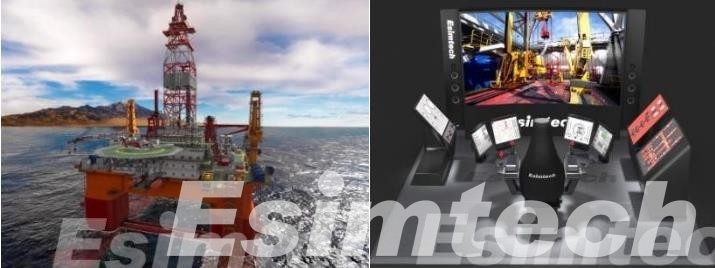
Evaluate the technological feasibility of both onshore and offshore oil and gas drilling operations. Consider the availability of advanced drilling technologies such as oil and gas simulation technologies, safety measures like blowout preventer (BOP), and environmental protection techniques.
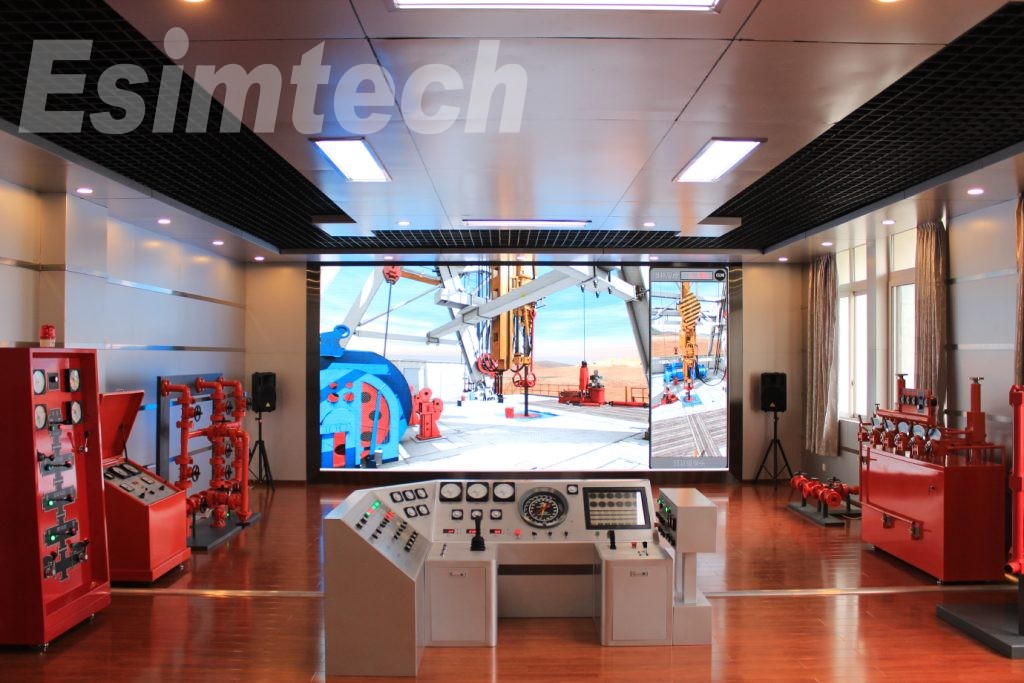
The following chart summarizing how simulation technologies are used for onshore and offshore oil and gas.
| Simulation Technology | Onshore Applications | Offshore Applications |
| Reservoir Simulation | Models subsurface reservoirs to predict oil and gas flow, optimize drilling locations, and plan production. | Used for deepwater and complex offshore reservoirs to forecast production, pressure behavior, and fluid flow under varying conditions. |
| Drilling Simulation | Helps plan well trajectories, predict drilling challenges, and optimize equipment use for land-based wells. | Simulates offshore drilling in challenging marine environments, including riser behavior, wellbore stability, and subsea conditions. |
| Production Optimization Simulation | Models onshore production facilities, pipeline flow, and pressure management to maximize output and minimize downtime. | Simulates offshore platform operations, subsea systems, and pipeline networks for efficient production under dynamic ocean conditions. |
| Safety and Emergency Response Simulation | Evaluates blowout scenarios, fire hazards, and environmental risks for onshore drilling sites. | Models offshore safety scenarios, including oil spills, blowouts, and extreme weather, to improve emergency response plans. |
| Environmental Impact Simulation | Predicts land disturbance, groundwater impact, and emissions from onshore drilling operations. | Assesses marine ecosystem impact, oil spill dispersion, and environmental compliance for offshore projects. |
| Logistics and Operations Simulation | Optimizes transport of oil, gas, and equipment on land-based sites, reducing costs and delays. | Simulates offshore supply chain, crew transport, platform operations, and subsea equipment deployment for efficiency and risk mitigation. |
| Enhanced Recovery Simulation | Models enhanced oil recovery methods like water flooding or gas injection in onshore reservoirs. | Used for tertiary recovery techniques in offshore reservoirs, including CO₂ injection or chemical flooding under complex marine conditions. |
3. Cost and Investment
Financial considerations really end up being a key part of what is feasible. Onshore projects usually involve lower capital expenditure and more manageable operating costs. In general the risks are lower too, and the schedules tend to be shorter. Offshore projects cost a lot more because you need platforms, subsea equipment, transportation systems, plus extra safety measures. Still, offshore fields often hold more substantial reserves, so the bigger investment can be defended if the output volumes and long term profitability are strong enough.
4. Environmental and Safety Considerations
In project planning, environmental and safety matters are crucial in a way that gets ignored too often. For onshore operations there are impacts to land, water sources, and ecosystems , which means regulatory compliance is needed, plus community engagement, even if it slows things down. Offshore projects then add their own set of concerns like oil spills, disruption to marine habitat, and extreme weather conditions, which can change plans fast. To handle this, advanced safety systems, continuous monitoring, and contingency planning are essential for lowering those risks. The tricky part is balancing ecological responsibility with production objectives, for both onshore and offshore work.
5. Strategic and Economic Implications
Beyond the technical and environmental aspects, strategic plus economic angles really shape the choice. Onshore reserves are often easier to reach for smaller operators and for emerging markets, mostly because of lower costs and also simpler logistics. Offshore resources, even when they are pricier and more complicated, can still bring strong long-term energy security and real export opportunities. If a country or a company has limited onshore reserves, they may lean toward offshore development in order to lock in large-scale supply and keep up strategic competitiveness.
Summary
- Onshore oil and gas projects offer lower costs, easier access, and faster implementation.
- Offshore oil and gas projects provide access to large and strategically important reserves at the expense of higher technical and financial demands.
Final Thoughts
Both onshore and offshore oil and gas are crucial to the global energy supply, but they differ meaningfully in how extraction is carried out, in costs, risks, and the supporting infrastructure needed. Understanding these differences helps stakeholders decide better about where to explore, what to fund, and how to manage energy in a sustainable way.