How to Integrate the Automation into Top Drive Systems

Written By: Computer Science Professor
Deeply rooted in the R&D of simulators for the oil and gas industry, committed to bringing safety to every oil worker.
Top drive systems are crucial equipment parts of modern drilling rigs as they provide the mechanical strength to rotate the drill string. These systems are a vital key to deep-water drilling, unconventional oil and gas extraction, and other highly advanced drilling tasks. Automation in top drive systems is changing the pattern of operations in drilling, which is relieving pressure on drillers, diminishing man-error, and improving safety.
What are Top Drive Systems
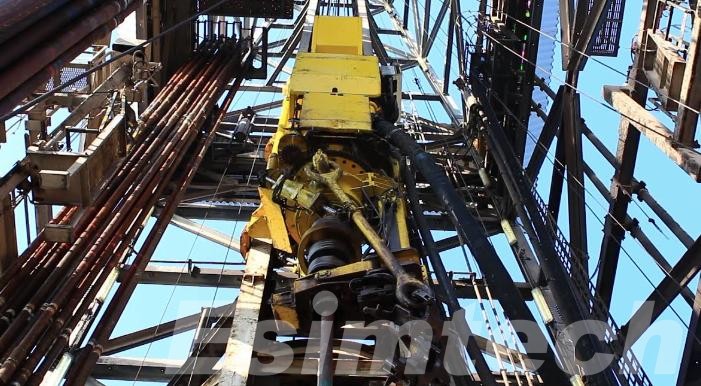
Top drive systems are mechanical devices mounted on drilling rig derricks. They rotate the drill string during drilling processes. Unlike traditional rotary systems, which rotate the entire drillstring off the floor of a rig, top drive systems enable rotation from the top of the wellbore and offer more control in the drilling process, reducing the risk of stuck pipe incidents.
Key Components of Automated Top Drive Systems
The automation of top drive systems involves the integration of advanced sensors, control systems, and robotics to optimize the operation of the system. Automation streamlines various aspects of the drilling process, from the rotation of the drill string to the monitoring of critical parameters.
1. Rotational Mechanism
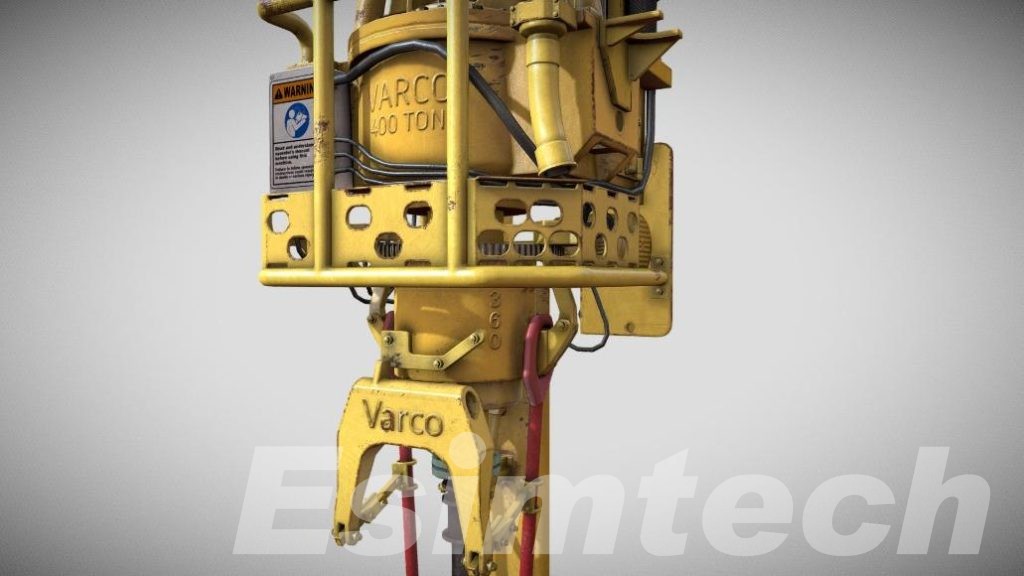
Enabling, beyond all questions, the most significant necessary design of a top drive system is the rotational mechanism, which gives enough torque to simultaneously rotate the drill string. In automation case, these devices would be characterized by better controls with numerous sensors, allowing this driver to have full control at specific speeds for fine rotation or torque; at the same time, they can monitor appropriate signals from these sensors to optimize drilling performance and prevent stuck pipe or drilling failure.
The automatic rotor disk can be configured to resist different drilling conditions to provide lower penetration rates and maintenance costs due to mechanical failures.
2. Control Systems
It is responsible for providing automatic top drive through sensing process to supervise and change the whole operation remotely. It comprises sensors, motors, and actuators all inputs monitor real-time control of data to measure drilling operations like weight-on-bit (WOB), torque, and spinning speed. Data from sensors, namely torque sensors, vibration sensors, pressure gauges installed on the rig, control the monitoring of the drilling processes.
The sophisticated control systems incorporate predictive algorithms and machine learning to adjust the drilling parameters on the go, based on the real-time assessment of the situation. This guarantees optimum drilling performance, enhances efficiency, and reduces the need for manual interventions, which would otherwise cause human error.
3. Sensors and Monitoring Systems
An automated top drive system is incomplete without a network of sensors that precisely monitor a wide range of operational parameters every second. These include torque, vibration, temperature, [a] pressure, and weight on bit (WOB), all of which significantly influence drilling efficiency and security.
Sensors keep an update on the equipment and the well continuously, sending information to the control systems for its assessment. The information is used by the operators to alter drilling parameters enabling the optimization of drilling. The combination of these sensors with predictive analytics is instrumental in predicting future failures or when there are technological glitches before they become serious problems; should excessive torque be detected, the system can be put into an automatic mode for setting the drilling parameter or to terminate the drilling process to prevent any further damage.
4. Actuators and Hydraulic Systems
Actuators play an essential role in your top drive system by executing commands given by the control system. These devices also convert electrical signals into mechanical motion to control the movement of various parts within the top drive system. They are prevalently used to regulate the height of the top drive unit, rotate the drill string, and apply pressure or force as necessary.
To provide the necessary force for movement, hydraulic systems are often coupled with actuators. Hydraulic pumps and cylinders allow the drill rig to exert the force necessary for lifting and rotation.
The top drive system includes a hydraulic system integrated into the pneumatic and mechanical elements in such a manner as to ensure precise and smooth operation even under harsh drilling conditions.
5. Communication Systems
The communication system is an interface that makes sure that all parts of the automated top drive system work together. Information is exchanged amongst sensors, actuators, and the control system so that data could be monitored and adjusted at any time.
Contemporary automated systems utilize Wi-Fi, satellite links, or private radio communications to allow data transfers over extensive distances. This is particularly leveraged in offshore or remote drilling operations where the control room is a considerable distance from the drilling rig. The communication system also provides for telemetry; it effectively offers the possibility of using a PLC computer terminal to monitor general drilling performance and trigger adjustments from a a centralized location.
6. Safety and Emergency Shutdown Systems
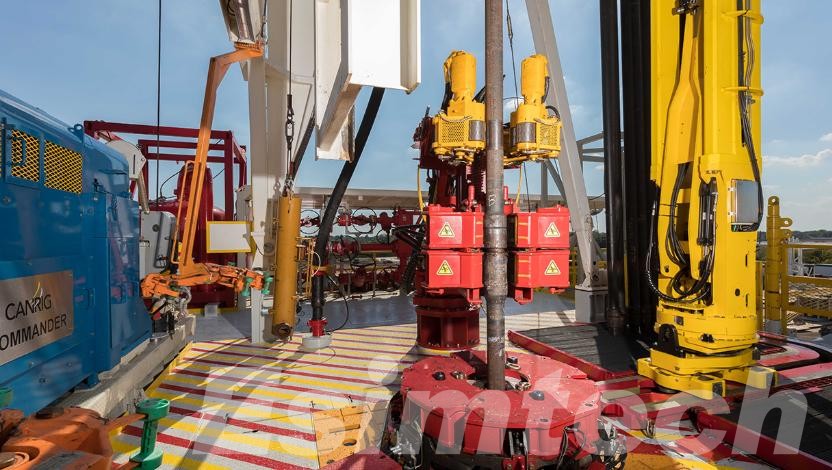
Safety is paramount in drilling, hence the necessity of placing advanced automated top drive system safety features and packaged control technologies to manage risk in place. Emergency shutdown systems are part of the control architecture in order to automatically shut down the system in a dangerous situation. For instance, if the system detects vibration or pressure exceedance that could indicate, for example, a well control problem, the system will shut down right away.
Automated drilling system reduces the risk of human error by removing operators from dangerous areas like the drill floor during critical operations. Similarly, the operator can also observe the system from a distance when using an automatic top drive to minimize the chances of accidents occurring.
7. Power Supply and Energy Management Systems
The power supply has to be reliable for a trusty operation of automated top drive systems. Usually, these systems are electrical motor-driven that provide the necessary torque for turning the drill pipe. The power supply is connected to a centralized energy management system that ensures the continuous supply of energy to all parts of the top-drive system.
The energy management system optimizes the power utilization such that the entire system functions efficiently with minimum energy use. By closely monitoring energy consumption and modifying the equipment’s power output, the system provides a lower cost of operation with reduced energy wastage.
8. Software and Data Analytics Tools
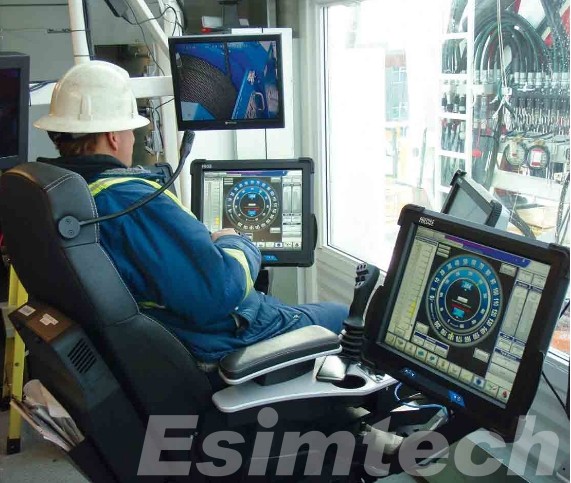
The advanced software and data analytics tools are integrated with automated top drives, to offer better performance. Such tools thereby collect the necessary data from the various sensors and control devices to provide operators with a lot of information useful on drilling performance. The software has the capacity to present real-time data displayed across a user-friendly format, allowing operators to make decisions promptly by using, for instance, performance graphs.
Data analytics tools also use historical data to predict optimal drilling parameters based on specific well conditions. Machine learning algorithms can analyze this data to automatically adjust drilling parameters, improving efficiency and minimizing downtime. Over time, these systems learn from past drilling operations, continuously optimizing performance.
How Simulation Technology is Used for the Automation of Top Drive Systems
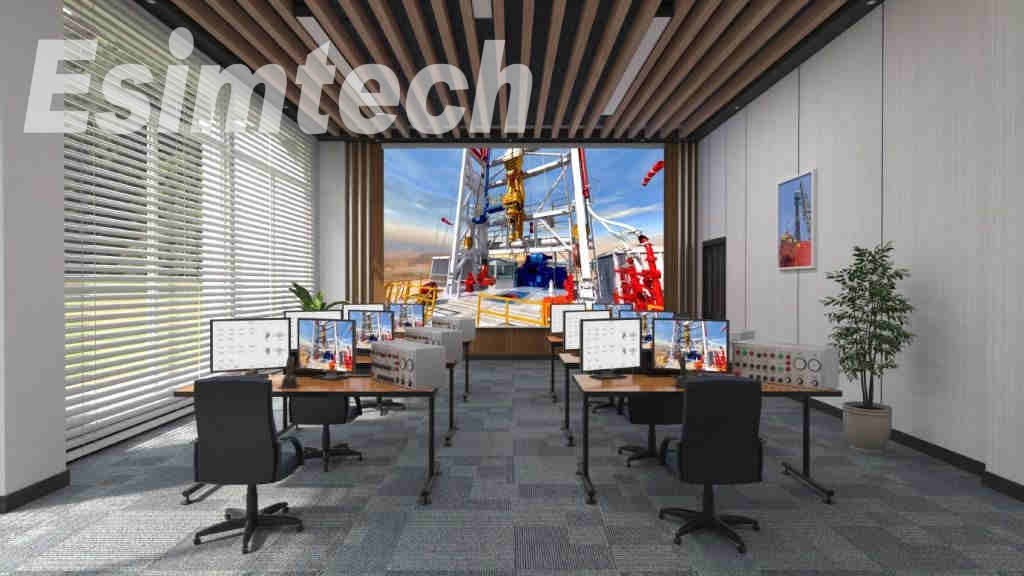
This chart highlights the various ways oil and gas simulation technology enhances the automation of top drive systems, showcasing its key benefits in improving efficiency, safety, and system performance.
| Simulation Technology | Description | Benefits |
| Virtual Modeling and System Design | Simulation technology is used to create digital models of top drive systems, including motors, actuators, and control systems. The top drive simulator models real-world conditions and behaviors. | – Optimizes design before physical implementation. – Allows for testing of different design scenarios. |
| Real-Time Performance Simulation | Simulations model the system’s real-time behavior using data from sensors to predict how the top drive system will perform under various operational conditions. | – Enables operators to adjust drilling parameters in a controlled virtual environment. – Reduces field testing time and costs. |
| Control System Testing and Validation | Simulation allows engineers to test and validate control algorithms that automatically adjust parameters like torque, WOB, and rotation speed in real-time operations. | – Ensures the reliability and accuracy of control systems. – Prevents malfunctions by testing systems under various scenarios. |
| Training and Operator Familiarization | Virtual drilling training simulators replicate real-world conditions, allowing operators to practice system operation and emergency response without real-world consequences. | – Enhances operator skill sets. – Reduces risk by preparing operators for real-world scenarios in a virtual environment. |
| Predictive Maintenance and Failure Analysis | Simulations predict wear and tear on components, identifying potential failures before they occur, based on operational conditions and historical data. | – Reduces downtime by proactively addressing maintenance needs. – Extends equipment lifespan. |
| Optimization of Drilling Parameters | Drilling simulation systems test various drilling parameters like weight on bit, torque, and rotation speed, optimizing them for efficiency under different geological conditions. | – Improves drilling performance and efficiency. – Ensures optimal system operation under varying conditions. |
| Environmental and Operational Adaptation | Simulation technology adapts the top drive system based on changes in environmental factors such as temperature, pressure, and geological conditions. | – Enhances system adaptability to challenging drilling environments. – Ensures consistent performance in diverse conditions. |
| Safety and Emergency Response Simulation | Emergency training simulators model various scenarios, such as over-torque, stuck pipe, or pressure spikes, and assess the system’s automated response to these events. | – Improves system safety by testing emergency protocols. – Ensures quick and accurate system responses in crisis situations. |
Challenges and Potential Solutions in Automating Top Drive Systems
Here’s a detailed chart providing the challenges faced in automating top drive systems and practical solutions for overcoming them.
| Challenges | Description | Potential Solutions |
| High Initial Costs | The upfront investment required to integrate automation into existing rigs is significant, especially for retrofitting older equipment. | – Use modular and scalable designs to reduce upfront costs. – Implement phased automation to spread out costs over time. |
| Integration with Existing Systems | Automating top drive systems on older rigs with non-standard configurations can be complex and costly. | – Develop adaptable automation systems that work across different rig setups. – Use middleware solutions to ensure smooth integration between new and existing equipment. |
| Complex Control Systems | The control systems for automated top drive units are sophisticated, requiring advanced programming, tuning, and constant monitoring. | – Simplify control interfaces with intuitive design and automatic adjustments. – Leverage machine learning algorithms to fine-tune drilling parameters automatically. |
| Reliability of Automated Components | Automated components, such as actuators and sensors, may be prone to malfunction, reducing the reliability of the entire system and causing downtime. | – Incorporate redundant systems to ensure operations continue if one component fails. – Implement predictive maintenance tools to monitor and replace parts before failure. |
| System Calibration and Fine-Tuning | Achieving the right balance of drilling parameters, such as torque and weight on bit, requires careful calibration and tuning, especially in varying geological conditions. | – Use simulation technologies to optimize and fine-tune systems before field implementation. – Continuously monitor and adjust settings based on real-time data. |
| Data Security and Cybersecurity Risks | The automation of top drive systems involves a lot of sensitive data, making them vulnerable to cyberattacks and data breaches. | – Use advanced encryption methods to secure data communication. – Implement multi-layered cybersecurity frameworks, including firewalls and intrusion detection systems. |
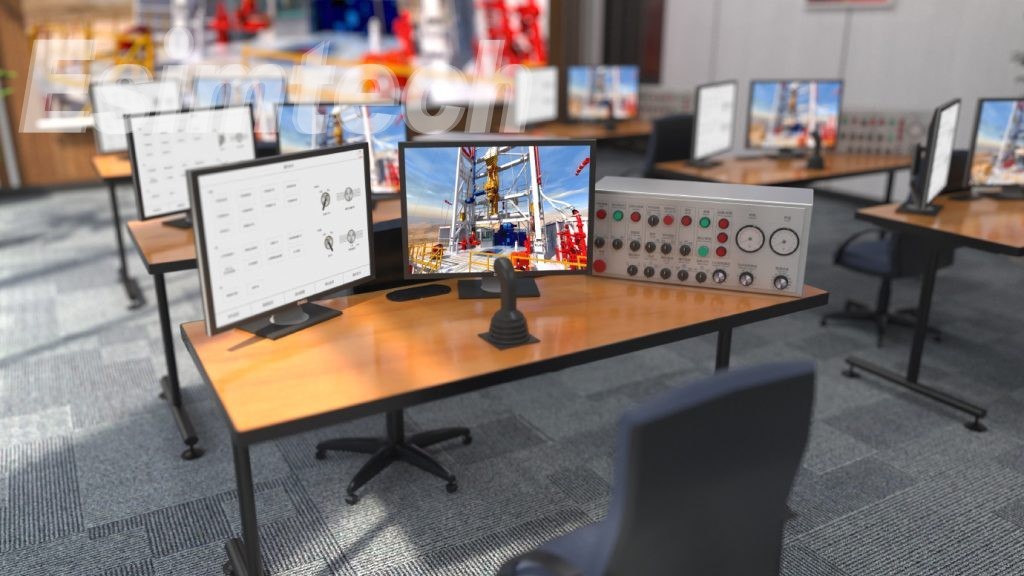
| Operator Skill Development and Training | Operators need to acquire new skills to work with automated systems. Lack of proper training can lead to operational errors or inefficiencies. | – Develop virtual training simulators for immersive, risk-free learning. – Provide continuous training and certification programs for operators to stay updated with technology. |
| Environmental Adaptability | Automated top drive systems must be able to function effectively in different environmental conditions, such as high pressure, extreme temperatures, or corrosive elements. | – Integrate sensors that monitor environmental changes and adjust system parameters automatically. – Use adaptive algorithms to optimize performance under various conditions. |
| System Complexity and Downtime | The complexity of automated systems increases the chances of malfunctions or downtime, requiring time-consuming troubleshooting and repairs. | – Simplify the design with modular components that are easy to replace. – Use remote monitoring tools to quickly identify and diagnose issues, reducing downtime. |
| Resistance to Change in the Workforce | Many workers may be hesitant to embrace automation due to fear of job loss or unfamiliarity with the new technology. | – Emphasize the safety, efficiency, and job-enhancement benefits of automation. – Involve workers in the design and testing phases, fostering a sense of ownership and collaboration. |
Final Words
The automation of top drive systems is undoubtedly a major innovation in the oil and gas industry, from improved safety and efficiency to reduced operational costs. While cost and training remain a barrier, the future of automation in drilling is bright.