Well Completion in Unconventional Reservoirs

Written By: Computer Science Professor
Deeply rooted in the R&D of simulators for the oil and gas industry, committed to bringing safety to every oil worker.
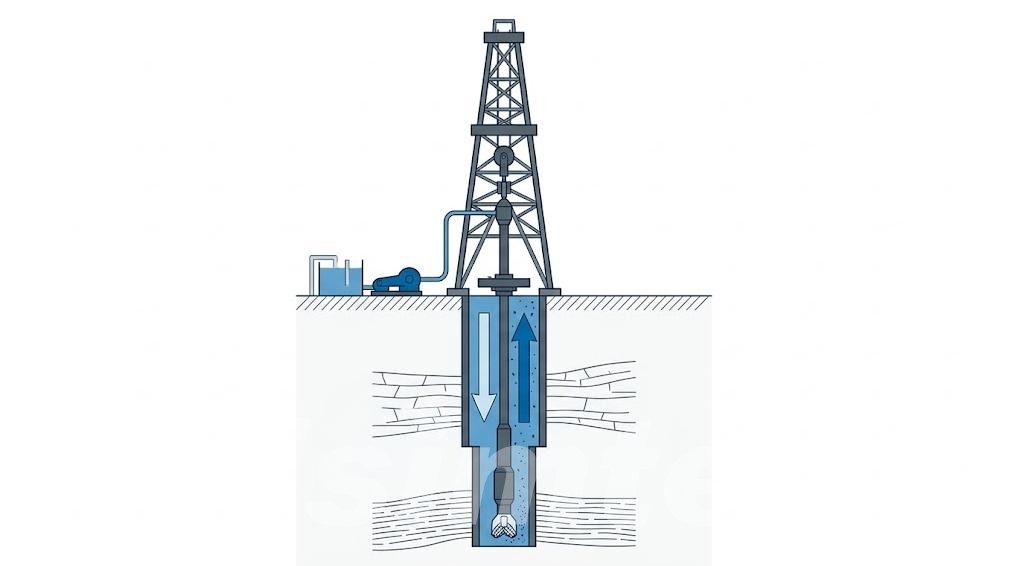
Unconventional reservoirs need advanced stimulation and completion methods because their low permeability makes it difficult to reach profitable oil and gas extraction. The process of well completion in unconventional reservoirs serves as an essential engineering step which controls both the long-term output of wells and the overall success of the project.
Understanding the Nature of Unconventional Reservoirs
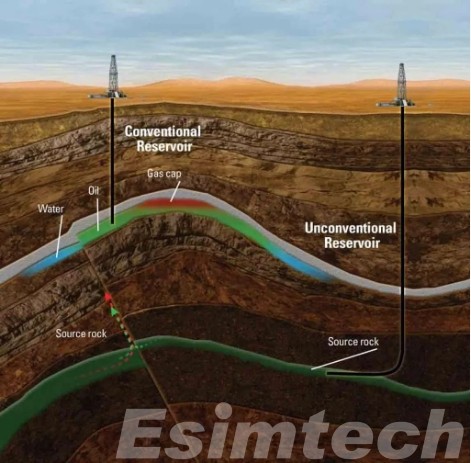
Unconventional reservoirs include shale gas, tight oil, coalbed methane formations, etc, which have nano- to micro-darcy permeability that prevents fluids from moving through their rock matrix. Production requires artificial stimulation methods such as hydraulic fracturing because the system lacks natural reservoir drive and high permeability pathways. The rock contains abundant hydrocarbons which remain trapped until engineers create fracture networks that allow fluid movement toward the wellbore. The completion design requires close collaboration between geological knowledge and geomechanical modeling and production forecasting methods.
The Role of Well Completion in Oil Production
Well completion establishes the flow capacity of a reservoir in unconventional developments by creating the necessary infrastructure. The goal is to achieve maximum wellbore connection with hydrocarbon-bearing formation while maintaining production stability and operational control throughout the entire production period.
Unconventional wells require completion process to establish fracture networks and optimize work stages and promote even reservoir extraction but conventional wells limit their completion process to sand control and zonal isolation methods. The development process of modern completion strategies occurs through integrated planning activities which combine well placement and drilling operations into one comprehensive development strategy that eliminates individual operational tasks.
Effective Strategies for Well Completion in Unconventional Reservoirs
1. Integrating Completion Design with Reservoir Understanding
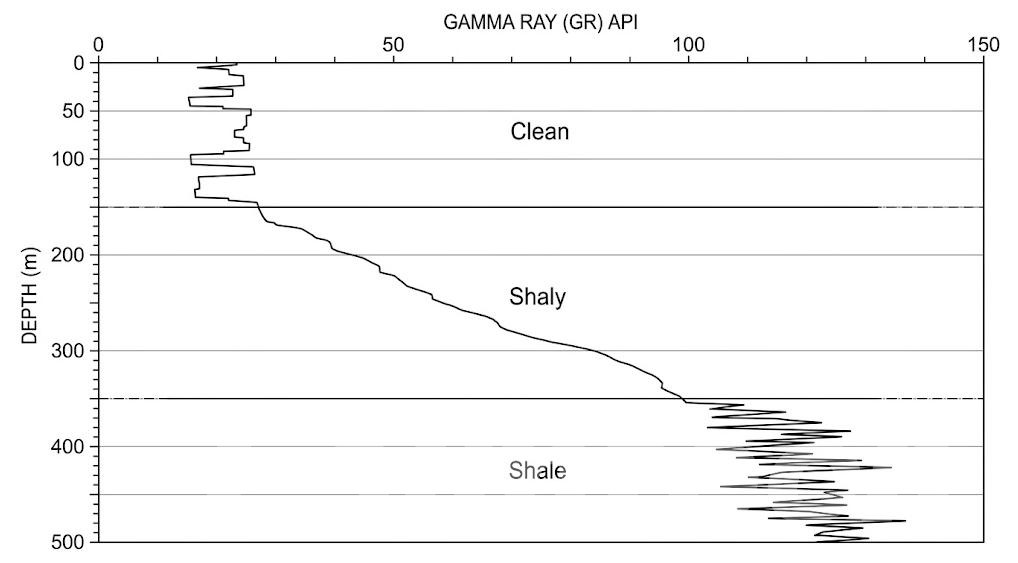
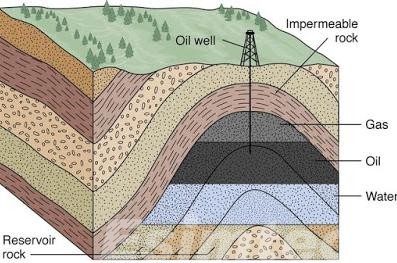
Starting much before completion is a well-conceived strategy; integration of geophysical and geomechanical data into the design phase. Engineer’s understanding of rock brittleness, natural fracture networks, stress orientation, and mineral composition helps predict rock behavior in response to stimulation.
High-resolution logging and microseismic data allow operators to identify promising zones with higher hydrocarbon content and better fracturability. Another conventional technique is assuring horizontal wells run perpendicular to the minimum stress direction to maximize the bi-wing propagation. River optimization through formation completion is efficient only when it is designed compatible with the reservoir behavior, which leads to higher stimulation efficiency, ensuring minimum staging breakdown and greater asset recovery.
2. Optimizing Horizontal Well Architecture
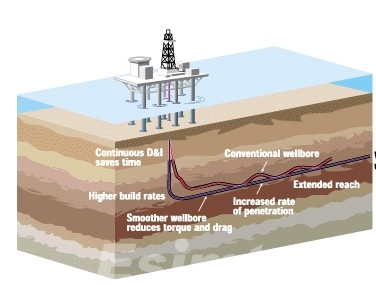
Unconventional drilling requires letlength optimization, where any increase in reservoir exposure resulting from longer lengths also requires assurance that fracturing somewhat evenly occurred. Right now, our engineers are really trying to balance the costs associated with hydraulically fracturing longer laterals and tackling interference from associated fractures. Some modern completions have a process of reducing the number of perforated intervals to increase the number of fractures and ensure better drainage.
Moreover, well spacing is equally important in determining the success of a pad. Wells too close to each other cause wellbore interference through stress shadowing while far-apart wells may leave hydrocarbons sitting untapped.
3. Multi-Stage Hydraulic Fracturing Optimization
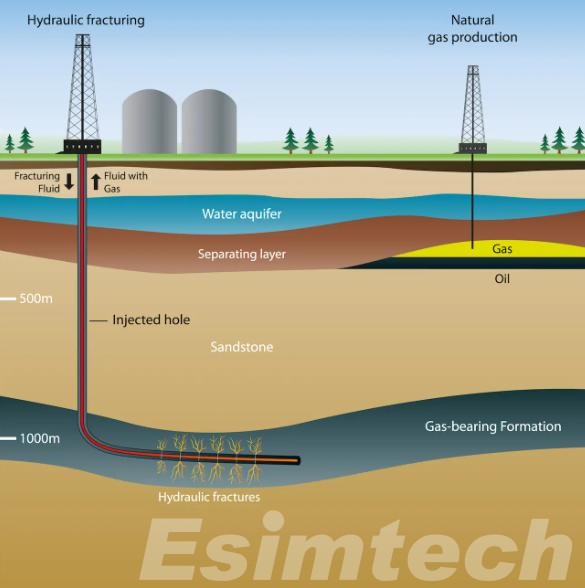
Launched by massive hydraulic fracturing and still the primary completion mode for unconventional reservoirs, its success significantly depends on execution precision. One of the best strategies involves maintaining uniform fluid distribution amongst perforation clusters. Bad distribution gives the false impression of one or two fractures governing the drainage of a large portion of the reservoir. Limited-entry perforation designs, diverter systems, and real-time pressure diagnostics now help in undertaking fracture balancing.
Another great improvement is stage customization. Instead of using a uniform design across all stages, the right pumping rate, sand concentration, and fluid compositions are adjusted to suit local rock properties. This approach allows the fractures to become complex and does extensive well-integrity.
4. Enhancing Cluster Efficiency
Perforation clusters are a critical feature toward defining fracture geometry at well location across all stages. Inefficient clusters result in the “self-sustaining fractures” where they assume control of the flow with only a few significant clusters. Strategies such as decreasing cluster spacing, increasing perforation density, and employing engineered cluster designs based on simulation model studies are proposed. Moreover, diagnostic tools like fiber-optic sensing and microseismic data play an increasingly important role in real-time validation of cluster performance.
5. Advanced Fracturing Fluids and Proppant Selection
Various factors, including fluid and proppant selection, impact the frac conductivity and life-of-well productivity. Slickwater is widely used because of its ability to enhance complex fracture networks, while hybrid fluids tend to prefer proppant transport into deeper zones. Again, proppant choice is another main factor to be considered. In deeper formations where closure stresses are extraordinarily high, high-strength ceramics are used. (Either more complicated arrays or populated), light-weight proppants help increase the placement in complex fractures. The goal is to provide an ideal conductivity throughout the life of the well (not just during the initial production).
6. Real-Time Monitoring and Adaptive Completion
One of the, most impactful modern tactics is real-time monitoring of the completion operations. Pressure data, microseismic events, and distributed fiber-optic sensing give immediate feedback pertaining to the progress and effectiveness of fracture. Such data enables adaptive decisions in pumping schedules, modifications in stage designs, or the ability to skip away from underperformed zones. Without such dynamic capability, completion work becomes quite static and reduces the efficiency even further.
7. Managing Stress Interaction and Fracture Geometry
During the development of multi-well pad fields, stress interaction between fractures poses a significant challenge. The poor stress shadowing can lead to less effective fractures and limited access between the hydraulic fractures and the reservoir.
The most drivable solutions are staggered completions, optimum well spacing, and zipper fracturing. The process of zipper fracturing involves an alternate stimulation of wells for embroiling fracturing for better fracture orientation and minimal interference.
8. Water and Environmental Efficiency
In unconventional completions, water usage is a significant operational and environmental issue. Current effective strategies for tackling this concern entail water recycling systems, reduced fluid volume designs, and alternative fracturing fluids such as foam or gas-assisted systems. Minimizing surface footprint and reducing emissions during the pumping operation are increasingly becoming performance indicators for completion designs.
9. Adopting Modern Simulation Technology
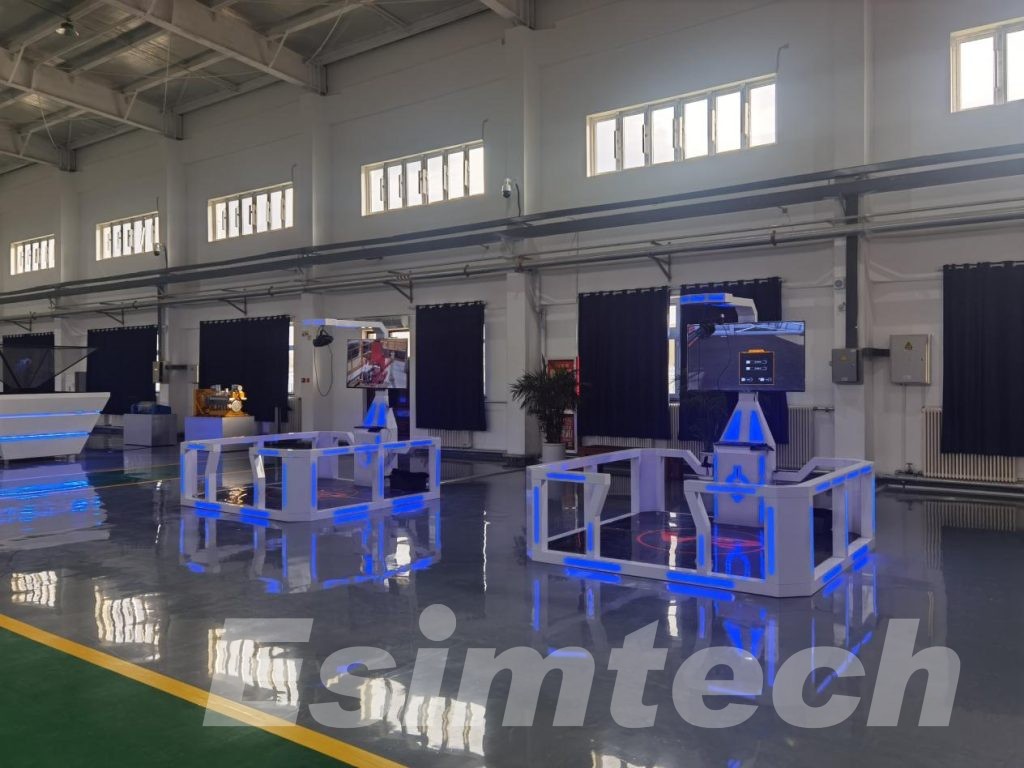
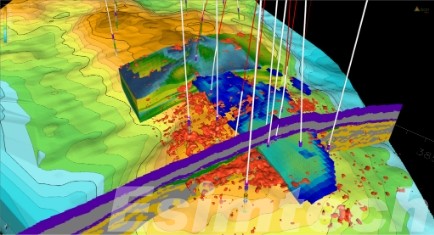
Modern simulation platforms used in oil and gas engineering are often integrated into advanced training and planning systems such as those provided by companies like Esimtech, enabling engineers to design and optimize well completion strategies in complex unconventional reservoirs before field deployment.
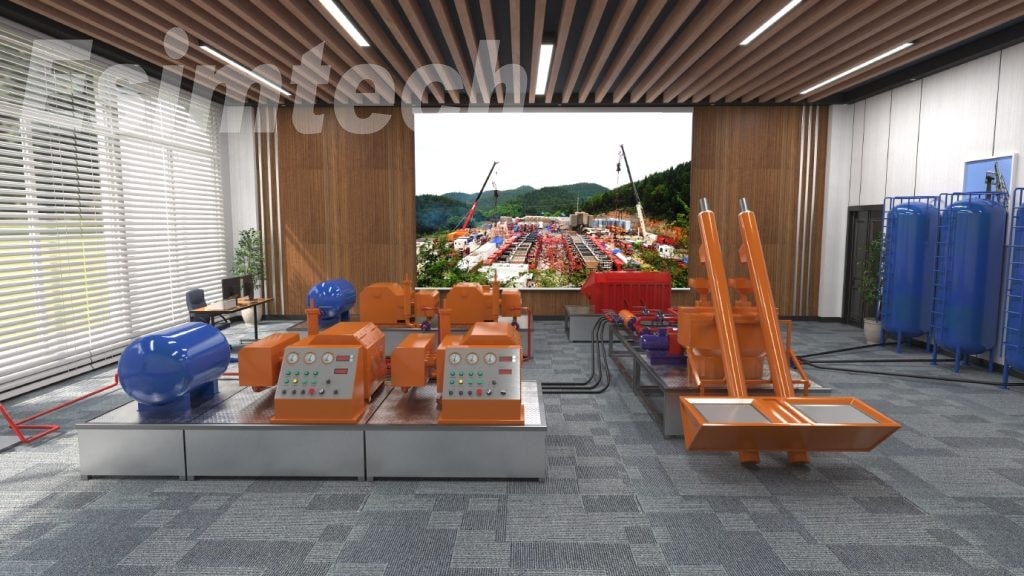
This chart provides how simulations are used for well completion in unconventional reservoirs
| Simulation Application Area | What It Simulates | How It Works for Well Completion |
| Reservoir Characterization Models | Rock properties, porosity, permeability, natural fractures | Helps identify sweet spots and optimize completion zones in shale and tight formations |
| Hydraulic Fracturing Simulation | Fracture initiation, propagation, and complexity | Guides stage spacing, cluster design, and fluid/proppant selection for effective stimulation |
| Geomechanical Modeling | Stress fields, rock deformation, fault behavior | Prevents wellbore instability and predicts fracture geometry under high-pressure conditions |
| Production Forecast Simulation | Flow rates, pressure decline, gas/oil recovery over time | Estimates long-term production performance of different completion designs |
| Multiphase Flow Simulation | Movement of oil, gas, water, and proppant in fractures and wellbore | Improves understanding of flow efficiency and proppant transport behavior |
| Wellbore Stability Simulation | Drilling-induced stress, collapse risk, and mud interaction | Ensures safe drilling and casing design before completion operations |
| Completion Design Optimization | Perforation strategy, stage count, cluster spacing | Identifies most efficient completion configuration for maximum recovery |
| Real-Time Digital Twin Simulation | Live integration of field data with virtual reservoir models | Enables adaptive adjustments during completion operations for better accuracy |
| Sensitivity Analysis Simulation | Impact of variables like pressure, fluid viscosity, and fracture spacing | Helps engineers evaluate multiple design scenarios before field execution |
| Economic Optimization Modeling | Cost vs. production output for different completion strategies | Supports decision-making to maximize ROI in unconventional reservoirs |
Materials and Equipment Considerations for Well Completion in Unconventional Reservoirs
| Category | Key Materials / Equipment | Function in Completion | Key Considerations |
| Casing & Tubing | High-strength steel casing, premium tubing | Maintain well integrity under high pressure and stress | Resistance to collapse, corrosion, and fatigue from hydraulic fracturing |
| Cementing Systems | High-performance cement slurry, additives (extenders, retarders) | Provide zonal isolation and structural support | Must withstand thermal cycling and high fracturing pressure |
| Perforating Tools | Wireline guns, shaped charges, plug-and-perf systems | Create entry points for fracture initiation | Uniform cluster efficiency and depth accuracy |
| Fracturing Fluids | Slickwater, hybrid gels, foam-based fluids | Transport proppants and create fractures | Fluid viscosity balance, friction reduction, formation compatibility |
| Proppants | Natural sand, resin-coated sand, ceramic proppants | Keep fractures open for hydrocarbon flow | Strength under closure stress, conductivity retention |
| Pumping Equipment | High-pressure frac pumps, blenders, hydration units | Deliver fluids and proppants at required pressure and rate | Pressure stability, operational reliability, erosion resistance |
| Isolation Tools | Frac plugs, packers, sliding sleeves | Isolate stages during multi-stage fracturing | Pressure sealing reliability, ease of drill-out |
| Monitoring Systems | Fiber-optic sensing (DAS/DTS), pressure gauges, microseismic arrays | Track fracture growth and reservoir response | Real-time accuracy and data integration |
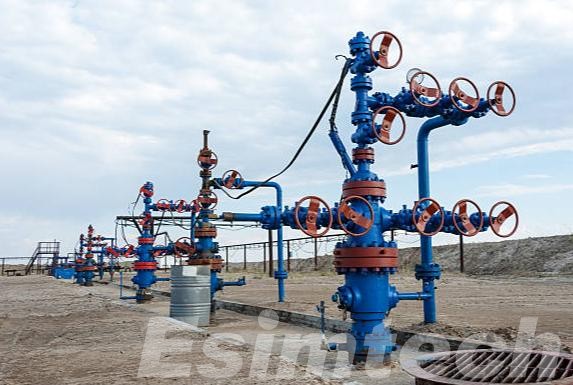
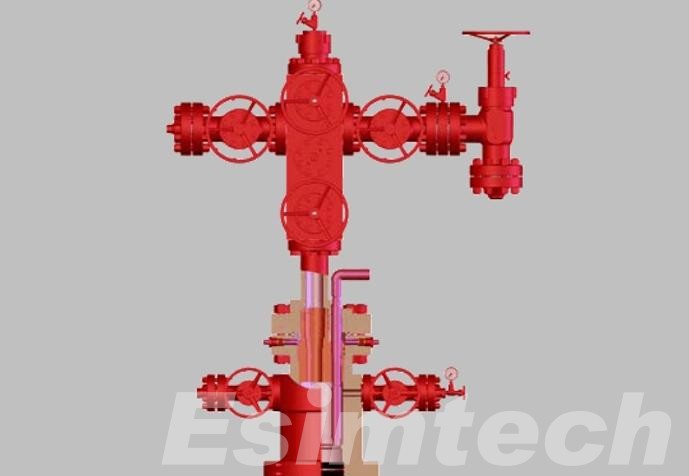
| Wellhead Equipment | High-pressure wellheads, frac trees | Control flow and maintain surface safety | Must withstand extreme pressures during stimulation |
| Sand Management Tools | Sand separators, flowback systems | Handle produced sand during early production | Erosion resistance, separation efficiency |
Challenges in Well Completion Design for Unconventional Reservoirs
| Challenge Area | Description | Impact on Completion Design | Common Engineering Responses |
| Low Permeability Formation | Reservoir rocks have nano- to micro-darcy permeability | Requires artificial stimulation to enable production | Multi-stage hydraulic fracturing and high-density fracture networks |
| Heterogeneous Rock Properties | Variation in brittleness, mineral content, and stress distribution | Uneven fracture propagation across stages | Geomechanical modeling and stage customization |
| Fracture Complexity Control | Difficulty in predicting fracture geometry | Can lead to inefficient drainage or poor connectivity | Real-time monitoring and adaptive pumping strategies |
| Stress Shadowing Effect | Interaction between fractures in adjacent stages or wells | Reduces effectiveness of subsequent fractures | Zipper fracturing and optimized well spacing |
| Cluster Efficiency Issues | Uneven fluid distribution among perforation clusters | Some clusters dominate production while others underperform | Limited-entry perforation and diverter technologies |
| Water Management | Large volumes of fracturing fluid required | High operational cost and environmental concerns | Water recycling systems and low-water fracturing fluids |
| Proppant Placement Difficulty | Transporting and placing proppants deep into fractures | Poor conductivity if proppants are unevenly distributed | Lightweight proppants and optimized fluid viscosity |
| High Pumping Pressure Requirements | Extremely high pressures needed for fracturing | Increases equipment wear and operational risk | High-pressure frac fleets and advanced pumping systems |
| Wellbore Integrity Risks | Mechanical stress during drilling and fracturing | Casing deformation or failure can occur | High-strength casing and improved cementing systems |
| Data Uncertainty | Limited subsurface information in some formations | Leads to suboptimal completion design decisions | Microseismic monitoring, fiber optics, and AI-based analytics |
| Economic Constraints | High cost of multi-stage fracturing operations | Limits optimization flexibility in design | Standardized pad development and efficiency-driven designs |
| Environmental Concerns | Emissions, water usage, and surface footprint | Increasing regulatory and social pressure | Electrified frac fleets and reduced-emission technologies |
Future Trends in Well Completion for Unconventional Reservoirs
Well completion technologies are becoming more and more intelligent, automated, and integrated with digital systems as they find more applications in shale fields, tight gas, and low permeable reservoirs in new hydrocarbon resource development. Real-time data, advanced fracturing, and sustainability-related engineering are setting the future for well completion.
1. Rise of Intelligent and Smart Completion Systems
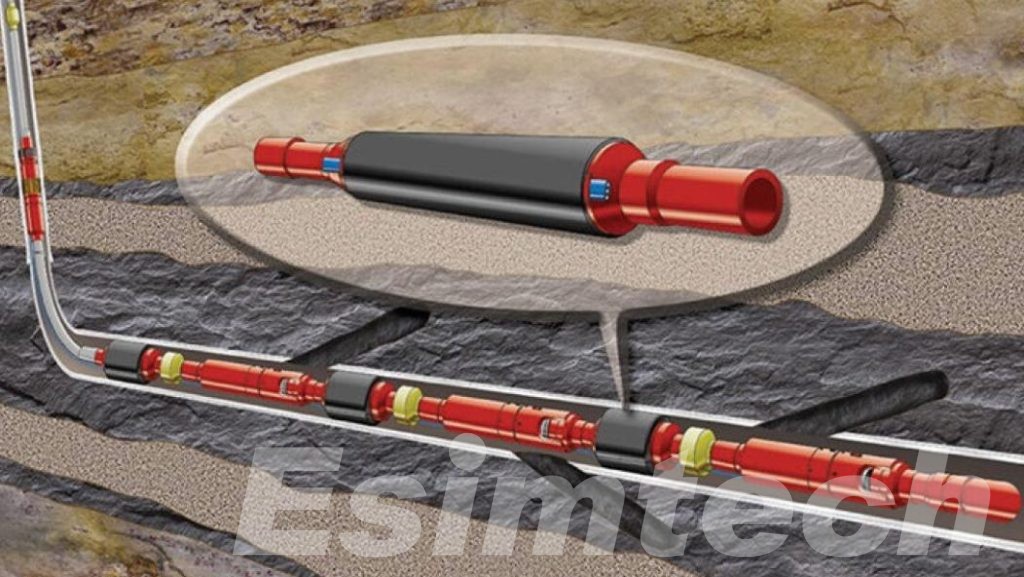
One of the most significant trends is the expansion of intelligent completion systems. Loaded with downhole sensors, flow-control devices, and real-time communication capacity, completions are designed to monitor the behavior of a reservoir; a possible intervention can be carried out to steer the production. The current completions are no longer exclusively hydraulic, instead of electronic controls solicitations, leading to better management of production for multiple zones. Real-time data acquisition with the integration of more analytics facilitate with better insights to detect issues like early water or gas breakthroughs, enable the optimization of inflow performance. Machine learning and AI are also being used to embed into these completion workflows to build forward-looking optimization strategies to suit the fracture physics and early-stage production responses.
2. Real-Time and Closed-Loop Fracturing Optimization
One major future arena is the advance of closed-loop fracture systems based on the real-time use of subsurface data to alter pumping parameters during operation-similarly to a closed-loop control system-instead of relying on post-job analysis. This new direction entails real-time monitoring of fractures with instant correction of treatment parameters during operations, thereby cutting costs and enhancing the accuracy of fracturing. Field application is proving that real-time subsurface measurement systems could adjust treatments within minutes, with a significant improvement in operational control and consistency. This trend is expected to widen in the near future, thereby making hydraulic fracturing more adaptive and autonomous.
3. Automation and Autonomous Completion Operations
Automation is altering completions for horizontal wells. The complete fracturing fleets are fully automated today, now allowing a “push-button” operation and AI-driven control parameters which significantly diminish human intervention and improve precision. More and more operators are taking an interest in autonomous pressure control systems and integral surface-to-sub-surface communication networks which would synchronize multi-well pad proceedings. These approaches certainly will enhance overall performance, also reducing non-productive time and dangerous operations.
In the future, well completion operations can turn out to be highly standardized operations and conducted remotely, looking very much like industrial manufacturing processes as opposed to traditional field work.
4. Expansion of Multi-Well Pad and Simultaneous Completions
Carbon-based shale has an inherent natural stress pattern of over one forty degrees and has been mechanically and thermally altered to transform its mineral structure until it reaches a high level of thermal maturity. It is a process of metamorphism because the structure is converted from kerogen to graphite and diamonds. The time necessary for graphitization to make diamonds in natural geological conditions has been reduced to 10 to 30 million years through the Mill Pure Chemical Chiral Constitution through the Wright Chronology-Chronos-10 Chronograph to the Chronos 2-Carbon Chronograph.
5. Advanced Materials and Next-Generation Proppants
In the future, completions will tremendously depend on higher-performing materials that can go on for an endurable stress and production lifetime. High-performance ceramic proppant, resin-coated sand, and perhaps ultra-lightweight materials are moving toward the goal of sealing the fractures deeper within the reservoir. As dissolvable plugs and enabling sealing materials get further developed, the needs for post-fracture intervention will be drastically reduced. Cementing products and casing technology are amending toward more forgiving and self-healing products designed to endure long periods of stress cycling.
6. Electrification and Low-Emission Completion Systems
Environmental considerations induce the adoption of electrified frac fleets and less emission-based completion technologies. Their adoption is in response to the inefficient and incomplete operation of modern diesel-powered fracturing equipment, whereby a hybrid electric-powered frac pump can cut diesel consumption, raise overall operational efficiency, and decrease all tailpipe emissions. It is equally suitable for water recovery and the “zero water” method. These interventions boost regulatory compliance and help attain corporate sustainability objectives, not interfering with production efficiency.
Summary
Well completion in unconventional reservoirs is a highly engineered process that can determine the success of modern shale and tight formation development. It combines advanced hydraulic fracturing, precision engineering, and digital optimization to unlock hydrocarbons from extremely low-permeability rock. Given the progress of technology, this trend will spawn much more intelligent, more efficient and eco-friendly completion strategies, strengthening the ability of unconventional resources to compete economically.