Effective Risk Management in Oil and Gas Production

Written By: Computer Science Professor
Deeply rooted in the R&D of simulators for the oil and gas industry, committed to bringing safety to every oil worker.
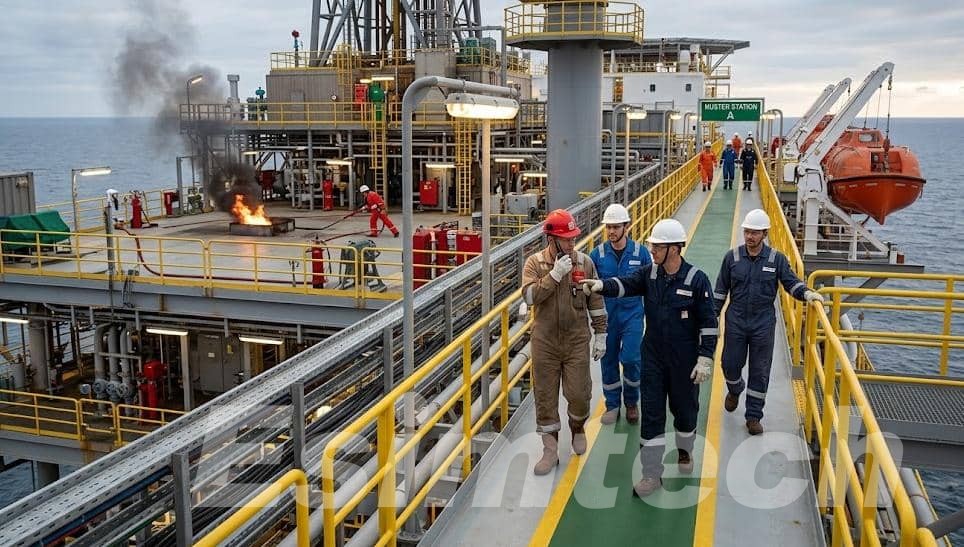
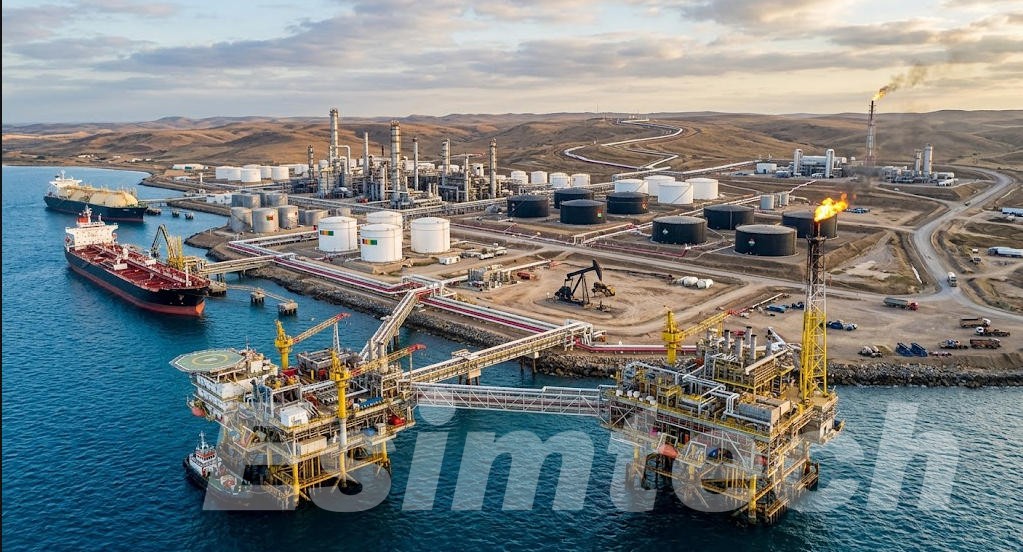
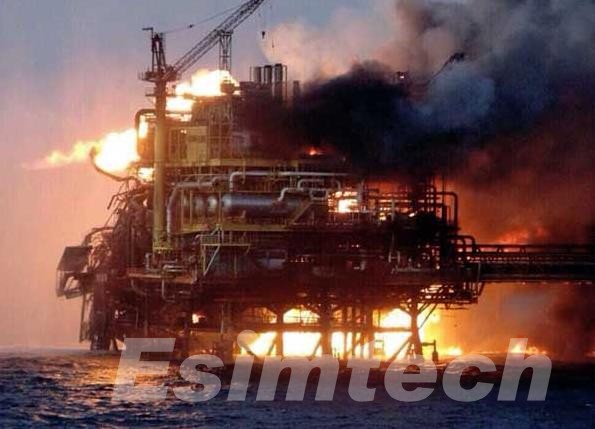
The oil and gas industry executes its operations as the world most challenging and dangerous industrial process. Drilling wells, operating offshore platforms, transporting hydrocarbons and maintaining processing facilities create multiple technical, environmental, financial and safety challenges throughout their entire operational production process. Companies need effective oil ans gas risk management to protect their employees and assets and surrounding communities and business operations. Companies that prioritize risk management in their operations can achieve better productivity results while decreasing expensive accidents.
Understanding Risk in Oil and Gas Production
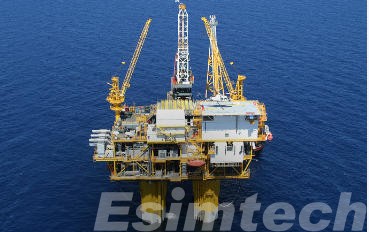
Risk in oil and gas production refers to the possibility of events that may negatively affect operations, people, the environment, or profitability. The production systems need to operate in their designated environments because they deal with high-pressure conditions and extreme temperature ranges and all dangerous operational situations, which makes them vulnerable to all types of operational failures.
Major Categories of Risks in Oil and Gas Production
| Risk Category | Description | Common Examples | Potential Impact |
| Operational Risks | Risks related to daily production activities and equipment performance. | Pump failures, pipeline leaks, valve malfunction, corrosion, downtime | Production loss, repair costs, delays |
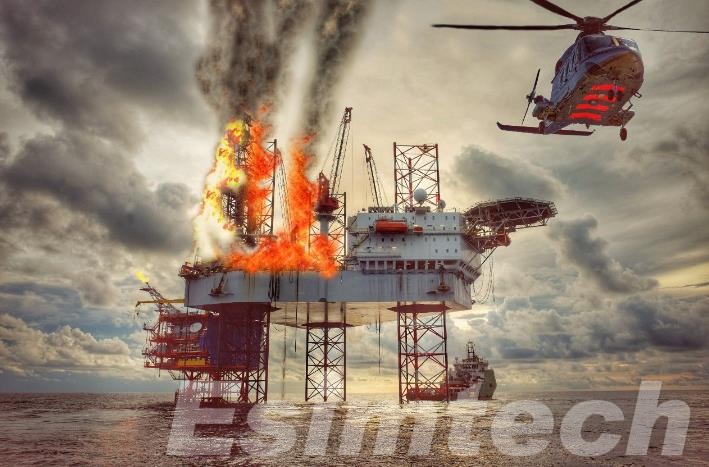
| Health and Safety Risks | Risks that may harm workers or contractors during operations. | Fires, explosions, toxic gas exposure, falls, confined space accidents | Injuries, fatalities, legal claims |
| Environmental Risks | Risks that may damage the environment or violate environmental regulations. | Oil spills, gas emissions, wastewater discharge, chemical leaks | Cleanup costs, fines, reputational damage |
| Financial Risks | Risks affecting profitability and project economics. | Oil price volatility, budget overruns, supply chain delays | Revenue loss, reduced investment returns |
| Regulatory Risks | Risks arising from changing laws, standards, or non-compliance. | Permit issues, reporting failures, safety violations | Fines, shutdowns, legal action |
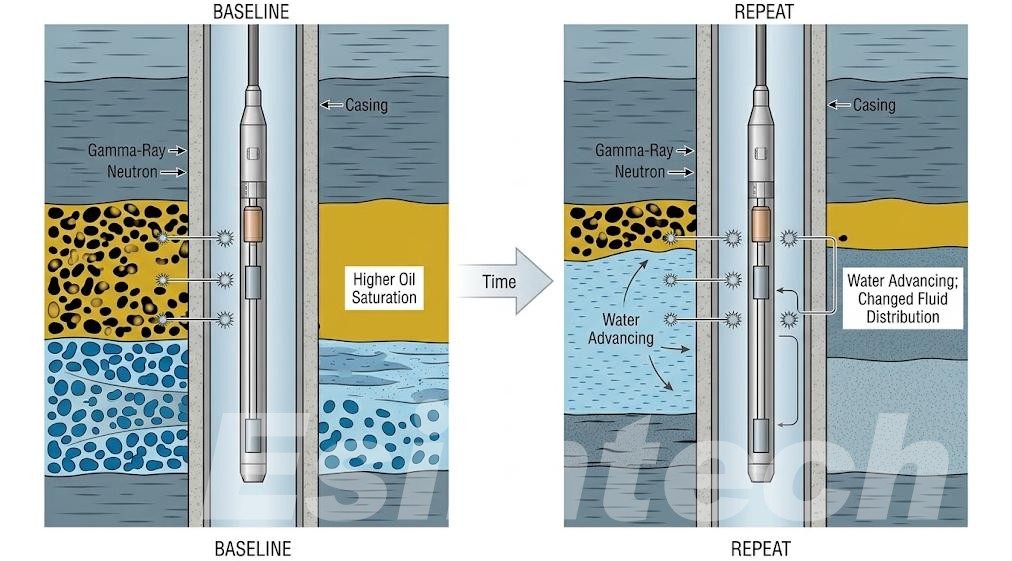
| Reservoir Risks | Risks related to uncertainty in subsurface resources and production behavior. | Lower-than-expected reserves, water breakthrough, pressure decline | Reduced output, poor recovery rates |
| Cybersecurity Risks | Risks targeting digital production and control systems. | Ransomware, data theft, SCADA attacks | Operational disruption, safety concerns, data loss |
| Natural Disaster Risks | Risks caused by extreme weather or geological events. | Hurricanes, earthquakes, floods, storms | Facility damage, shutdowns, safety hazards |
Key Steps of Risk Management in Oil and Gas Production
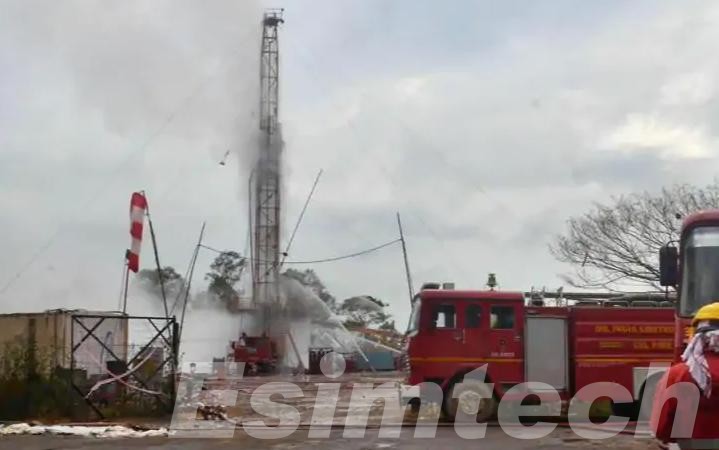
A structured risk management process in oil and gas production helps companies identify threats early, control hazards efficiently and respond effectively when incidents occur.
Step 1: Risk Identification
The foremost phase of risk control is identifying potential risks/hazards and vulnerabilities during the execution of all operational activities. This step includes evaluating production facilities, drilling sites, pipelines, storage systems, and support infrastructure to identify potential failures, disasters, or incidents.
Methods for identifying risks in a facility could include conducting site inspections, research in historical incidents, referencing hazard registers, obtaining feedback from employees and holding engineering studies. Risks might result due to corrosion, gas leaks, equipment failure, human error, natural disasters and supply chain adumbration. The accurate identification of risks pleads the case of all other management actions to promote necessary efforts.
Step 2: Risk Assessment and Analysis
Once risks are identified, the next step is to assess their likelihood and potential consequences. Some risks may have a low probability but severe impact, while others occur more frequently with moderate effects.
Risk assessments often consider factors such as:
- Probability of occurrence
- Severity of injury or damage
- Financial cost
- Environmental impact
- Production downtime
- Reputational consequences
Many operators use risk matrices, quantitative modeling, or scenario analysis to rank risks and prioritize attention.
Step 3: Risk Prioritization
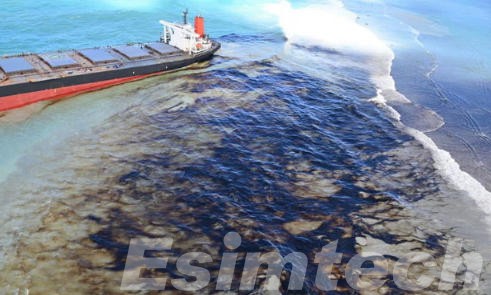
All risks do not necessitate the same degree of urgency. The act of prioritization allows organizations to focus their resources on the most critical threats accordingly. High-priority risks are those risks that combine both possibility and impacts the most. Blowout, pipeline rupture, or major cyberattack are examples that would have a higher response of attention, while generic maintenance issues can be left to some normal maintenance management. Prioritization focuses decision-making and resource allocation on risks.
Step 4: Risk Control and Mitigation
The following chart provides key measures to mitigate risks in oil and gas production.
| Key Measure | Purpose | How It Mitigates Risk | Applications |
| Preventive Maintenance | Keep equipment reliable and reduce failures | Identifies wear, leaks, corrosion, and component fatigue before breakdowns occur | Pumps, compressors, valves, pipelines, generators |
| Process Safety Management | Prevent major process incidents | Controls hazards through procedures, safety barriers, and shutdown systems | Refineries, gas plants, production facilities |
| Workforce Training | Improve employee competency and reduce human error | Ensures workers follow safe procedures and respond correctly to abnormal situations | Drilling rigs, offshore platforms, field operations |
| Real-Time Monitoring Systems | Detect abnormal operating conditions early | Uses sensors to monitor pressure, temperature, flow, vibration, and gas levels | Wells, pipelines, rotating equipment |
| Predictive Analytics | Anticipate failures before they happen | Analyzes operating data trends to schedule maintenance proactively | Turbines, compressors, pumps |
| Corrosion Management | Protect assets from material degradation | Applies coatings, inhibitors, inspections, and cathodic protection | Pipelines, tanks, offshore structures |
| Cybersecurity Protection | Safeguard digital systems and operations | Prevents unauthorized access, malware, and control system disruptions | SCADA, IoT networks, control rooms |
| Regulatory Compliance Programs | Meet legal and industry requirements | Avoids fines, shutdowns, and unsafe practices through audits and documentation | Environmental, safety, reporting systems |
| Contractor Management | Control third-party operational risks | Verifies qualifications, safety performance, and work procedures | Construction, maintenance, specialized services |
Step 5: Emergency Response Planning
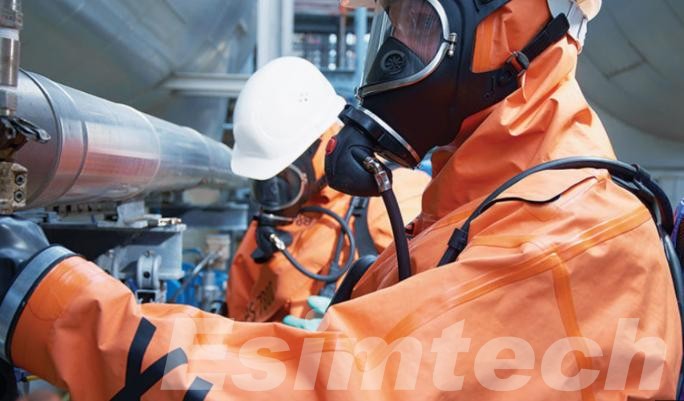
Despites the abilities of preventive controls, there are still occasions in which an accident may occur. Therefore, emergency response planning in oil and gas industry is a critical risk management variable. Response plans should include consideration of fires, explosions, spills, toxic gas emissions, medical emergencies, and extreme weather conditions. Defined evacuation routes, communication protocols, trained response teams and coordination within the local authorities, etc. should also be well defined. This training is a key lesson for every organization. Emergency management plans are practiced to ensure that in high-pressure environments, employees each know how to do their part of the overall procedure.
Step 6: Monitoring and Continuous Review
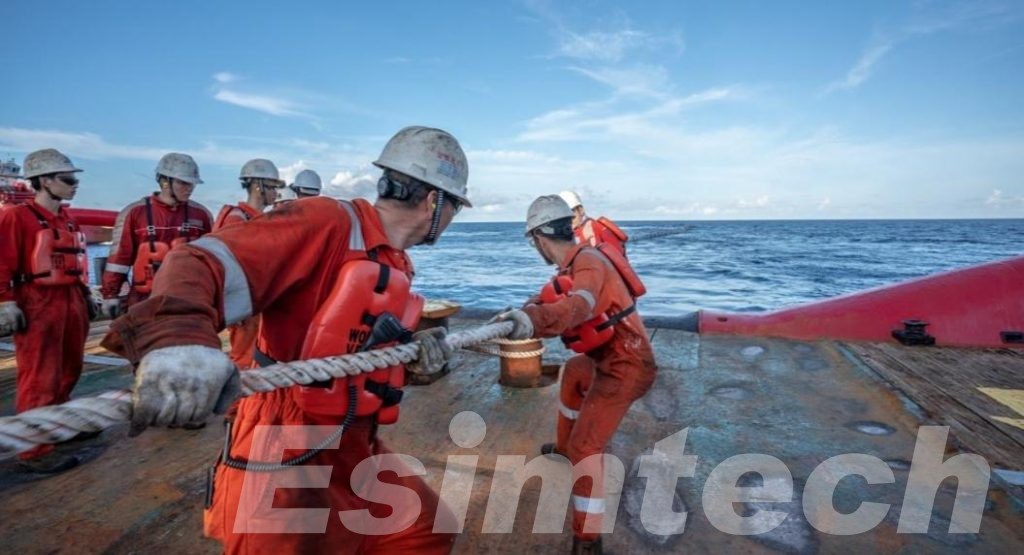
Risk analysis is not a one-time process; it is maintained as the production environment continuously changes through shifting trade-offs deriving from aging equipment, new technologies, workforce turnover, and marketplace pressures. It is best to frequently keep track of the accomplishment of the process control through periodic review or other kinds of studies. Monitoring activities should include inspections, self-audits, sensor systems, maintenance data, and incident reports. Investigations of near misses and minor failures often disclose hidden vulnerabilities. Routine analysis enables the risk management strategies to shift with operational conditions.
Step 7: Management of Change
Changes in equipment, production processes, staffing, or operating conditions can introduce new risks. A formal Management of Change (MOC) process ensures that modifications are reviewed before implementation. For example, replacing equipment, altering chemical processes, updating software, or increasing production rates may require hazard reassessment, retraining, or revised procedures. Strong change management prevents unintended consequences.
Step 8: Building a Risk-Aware Culture
Any enterprise risk management program is almost as good as the people who operate it. A robust culture of safety and accountability encourages employees to report hazards, follow procedures, and partake in continuous improvement. Henceforth, commitment, open communication, workforce engagement, and transforming risk management within the walls of the enterprise via risk management becomes operational excellence on a daily basis. Employee levels understand the role they play in risk, and improved performance emanate as a result.
The Role of Simulation Technologies in Modern Oil and Gas Risk Management
This chart provides the various oil and gas simulation technologies used for risk management.
| Simulation Technology | Purpose | How It Supports Risk Management | Common Oil and Gas Applications |
| Reservoir Simulation | Model subsurface fluid flow and reservoir behavior | Reduces uncertainty in reserves, pressure decline, and recovery planning | Field development, production forecasting, enhanced oil recovery |
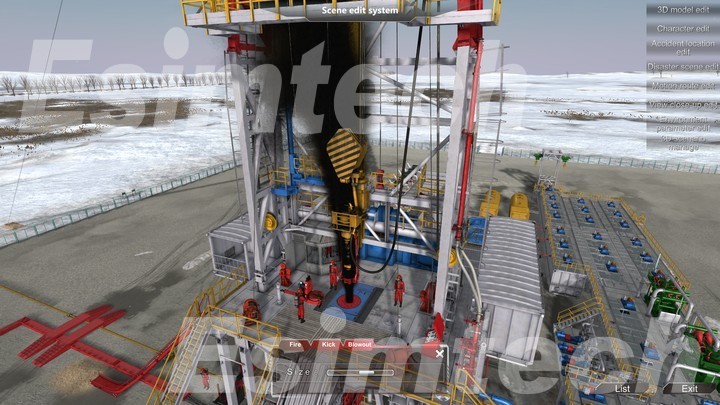
| Drilling Simulation | Recreate drilling operations and well conditions | Helps prevent kicks, blowouts, stuck pipe, and drilling inefficiencies | Well planning, rig crew training, directional drilling |
| Well Control Simulation | Train teams for pressure-control emergencies | Improves response to kicks, influxes, and blowout scenarios | Onshore rigs, offshore rigs, training centers |
| Process Simulation | Model production and processing plant operations | Identifies bottlenecks, unsafe conditions, and process upsets | Gas plants, separators, refineries, LNG facilities |
| Pipeline Flow Simulation | Analyze fluid movement in pipelines | Detects surge pressure, hydrate risks, leaks, and flow instability | Crude pipelines, gas transmission, subsea lines |
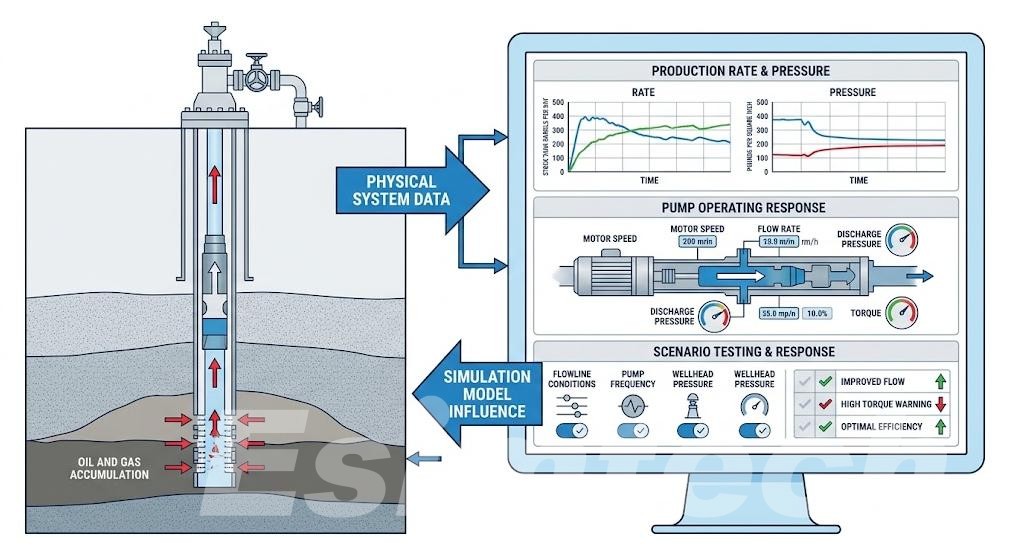
| Digital Twin Simulation | Create a real-time virtual model of physical assets | Predicts failures, optimizes maintenance, and monitors performance | Platforms, compressors, pumps, processing units |
| Emergency Response Simulation | Test incident scenarios and response readiness | Strengthens evacuation, spill response, and crisis coordination | Offshore platforms, terminals, refineries |
| Fire and Explosion Modeling | Simulate fire spread and blast impact | Supports hazard zone planning and protection design | Gas plants, storage terminals, offshore modules |
| Structural Simulation | Evaluate equipment and facility strength under loads | Prevents structural failure from fatigue, vibration, or harsh weather | Offshore jackets, derricks, tanks, supports |
| Geomechanical Simulation | Analyze rock stress and formation stability | Reduces wellbore collapse, sanding, and subsidence risks | Drilling programs, reservoir depletion planning |
| Production Network Simulation | Model integrated field production systems | Improves uptime and identifies system-wide operational risks | Multiwell fields, gathering systems, processing hubs |
| Cybersecurity Simulation | Test resilience of digital infrastructure | Reveals vulnerabilities and improves incident response plans | SCADA systems, remote monitoring networks |
Future Trends in Oil and Gas Risk Management
The oil and gas industry is rapidly changing, squeezed as it is between increasing operational complexity, digitalization, environmental expectations, and shifting market constraints. The traditional method of risk management that was ahead was safety incidents as well as equipment failure is not good enough now. Companies need to handle cyber threats, climate-risk, disruptions in the supply chain, regulatory changes, workforce transitions, while maintaining profits and actual operational certainty. As such, the future of risk management in the oil and gas industry is getting an ever enhancing proactivity and data-driven integrity throughout the operation process.
1. Predictive and Data-Driven Risk Management
Probably one of the topmost prospective developments in this sector is the transition toward predictive risk management. Instead of reacting to problems after their occurrence, the focus is increasingly on real-time data and advanced analytics to forecast alarming risks at an earlier stage, or when a failure can still be mitigated. The operational data is generated by sensors plastered onto wells, pipelines, compressors, and processing equipment and analyzed by software that detects early warning signs of abnormal behavior.
The trend in risk management concerning data-driven decisions allows early intervention by engineers, more efficient maintenance schedules, and decreases in unanticipated downtime. In the future, these systems will become more accurate and will have been integrated further into everyday production operations, revolutionizing the way risks are managed in a production environment.
2. Artificial Intelligence(AI) and Automation
In modern risk management, AI has become one of the main tools to employ. Through AI systems, mountains of operational data that are beyond a human’s capability can be processed, identifying trends that might presage risks. Such systems are used to support predictive maintenance, anomaly detection in production, and safety oversight in a variety of industries.
As automation progresses, AI will play a bigger role in supporting the decision-making process by giving advice in dynamic cases of risk mitigation and process optimization. Rather than infringing on the skills of humans, the tools, in fact, enhance human expertise at such technical work, allowing engineers and managers to undertake more advanced analytics and strategic planning.
3. Digital Twins and Virtual Risk Simulation
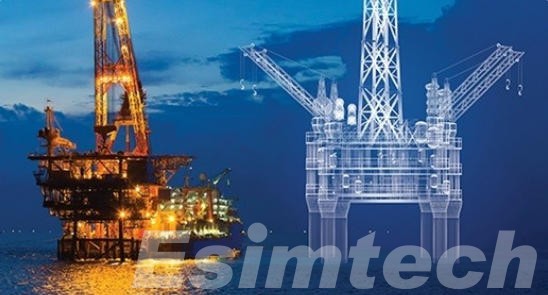
Another significant trend that is to shape the future, the digital twin technology is being adopted. Digital twin is a virtual clone of a physical asset or system that is continually updated with real-time operational data. This allows companies to simulate various operating conditions and test scenarios accordingly without disturbing actual production.
Operators can see how equipment and systems respond to stress, reflect on process changes impacting system behavior, and predict failures before they even happen. This capacity is vitally important in large and complex systems such as offshore platforms and integrated-processing facilities where even small disruptions may have far-reaching consequences.
4. Increased Focus on Cybersecurity Risk
A final and very founded reason is that management of the cybersecurity risks arises solely because of the fact that the oil and gas operations themselves are getting more heavily connected and digitally integrated so that one cannot consider a safe domain. Those operational systems that had once been operating in divergence are more and more being linked to the corporate world and remote monitoring systems, adding yet another layer of cyber exposure potential. This illustrates how, as globalization mandates a sharp focus on environmental protection, embedding cybersecurity risk management within the oil and gas sector would be a natural next step.
Organizational structures shall increasingly have cybersecurity risk embedded as inherent priorities besides being part and parcel of information technology. The company will rely more and more on advanced security frameworks, continuous monitoring systems, and rapid response capabilities to protect critical infrastructures. Safeguarding control systems and operational data integrity will be significant for creating a safe and uninterrupted production environment.
5. Climatic Change and Environmental Risk Mitigation
Environmental and climate-related risks are increasingly playing a more important role in shaping risk management strategies. Extreme weather events, rising sea levels and changing environmental regulations affect offshore and onshore operations. These challenges compel companies to reconsider infrastructure design, operational strategies, and long-term investment decisions.
Future risk management frameworks will integrate what is, more and more, climate modeling and scenario analysis to assess long-term environmental exposure. This involves constructing assets will be more resilient to be able to adapt to varying conditions while ensuring continuity of operations.
6. Workforce Evolution and Digital Skill Requirements
Being part and parcel of effective risk management, the human element has to date been unaffected but also must undergo transformation given the evolution in requisite skills. As senior-level staff retire and digital technologies begin to get a firmer footing, organizations are investing heavily in workforce transformation. Training programs are now increasingly moving towards much more simulation-based learning, virtual environments, and digital skill development. Such changes are preparing the workforce to ensure the safe operation of advanced systems and an effective handling of complex operating situations. So, the presence of a skillfully adept workforce is going to be imperative to fight the operational risks of the future when organizations are being increasingly automated.
7. Integrated and Holistic Risk Management Systems
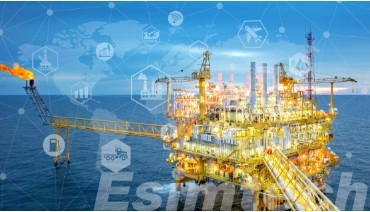
Future integration would focus on integrating several risk categories in integrated management systems instead of dealing with each operational, financial, environmental, and cyber risks in a vacuum. The company’s march toward a holistic enterprise risk framework describes this integration as enabling a fully-fledged understanding of risks for strategic leadership decisions. It allows for more efficient risk-rating and responses across the department layer when data from varying sources are pulled together into one place.
Summary
Risk management in oil and gas production becomes crucial for ensuring safety, effectiveness and profitability. It is through the identification of hazards, recognizing vulnerabilities, implementing controls, embracing new technologies thusly ensuring itemized control, thereby making it possible to limit operational threats. In an industry where the stakes are high, effective risk management has become a strategic differentiator, not just only for regulatory requirements.