How Training Simulators are Used for Offshore Drilling

Written By: Computer Science Professor
Deeply rooted in the R&D of simulators for the oil and gas industry, committed to bringing safety to every oil worker.
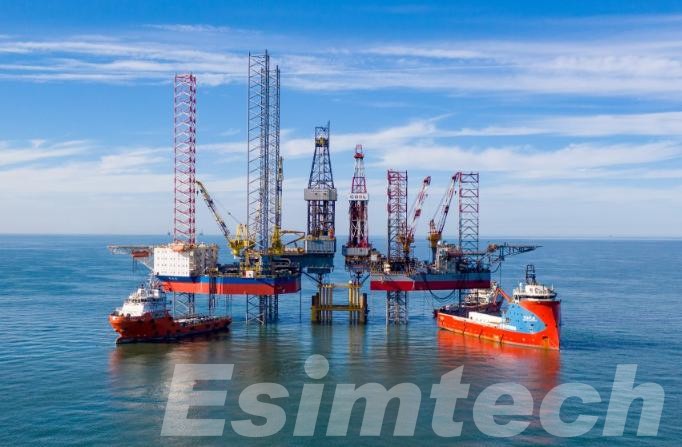
Offshore drilling represents the most complicated and dangerous operations which exist within the energy sector. Crews need to control advanced equipment while working under difficult maritime conditions and they must handle both technical issues and environmental emergencies without delay. The organization requires workforce training because accidents lead to expensive shutdowns, environmental disasters and workplace accidents. This is why training simulators for offshore drilling have become a critical part of modern personnel development.
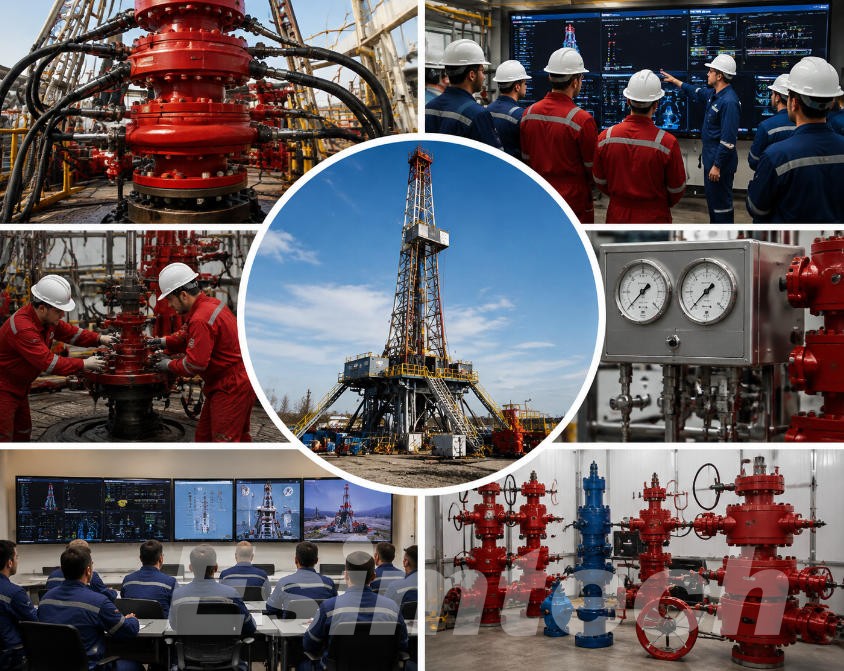
Training simulators create safe environments which enable drilling crews engineers and operators to master operational procedures while developing their practical abilities and their ability to make choices with no threat to people or machinery or nature. The growing complexity of offshore drilling operations requires training simulators to help build skills and develop trust among workers.
What are Training Simulators for Offshore Drilling
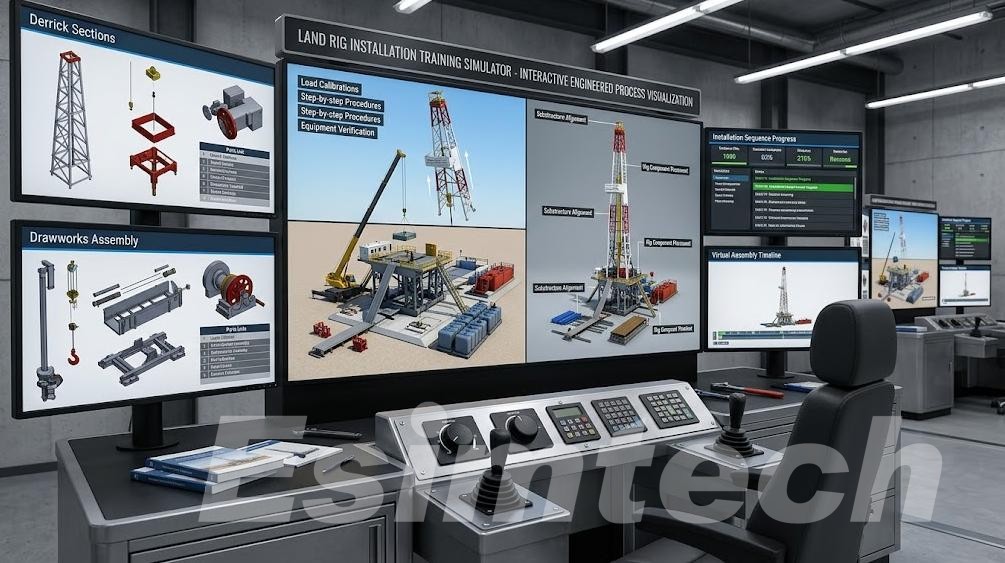
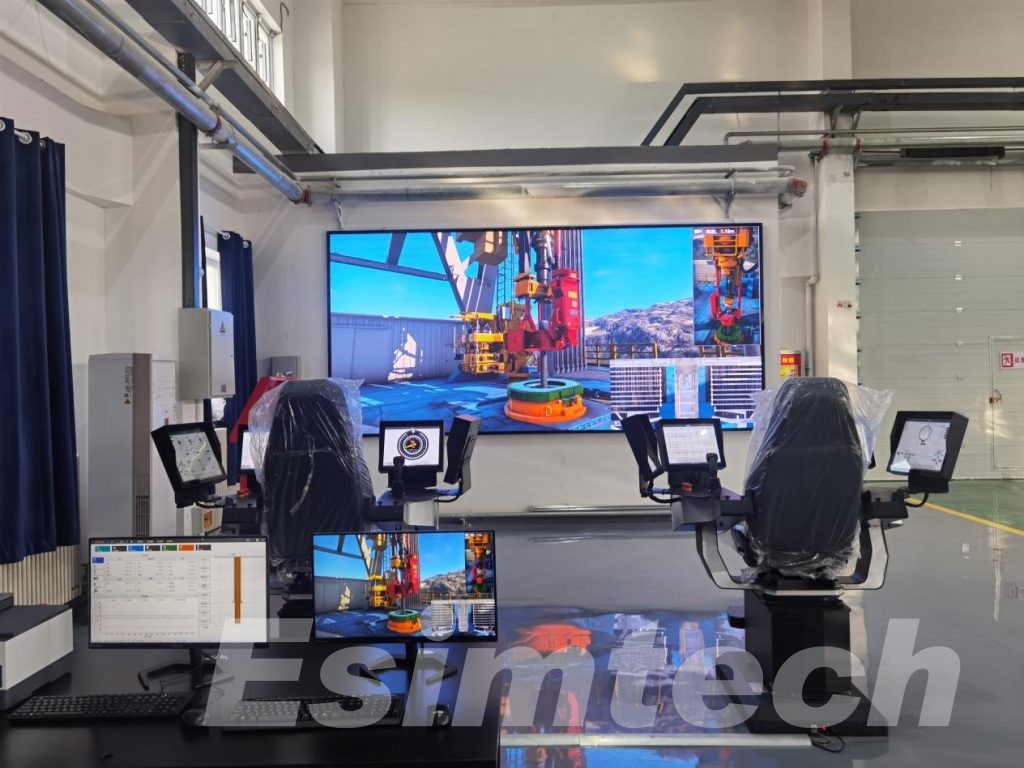
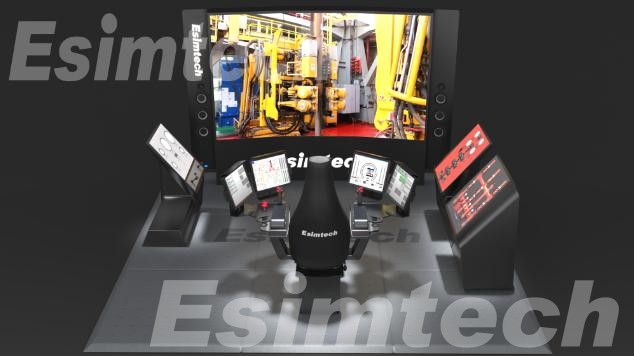
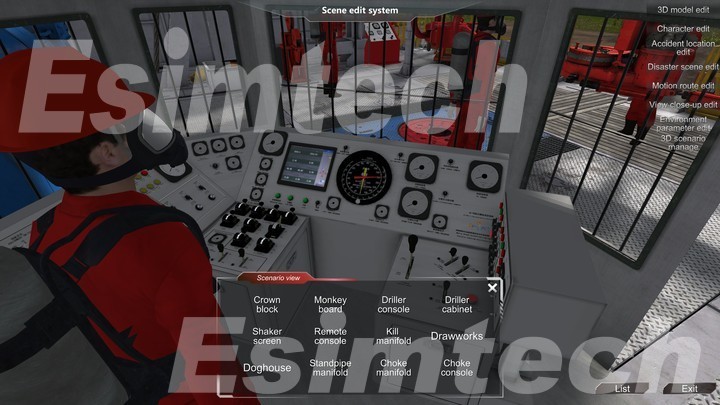
The training simulators use advanced computer systems to create accurate offshore drilling simulations which include both equipment and control systems and real-world operating conditions. The system enables trainees to interact with both regular drilling operations and emergency scenarios which replicate actual drilling conditions.
The systems have the ability to simulate various rig operations including drilling consoles and dynamic positioning systems, mud circulation systems, blowout preventers and crane operations. The simulators use virtual reality together with motion platforms and immersive graphics to create a realistic representation of actual offshore working conditions.
Why Training Simulators are Important for Offshore Drilling
Training simulators have become one of the most effective tools for preparing offshore drilling personnel to work safely and efficiently.
1. Enhancing Safety in High-Risk Environments
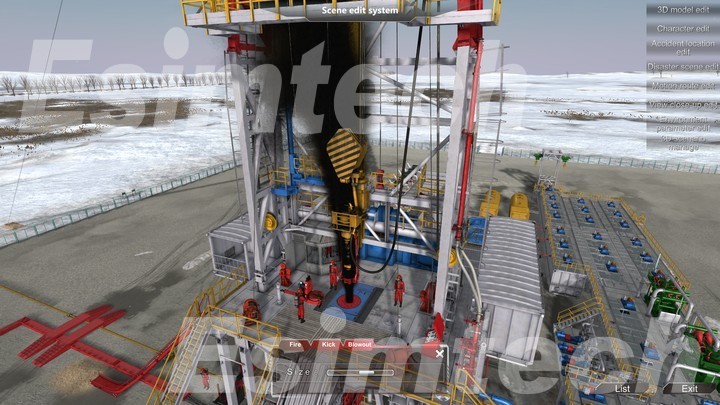
The primary reason training simulators are essential in offshore drilling is safety. It goes without saying that real field drilling operations are all about taking extreme risks. By definition, drilling involves the use of heavy machinery to make massive noises; extreme pressure, and intense heat loads, flammable materials and hazardous materials-which are all capable of blowing the cover off if they are poorly handled. At the end of the day, this would result into some form of injury, destruction of the environment, or very heavy financial losses. Moreover, training simulators provide an environment where crews with real-life experience can practice precautionary procedures or respond to emergencies in a risk-free environment. In the process, one learns to fight kicks, handle equipment malfunctions, gas releases, extinguish fires, and follow possible evacuation scenarios where the asset and life are not at risk.
2. Building Practical Skills Before Field Deployment
Classroom teaching imparts theoretical knowledge, while thereafter for offshore drilling, there is need for skill-based operations as well. Workers may have knowledge on control systems, drilling sequences, communication procedures and be able to handle equipment. Training simulators act as a bridge between theory and practice, replicating real offshore tasks. Trainees obtain an extraordinary opportunity before stepping onto a real platform in order to become useful more quickly and reduce the offshore learning curve.
3. Improving Emergency Preparedness
Some of the major offshore incidents are rare, like blowouts, well control incidents, etc., and hence may occur through the career of just a few workers. Yet, when they do occur, prompt and successful decisions are critical. Simulators allow for the repeated training of rare but high-risk events. Repetition helps raise the confidence level of the teams; reaction speed must be developed from the very first time it is encountered and teams must show their ability to work together-from both crew and managers.
4. Reducing Operational Costs
Training on Location-based oil Rigs presents challenges due to costs of downtime, wear and tear on machinery, consumption of fuel, and travel logistics. Besides, the activity can disrupt any work, with real systems seeing actual release cutoff, for training.” High royalty simulator training, on the other hand, presents a cheaper alternative, ensuring continuous training while on land or at dedicated training centers. As companies can train workers more frequently, a minimal amount of operational disturbance is caused.
5. Standardizing Competency Across Crews
Large offshore drilling contractors usually manage a large number of rigs in geographically distanced locations. The requirement for uniformity in skill levels presents itself since training employed for achieving better safe operating procedures is inherently a diverse discipline. A resource-oriented approach to technology modularity of simulation-based programs provides a recurring attitude of standardizing training scenarios, performance benchmarks, and empirical elements checking the said benchmarking in order to ensure the continuity of safety and procedural standards aboard hundreds of rigs worldwide.
6. Supporting New Technologies and Equipment
With the advance of technology, modern offshore drilling rigs are all equipped with advanced automation systems, digital controls, remote monitoring, and integrated software. And so, the practical personnel have to stay abreast of technological trends. Simulators can incorporate modifications in line with new rig design and control interfaces, positively affecting the rate of growth in new technologies being produced and adopted. They ensure that workers can get accustomed to new technologies to be used in real-life operations.
7. Strengthening Team Coordination
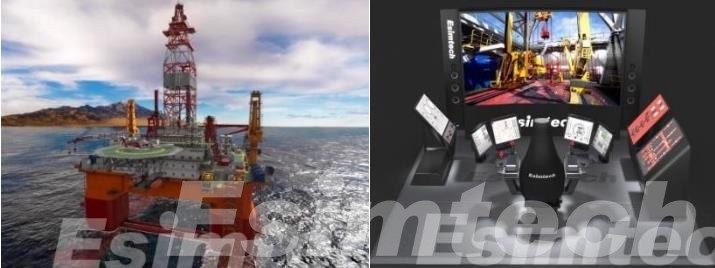
Team coordination is crucial to offshore drilling, with drillers, engineers, marine crews, maintenance teams, and supervisors relying heavily on one another. A breakdown in communication can mean delays or safety hazards. Multi-user simulators train an entire crew together in the intricacies of realistic scenarios to improve communication, leadership, decision-making, and coordination in all aspects of routine and emergency drilling operations.
8. Increasing Confidence and Readiness
Workers who have practiced tasks in realistic simulated environments typically feel more prepared when facing the same situations offshore. Confidence leads to better concentration, smoother operations, and fewer mistakes. For new employees, simulators reduce anxiety by familiarizing them with rig environments. For experienced workers, they help refresh skills and maintain readiness.
Main Types of Offshore Drilling Simulators
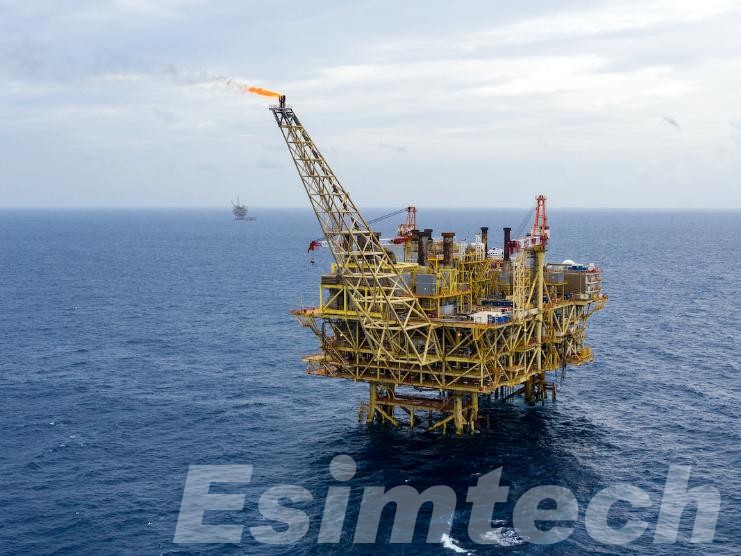
Different training needs require different types of simulators.
| Simulator Type | Primary Training Focus | Key Functions Simulated | Main Benefits | Typical Users |
| Drilling Operation Simulator | Day-to-day drilling activities | Bit control, drilling parameters, tripping, pipe handling, rig floor coordination | Improves operational efficiency, reduces procedural errors | Drillers, assistant drillers, rig crews |
| Well Control Simulator | Pressure control and emergency response | Kick detection, shut-in procedures, choke control, blowout prevention | Enhances safety, strengthens emergency readiness | Drillers, supervisors, well control teams |
| Dynamic Positioning Simulator | Vessel station keeping for offshore rigs | Thruster control, navigation, weather response, position maintenance | Prevents drift incidents, improves marine safety | DP operators, marine officers |
| Crane Operation Simulator | Safe cargo lifting and transfer | Load handling, deck lifting, supply vessel transfers, blind lifts | Reduces lifting accidents, improves precision | Crane operators, deck crews |
| Blowout Preventer (BOP) Simulator | BOP system operation and troubleshooting | Ram activation, hydraulic controls, emergency disconnect systems | Builds confidence in critical safety systems | Subsea engineers, BOP technicians |
| Mud Circulation Simulator | Drilling fluid management | Pump control, mud weight adjustment, circulation losses, pressure behavior | Optimizes drilling performance, prevents well issues | Mud engineers, drilling engineers |
| Maintenance Simulator | Equipment repair and diagnostics | Mechanical faults, hydraulic systems, electrical troubleshooting | Reduces downtime, improves maintenance skills | Maintenance technicians, engineers |
| Emergency Response Simulator | Crisis management and evacuation | Fire response, gas leaks, abandon rig drills, communication protocols | Strengthens team coordination and crisis response | All offshore personnel |
| VR Rig Familiarization Simulator | Offshore environment orientation | Rig layout, hazard zones, equipment locations, safe movement paths | Faster onboarding, improved situational awareness | New hires, visitors, contractors |
| Integrated Full Mission Simulator | Complete offshore operation scenarios | Combined drilling, marine, safety, and logistics systems | Realistic team training across departments | Full rig crews, management teams |
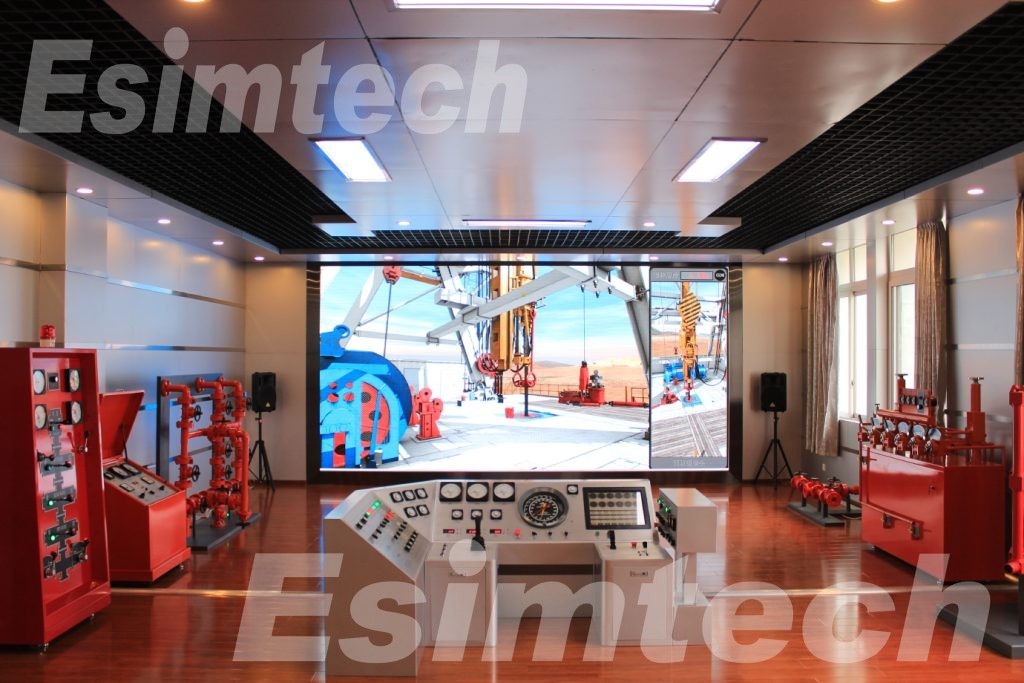
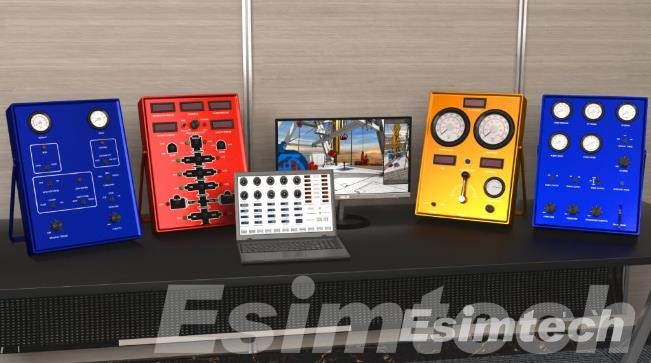
Esimtech provides various types of offshore drilling simulators designed to meet the training needs of modern drilling operations. Its solutions cover drilling operations, well control, emergency response training, etc. With realistic system modeling, advanced graphics, and interactive scenarios, Esimtech petroleum simulators help offshore crews improve technical skills and operational readiness.
Technologies Powering Modern Training Simulators for Offshore Drilling
Offshore training simulation systems rely on cutting-edge technologies to create realistic, data-driven, and highly interactive learning environments.
1.High-Fidelity Simulation Software
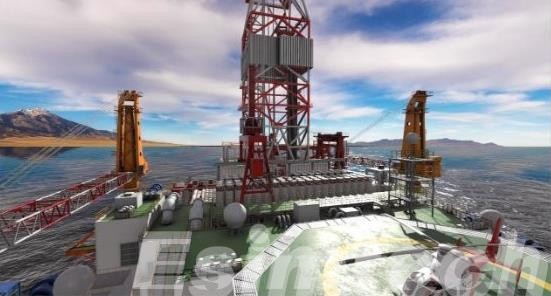
Simulation software is the mainstay of modern offshore drilling simulators, which otherwise hovers at high-fidelity. The software effectively models true well-painful processes, equipment behaviour, and offshore conditions with characteristics of identification. These critical data will understand topics such as well pressure, drilling fluid circulation, torque values, drag, pipe movements, and equipment performance. This will help to personify an offshore model of decision-making sense for the trainees.
1. Real-Time Physics Modeling
Real-time physics engines are commonly used by contemporary simulators to imitate how drilling systems act under changing conditions. Models that the simulation builds out calculate the collaborative actions among machinery, fluid dynamics, pressure systems, and environmental conditions as the simulation proceeds. Through this, users will see the effect of changes in the mud weight on the well pressure and the effect of swaying on drilling stability. This realistic feel to the mechanism equates to a raised degree of understanding and readies the crew to face the actual operational consequences.
3. Immersive 3D Graphics and Visualization
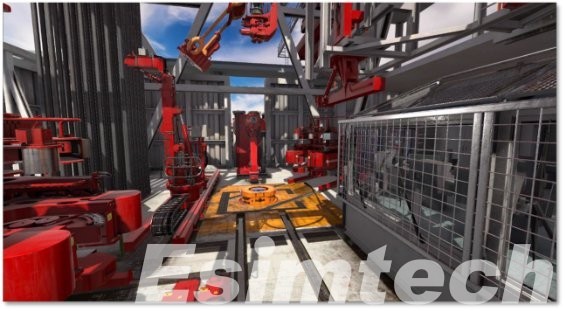
The depiction of the simulator has become so realistic just due to the kind of graphic technology employed in its development. Immersive 3D environments, true-to-life offshore rigs, drill floors, engine rooms, control cabins, and subsea apparatus are replicated. Interactivity in visualization allows the trainee to become acquainted with rig layouts, equipment locations, and work procedures, which creates awareness and control during normal times and emergency situations.
4. Virtual Reality (VR) Training Systems
Virtual reality has become one of the most valued tools for offshore drilling training. Wearing the VR goggles, the trainee can enter in a fully immersive offshore environment and interact with virtual equipment. It is within this realm that VR allows for the best training potential in safety drills, maintenance procedures, confined-space awareness, crane operations, and emergency evacuation, all without physically putting them at risk.
5. Augmented Reality (AR) Applications
Augment Reality often refers to the technology that superimposes digital information onto real-life equipment or any training device. Also in the present context of offshore training, AR can help guide through the maintenance of equipment, conducting inspections, and gaining knowledge of equipment. This is a technology that shines the most in the field of technical training since it allows for physical hands-on experience with real-time digital back-up to make the trainee learn faster and more effectively.
6. Motion Platforms and Haptic Feedback
Numerous advanced simulators have motion platforms that replicate the motion of the vessel through the waves, as well as its reaction to wind and sea conditions. Systems such as these are particularly useful for training on dynamic positioning, crane operation, and navigating marine environments. They also introduce tactile feedback through devices that create physical sensations like resistance, vibration, or force of action, making it possible for the user to become “reflexly” prepared and conscious from some of the memories.
7. Artificial Intelligence and Adaptive Learning
Artificial intelligence is increasingly being applied to simulator platforms. AI can evaluate trainee engagements, identify areas of weakness, and adjust difficulty levels accordingly according to the exercises administered. It can create new situations, simulate unpredictable scenarios, and provide tailored ideas for improvement. So learning becomes more efficient-actually suited to each individual’s needs.
8. Data Analytics and Performance Tracking
The usage of these parameters for modern simulators in today’s training system makes it possible to acutely measure the performance data per individual session and use such parameters as the time used to respond, the right decision made, adherence to procedural requirements, ability to communicate effectively, and capacity to take advantage of the operation effectively. Instructors can then use these data to evaluate the progress of trainees in the development of skills, to become an independently competent operator, and develop focused remediation plans. Training that is data-oriented ensures the skills development is measurable.
9. Cloud Connectivity and Remote Training
This cloud-powered technology allows simulators, used in training, to cater the need to link users placed in different locations. Offshore companies may impart training to teams across various countries with shared scenarios and centralized learning platforms. This facilitates remote monitoring by instructors and enables them to offer feedback and update training modules, all without requiring physical movement of the trainees.
10. Digital Twin Integration
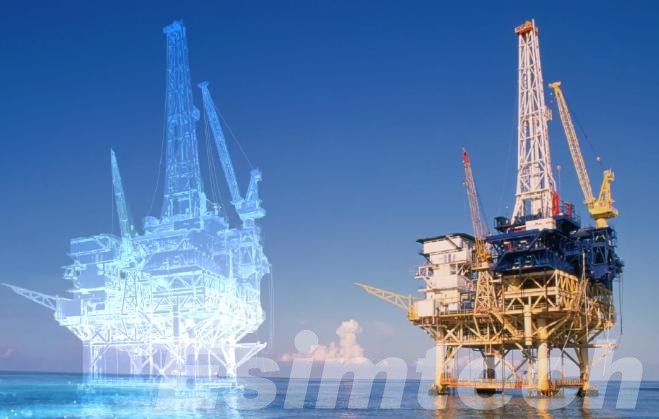
A growing trend in offshore training is the use of digital twins, which are virtual replicas of real rigs, equipment, or systems. These models are based on actual engineering and operational data. Crews can train on the exact equipment they will operate, improving readiness before deployment. Digital twins also help rehearse maintenance tasks, upgrades, and emergency procedures.
Future Outlook of Training Simulators for Offshore Drilling
| Future Trend | Description | Key Technologies Involved | Benefits | Expected Impact |
| Multi-Location Collaborative Simulation | Global teams train together in shared virtual scenarios | Cloud computing, networking, collaboration platforms | Improved teamwork across regions and rigs | Stronger coordination in multinational operations |
| Real-Time Performance Analytics | Continuous measurement of trainee actions and decision quality | Big data, dashboards, predictive analytics | Objective assessment and targeted improvement | Better certification and workforce planning |
| Scenario Automation and Randomization | Systems generate unpredictable faults and emergencies automatically | AI engines, scenario libraries, automation tools | Stronger preparedness for rare events | Enhanced emergency response capability |
| Mobile and Remote Learning Access | Portions of simulator training available through portable devices | Cloud systems, mobile apps, streaming platforms | Flexible learning without travel | Lower training cost and wider accessibility |
| Haptic and Sensory Feedback Advancement | More realistic physical responses during training sessions | Force feedback, motion platforms, tactile devices | Better muscle memory and operational realism | Improved operator confidence |
| Sustainability-Focused Training | Simulations emphasize energy efficiency and environmental protection | ESG analytics, emissions modeling, optimization software | Supports greener offshore operations | Stronger compliance and sustainability culture |
Final Thoughts
Training simulators are now indispensable preparation tools in a highly demanding sector of offshore drilling. Safeguarding realistic and efficient operations as possible help in eradicating a productive offshore crew’s requisite skill level. Advances in technological training systems will further enhance drilling performance and workforce training, while keeping a keen eye on risk assessment and management in the offshore drilling sector.