Transport Solutions for Floating Storage and Offloading (FSO)

Written By: Computer Science Professor
Deeply rooted in the R&D of simulators for the oil and gas industry, committed to bringing safety to every oil worker.
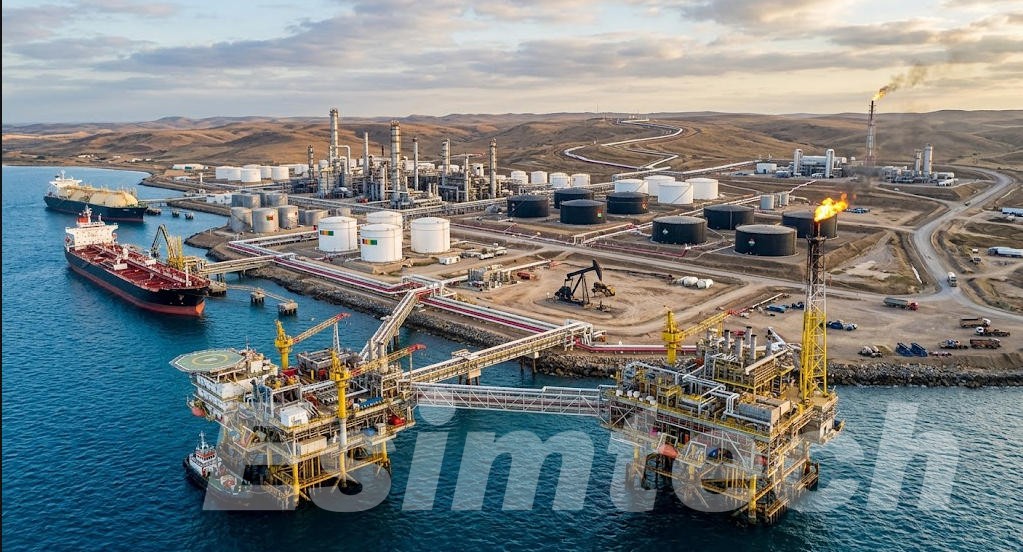
The Floating Storage and Offloading (FSO) units function as essential equipment, which enables oil and gas companies to store and unload hydrocarbons at sea. The units prove essential for offshore operations because they enable remote teams to perform work when building onshore facilities becomes too costly or unfeasible or environmentally protected areas make construction impossible. The demand for FSO transport systems has reached a new peak because of these developments. The article examines different transport systems used by Floating Storage and Offloading units to handle offshore operations which combine various technologies and face their respective operational difficulties.
Overview of Floating Storage and Offloading(FSO) Units
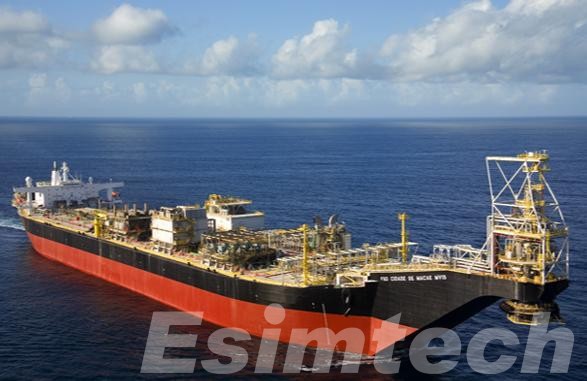
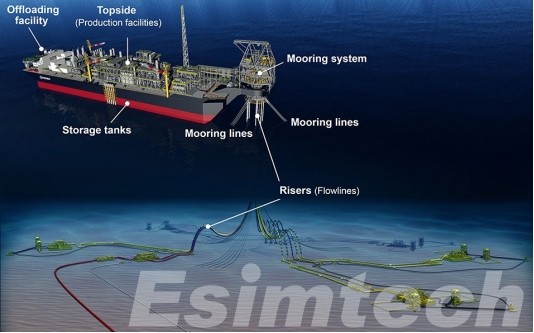
Floating Storage and Offloading vessels function as dedicated ships that operate offshore to hold crude oil or liquefied natural gas (LNG) reserves. The units maintain permanent anchorage to the seabed while they operate storage systems that hold large oil or gas supplies until their delivery to refineries or markets. The oil industry uses FSOs to operate oil fields which exist beyond mainland reach and have no pipeline connection to their sites.
FSOs use their offloading component to move stored oil or gas through tankers or pipelines which deliver the product to refineries and storage facilities. FSOs provide a complete solution for offshore storage needs because they decrease the logistical difficulties of moving hydrocarbons from deep-water oil fields to refineries.
Key Transport Methods for Floating Storage and Offloading (FSO)
1. Shuttle Tankers
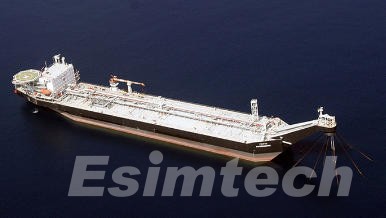
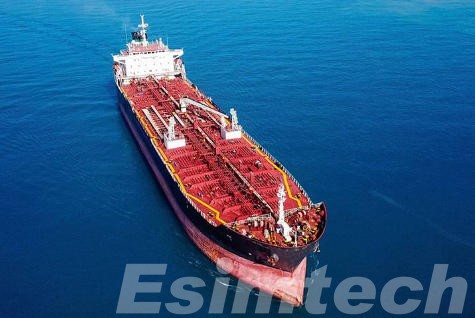
Not unfamiliar in practice, shuttle tankers are the key oil storage and transport solutions suited for FSO operations. The primary role of these vessels is to transfer crude oil from FSOs to refineries or facilities for storing crude oil onshore. Shuttle tankers come with a dynamic positioning system, which employs thrusters to make sure that it stays intact with the FSO throughout the process. Such meta-system guarantees a safe and uninterrupted offloading process, making it easier to handle the awkward situations posed by the severe position of the vessel on the water and the swell.
Shuttle tankers are constructed with strictures near their hulls so that on full mileage, they can bear rough handling in deep waters and still carry enormous quantities of crude oil or LNG. With technological advances, they have become more energy-efficient thanks to modern tanker designs; they operate in a friendlier environment and in seas suspected to be among the hardest in the world.
2. Offshore Loading Systems
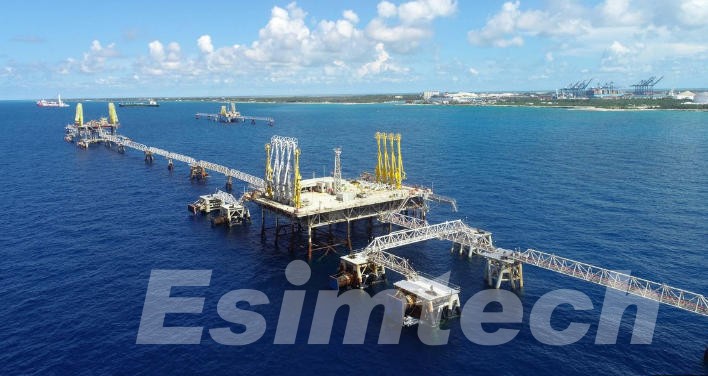
The offshore loading system is a key logistics link in transporting the hydrocarbons stored from FSOs to a shuttle tanker. These systems are responsible for transferring hydrocarbons safely that are stored on FSO to a transmitting vessel. There exist few kinds of offshore loading systems, each one tailored to different environmental conditions and operational demands.
Single Point Mooring’s (SPM) plan is one such commonly applied system consisting of a buoy or floating structure tied to the seafloor. The shuttle tanker is connected to SPM for offloading oil at a constant love of long-distance storage and a unique system for deepsea locations-which are tricky for traditional infrastructure. An equally common application is flexible hoses and loading arms that support the use of a controlled, safe and efficient means of cargo transfer, accommodating the motion of the vessels depending on weather and sea condition. Offshore loading systems are designed to function under heavy weather conditions and therefore are designed to ensure the smooth flow of transfer operations thereby causing the disposable pollution to the immediate environment.
3. Tugboats and Support Vessels
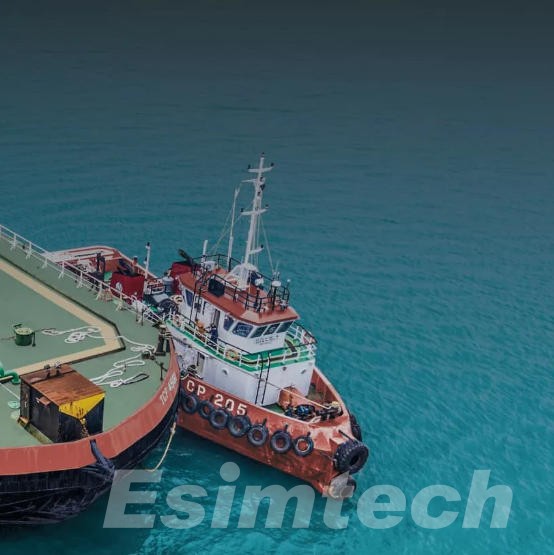
The main role of tugboats and support vessels in the transport chain for FSOs is clear to see. Their task is to assist in the positioning and maneuvering of the FSO and shuttle tankers, ensuring that during offloading operations, the two vessels remain correctly aligned. An important other task in the reality is towage; and more dramatically-and in a catastrophic emergency like oil spills and mechanical disasters.
Support vessels transport crews, provisions, and maintenance equipment to and from offshore units. These vessels are vital in supporting the operations of FSOs, especially in scarce jurisdictions such as these. The versatility and dependableness of the tugboats and support vessels make them instrumental to the flawless performance of the offshore storage and conversion systems.
4. Pipeline Transport
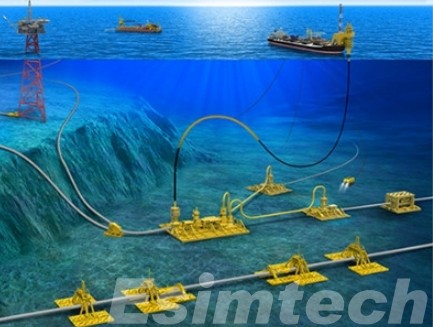
In certain cases, pipelines are used as a substitute or an addition to shuttle tankers for conveying hydrocarbons all the way from FSOs to shore. Subsea pipelines have the advantage of their ability to provide a continuous, cost-effective, and efficient way to ship oil or gas over long distances.
Subsea pipelines can serve to link offshore processing facilities, such as FSOs, to onshore refineries or storage facilities. Such systems are particularly useful in areas where an installed infrastructure facilitates their deployment through a constant supply of production. Another feature in the pipeline-based transportation solutions is the umbilicals, perforable flexible subsea pipelines that transport fluids, chemicals, and electrical power up to subsea equipment.
While pipelines offer considerable advantages in efficiency and less reliance on vessels, they also come with downsides. Among these are their initial high costs and the potential risks from leakage or bursting. Therefore, typically, pipelines can be used in connection with other means of transport.
Technological Innovations in Enhancing FSO Transport Solutions
Here’s a chart summarizing the innovations are enhancing the safety, efficiency, and environmental sustainability of FSO transport solutions, ensuring smoother operations in challenging offshore environments.
| Technology | Description | Impact on FSO Transport |
| Dynamic Positioning Systems | Thrusters and GPS-based systems that maintain vessel position during offloading. | Ensures precise positioning of shuttle tankers and FSOs, even in rough seas, improving safety and reducing the risk of accidents. |
| Real-time Monitoring Systems | Sensors and IoT technologies that track the condition of vessels and cargo. | Provides continuous data on vessel performance and cargo integrity, enabling proactive maintenance and quick problem resolution. |
| Automation in Cargo Handling | Automated systems for loading, unloading, and handling hydrocarbons. | Reduces human intervention, improves operational efficiency, and minimizes the chance of error during cargo transfer. |
| Transport Simulation Technologies | Virtual models and simulations used for testing FSO transport operations in various conditions. | Helps in optimizing vessel operations, ensuring safe and efficient offloading even under extreme conditions without the need for costly physical trials. |
| Advanced Hull Designs | Hulls designed for better fuel efficiency and stability in harsh conditions. | Reduces fuel consumption, enhances stability in rough seas, and increases operational efficiency. |
| Fuel-efficient Engines | Engines designed to minimize fuel consumption during transport. | Decreases operational costs and environmental impact by reducing fuel usage during offshore transport operations. |
| Predictive Maintenance Technologies | AI-based technologies that predict equipment failures before they occur. | Prevents unplanned downtime and ensures the continuous operation of FSOs and shuttle tankers, reducing maintenance costs. |
| Integrated Communication Systems | Seamless communication networks for real-time data exchange among vessels. | Facilitates coordination between FSOs, shuttle tankers, and support vessels, improving operational flow and safety. |
| Digital Twin Technology | Virtual replica of FSO systems used to simulate performance and predict maintenance needs. | Provides real-time insight into the FSO’s condition, optimizing maintenance schedules and minimizing disruptions. |
| Augmented Reality (AR) for Inspections | AR systems that overlay digital information onto physical inspections for enhanced accuracy. | Enhances the efficiency and safety of offshore inspections, allowing technicians to detect and fix issues remotely or in real-time. |
Challenges and Potential Solutions in Transport Solutions for Floating Storage and Offloading
This chart illustrates the main challenges facing transport solutions for FSOs and offers potential solutions that leverage technology, innovative systems, and operational strategies to overcome them. These solutions aim to improve safety, efficiency, and environmental responsibility in offshore hydrocarbon transport.
| Challenge | Description | Potential Solutions |
| Harsh Weather Conditions | Severe weather, including high waves, strong winds, and storms, can disrupt operations. | – Use of advanced Dynamic Positioning (DP) Systems for precise vessel positioning. – Incorporating weather-resistant materials and reinforced hull designs. |
| Vessel Maintenance | Frequent need for maintenance and inspections to ensure safety and efficiency. | – Implement predictive maintenance using AI and machine learning. – Establish regular offshore maintenance hubs for easier access to resources. |
| Environmental Risks | Potential for oil spills, leaks, or accidents during transport. | – Enhanced spill response technologies and real-time monitoring systems. – Double-hull designs and contingency planning to minimize environmental damage. |
| Logistical Complexity | Coordinating multiple vessels (FSOs, shuttle tankers, tugboats) and operations. | – Use of automated scheduling and tracking systems for improved coordination. – Advanced integrated communication platforms for real-time updates. |
| Limited Access to Offshore Units | Remote offshore locations can complicate access for crew, maintenance, and supplies. | – Deploy drone-based inspections and robotics for remote monitoring and repair. – Use helicopter and drone logistics to reduce downtime for crew rotation and parts delivery. |
| Pipeline Failures | Subsea pipeline leaks or ruptures can disrupt the flow of hydrocarbons. | – Pipeline integrity monitoring using sensors and real-time data analytics. – Use of redundant pipelines or flexible offshore loading systems as backups. |
| Regulatory Compliance | Adhering to stringent environmental, safety, and operational regulations. | – Continuous regulatory training for personnel and automated compliance systems. – Collaborating with regulatory bodies for innovative compliance solutions. |
| Technological Limitations | Outdated or insufficient technologies for key offshore transport operations. | – Invest in cutting-edge technologies like autonomous vessels and AI-driven navigation systems. – Upgrading existing systems with the latest automation and real-time monitoring technologies. |
Summary
Transport solutions for the Floating Storage and Offloading units are crucial to the success of oil and gas operations executed offshore. A shuttle tanker to an innovative pipeline system can help in the safe, smooth, and efficient transport of hydrocarbons from offshore storage units to the refineries or market. With respect to emerging technologies and state-of-the-art experiments, FSO transport systems will become more efficient, environmentally benign, and have the ability to insulate against all role played by logistics offshore. Generally, the speed of extracting energy will drive further betterment in FSO transport solutions. This will ensure that the oil and gas sector can be satisfied with its continuing energy needs for years.