Animation of Diesel Engine Assembly and Disassembly: A Step-by-Step Guide

Written By: Computer Science Professor
Deeply rooted in the R&D of simulators for the oil and gas industry, committed to bringing safety to every oil worker.
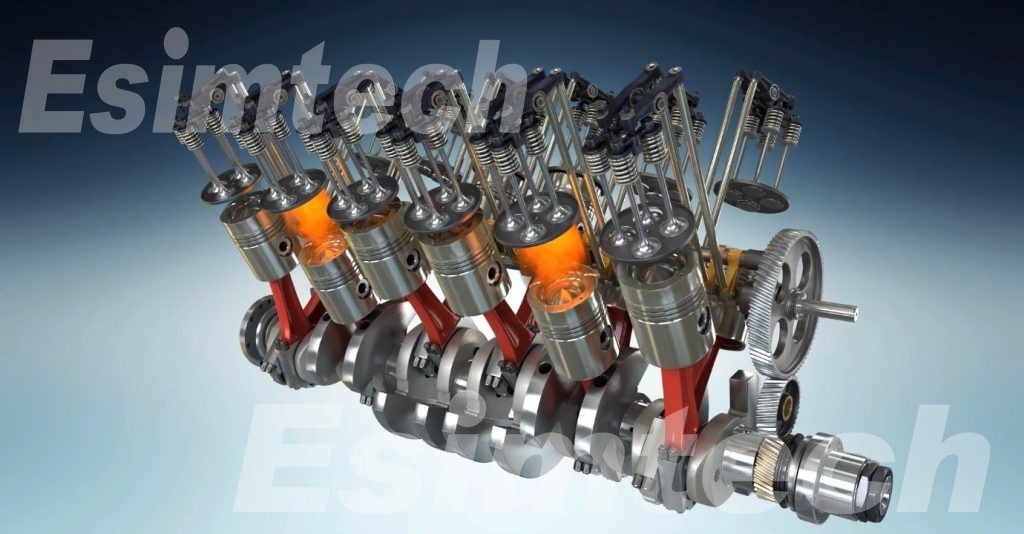
The process of assembling and disassembling a diesel engine requires exacting work because it needs specialized skills and knowledge of engine operations. The development of digital technologies has made the animation of diesel engine assembly and disassembly with a detailed step-by-step guide available. The animations create an interactive system which engineers, technicians, and students can use to learn about engine design, operation, and maintenance procedures.
Understanding Diesel Engine Components
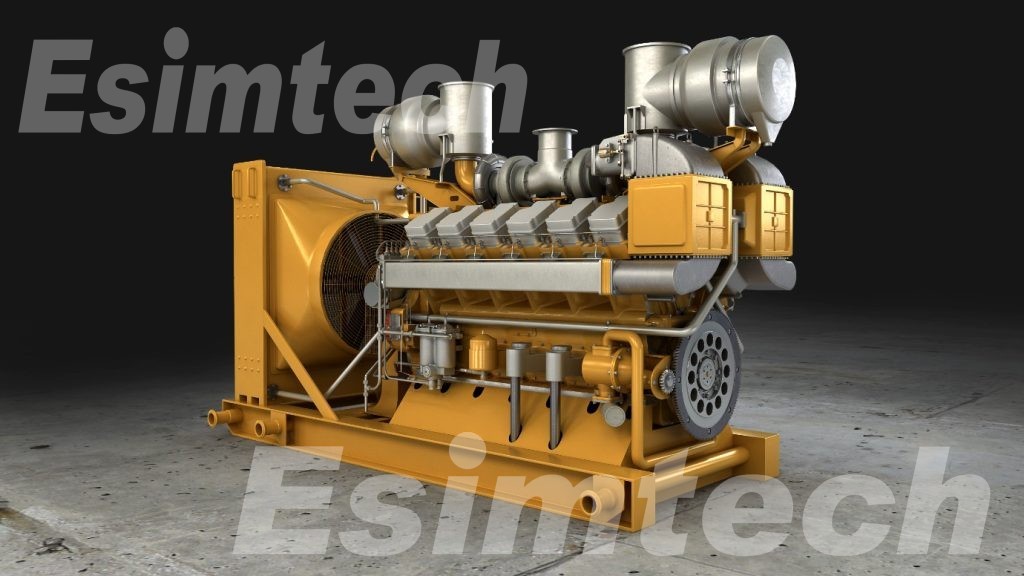
The diesel engine is made up of individual sub-systems and a countless number of components. The engine subsections include the diesel block, pistons, crankshaft, camshaft, fuel injection system, valves, and auxiliary systems such as water cooling, and so forth. Each part has a vital role to play in converting the energy of the fuel into effective mechanical work. It is very, very important to understand the various components’ assembly sequence, tolerances, and interfacing before creation of an animation.
Benefits of Step-by-Step Animation of Diesel Engine Assembly and Disassembly
1. Enhanced Learning and Comprehension
One of the primary benefits of step-by-step animation is its ability to enhance learning and comprehension. Visualizing processes in a sequential manner allows viewers to see how individual components interact within a system. In diesel engine assembly and disassembly, for example, animations show the movement of pistons, the rotation of the crankshaft, and the alignment of connecting rods. This visual approach simplifies complex concepts that are difficult to grasp through textbooks or static diagrams.
2. Error Reduction and Accuracy
Step-by-step animation contributes significantly to error reduction and procedural accuracy. By presenting each stage of assembly or disassembly in a controlled, visual format, viewers can follow the correct sequence, ensuring components are installed or removed in the proper order. This reduces the risk of mechanical mistakes, misalignments, or damage to sensitive parts, improving overall work quality and efficiency.
3. Time Efficiency
Another key benefit is time efficiency. Learners can quickly understand the full workflow without experimenting with physical components, which can be time-consuming and prone to trial-and-error errors. For technicians and engineers, this means faster training and more efficient maintenance operations, allowing more tasks to be completed in less time without sacrificing quality.
4. Safety and Risk Reduction
Step-by-step animations also enhance safety and reduce risk. Heavy, hot, or high-pressure components in engines and machinery pose hazards when handled physically, especially by inexperienced learners. Virtual animations provide a safe environment to explore processes without exposure to dangerous conditions, allowing users to gain practical knowledge without physical risk.
5. Maintenance Planning and Troubleshooting
Animations support maintenance planning and troubleshooting by simulating disassembly and reassembly processes. By visualizing how components fit and move, technicians can anticipate potential challenges, identify areas prone to wear, and plan preventive maintenance strategies. This predictive insight helps reduce downtime and extend the lifespan of equipment.
Key Steps Involved in the Animation of Diesel Engine Assembly
This chart offers the assembly process, emphasizing sequential accuracy, proper lubrication, alignment, and torque specifications, perfect for animation visualization.
| Action | Description | Key Animation Focus | Technical Notes |
| 1. Prepare Engine Block | Clean and inspect the engine block before assembly | Highlight clean surfaces, removed debris, and inspection points | Ensure block is free from cracks or warping |
| 2. Install Crankshaft | Place crankshaft into main bearings of engine block | Show proper positioning and lubrication of bearings | Torque bearing caps to specification |
| 3. Install Pistons and Connecting Rods | Insert pistons into cylinders and connect rods to crankshaft | Animate piston orientation and rod alignment | Apply assembly lube and check clearance |
| 4. Install Camshaft | Position camshaft into engine block | Show alignment with crankshaft (timing marks) | Ensure smooth rotation after installation |
| 5. Install Timing Components | Fit timing belt/chain, gears, and tensioners | Highlight timing mark alignment and proper tension | Verify correct timing sequence |
| 6. Install Cylinder Head | Position cylinder head onto engine block | Show gasket placement and head bolt torque sequence | Tighten bolts in recommended order to prevent warping |
| 7. Install Engine Covers | Attach valve covers and timing covers | Highlight gasket placement and bolt tightening | Ensure proper sealing |
| 8. Reconnect Cooling System | Install water pump, thermostat, and radiator hoses | Animate secure hose clamps and fluid paths | Fill with coolant after assembly |
| 9. Reattach Intake and Exhaust Systems | Install intake and exhaust manifolds, turbocharger | Emphasize gasket placement and bolt torque | Ensure no misalignment or leaks |
| 10. Reinstall Fuel System Components | Fit fuel injectors, fuel lines, and fuel pump | Highlight secure connections | Check for leaks after initial operation |
| 11. Reattach External Accessories | Install alternator, belts, air filters, and wiring | Animate correct belt routing and tension | Verify electrical connections and routing |
| 12. Fill Fluids and Pre-Start Checks | Add engine oil, coolant, and fuel | Show fluid levels and priming procedures | Ensure all fluids are at proper levels and no leaks |
| 13. Initial Engine Start | Start engine and check for smooth operation | Animate spark, injector firing, and rotation | Monitor for unusual noise or leaks |
| 14. Final Inspection and Testing | Inspect all components and run performance checks | Highlight key inspection points | Confirm engine functions correctly and safely |
Key Steps Involved in the Animation of Diesel Engine Disassembly
The following chart provides the logical sequence and visual focus needed to animate a diesel engine disassembly accurately.
| Action | Description | Key Animation Focus | Safety Notes |
| 1. Engine Shutdown and Preparation | Turn off engine, drain fuel, coolant, and oil | Highlight fluid removal and engine readiness | Prevent spills and hazards |
| 2. Remove External Accessories | Detach alternator, air filters, belts, hoses, and wiring | Show each component detaching sequentially | Label each accessory for clarity |
| 3. Detach Fuel System Components | Remove fuel injectors, fuel lines, and pumps | Zoom in on fuel connections | Handle fuel carefully to avoid leaks |
| 4. Remove Intake and Exhaust Systems | Detach manifold, turbocharger, and exhaust piping | Focus on bolts and clamps removal | Note direction and placement of components |
| 5. Disconnect Cooling System | Remove radiator hoses, thermostat, water pump | Highlight coolant drainage | Wear gloves; avoid hot components |
| 6. Remove Engine Covers | Detach valve covers and timing covers | Emphasize sequence to prevent damage | Keep track of gasket positions |
| 7. Remove Cylinder Head | Unbolt cylinder head and lift off | Show sequential loosening of bolts | Ensure proper support to avoid dropping |
| 8. Remove Timing Components | Detach timing belt/chain, gears, tensioners | Highlight gear alignment | Mark timing positions for reassembly |
| 9. Remove Pistons and Connecting Rods | Extract pistons and rods from cylinders | Focus on proper lifting and orientation | Keep rods and pistons organized |
| 10. Remove Crankshaft | Extract crankshaft from engine block | Show bearing caps removal | Ensure safe handling due to weight |
| 11. Remove Engine Block Components | Detach oil pump, camshaft, bearings | Highlight internal components | Label parts for accurate reassembly |
| 12. Final Engine Block Disassembly | Inspect and separate engine block sections | Zoom in on internal surfaces and cavities | Check for wear and damage for maintenance |
| 13. Clean and Inspect Components | Show cleaning of all parts | Emphasize removal of debris and residue | Prepare parts for reassembly or maintenance |
Key Techniques for Creating Effective Animations of Diesel Engine Disassembly and Assembly
Creating effective animations for diesel engines involves a careful combination of technical knowledge, design principle and visualization techniques.
1. Structured Planning and Sequencing
The success of the animation sequence is directly hinged upon a well-planned assembly. Prior to animation, storyboards-diagrams illustrating each and every step of disassembly and assembly-required to be created. Following a sequence ensures the removal and replacement of parts following an order that is most safe and efficient. This approach also allows an animator to anticipate other potential sour spots such as removal of petals to remove such obstacles out of the way. Viewing an engine from different angles could probably become handy in such a scenario.
2. Exploded Views and Cutaway Visualization
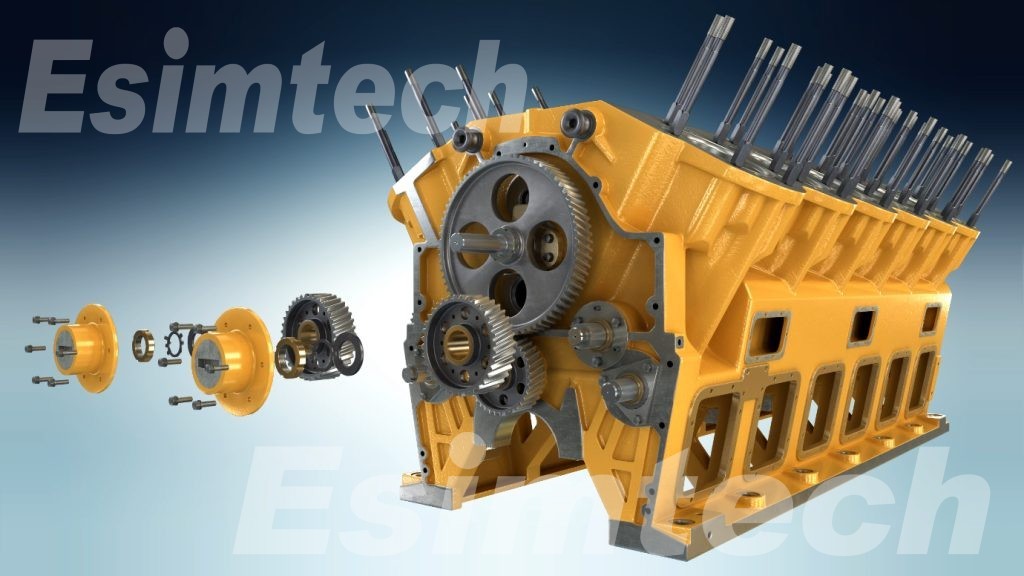
Exploded views and cutaway techniques are particularly effective for illustrating complex systems. Depicting the conversion of the various parts from a compact depiction to the later assembly architecture, exploded views demonstrate the actual locations and interrelations between parts within the engine, and a cutaway reveals the inner structures. These techniques enlighten the viewer about discrete parts and their impact on the system. Proper recovery of grinding is the key to attaining coherence. Proper guidance and scaling prophesy the educational photogenic art of animation.
3. Emphasis on Clarity and Detail
Clarity in such diagrams proves its obvious veritable worth. An animator should put into effect means of focusing viewers’ eyes at the desired areas. These means represent efforts involved in showing various areas of high importance: pistons, crankshafts, valve systems, and similar. They should include realistic textures and lighting so that a realistic view can be experienced, which serves as a reliable and relatable point of reference. Excepting simplicity and moderation means allowing for more freedom to learn any steps.
4. Interactive and Engaging Elements
Making the animation interactive would add a lot of meaning. Rotation, zoom, or steps one by one to assemble or disassemble the engine will be interactive elements on which users can dwell and learn at their own pace. Annotations, labels, and pop-up notes instructions for increased contextualizing may also be added to serve this purpose. For example, information about what each section is about-for example, the amount of torque, safety, and use-can be included, making the animation mixed with a sense of teaching tools.
5. Combining Accuracy with Educational Value
Addresses to derive maximum strength from animations or other effective methods are highly technical within the diesel engine. While diesel engine animations must exhibit a technical aspect, deemed to be exactly relevant to the mechanical operation of a diesel engine, those technical characteristics are not to fade into the background to energy people watching these movies. You create formal, realistic movement, or even attention to closely studied dreamlike anatomies in order that at all times viewers can find their favorite animation easily followed. Add accuracy to graphics for learners to doubt in progress in real life with diesel machinery.
Summary
Animations of diesel engine assembly and disassembly, working step by step bridge the gap that separates theoretical knowledge from practical skills. Offering a very clear and precise mode of visual representation, they enhance the efficiency of learning, reduce the level of mistakes, and offer an invaluable support to trainers and maintenance staff in skills display. Be it conveyed for educational, industrial skill training, or simulating maintenance practices, these animations enable engineers and technicians to engage with diesel engine assembly stages simply and effectively.