Rotary Drilling vs. Percussion Drilling in Oil and Gas Operations

Written By: Computer Science Professor
Deeply rooted in the R&D of simulators for the oil and gas industry, committed to bringing safety to every oil worker.
Drilling technology is a key part of oil and gas exploration. Selecting the appropriate drilling technique directly affects drilling efficiency, wellbore quality, equipment performance, operational safety, and overall project costs. In the field, two common approaches for penetrating underground rock formations are rotary drilling and percussion drilling.
Rotary drilling is the main option in many current oil and gas projects. It relies on steady turning to move the bit through the rock. This style helps teams drill deep wells while keeping better control of the drilling process. Percussion drilling works differently. It breaks rock by repeated hits and tends to do well in tough, dense formations.
Although rotary drilling is widely used in conventional oil and gas operations, percussion tools still show up in specific jobs. Some examples include down-the-hole(DTH) hammer work and mixed rotary-percussion systems for certain drilling or site investigation tasks.
Knowing how rotary drilling differs from percussion drilling lets oil and gas companies pick the right equipment, optimize drilling parameters, and improve operational performance.
Understanding Rotary Drilling in Oil and Gas Operations
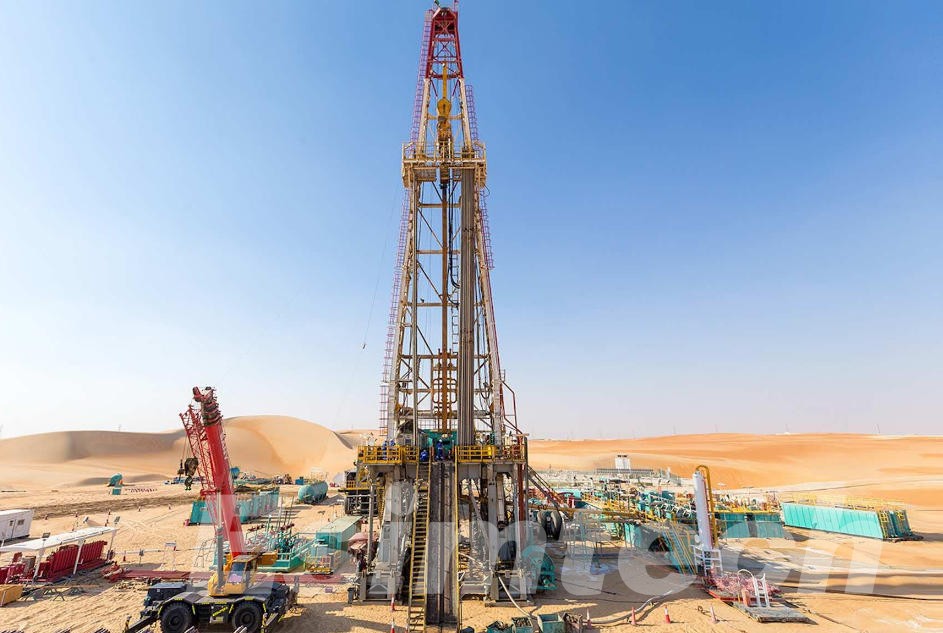
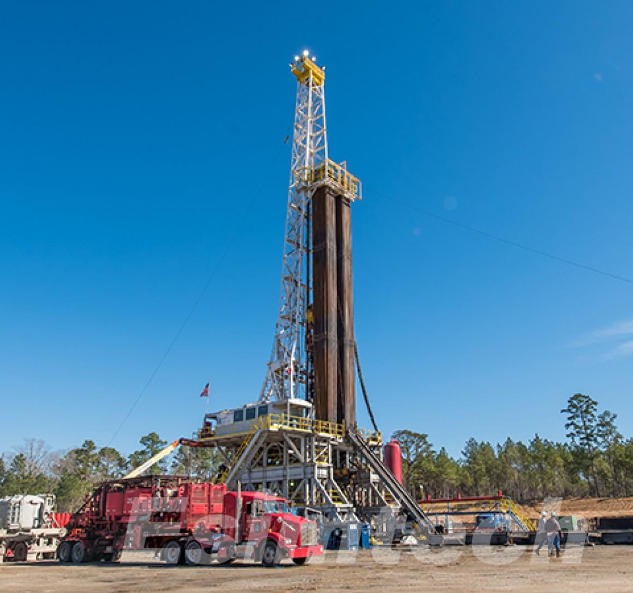
Rotary drilling is a method that turns a drill bit to carve out underground rock and form a wellbore. Most modern exploration and production plans use it as the main technique.
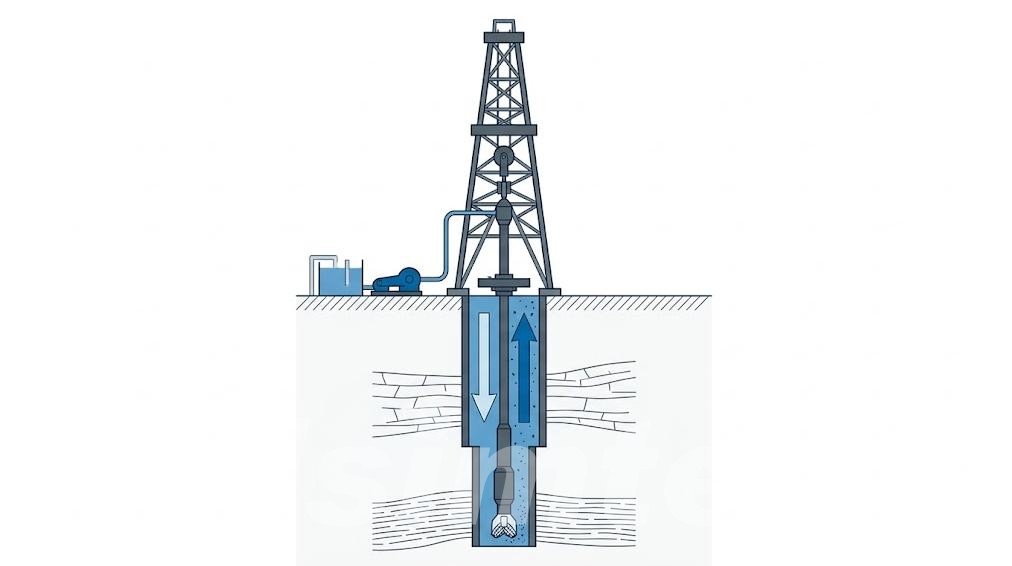
A typical rotary setup includes a drilling rig, a top drive or rotary table, the drill string, a bottom-hole assembly (BHA), a drill bit, mud pumps, and tools that manage drilling fluid flow.
As drilling starts, the rig provides torque. That force goes down through the drill string and reaches the bit at the bottom. The bit then rotates and attacks the formation. The rock breaks as it is cut and also as it shears, grinds, or crushes.
Drilling fluid is pumped continuously. It moves down through the drill string and comes back up through the space around it in the well. This returns the cuttings to the surface. It also helps keep the bit cool and reduces friction. It plays a role in managing formation pressure as well.
Understanding Percussion Drilling in Oil and Gas Operations
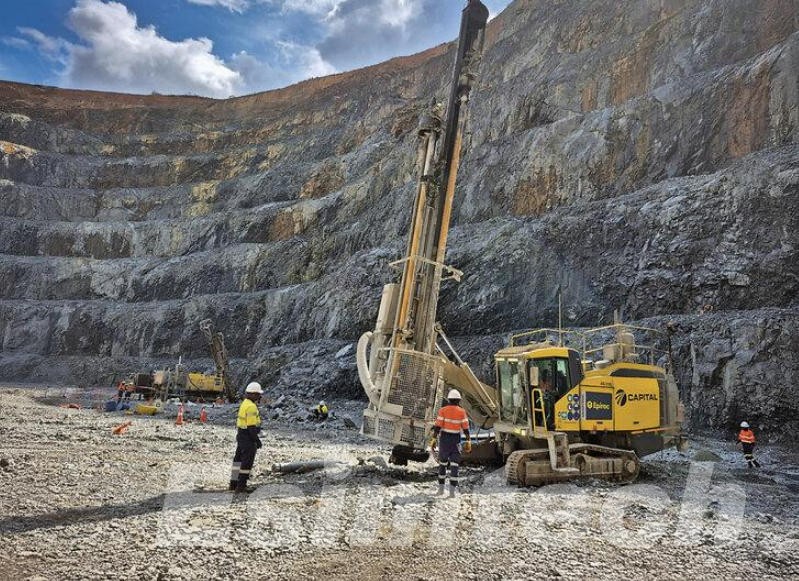
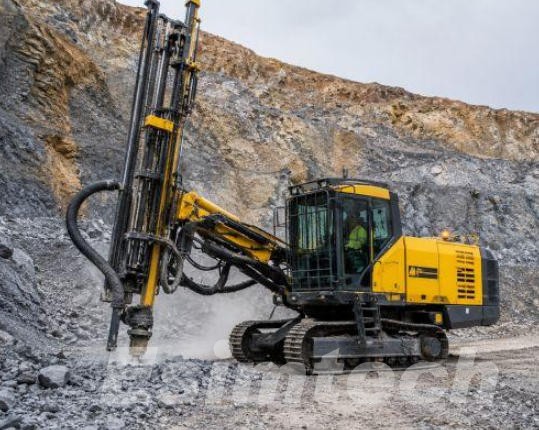
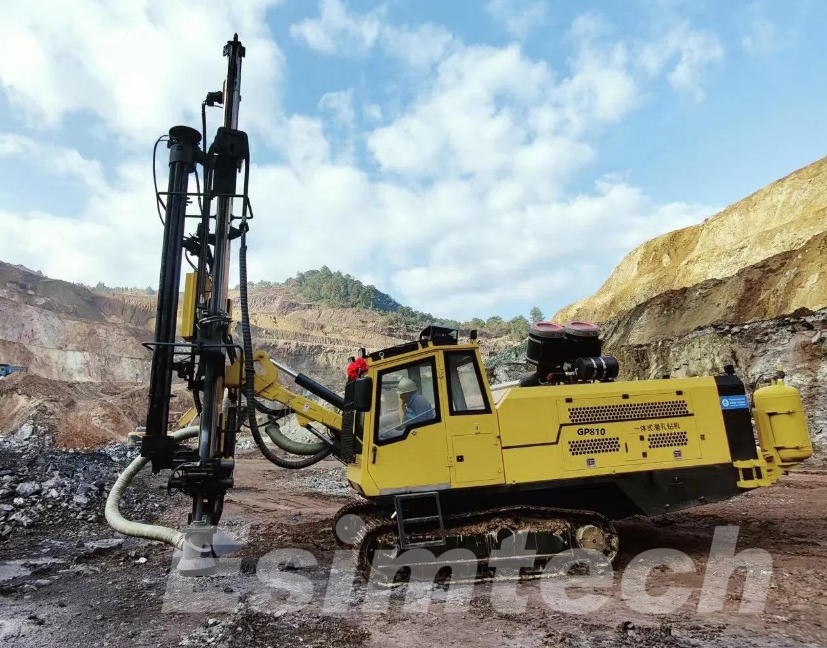
Percussion drilling is a process that breaks rock using repeated mechanical blows. A hammer section creates impact energy. That energy then reaches the bit and causes stress in a small area, leading to fractures.
In oil and gas related work, percussion methods are often linked with down-the-hole (DTH) hammer drilling. They are also used with rotary-percussion systems made for particular conditions.
A DTH hammer sits close to the drill bit at the base of the borehole. Compressed air, or another suitable power source, runs the hammer. The hammer then hits the rock again and again. The drill string can also spin. That rotation can help spread the impact load and keep the borehole on the planned path.
Percussion drilling is often a good choice for very hard or very abrasive layers. In those cases, ordinary rotary drilling can wear the bit fast. It can also lead to slower penetration.
Key Differences Between Rotary Drilling and Percussion Drilling
Rotary drilling and percussion drilling differ in their working principles, equipment configurations, energy transmission, and suitability for oilfield applications.
1. Working Principles
The most fundamental difference between rotary drilling and percussion drilling is their approach to breaking underground rock formations.
Rotary Drilling
Rotary drilling uses steady turning. A rig makes torque. That torque goes from the rig through the drill string and into the drill bit. As the bit turns, its cutters attack the rock. The rock breaks by cutting actions like shearing, grinding, scraping, or crushing.
The rig also sets weight on bit, or WOB. This helps keep the cutters in firm contact with the formation. Drilling fluid flows through the drill string and then back up through the annulus. That flow carries the rock cuttings to the surface.
In oil and gas work, rotary drilling often uses PDC bits, roller cone bits, or diamond bits. Operators choose among these tools based on formation hardness, how abrasive the rock is, and the drilling goals.
Percussion Drilling
Percussion drilling breaks rock by repeated impacts. A hammer unit makes impact energy. It sends that energy to the drill bit. The impacts create high stress in small areas. That stress makes cracks and fractures in the formation.
In DTH drilling, the hammer is located near the bottom of the borehole. This lets the impact energy reach the rock more directly. Compressed air is a common power source. It also helps clear cuttings from the borehole.
Some percussion setups add rotation along with the impacts. This rotary-percussion method can spread the impact forces more evenly. It can also help keep drilling direction.
2. Equipment Configuration
Rotary drilling and percussion drilling need different equipment layouts. The reason is that energy transfer differs between the two.
Rotary drilling systems usually include a drilling rig, a top drive or a rotary table, a drill string, a bottom-hole assembly (BHA), a drill bit, mud pumps, and fluid circulation gear.
The rotary drive handles torque transfer through the drill string. At the same time, the fluid system keeps drilling fluid moving. You may also see measurement-while-drilling (MWD) and logging-while-drilling (LWD) tools. These can deliver downhole data while drilling is underway.
Percussion drilling systems usually include a drilling rig, a hammer unit, drill pipes, an impact bit, and an air or hydraulic power supply. In many designs, the hammer is driven either by compressed air or by hydraulic pressure.
The big structural gap is this: rotary drilling uses a rotary motor and a drill string. Percussion drilling uses a device that makes repeated impacts. Those impacts hit the formation to remove rock.
3. Drilling Efficiency and Penetration Rate
Drilling efficiency matters when you compare rotary drilling with percussion drilling. Still, ROP is not one fixed number. It shifts with the geology, the tool design, the set operating values, and the drilling goal.
Rotary drilling efficiency
Rotary drilling keeps breaking rock in a steady way. That steady action can fit long runs and demanding well designs.
How fast it penetrates depends on several items. Rotational speed is key, and so is the weight on bit. Torque also plays a role. Bit shape and cutter style matter. Drilling fluid behavior and formation traits also affect results.
For soft to medium-hard rock, well chosen PDC bits can drive strong penetration. For tougher rock, roller cone bits and certain diamond bit designs can be better choices.
Many modern rotary systems also use automated drilling controls. They may add MWD and LWD tools too. Together, these can help with drilling accuracy and smoother day-to-day operations.
Percussion drilling efficiency
Percussion drilling works by sending repeated impact energy into the ground. Penetration depends on how often impacts occur and how much energy each strike carries. Hammer efficiency matters. Operating pressure also matters. Rock hardness and abrasiveness matter as well.
In hard and abrasive formations, DTH hammer drilling can work well. The hammer delivers impact energy near the drill bit, which helps the bit break the rock.
Even so, percussion drilling is not always quicker than rotary drilling. The outcome depends on the formation and on whether the hammer system can work well under the downhole conditions you need.
4. Geological Adaptability
Geological adaptability is about whether a method can stay effective in changing underground conditions.
Rotary drilling can work across many formation types. Operators can swap bit styles and tweak the operating settings. With that flexibility, drilling can go through soft sedimentary layers, medium-hard zones, and many hard-rock settings.
For instance, PDC bits are often used where continuous shearing helps. Roller cone bits can handle a broader mix of formation characteristics.
Percussion drilling tends to fit hard, compact, and abrasive rock. The impact cycle creates stress in small zones around the bit. That localized cracking can help break formations that some rotary setups cannot penetrate efficiently.
However, percussion drilling may struggle in soft, poorly cemented, or badly broken rock. Because of that, people need to review the geology first and pick the right tools before starting.
5. Drilling Depth and Wellbore Construction
Drilling depth is another important consideration in oil and gas operations.
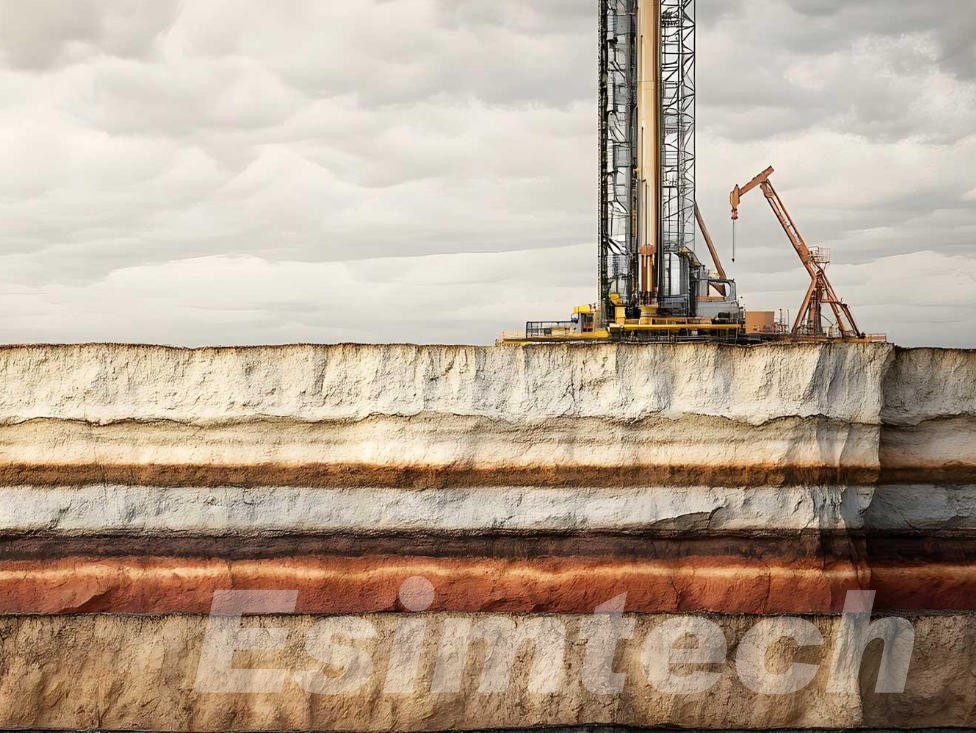
Rotary drilling is used a lot for deep and ultra-deep wells. A key reason is that the drill string can be lengthened by adding drill pipe pieces. The tooling setup also fits many well plans. This includes vertical wells, directional wells, and horizontal wells.
Percussion drilling is often linked to hard-rock jobs. It is also common when the target depth is not very large. Even so, modern DTH tools can go much deeper. Depth depends on hammer details, the borehole state, and how well cuttings can be removed.
For typical production wells, rotary drilling is still the standard choice. It ties together drilling fluid flow, pressure control in the formation, directional control, and well control gear.
6. Well Control and Operational Safety
Well control is particularly important in oil and gas drilling because underground formations may contain fluids under high pressure.
With rotary drilling, drilling fluid helps create hydrostatic pressure. That pressure works to offset formation pressure. Blowout preventers, choke manifolds, and other well-control items add more safeguards in case something goes wrong.
Percussion drilling systems require different operating arrangements depending on whether they use compressed air, hydraulic power, or specialized fluid circulation. When applied in petroleum-related environments, the equipment must be evaluated carefully for compatibility with formation pressure, fluid influx risks, and well-control requirements.
In addition, both methods require appropriate measures to control mechanical hazards, vibration, noise, equipment failures, and unexpected geological conditions.
7. Industrial Applications
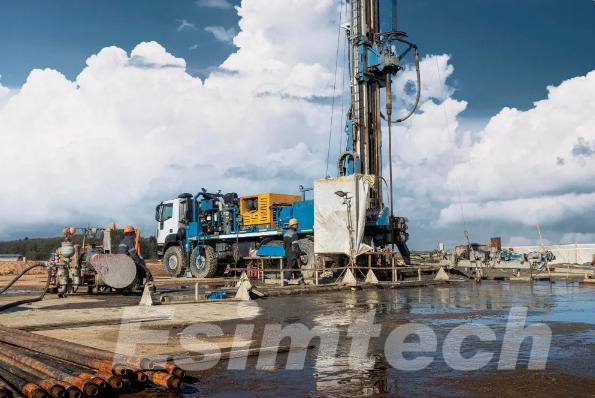
Although rotary drilling and percussion drilling can both be used in geological engineering, their applications in the oil and gas industry are different.
| Application | Rotary Drilling | Percussion Drilling |
| Oil and Gas Exploration | Widely used for exploratory well construction | Used in selected supporting geological investigations |
| Production Well Construction | Primary drilling technology | Limited specialized applications |
| Horizontal Well Drilling | Widely used with rotary steerable and directional systems | Not commonly used for conventional horizontal well construction |
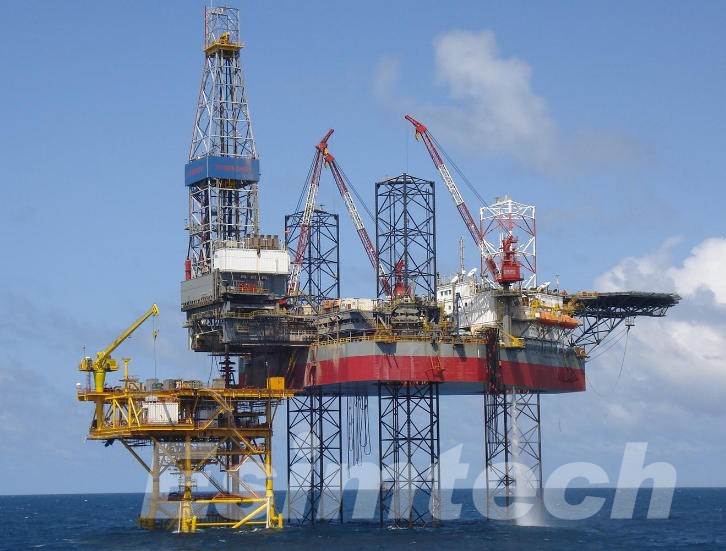
| Offshore Drilling | Essential for offshore well construction | Limited specialized applications |
| Deep and Ultra-Deep Wells | Widely used | Highly application-dependent |
| Hard-Rock Drilling | Uses suitable roller cone, PDC, or diamond bits | Effective with specialized DTH hammer systems |
| Geological Investigation | Used for borehole drilling and core sampling | Used in selected hard-rock investigation projects |
| Oilfield Infrastructure | Used for foundation and other borehole construction | Used for selected rock drilling and anchoring tasks |
| Geothermal Drilling | Widely used | Used in selected hard-rock drilling operations |
Rotary Drilling Applications
Rotary drilling is widely used throughout the oil and gas industry.
In exploration projects, it helps construct exploratory wells and obtain geological information about underground formations. During production development, it creates wellbores that connect underground reservoirs with surface production facilities.
It is also essential for horizontal and directional drilling, allowing operators to reach reservoir targets that cannot be accessed through conventional vertical wells.
Percussion Drilling Applications
Percussion drilling has a more specialized role in oilfield-related activities.
It can be used for hard-rock drilling, geological investigation, and selected auxiliary construction operations. DTH hammer systems are particularly useful when drilling through dense and abrasive rock formations.
Rotary-percussion systems can also combine rotational movement and impact energy to improve penetration performance in challenging geological environments.
8. Operating Costs and Maintenance
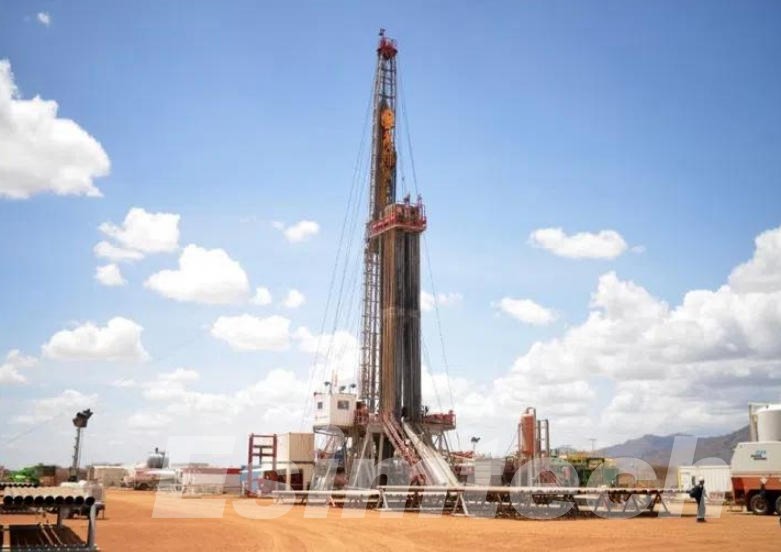
Operating costs and maintenance requirements influence the overall economic performance of drilling projects.
| Cost and Maintenance Factor | Rotary Drilling | Percussion Drilling |
| Initial Investment | Often requires substantial investment in rigs, drill strings, and circulation systems | Depends on hammer type, power system, and drilling rig |
| Energy Consumption | Power required for rotary drive and fluid circulation | Energy required for pneumatic or hydraulic impact generation |
| Drill Bit Replacement | Depends on cutter wear, bearing condition, and formation abrasiveness | Depends on impact wear, button condition, and rock hardness |
| Equipment Maintenance | Drill pipes, pumps, bearings, top drives, and drilling systems | Hammer pistons, valves, seals, and impact components |
| Downtime Risks | Drill string failures, stuck pipe, pump problems, and bit damage | Hammer failures, impact component wear, and air supply problems |
| Operating Costs | Influenced by well depth, drilling fluid, equipment utilization, and ROP | Influenced by hammer performance, energy consumption, and maintenance frequency |
Rotary drilling can involve higher overall system complexity, particularly in deep wells requiring advanced circulation and well-control equipment.
Percussion drilling may have a different maintenance profile because its hammer components are exposed to repeated impact forces.
For a fair economic comparison, companies should evaluate the total cost per meter drilled, including equipment investment, energy, labor, maintenance, and operational downtime.
Summary Comparison Table of Rotary Drilling and Percussion Drilling in Oil and Gas Operations
| Comparison Factor | Rotary Drilling | Percussion Drilling |
| Working Principle | Uses continuous rotational movement to penetrate underground formations | Uses repeated mechanical impacts to fracture rock |
| Rock-Breaking Mechanism | Cuts, shears, grinds, and crushes rock | Breaks rock through repeated impact forces |
| Main Energy Source | Rotational torque and weight on bit (WOB) | Mechanical, pneumatic, or hydraulic impact energy |
| Main Equipment | Rotary drilling rig, top drive, drill string, BHA, and drill bit | Drilling rig, hammer mechanism, drill pipes, and impact bit |
| Drill Bit Movement | Continuous rotation | Repeated impact, sometimes combined with rotation |
| Common Drill Bits | PDC bits, roller cone bits, and diamond bits | Button bits and specialized impact-resistant bits |
| Energy Transmission | Transfers rotational torque through the drill string | Transfers impact energy through the hammer to the drill bit |
| Cuttings Removal | Primarily through drilling fluid circulation | Commonly through compressed air or water in DTH systems |
| Geological Adaptability | Suitable for a broad range of formations | Particularly effective in hard and compact rock |
| Drilling Depth | Suitable for deep and ultra-deep oil and gas wells | Depends on hammer design and operating configuration |
| Drilling Speed | Efficient in many soft and medium-hard formations | Effective in hard rock, depending on impact energy and formation conditions |
| Directional Drilling | Widely used for vertical, directional, and horizontal wells | More limited and application-dependent |
| Wellbore Pressure Control | Uses drilling fluid hydrostatic pressure and integrated well-control equipment | Requires specialized pressure-control arrangements appropriate to the application |
| Operational Vibration | Generally provides smoother continuous operation | Produces higher impact-related vibration |
| Equipment Complexity | Often involves complex drive, circulation, and well-control systems | Depends on hammer type and pneumatic or hydraulic power system |
| Maintenance Requirements | Drill bits, drill pipes, bearings, mud pumps, and top drives | Hammer pistons, valves, seals, impact components, and drill bits |
| Initial Investment | Often requires substantial investment in rigs and supporting systems | Varies according to hammer design and equipment configuration |
| Main Advantages | Deep-well capability, versatility, and continuous drilling performance | Strong rock-breaking capability and effective hard-rock penetration |
| Main Limitations | Drill bit wear, circulation challenges, and potentially high operating costs | Impact-related component wear, vibration, noise, and specialized operating requirements |
| Oil and Gas Exploration | Widely used for exploratory well construction | Used in selected supporting geological investigations |
| Typical Applications | Exploration, production, deep wells, and directional drilling | Specialized hard-rock drilling and auxiliary oilfield operations |
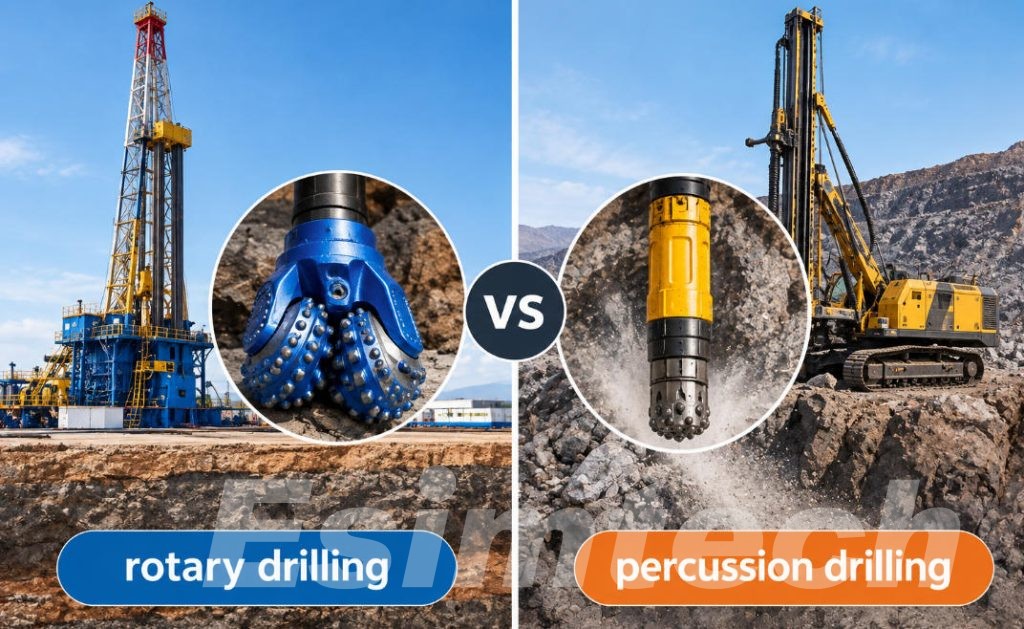
How to Choose Between Rotary Drilling and Percussion Drilling for Oil and Gas Projects
Selecting between rotary drilling and percussion drilling requires an evaluation of geological conditions, well design, drilling objectives, and operational constraints.
Formation Characteristics
Key factors include hardness, how abrasive the rock is, how fractures are spread, and overall rock strength. Rotary drilling often works across many formations. Percussion drilling can help more in some hard-rock cases.
Required Well Depth
For conventional oil and gas exploration and production wells, rotary drilling is generally the preferred technology because it supports deep and ultra-deep well construction.
Percussion drilling is more commonly used in specialized applications, although DTH systems can also reach considerable depths.
Wellbore Pressure Management
Oil and gas wells often hit rock layers that do not share the same pressure level. Rotary drilling setups rely on drilling mud plus well-control hardware to keep those pressures under control.
Percussion methods also need close checking. The setup has to match the chosen well-control plan, or the job can drift off target.
Drilling Equipment Investment
Companies should consider equipment purchase costs, transportation, installation, energy consumption, maintenance, and replacement components.
The most economical solution is not necessarily the equipment with the lowest initial price. Drilling performance and total cost per meter are more meaningful evaluation criteria.
Project Objectives
For deep exploration holes, horizontal wells, and main production wells, rotary drilling is usually the better fit.
For tough rock work and some support tasks, percussion drilling or rotary-percussion designs can work well too.
The Role of Simulation Technology in Rotary Drilling and Percussion Drilling
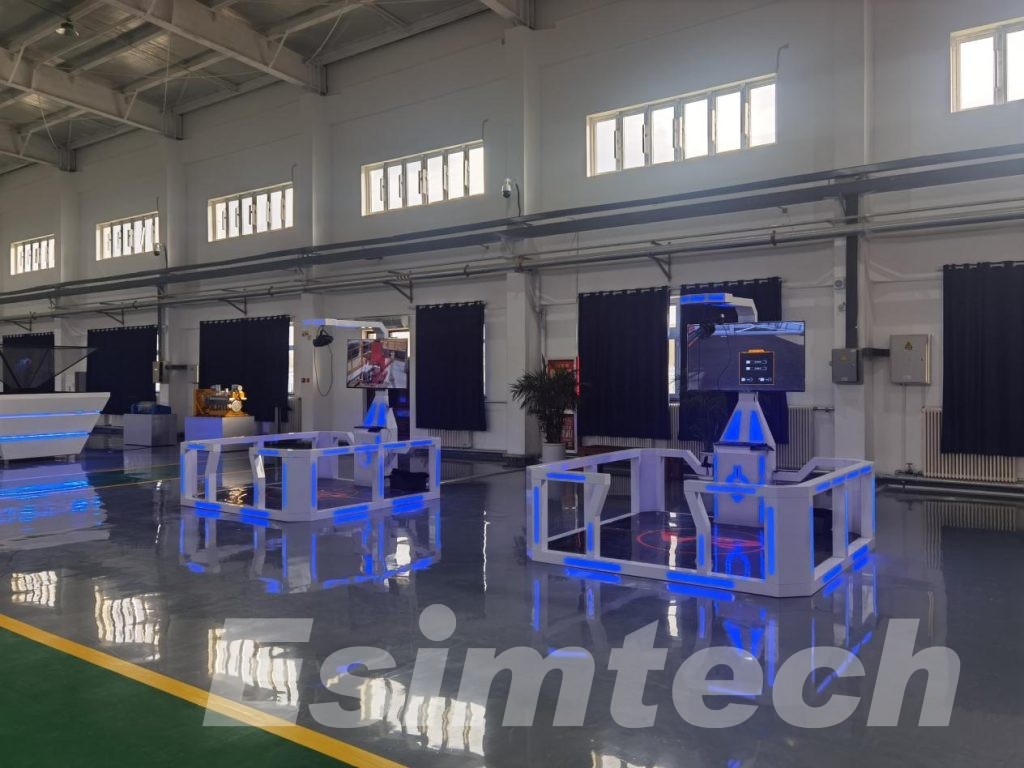
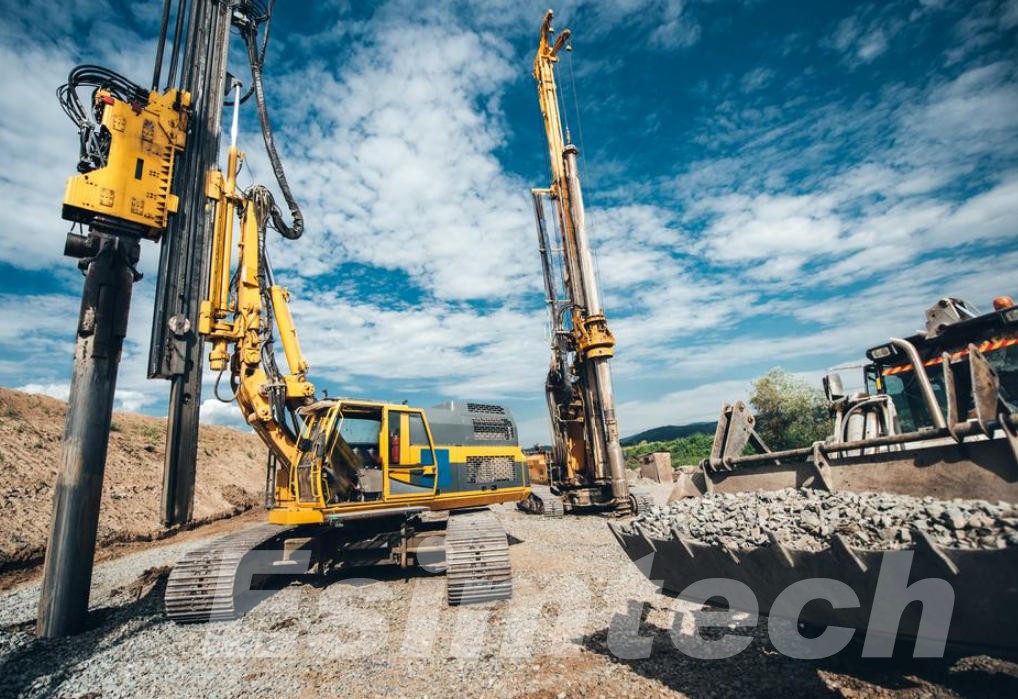
Simulation technology is becoming increasingly important in oil and gas drilling engineering. It allows drilling companies to reproduce complex operational environments, evaluate equipment performance, train personnel, and identify potential risks without conducting every test in the field.
Comparison of Simulation Applications in Rotary and Percussion Drilling
| Simulation Technology | Rotary Drilling | Percussion Drilling | Main Purpose |
| Mechanical Simulation | Models drill string rotation, torque, and vibration | Models hammer movement and impact forces | Evaluates mechanical performance |
| Geological Simulation | Reproduces different formations and wellbore conditions | Simulates rock fracture and fragmentation | Improves drilling method selection |
| Hydraulic Simulation | Analyzes drilling fluid circulation and pressure losses | Evaluates compressed-air or hydraulic hammer systems | Optimizes energy and fluid management |
| Drilling Parameter Simulation | Tests WOB, RPM, torque, and ROP | Tests impact energy, frequency, and operating pressure | Improves drilling efficiency |
| Virtual Reality (VR) Simulation | Provides immersive rotary rig operation training | Recreates percussion drilling and equipment operation | Improves operator skills and safety awareness |
| Digital Twin Simulation | Creates virtual representations of rotary rigs and drilling systems | Models hammer performance and equipment conditions | Supports real-time monitoring and predictive maintenance |
| Emergency Scenario Simulation | Reproduces well-control incidents and equipment failures | Simulates hammer malfunction and abnormal drilling conditions | Improves emergency response capabilities |
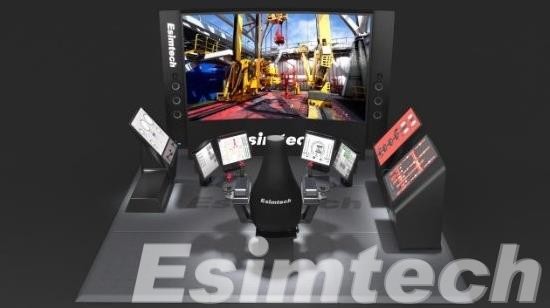
For oil and gas training institutions and equipment manufacturers, combining drilling simulators with mechanical modeling and VR technology can create a more comprehensive training and engineering environment.
Final Thoughts
Rotary drilling and percussion drilling both play roles in modern drilling engineering. However, each one fits different needs in oil and gas operations.
Rotary drilling is the common choice for standard well construction. It helps with deep penetration, supports directional drilling, breaks rock in a steady way, and works smoothly with well control systems.
Percussion drilling is more specialized and is particularly useful in hard-rock drilling, geological investigation, and certain auxiliary oilfield applications. With hard formations, DTH hammers and rotary-percussion tools can be a practical option when standard rotary drilling struggles.
Using the right drilling method along with simulation technology and intelligent monitoring, oil and gas operators can operate more efficiently, cut equipment idle time, improve safety handling and achieve more cost-effective drilling operations.