How to Enhance Hydraulic Workover Units(HWUs)

Written By: Computer Science Professor
Deeply rooted in the R&D of simulators for the oil and gas industry, committed to bringing safety to every oil worker.
Hydraulic Workover Units (HWUs) provide the flexibility, safety, and cost-effectiveness needed to operate in a complex well Intervention environment while live wells are in operation. As the need for efficiency and automation increases, Enhancing HWU performance and capacity is prioritized.
The Evolving Role of Hydraulic Workover Units
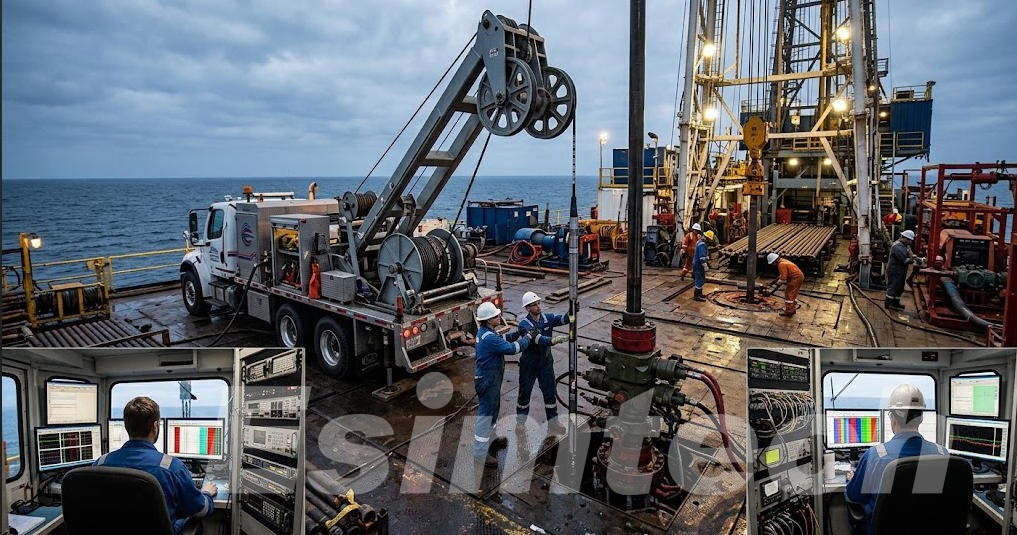
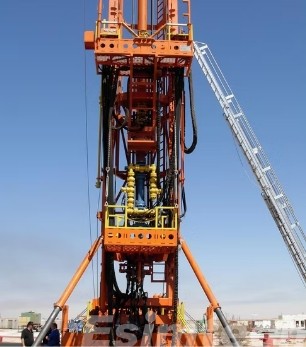
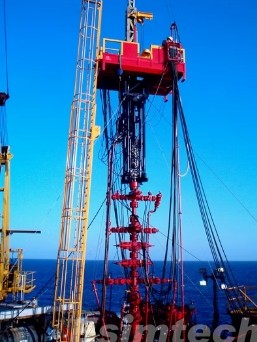
Hydraulic Workover Units primary function is integrated snubbing for pressured tubular insertion and removal, however, it is far more than that now. HWUs are used for well completions, sidetracking, fishing, plug and abandonment, and other well work. Their compact and mobile design is ideal for offshore platform work, remote onshore fields, and mature wells which lack profitability for full-scale rigs.
This chart illustrate the evolving of hydraulic workover units
| Stage/Period | Primary Function | Key Features | Advantages |
| Early Hydraulic Workover Units | Snubbing operations under pressure | Basic hydraulic control, manual operation | Allowed safe insertion/removal of tubing under live well conditions |
| Expanded Use (1990s–2000s) | Well completions, fishing, P&A | Improved lifting capacity, portable design | Modular setups for onshore/offshore; enhanced hydraulic power |
| Automation Era (2010s) | Precision well interventions | Digital control panels, real-time monitoring | Reduced human error, better operational accuracy, predictive maintenance |
Challenges in Enhancing Hydraulic Workover Units
Advancements in mobility, automation, and safety involves a myriad of challenges to enhancing Hydraulic Workover Units that operators and manufacturers need to resolve to achieve their intended purposes.
Mechanical and Structural Limitations
Considering the trend of requiring Hydraulic Workover Units to perform deeper well and heavier tubular operations, the current design of hydraulic systems and their structural components may become offensive as the systems become overstretched. Elevating lifting capability while retaining the hydraulic system structural hinges and hydraulic system footprint requires elegant AM (Advanced Manufacturing) and radical design approaches. Moreover, the ultimate AM problem of hyper-optimizing the system by balancing the strength to weight to mobility ratios, becomes more emphasized, especially on offshore operations where the atmosphere is hyperspace (space is very constrained).
Integration of Advanced Automation
There is increased reliance on fully automated digital control systems, designed for optimizing precision and safety, on modern Hydraulic Workover Units. Unfortunately, the automation technology integration problem is more pronounced than the available advanced technology. Automation systems for HWUs are already designed to meet the need of instant, reliable, real-time, and digital hydraulic step control for the dynamic and unpredictable field environments. Automated control systems are designed to be reactive to unpredictable and dynamic alterations of soil, air pressure, and temperature. Furthermore, the more advanced integrated control systems represented by sophisticated sensor, PLC (Programmable Logic Controller) systems, and control algorithms, designed for automation control integration, may become uneconomic for small operators.
Safety Concerns in High-Risk Operations
Safety continues to be a central concern in the enhancement of Hydraulic Workover Units, but they are unavoidably risky in the case of high-pressure well interventions. If not anticipated and properly managed, the introduction of fast deployment systems, remote control operations, and higher lifting capacities will pose new risks. Complexity and cost are added by the integration of redundant hydraulic systems, fail-safe interlocks, and emergency shutdown systems. While unnecessary automation and extreme control systems will also increase the risk to employee safety, training personnel on new technology who will be expected to operate higher units safely in an efficient manner and still meet high productivity standards will be a considerable problem.
Mobility and Deployment Challenges
Designing Hydraulic Workover Units to be more mobile for swift deployment in remote onshore locations or offshore platforms is an ongoing concern. The introduction of new features or systems that increase lifting capabilities or advanced hydraulic systems are not as transportable and the units run the risk of becoming transport efficiency. The need to balance the design of compact and modular units to the need to lightweight engineering and new material technologies without loss of function is a considerable problem. There is also the problem of logistical and operational constraints; limited crane capabilities, transport bureaucracies, offshore deck space, and of course, transport regulations.

Energy Efficiency and Environmental Constraints
In the current climate, addressing the dieselpowered hydraulic units’ inefficiencies and environmental repercussions while improving the Hydraulic Workover Units from an energy use and eco-sustainability standpoint remains paramount. Dieselpowered hydraulic units are ostensibly eco-destructive and create regulatory operational contraventions noise. Switching to hybrid or fully electric hydraulic workover units’ power systems permutations necessitates hydraulic circuit and control systems, energy storage, and performative integration complexities. Engineering compromises will need to balance operational demands and eco-performance, especially for noise and emissions control in workover units and environmental contraventions hydraulic units.
Maintenance and Reliability Issues
While the circuit and control systems automation enhancements ostensibly increase the scope of streamlined operations, the systems over hydraulic workover units also create maintenance contraventions for the self-contained units. Operational hydraulic pressure and hydraulic workover unit deployment frequency and the resultant systems’ limited automation placed hydraulic workover units in a maintenance conundrum and undermined reliability. Some of the predictive maintenance technologies can alleviate the problem, but operational deployment without remote and offshore hydraulic workover units will not work, as the required data will not be available. Workover operators constant deployment contradiction and offshore operational technologies.
Cost and Economic Considerations
Research, design, materials, and automation all add to the costs involved in improving Hydraulic Workover Units. Operators, especially those running marginal and small wells, often find the operational and capital costs difficult to manage, although advanced units have greater safety, efficiency, and performance. The balance to be struck is delivering enhancements at a reasonable price while still ensuring the enhancements provide improvements that will be there to justify the cost. In this case, enhancements must provide improvements that add value.

Key Strategies for Enhancing Hydraulic Workover Units
Implementing the right strategies for enhancing Hydraulic Workover Units is critical to maximizing the potential of these units while addressing operational challenges.
1. Advanced Hydraulic System Optimization
Optimum hydarulic system configuration is one of the best and simplest improvements one can get. The Lift capabilities and control accuracy of the system is a more direct result of the combination of advanced pump and control technologies. The ability to take bigger tubulars and more complex toolbox work is improved at higher levels. The circuits designed at a higher standard provide the system a higher response rate and in turn reduce cost that will be incurred from system wear. The system is designed at a minimum energy loss and effective service life is lengthened. The incorporation of a variable system for flow and pressure stabilization will ensure greater operational safety in energy concentration zones.
2. Integration of Digital Control and Automation
The introduction of digital systems and automation technologies is operational game changers for Hydraulic Workover Units. Computerized systems for hydraulic control and load movement permits more precise control of well parameters and load movement. Furthermore, Automation technologies improve operation safety by reducing the human factor and instant feedback on critical condition. Digital systems also enable predictive maintenance by constant monitoring, allowing the operator to schedule maintenance on worn components, reducing unplanned downtimes. Furthermore, Automation improves remote operation which is a major safety improvement in high-risk control scenarios.
3. Structural Design Improvements
Advancing the design of Hydraulic Workover Units to improve their functional characteristics entails improvement to the basic design. Advanced design materials like high-strength steel alloys and engineered composites contribute to overall unit weight reduction while maintaining the lifting and structural integrity. Modular and skid-mounted designs improve time and design mobility which is vital for offshore and remote onshore operations as these designs decrease rig-up and rig-down time. Safety also improves due to the robust structural elements that contain tall and heavy lifts as well as hydraulic components with high operational pressures.
4. Safety-Centric Improvements
In the enhancement strategies for Hydraulic Workover Units, the greatest emphasis is placed on safety. The introduction of redundant hydraulic circuits, fail-safe interlocks, and sophisticated blowout preventer (BOP) systems provides security against high-pressure operational hazards. The arrangement of controls for ergonomics, as well as operator interfaces designed for ease, are useful for combating operator fatigue and quickly responding to emergencies. The integration of these characteristics with course instruction for automated and other sophisticated systems is designed to ensure that operators are able to harness systems safely and efficiently.
5. Energy Efficiency and Sustainability
In the drive to improve hydraulic workover units with the intention of enhancing energy efficiency, the concern for the environment is given paramount importance. The switch to hybrid and electric hydraulic drives provides better consumption control and emission reductions with no losses in operational efficacy. The design of energy optimized hydraulic systems, systems for the control of operational noise, and systems for the reduction of noise produced during hydraulic work are additional means to achieve goal reduction of environmental impacts, as units become more favorable for offshore platforms and onshore areas of high environmental sensitivity. Improvements in energy efficiency cut down the costs of workover units during their operational lifecycle, and these improvements also promote a positive environmental impact.
6. Operator Training and Simulation
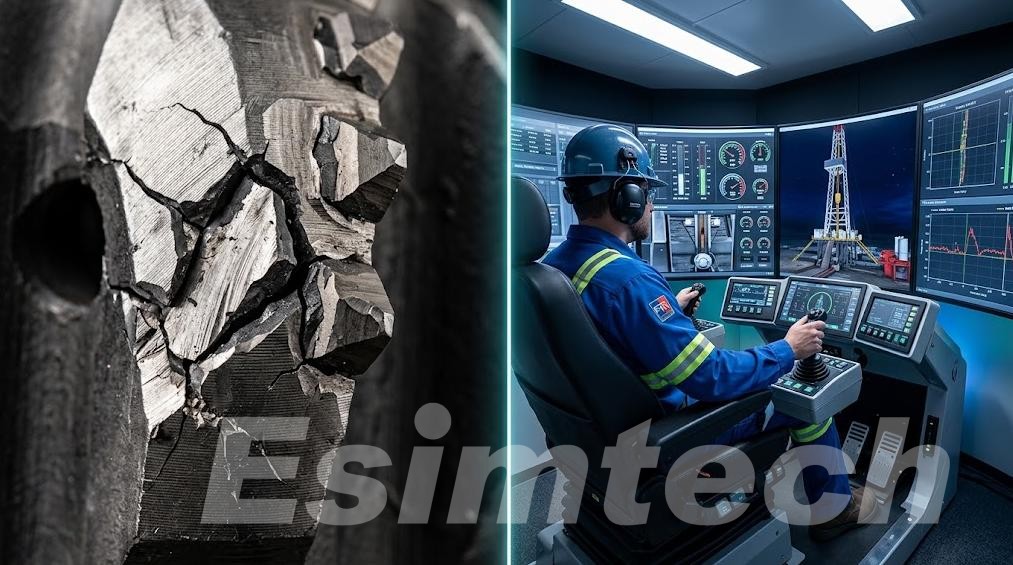
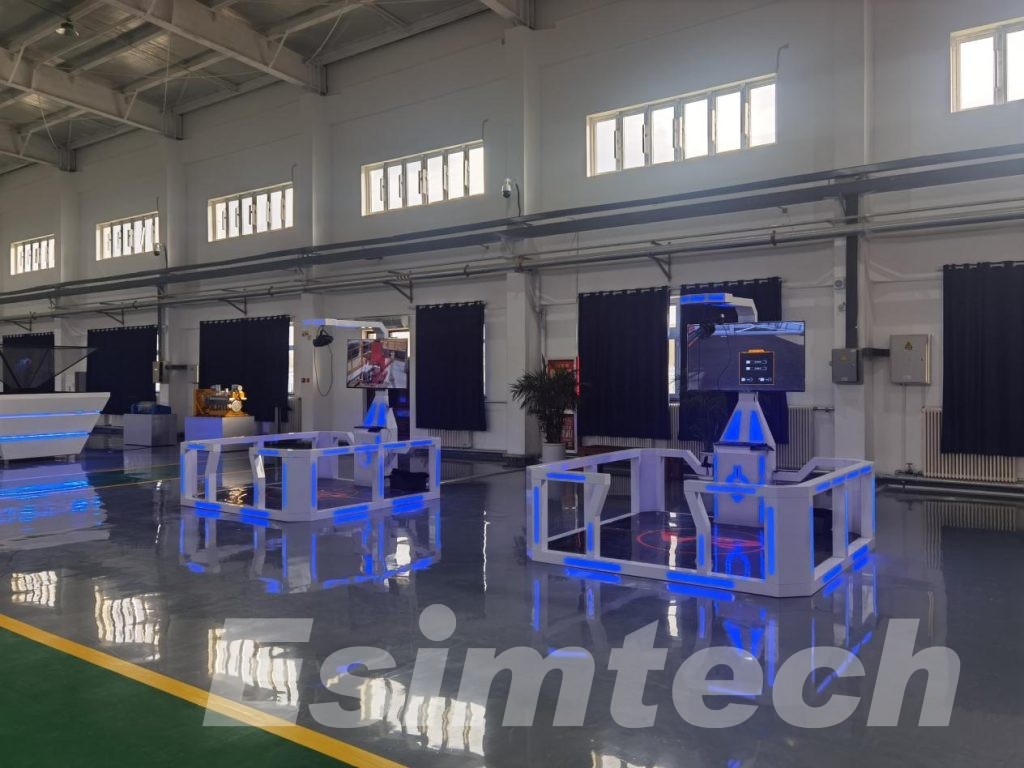
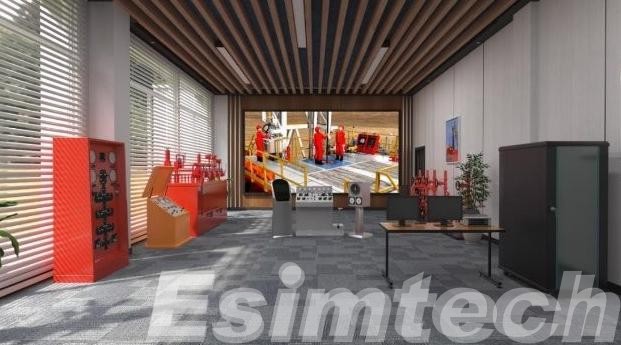
Enhancing Hydraulic Workover Units is not limited to physical or mechanical improvements; training plays a crucial role. Advanced simulators allow operators to practice complex well interventions and emergency scenarios in a safe, virtual environment.
This chart provides simulation technologies used for enhancing HWUs
| Simulation Technology | Function | Benefits | Application |
| Hydraulic System Simulation | Models hydraulic circuits and pressure-flow behavior | Optimizes system design, predicts performance under varying loads | Helps engineers design efficient, reliable hydraulic systems and reduce energy losses |
| Structural and Load Simulation | Analyzes stresses, deformations, and stability of Hydraulic Workover Unit structures | Ensures structural integrity, improves safety | Guides design of masts, skids, and platforms to withstand heavy loads and high-pressure operations |
| Virtual Operator Training Simulators | Provides realistic operator training in a virtual environment | Improves operator proficiency, reduces human error | Enables crews to practice snubbing, lifting, and high-pressure operations safely |
| Digital Twin Simulation | Creates a real-time virtual replica of the Hydraulic Workover Unit | Monitors operational performance, predicts maintenance needs | Allows predictive maintenance, performance optimization, and scenario testing before live operations |
| Dynamic Motion and Snubbing Simulation | Models the movement of tubulars and well intervention tools | Reduces risk of accidents, enhances operational precision | Assists in planning complex snubbing or tubular handling operations under live well conditions |
| Environmental Impact Simulation | Assesses noise, emissions, and energy consumption | Supports sustainability initiatives, regulatory compliance | Helps design energy-efficient, low-emission Hydraulic Workover Units suitable for sensitive environments |
| Integrated Process Simulation | Combines hydraulic, structural, and operational parameters in one model | Provides holistic system analysis, improves decision-making | Guides upgrades and operational strategies for HWU efficiency, safety, and reliability |
7. Data-Driven Maintenance and Performance Optimization
Leveraging data analytics is a powerful strategy to enhance Hydraulic Workover Unit performance. Continuous monitoring of hydraulic pressures, component wear, and operational cycles allows for predictive maintenance planning. By analyzing historical and real-time data, operators can identify patterns that indicate potential failures, optimize maintenance schedules, and extend equipment lifespan. Data-driven insights also enable performance benchmarking and process improvement, ensuring HWU operate at peak efficiency.
Future Trends in Hydraulic Workover Units
With the evolution of the industry, spurred by technological advancements and a growing eco-friendly mindset, future trends in Hydraulic Workover Units are becoming more noticeable. Operators and manufacturers aiming to enhance performance, safety, and the eco-friendliness of well operations must recognize these trends.
Hybrid and Electrification Technologies
The heightened focus on the environmental impacts of the oil and gas industry has made the development of energy-efficient Hydraulic Workover Units a top priority. The next generation of Workover Units is expected to feature hydraulic drives that are hybrid or fully electric, significantly lowering fuel use and emissions as well as ambient noise. Electrified Hydraulic Workover Units will be useful in offshore and onshore operations in areas with strict environmental regulations, particularly during well interventions in sensitive ecological zones, to improve compliance with eco-standards.
Improved Mobility and Modular Configurations
The desire for faster deployment and greater operational flexibility contributes to the creation of compact, modular Hydraulic Workover Units. Improvements in lightweight materials and modular construction reduce time for rig-up and rig-down. This improvement is crucial for remote onshore and offshore locations. The future standard will be multifunctional hydraulic workover units that reduce the need for extensive reconfiguration between tasks in a single well intervention. This standard will allow operators to perform complex well intervention tasks, conserve resources, and reduce operational downtime.
New Ergonomics and Safety Features
The biggest operational safety improvements on future Hydraulic Workover Units will be hydraulic circuit redundancy, automated emergency shutdown protocols, and improved BOP integration. Ergonomics and remote operation will mitigate operator fatigue and reduce high-risk exposure, resulting in safer operations during complex well interventions. As HWU drill to greater depths and sustain higher pressures, the safety features mentioned above will be crucial to mitigate the operational risk on personnel and workover equipment.
Adaptability to Evolving Well Intervention Challenges
In the context of more advanced field development and the need to implement more complicated interventions, future hydraulic workover units will have to be more flexible regarding the changing operational needs. At some point, units with the ability to perform a wider variety of well interventions in the plays of high-pressure and deep wells will be of great value. Having multifunctional, high capacity, and rapidly installable units will enable operators to enhance productivity, control operational risks, and sustain aging assets for a longer time.
Final Thoughts
Enhancing Hydraulic Workover Units must be understood in a broader context than just mechanical integration. It entails the application of synergies automation, digitalization and sustainable development will bring to well intervention technology. HWUs will increasingly foremost adapt to the operational realities of the oil and gas industry become more engineered, safer, and efficient with better control systems and systems integration.