How Well Logging Supports Drilling Decision-making

Written By: Computer Science Professor
Deeply rooted in the R&D of simulators for the oil and gas industry, committed to bringing safety to every oil worker.
Well logging is critical in oil and gas drilling. It gives teams data about what lies below the ground. That includes rock types, how hard the rocks are, how fluids are spread out, and what the wellbore conditions look like. While drilling is underway, crews have to choose the drilling path and drilling pace. They also decide how to evaluate the formation as they go, how to keep the well stable, and where possible hydrocarbon zones might be. If subsurface data is weak or missing, those choices can become guesswork. That can raise costs and also add safety concerns.
Drilling teams use geological and geophysical readings to learn what formations they are cutting through. With that view, they can alter their plan. Well logging can happen during drilling or after the well reaches a set depth. Either way, well logging supports more informed decisions throughout the drilling process. That tends to make operations run smoother, lowers uncertainty, and supports exploration and production goals.
The Role of Well Logging in Drilling Operations
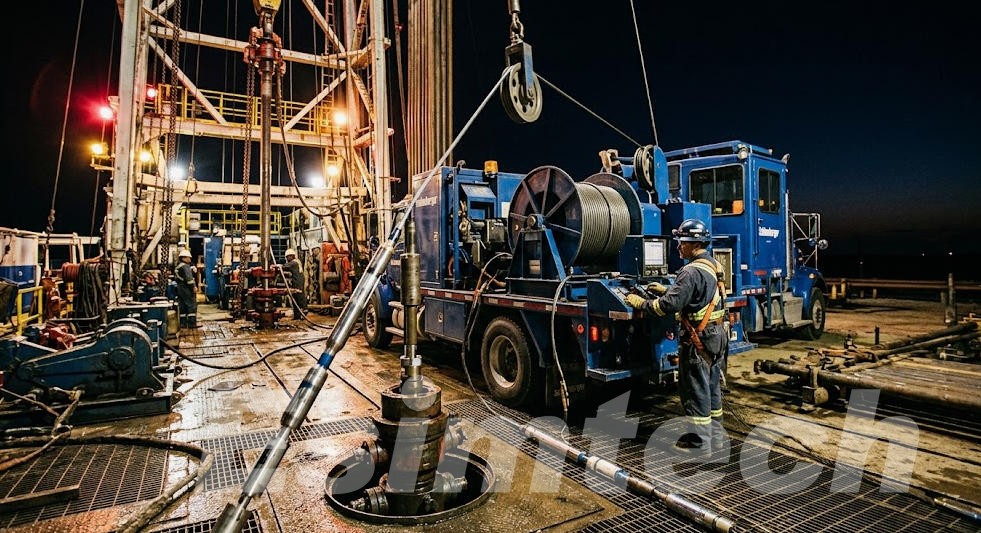
Well logging means taking measurements of underground rock properties along a well. The readings can include natural gamma levels, electrical resistivity, acoustic travel times, formation density, neutron response, and borehole temperature. Each type of data points to something different about the rock around the hole.
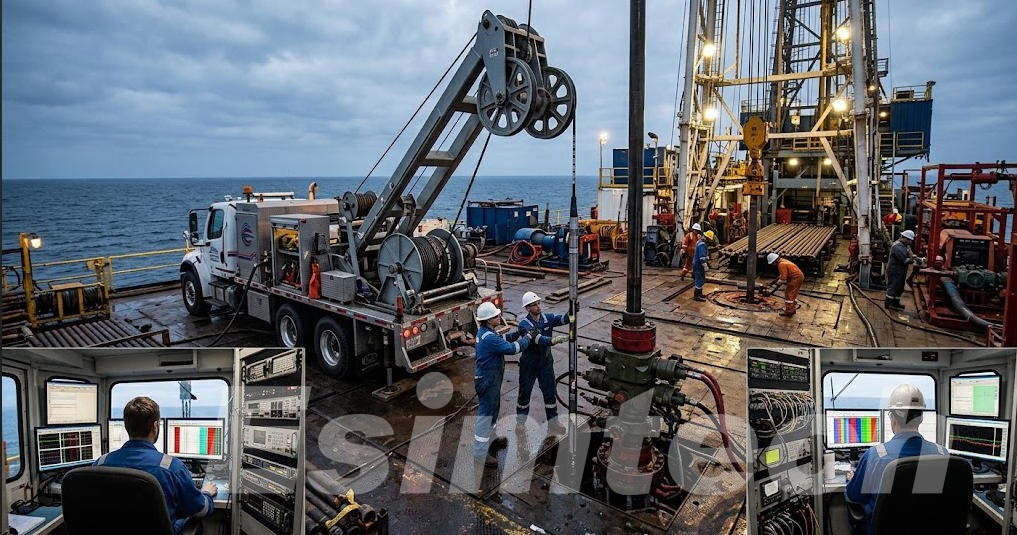
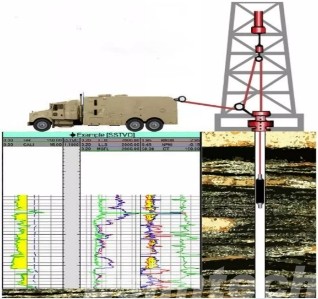
Two main ways to do it are wireline logging and logging while drilling(LWD). Wireline logging is usually done after a section is drilled. Instruments are lowered into the borehole using a cable. LWD uses sensors built into the drilling system. That way, formation data is gathered while drilling keeps moving.
Both wireline logging and LWD can help with drilling choices, but they fit different needs. Wireline logging often gives a deeper view after a section is finished. LWD can provide updates fast, so decisions do not wait until drilling is already far ahead. The best choice depends on the well goals, the rock traits, job constraints, and the available budget.
Key Contributions of Well Logging to Drilling Decision-making
1. Identifying Geological Formations
Well logging can help crews spot and describe geological layers. The rock below can change a lot in lithology, pore space, flow ability, fluid content, and strength. These differences affect drilling behavior and how the well should be built.
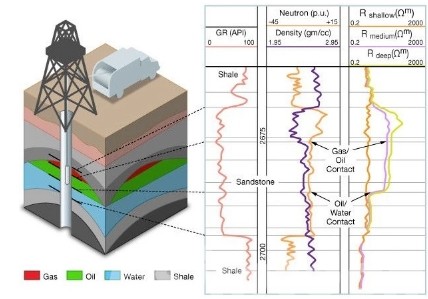
Gamma ray logs are used to tell shale-rich layers apart from cleaner sandstone or carbonate beds. Resistivity logs describe how the rock conducts electricity. When those resistivity results are matched with other log runs, they can show whether pore space holds hydrocarbons or more conductive water. Density, neutron, and sonic logs add more clues too, mainly about porosity, rock type, and related rock traits.
Putting these log types together lets geologists and drilling teams form a better picture of what they are drilling through. With that view, they can expect shifts in drilling behavior, spot key formation contacts, and judge whether the well is getting close to the planned interval.
Good formation picking can also cut down on drilling where the geology is not a good match. If what they see does not match the plan, the drilling crew can rethink the well approach. Then they can decide if the program needs changes.
2. Supporting Real-Time Drilling Decisions
Real-time decision-making matter a lot in hard wells. This includes horizontal sections, deep holes, and wells that cut through rock layers that change fast. In those cases, if the team waits until the run is over, they may miss the chance to react in time.
Logging while drilling sends measurements to the surface using telemetry. Engineers and geoscientists then read those signals along with drilling settings like weight on bit, torque, rate of penetration, and mud flow and circulation conditions.
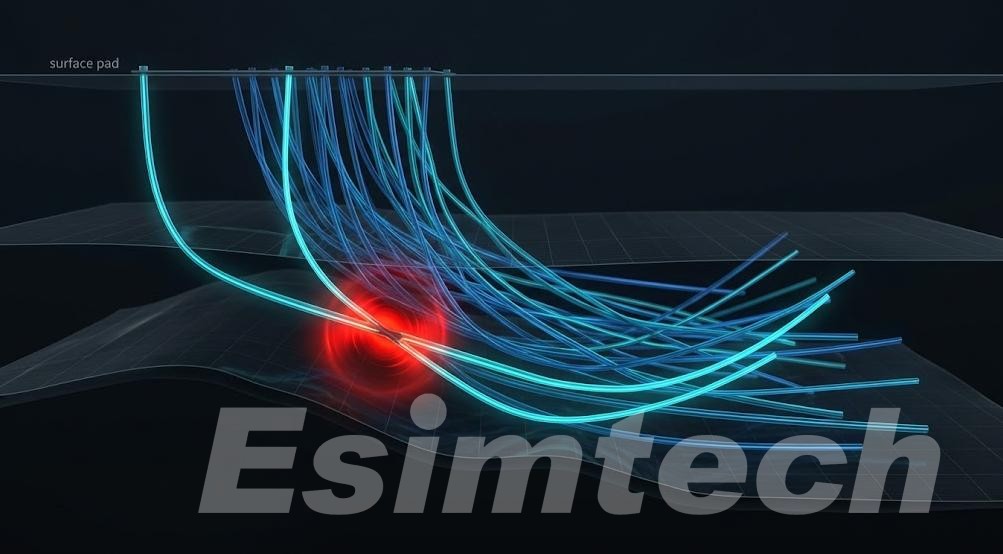
Say the LWD results show a formation shift sooner than expected. The team may then change the drilling course. They can also revisit where they thought the formation boundary would land. Or they may adjust the operating numbers to fit what the rock is actually doing. During directional and horizontal work, these signals can help aim the borehole toward a more productive zone, while steering away from layers they do not want.
Even with real-time input, doubt still exists. Some signals need extra work before they can be trusted. Still, getting the information quickly helps crews react sooner. Then choices are made with current evidence, not only with old geology guesses.
For example, if LWD measurements indicate that the formation is changing earlier than predicted, the team may adjust the drilling trajectory, refine the expected formation boundaries, or reassess the drilling parameters. In directional and horizontal drilling, measurements can also help guide the wellbore toward a productive interval while avoiding undesirable formations.
Real-time data do not eliminate uncertainty, and some measurements require additional interpretation or confirmation. However, timely access to reliable information enables drilling teams to respond more quickly to changing conditions and make decisions based on current evidence rather than geological assumptions alone.
3. Optimizing Drilling Parameters
How well drilling runs depends on the drill tools, the bit shape, the rock features, and the chosen operating settings. Picking the right drilling parameters matters. It helps maintain steady penetration. It also helps limit wear on equipment and supports wellbore stability.
Well logging gives operators a view of what the drillstring is running through. It shows shifts in lithology. If the right tools are on hand, it can also show rock mechanical behavior. Teams can then match those results to drilling performance trends, so they can sort out why penetration rate changes. They can also judge if the current plan still fits the job.
Take a case where the bit moves from a softer rock layer into a tougher interval. The new section can raise drilling resistance and slow penetration. Spotting that shift lets engineers decide whether to tweak weight on bit, rotary speed, or other operating values. They still have to watch bit limits and how the system reacts. That includes vibration, torque, hydraulic delivery, and what the rig and tools can handle.
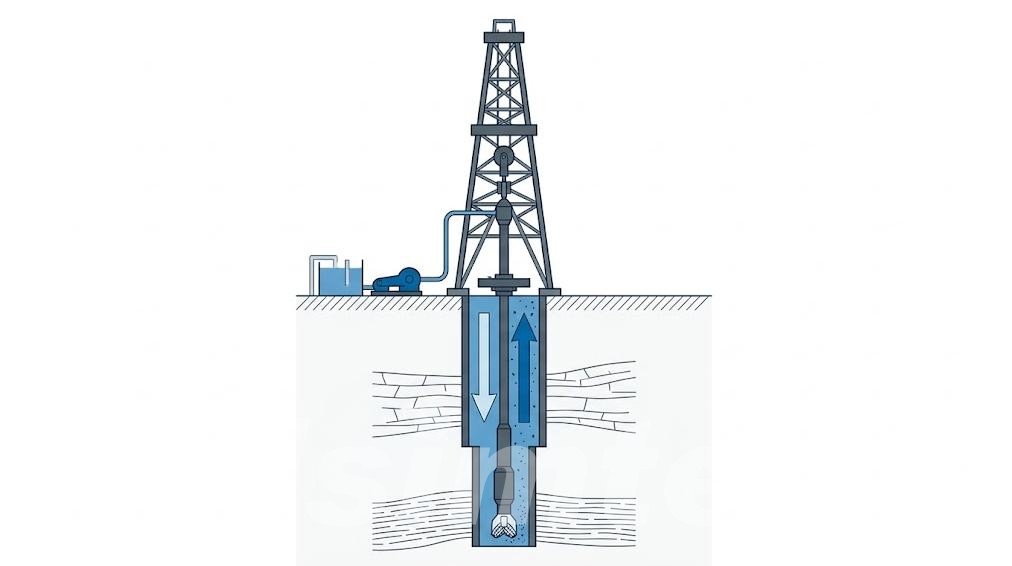
Logging can also feed decisions tied to the drilling fluid and borehole cleaning. When the log is read alongside pressure estimates and other field signals, it can point to zones that need tighter control of fluid density. It may also highlight areas that threaten wellbore stability and demand extra care.
The goal is not just speed. Well logging helps balance drilling efficiency with equipment limits, protection of the formation, and day to day safety on site.
4. Improving Wellbore Stability and Drilling Safety
Wellbore instability can lead to serious drilling problems, including borehole collapse, stuck pipe, excessive cavings, and difficulties running casing. These problems may result in nonproductive time, additional costs, and increased operational risk.
Well logging aids wellbore stability work by supplying data on lithology and formation contacts. It can also provide certain rock property clues. Sonic readings, density results, and other formation evaluation data can be used in geomechanics studies. From that, teams can estimate stresses and judge the chance of instability.
These studies work better when they include pore pressure forecasts, drilling fluid details, drilling settings, and what the crew observes during drilling. With that mix, engineers can define the operating conditions that keep the borehole stable.
For example, if the well cuts weak shale or fractured sections, the team may revisit the fluid program. They may also adjust the casing approach and update planned operating steps. In zones where pressure hazards are likely, the log can support formation pressure checks and a risk view for drilling.
However, logging by itself can’t promise stability. It cannot stop every incident. Its best use comes when it is tied to well planning, drilling monitoring, pressure control, and well-control procedures that are already in place.
5. Supporting Hydrocarbon Zone Evaluation
Identifying hydrocarbon-bearing layers is a key goal for many drilling programs. Just reaching a planned zone does not guarantee that oil or gas can be produced. The team still has to look at the rock itself and at what fluids sit inside the pore space.
Well logs offer data that can support that work. Resistivity logs can point to likely hydrocarbon sections, since oil and gas usually do not carry current as easily as salty formation water. Density and neutron logs can be used to estimate porosity and describe formation traits. Sonic logs add more detail on rock layout and how the rock responds elastically.
Reading the logs is not a simple match of curves. The interpretation has to account for rock type, the salt level in formation water, what is happening in the borehole, and how drilling fluid may invade the rock. Other effects can also shift the log shape. Core material, mud logging, pressure data, and formation tests can confirm or challenge what the logs suggest.
These results guide choices during drilling. The team may push on toward the target. It may also change the well path. Sometimes more formation data is needed, or the work may turn into a deeper check of a possible discovery. When reservoir quality and fluid placement are better understood, the drilling and later development decisions tend to be stronger.
6. Helping Reduce Drilling Costs
Drilling costs is shaped by rig hours, tool use, drilling fluid use, surprises in the formation, and time lost in nonproductive events. Weak geology input can cause poor well paths. It can also trigger avoidable problems with tools and lead to expensive corrective work.
Well logging can lower these risks. The logs give input that helps planning and helps teams adjust operations when conditions shift. With formation evaluation, teams can spot where the target interval starts and ends. They can also see unexpected geologic changes and refine choices for casing placement and drilling direction.
For instance, in a horizontal well, geosteering from LWD readings can help keep the well inside the intended reservoir. That can reduce the chance of drilling through parts that do not help production. It may also improve the amount of exposure to the target zone. In other well types, looking at formation pressure and identifying lithology can cut down uncertainty when planning casing and drilling fluid.
The money outcome depends on how complex the well is, how good the data is, how consistent the interpretation is, and what actions follow the results. Logging work also brings costs for gear, staff, and analysis. For that reason, operators should pick logging approaches that deliver useful value compared with the risk level and the importance of the drilling choices being made.
7. Integrating Well Logging with Other Drilling Data
Well logging works best when it is used with other data from underground and from daily drilling activity. A single log records one kind of measurement. That alone rarely tells the full story about the rock, the mechanics, and the setting around the well.
In practice, geologists often put several log types side by side. They may use gamma ray, resistivity, density, neutron, and sonic logs. The goal is better picking of rock type and more solid formation reads. Drilling engineers then look at the log results along with drilling performance. They check rate of penetration, torque, drag, drilling fluid details, and other rig signals to spot changes in how the job is running.
Seismic interpretation adds another scale. It helps show the larger structure away from the well. Logging fills in the finer detail right along the bore. Core work and formation tests can add more clues. These pieces can help with rock behavior, permeability, and what the fluids might be like underground.
More teams now rely on digital tools and live data feeds to tie these sources together. If the information is checked for quality and interpreted with one consistent geological framework, drilling groups can notice mismatches earlier. It also helps with clearer handoffs between roles. As a result, decisions can be made with better support.
Why Use Well Logging Simulators for Drilling Decision-making
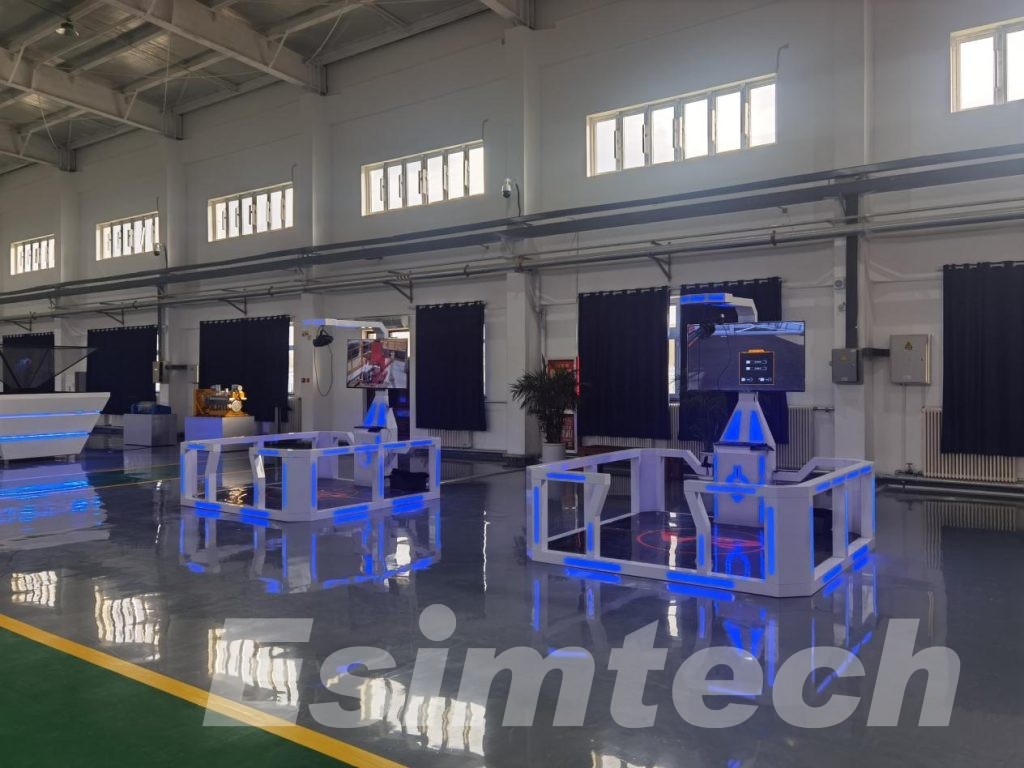
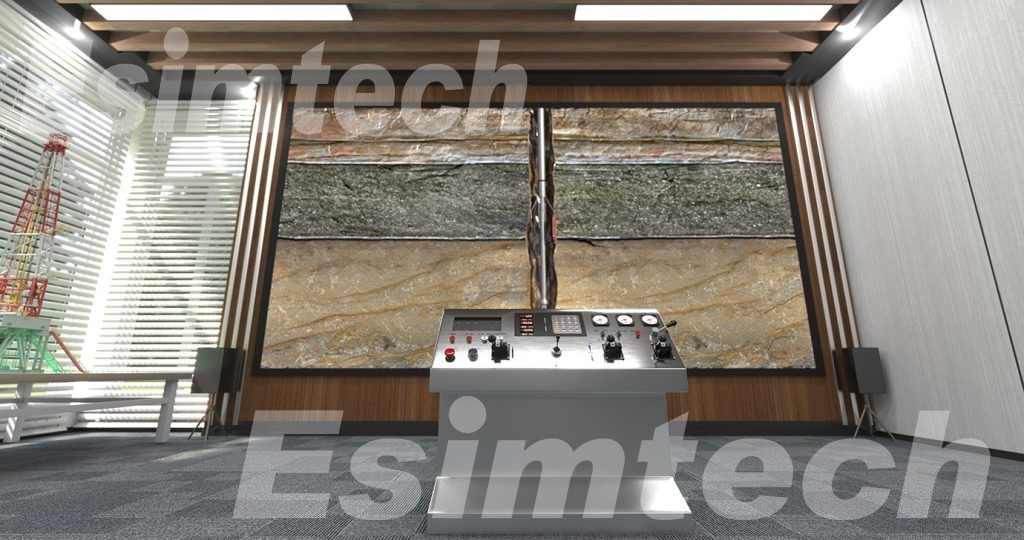
Well logging simulators provide a controlled environment for studying logging responses, practicing data interpretation, and preparing for different downhole scenarios. They can be used in technical training, tool evaluation, and drilling engineering workflows, depending on the the capabilities of the oil and gas simulators.
| Key Function | How Well Logging Simulators Support Decisions | Benefits for Drilling Operations |
| Formation Identification | Simulates logging responses for different rock types and formation boundaries, helping teams interpret changing subsurface conditions. | Improves geological interpretation and supports timely drilling adjustments. |
| Real-Time Data Interpretation Training | Allows drilling teams to practice interpreting gamma ray, resistivity, density, and other logging measurements in simulated scenarios. | Improves interpretation skills and decision-making efficiency. |
| Well Trajectory Optimization | Simulates formation changes and wellbore positioning to help teams evaluate directional drilling and geosteering strategies. | Helps maintain the wellbore within the target reservoir interval. |
| Formation Pressure Assessment | Models formation pressure scenarios and demonstrates how logging information can contribute to pressure evaluation. | Supports drilling fluid planning and well-control risk awareness. |
| Drilling Parameter Optimization | Simulates how different formation properties may influence drilling performance under alternative operating parameters. | Helps engineers evaluate suitable drilling strategies before applying changes in the field. |
| Wellbore Stability Analysis | Models potential instability scenarios using formation and geomechanical parameters. | Helps teams recognize instability risks and prepare appropriate mitigation strategies. |
| Hydrocarbon Reservoir Evaluation | Simulates logging responses associated with different porosity, lithology, and fluid conditions. | Improves understanding of potential hydrocarbon-bearing zones and formation evaluation. |
| Abnormal Condition Recognition | Presents simulated scenarios involving unexpected formation changes, unusual logging responses, or potential drilling hazards. | Helps teams identify warning signs and practice appropriate responses. |
| Logging Tool Selection | Simulates how different logging tools may respond under varying formation and borehole conditions. | Supports suitable tool selection and improves awareness of measurement limitations. |
| Scenario-Based Decision Training | Enables teams to compare alternative responses to changing drilling conditions in a controlled virtual environment. | Strengthens problem-solving, teamwork, and operational preparedness. |
| Integrated Drilling Data Analysis | Demonstrates how logging measurements can be interpreted alongside drilling parameters and geological models. | Encourages data-driven decisions and a more complete understanding of downhole conditions. |
| Post-Drilling Performance Review | Compares simulated scenarios with actual logging and drilling records to identify gaps in interpretation and planning. | Supports continuous improvement and more effective future well planning. |
Challenges in Using Well Logging for Drilling Decision-Making
Although well logging provides valuable insights, its effectiveness depends on data quality and interpretation.
| Challenge | Impact on Drilling Decision-Making | Possible Solution |
| Poor Data Quality | Inaccurate measurements may lead to incorrect formation evaluation and drilling decisions. | Calibrate logging tools regularly and implement data quality control procedures. |
| Borehole Conditions | Borehole enlargement, washouts, and irregular geometry can distort logging measurements. | Monitor borehole conditions and apply appropriate environmental corrections during log interpretation. |
| Complex Geological Formations | Mixed lithology, fractured rocks, and rapidly changing formations make interpretation more difficult. | Integrate multiple well logging techniques with geological models, core samples, and seismic data. |
| Formation Evaluation Uncertainty | Similar log responses may represent different rock types or fluid conditions, increasing interpretation uncertainty. | Combine resistivity, gamma ray, density, neutron, and sonic logs for more reliable formation evaluation. |
| Delayed Data Transmission | Delays in receiving logging data can prevent timely adjustments to drilling parameters or well trajectory. | Use suitable real-time logging technologies and reliable telemetry systems where available. |
| High Logging Costs | Specialized tools, equipment, personnel, and data interpretation increase drilling expenses. | Select logging methods according to well objectives, geological risks, and expected decision-making value. |
| Limited Real-Time Measurements | Some logging tools provide incomplete information or have operational limitations under certain downhole conditions. | Choose appropriate tools during well planning and supplement measurements with other available data sources. |
| Incorrect Data Interpretation | Inexperienced interpretation or unsuitable assumptions can lead to poor drilling strategies. | Employ qualified logging specialists, standardized workflows, and independent interpretation reviews. |
| Formation Pressure Uncertainty | Inaccurate pressure estimates may increase the risk of well control problems and inappropriate drilling fluid selection. | Integrate logging data with pressure measurements, drilling fluid information, and well-control monitoring. |
| Data Integration Difficulties | Inconsistent formats or disconnected systems make it difficult to combine logging results with drilling and seismic data. | Adopt integrated data platforms and consistent data management standards. |
| Equipment Reliability | Tool failures or harsh downhole conditions may interrupt data acquisition and increase nonproductive time. | Perform equipment maintenance, verify tool operating limits, and prepare contingency logging plans. |
| Rapidly Changing Downhole Conditions | Sudden changes in lithology, pressure, or wellbore stability may make earlier interpretations less reliable. | Continuously evaluate new measurements and update geological and drilling models as conditions change. |
Overcoming these challenges requires reliable logging equipment, effective data integration, skilled interpretation, and timely communication between geologists and drilling engineers.
Final Words
Well logging is important for supporting drilling decision-making in the oil and gas industry. It displays what is happening in the formations, what fluids may be present, and how the rock responds. With that, teams can choose operating settings, adjust well paths, and judge likely hydrocarbon areas. It also helps manage drilling risk.
This effect grows when logging is linked with drilling settings, seismic work, formation tests, and live monitoring. Even with uncertainty in measurements and limits in interpretation, a sound logging approach can raise awareness during operations. It can also cut down on avoidable expenses.