What Is Artificial Lift? Methods Used in Oil and Gas Production

Written By: Computer Science Professor
Deeply rooted in the R&D of simulators for the oil and gas industry, committed to bringing safety to every oil worker.
As the reservoir pressure drops, the natural energy of the production wells may not be sufficient to lift the fluids to the surface at the required rate. At this point, artificial lift technologies can provide additional energy to maintain or increase production.
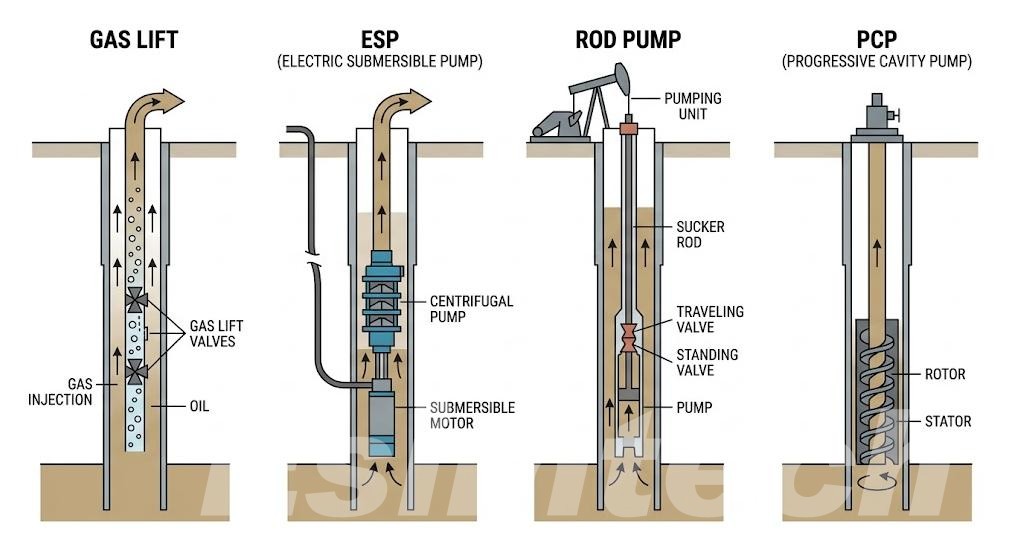
The commonly used artificial lift methods in oil and gas production include gas lift, electric submersible pump (ESP), rod pump, and progressive cavity pumps (PCP). Different methods have different adaptabilities to well depth, production rate, fluid properties, gas-water production, and operating conditions. Therefore, the selection of artificial lift methods needs to be combined with specific well conditions and production requirements.
When Does a Well Need Artificial Lift?
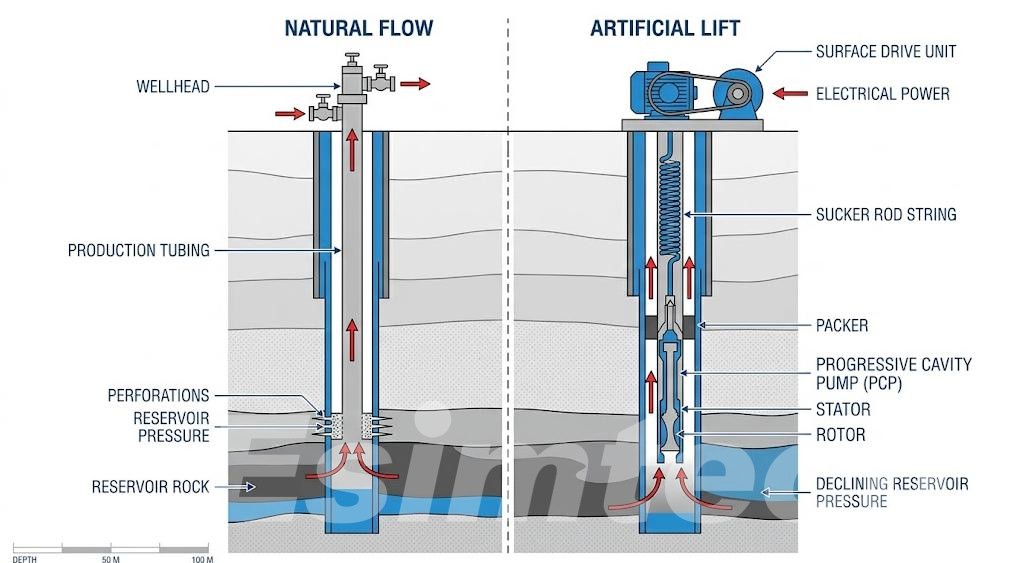
In the early stage of oil well production, artificial lifting may not be necessary. Many oil wells can produce by themselves because the formation pressure is sufficient to overcome the pressure required for the fluid to rise to the surface.
As the formation pressure decreases, the self-production capacity of the oil well will gradually weaken. The following situations usually require consideration for artificial lifting:
Significant decline in production.
- The bottom hole pressure is insufficient to maintain self-production.
- The production water volume increases, and the difficulty of fluid lifting rises.
- Fluid viscosity limits the self-production capacity.
- A need to maintain the target production rate.
The choice of artificial lifting mainly depends on the production performance of the oil well and changes in operating conditions, rather than a single production threshold.
What Are the Main Artificial Lift Methods?
Gas Lift
Gas lift works by injecting gas into the production tubing, which reduces the density of the fluid column and thereby lowers the static water pressure required to lift the fluid to the surface.
Gas lift is suitable for oil wells where it is difficult to install or maintain the downhole pump, such as offshore wells and wells with a high angle. It is also applicable to oil wells with higher production rates.
The effectiveness of gas lift is mainly influenced by the injection volume, injection pressure, valve position, well depth, and the source of the injected gas. Insufficient injection volume will result in insufficient lifting capacity, while excessive injection may reduce the system efficiency.
Electric Submersible Pump (ESP)
The submersible electric pump drives the centrifugal pump through the downhole motor to increase pressure and convey a large amount of fluid to the surface.
ESP is suitable for high-production oil wells, especially for situations where a large volume of liquid needs to be lifted from deeper well sections.
Its performance can be affected by factors such as gas interference, changes in water content, high temperatures, electrical faults, and operating beyond the recommended range. Therefore, the performance of the pump needs to be matched with the actual inflow capacity of the oil well.
Rod Pump
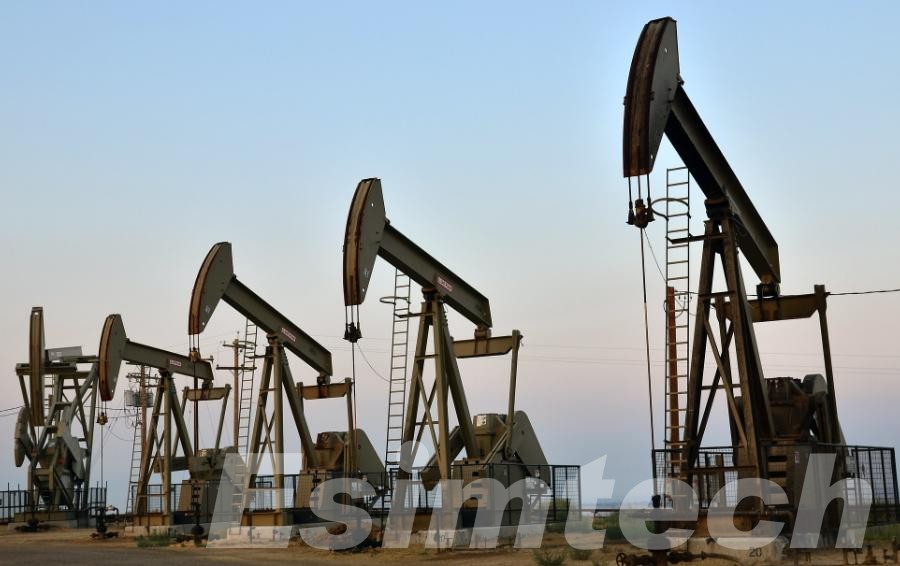
The pump system connects the downhole reciprocating pump with the ground pumping device and the sucker rod column. The downhole pump, through its reciprocating motion, lifts the formation fluid to the surface.
Pumps are widely used in mature onshore oil fields and are suitable for production conditions with low to medium output. The equipment is widely applied, the operation and maintenance procedures are mature, and it is suitable for long-term production.
Common operating problems include wear of the sucker rod and tubing, decline in pump efficiency, changes in liquid level, gas interference, and mechanical failures.
Progressive Cavity Pump (PCP)
The lubricating pump creates a continuous moving cavity by rotating the rotor within the elastic body stator, thereby transporting fluids in a volumetric manner.
PCP is suitable for heavy oil, high-viscosity reservoirs, and sand-producing conditions. It is typically used for low to medium production rates and provides stable volumetric pumping.
When selecting the model, it is essential to consider factors such as fluid viscosity, temperature, gas content, sand production conditions, as well as the compatibility between the elastic body material and the produced fluid.
How to Select the Right Artificial Lift Method?
There is no single artificial lift method that fits every well. Selection should consider the complete production system and expected changes throughout the well’s operating life.
Key factors include:
| Well or Operating Condition | Important Consideration |
| High production rate | ESP or gas lift may be considered |
| Deep well | ESP or gas lift may be suitable |
| Heavy or viscous oil | PCP or rod pump may be considered |
| High gas production | Gas handling capability becomes important |
| Sand production | Pump type and wear resistance matter |
| Offshore operation | Equipment access and maintenance requirements become critical |
| Limited electrical infrastructure | Gas lift or mechanically driven options may be considered |
Engineers also need to consider reservoir pressure, water content, gas-oil ratio, wellbore structure, temperature, available power or injected gas, maintenance requirements, and expected production changes.
These factors are used to assist in the selection of artificial lift methods, and the final choice depends on the specific well conditions and production goals.
Read more: How to Optimize Artificial Lift Systems
How Does Simulation Support Artificial Lift Operations?
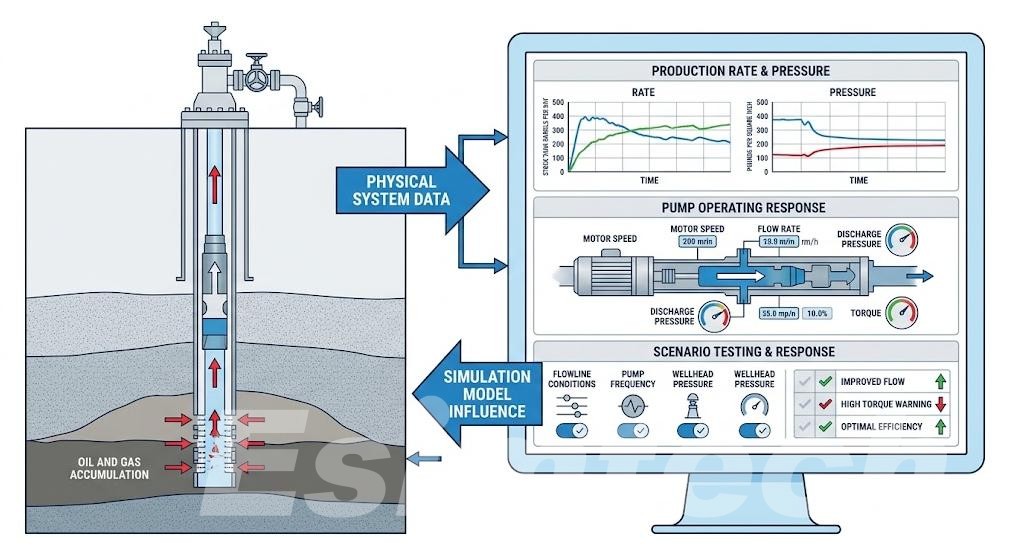
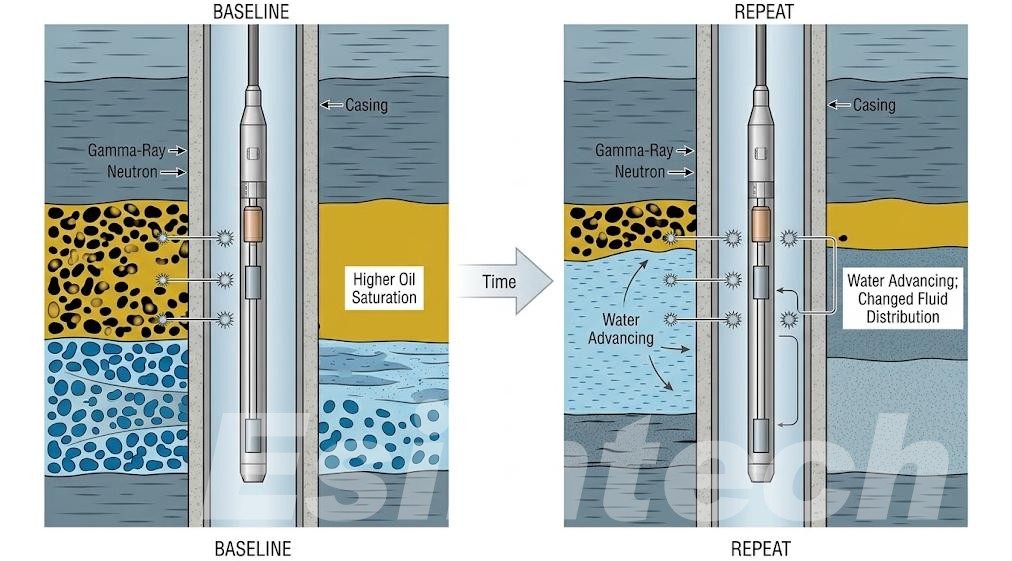
As the reservoir pressure, fluid properties, water content, production rate and operating conditions change, the performance of the artificial lift system will also change. Simulation technology can assess the impact of these changes on production in a controlled environment.
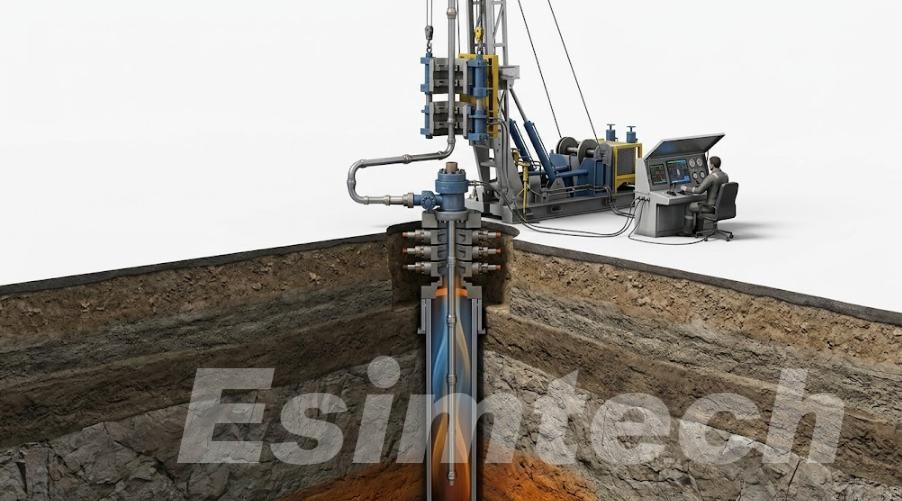
Using production simulation tools, engineers can simulate various scenarios such as production adjustments, changes in pump operating parameters, changes in injection volume, pressure fluctuations and equipment responses, thereby analyzing the interaction between the artificial lift system and the overall production process.
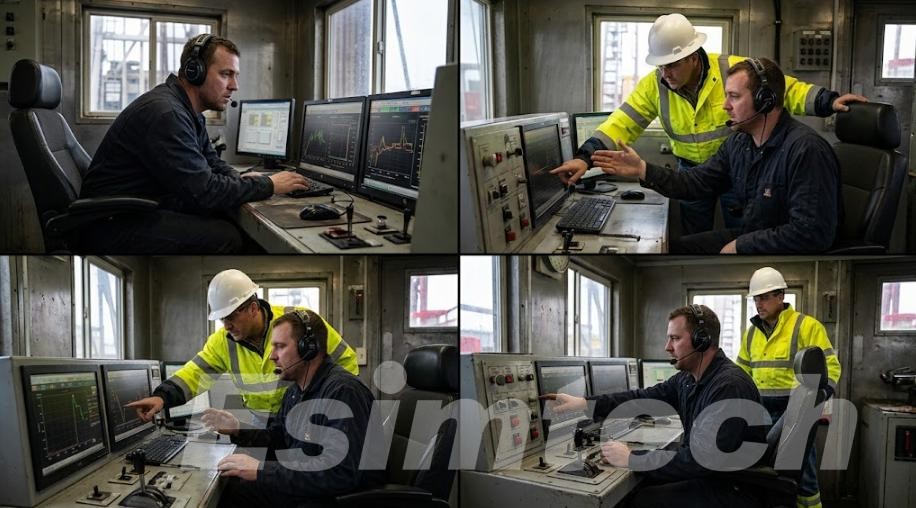
Simulation can also be used for operator training. Trainees can practice routine operations and respond to changes in well conditions and abnormal situations, reducing the risk to actual production equipment.
Final Thought
When the natural energy of the reservoir cannot meet the production requirements, artificial lift technologies can help maintain or increase production.
The selection of artificial lift methods needs to take into account production volume, well depth, pressure, fluid properties, gas and water production, equipment limitations, and future production performance. Production simulation can be used as an auxiliary tool for selection and operation decisions, evaluating different conditions before on-site implementation and used for operator training.