Types of Well Intervention: How to Make a Choice

Written By: Computer Science Professor
Deeply rooted in the R&D of simulators for the oil and gas industry, committed to bringing safety to every oil worker.
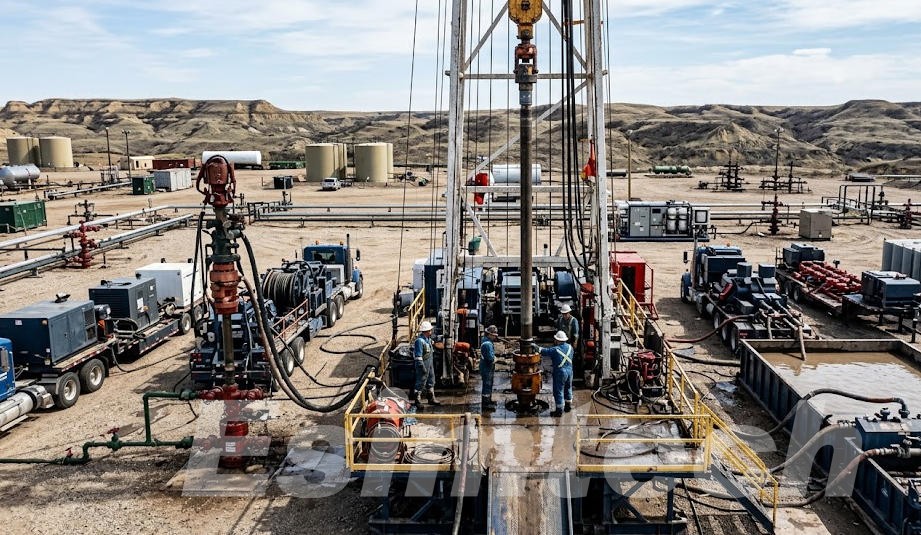
Well intervention is the set of jobs done on an oil or gas well after it is already built. The goal is to bring back output, keep it steady, raise performance, or extend the time the well can produce, which is different from drilling a brand new well. With well intervention, workers reach into an existing completed well and make changes without breaking well integrity. The aim is also to keep downtime low.
As reservoirs mature, the well can run into problems. Production can fall off. Parts can fail. Well pressure can shift. Mechanical troubles can show up. Well intervention gives the operator a way to spot what is wrong, fix downhole parts, improve flow, and handle well conditions in a safe way from start to finish.
Modern well intervention operations commonly use advanced technologies for both speed and safety. Common options include coiled tubing, wireline tools, hydraulic workover units, and simulation systems.
Main Types of Well Intervention
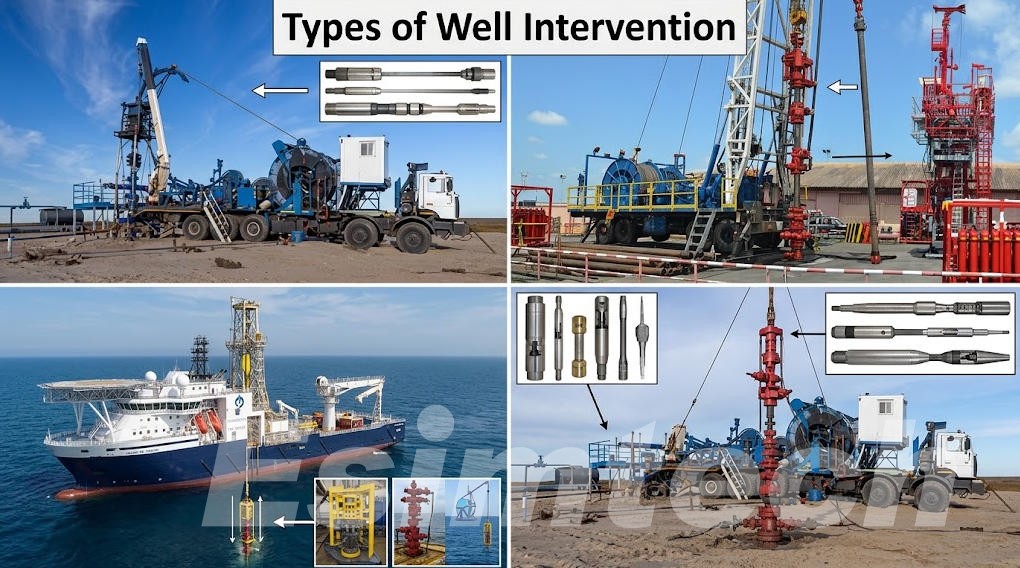
1. Light Well Intervention
Light well intervention is used for jobs that are more straightforward. It usually does not require pulling the production tubing. It also does not need a full conventional drilling rig. This approach is used a lot in offshore and onshore fields. The main reasons are quicker job flow and lower cost.
Light intervention can be done with wireline gear, coiled tubing, or specialized intervention vessels. Typical tasks include checking the well, watching production signals, setting downhole tools, operating valves, and doing small equipment fixes.
A key benefit is reduced interruption. In many cases, the crew can do maintenance and still keep the well working. That helps extend output and supports steadier operations over time.
2. Heavy Well Intervention
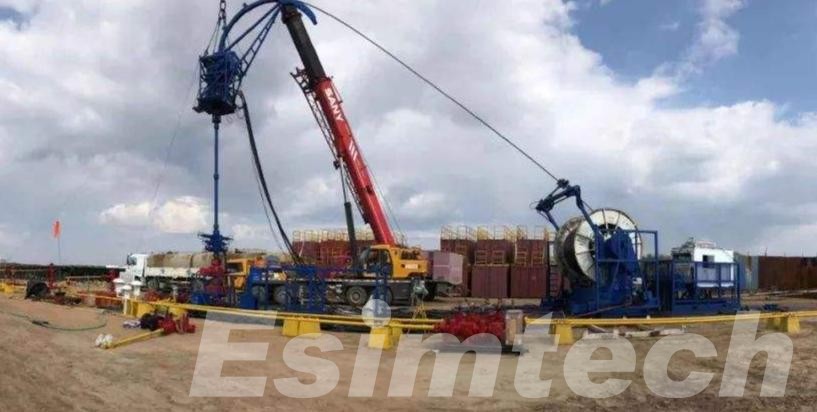
Heavy well intervention is for more involved work. It needs bigger tools and more setup time. Often, a drilling rig or a workover rig is brought in. A hydraulic workover unit is used in many of these jobs too.
Heavy work is selected when the well needs major repairs. It may also be used when the completion must be replaced. Sometimes the goal is large scale changes. Operators choose it more often for older wells where mechanical issues are severe, or where output problems have become serious.
Compared to light intervention, heavy intervention takes longer and costs more. Even so, it can handle tough issues that simpler methods cannot deal with. With heavy intervention, operators can bring the well back toward better output, swap out damaged items, and add more years to a mature well’s productive run.
3. Wireline Intervention
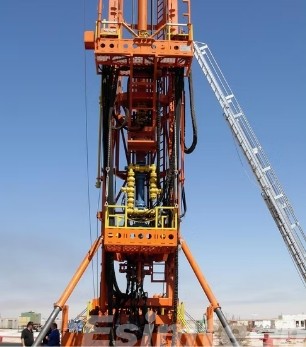
Wireline intervention is one of the most common ways to work on a well. It gives fast and dependable access to downhole tools. A cable system is used to lower tools into the wellbore. The tools support measurement, inspection, and downhole mechanical tasks. Wireline work usually covers slickline and electric wireline services.
Slickline runs on a non powered cable. Crew use it to do mechanical jobs downhole. Examples include setting plugs, pulling tools, and cycling downhole valves.
Electric line uses a cable with conductors. With that setup, teams can pull live measurements during the job. It also supports higher level work like well logging and formation evaluation.
Wireline is often picked because it is fast and adaptable. It needs fewer items on site, so runs can take less time. That also helps with total job cost. At the same time, it gives useful details on well status.
4. Coiled Tubing Intervention
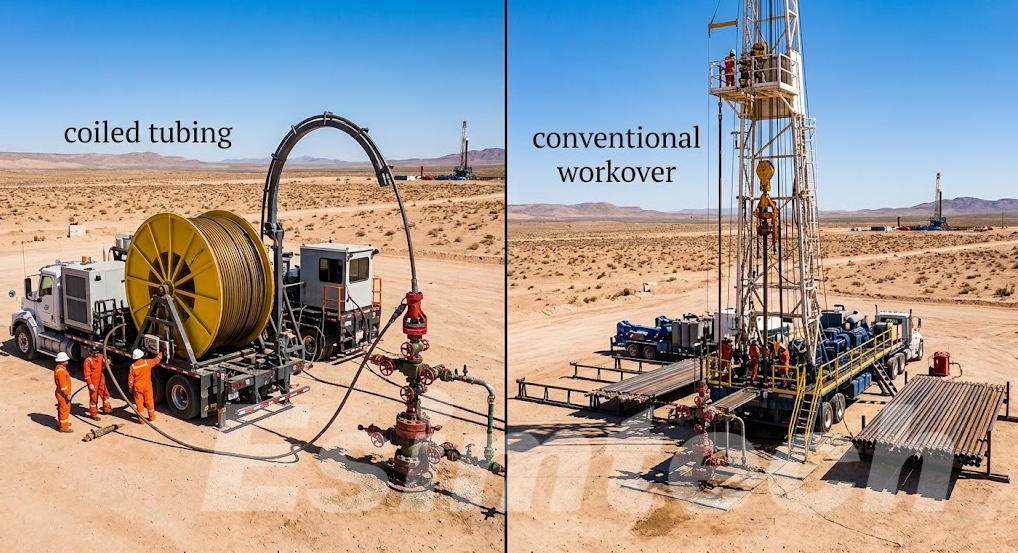
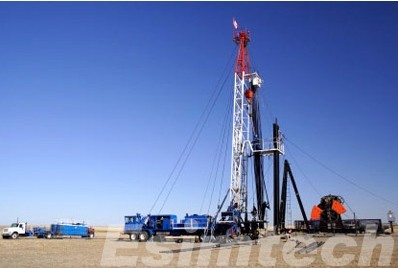
Coiled tubing intervention uses a continuous steel pipe stored on a large reel to perform various well servicing operations. Unlike conventional tubing operations, coiled tubing does not require repeated connections between pipe sections, allowing faster and more efficient deployment.
A key advantage of coiled tubing is its ability to perform operations while the well remains under pressure. This makes it especially useful for challenging wells where maintaining pressure control is important.
Coiled tubing is commonly used for well cleaning, removing sand and debris, nitrogen lifting, acid treatment, milling, cementing, and assisting perforation operations. Its flexibility and ability to reach complex well sections make it an important technology for modern well intervention.
5. Hydraulic Workover Intervention
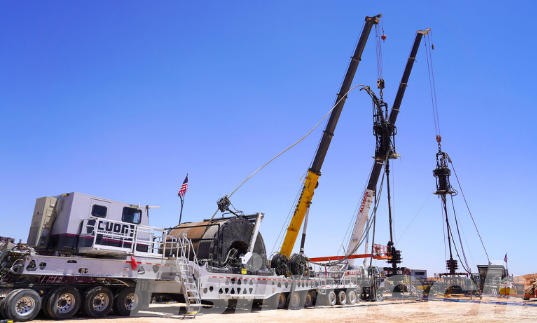
Hydraulic workover intervention, called snubbing in some cases, uses hydraulic gear. The goal is to put tubing or tools in and pull them out while keeping pressure control.
This approach fits high pressure wells. It can also be used when standard workover steps may raise safety concerns.
Hydraulic systems let teams do tubing swaps and completion repairs. They can also handle live well service without shutting the well down completely. That helps reduce risk. It also supports better control during tougher intervention work.
As wells get deeper and more difficult, hydraulic workover keeps being a practical option for safer maintenance.
6. Stimulation Intervention
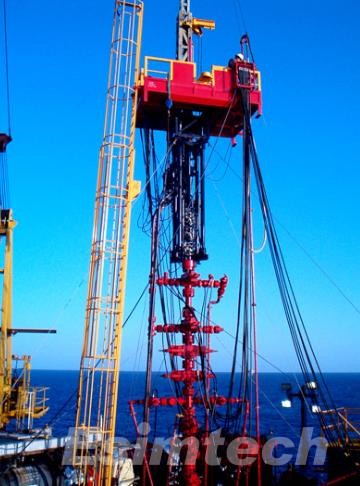
Stimulation intervention aims to boost how the reservoir ties into the wellbore. When that link improves, output can rise. This is used when production drops. The reason can be formation damage, lower permeability, or limits in the reservoir.
Acid stimulation is one widely used option. In that process, chemical fluids are pumped into the formation. The chemicals break down materials that slow flow. Hydraulic fracturing is another common technique. It makes fractures in the reservoir. Those new paths help oil and gas reach the wellbore more easily.
Chemical treatments can also fix common production problems like scale buildup, corrosion, and wax deposits. When reservoir behavior improves, stimulation work can raise well output.
7. Well Integrity Intervention
Well integrity intervention is about keeping a well safe and dependable for the full time it is in service. The well has to hold more than one pressure barrier. This helps stop leaks and supports safe production.
These jobs are often started after something goes wrong. Examples include tubing leaks, casing harm, corrosion, or a safety valve that fails. After inspection, teams repair what they can, swap out bad parts, and stop the problem from turning into a bigger failure. This keeps the well running in a safe way.
Today, safety and environmental rules get close attention. Because of that, well integrity intervention has turned into a key task in oil and gas work.
Comparison of Different Well Intervention Types
| Well Intervention Type | Main Purpose | Typical Applications | Suitable Conditions |
| Light Well Intervention | Maintenance and minor repairs | Inspection, well logging, valve operations | Routine well servicing |
| Heavy Well Intervention | Major repair and restoration | Completion replacement, tubing repair | Complex well problems |
| Wireline Intervention | Downhole access and data collection | Logging, tool setting, measurement | Fast diagnostic operations |
| Coiled Tubing Intervention | Continuous well servicing | Cleaning, stimulation, milling | Pressure-controlled operations |
| Hydraulic Workover | High-pressure intervention | Tubing installation and repair | Challenging well environments |
| Stimulation Intervention | Production improvement | Acidizing, fracturing, chemical treatment | Low-productivity wells |
Key Factors to Consider for Choosing the Right Type of Well Intervention
Selecting the right type of well intervention requires a comprehensive evaluation of well conditions, operational goals, safety requirements, and economic factors. Proper intervention selection helps maximize production efficiency, reduce risks, and extend the operational life of oil and gas wells.
| Key Factor | Description | Impact on Intervention Selection |
| Well Condition and Integrity | Evaluate the current condition of the well, including tubing, casing, completion equipment, and pressure barriers | Wells with minor issues may require light intervention or wireline, while damaged wells may need heavy intervention or hydraulic workover |
| Intervention Objective | Define the main purpose of the operation, such as inspection, repair, stimulation, or production enhancement | Determines whether to choose wireline, coiled tubing, stimulation, workover, or other intervention methods |
| Well Depth and Complexity | Consider well depth, trajectory, horizontal sections, and downhole accessibility | Deep or complex wells may require advanced tools such as coiled tubing or hydraulic workover systems |
| Pressure and Temperature Conditions | Analyze reservoir pressure, well pressure, and temperature levels | High-pressure and high-temperature wells often require specialized pressure control equipment and intervention technologies |
| Production Requirements | Consider current production rate, expected improvement, and allowable downtime | Production-critical wells may benefit from fast intervention methods that minimize shutdown time |
| Type of Well Problem | Identify issues such as scale buildup, sand production, equipment failure, corrosion, or formation damage | Different problems require different solutions, such as cleaning, repair, stimulation, or equipment replacement |
| Required Equipment and Technology | Evaluate available intervention tools, vessels, rigs, and support systems | Equipment availability influences whether operators can perform wireline, coiled tubing, or heavy intervention operations |
| Operational Safety Requirements | Assess potential hazards, pressure risks, and environmental conditions | High-risk operations may require hydraulic workover, advanced well control systems, and simulation-based training |
| Cost and Budget Considerations | Compare equipment costs, operation duration, personnel requirements, and production losses | Helps balance technical requirements with economic feasibility |
| Time Constraints | Determine how quickly the intervention must be completed | Short-duration operations usually favor wireline or light intervention methods, while complex repairs require longer preparation |
| Offshore or Onshore Location | Consider accessibility, weather conditions, logistics, and available infrastructure | Offshore wells may require specialized intervention vessels, while onshore wells may allow easier equipment deployment |
| Environmental and Regulatory Requirements | Follow safety regulations, emissions standards, and environmental protection requirements | Influences equipment selection, operational procedures, and risk management strategies |
| Future Well Development Plans | Consider whether the well will continue production, be upgraded, or undergo further changes | Helps select an intervention method that supports long-term reservoir and production goals |
| Simulation and Planning Capability | Use simulation tools to evaluate procedures, risks, and expected results before operation | Improves intervention planning, reduces uncertainty, and enhances operational safety |
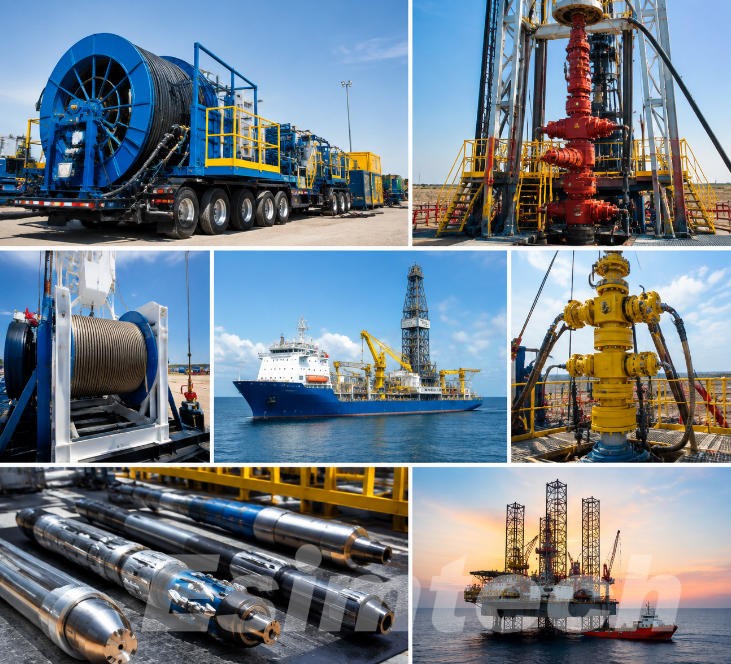
Quick Selection Guide for Different Well Conditions
| Well Condition | Suitable Intervention Type | Reason |
| Routine inspection and downhole monitoring | Wireline Intervention | Provides quick access for measurement and tool operations |
| Minor maintenance and equipment adjustment | Light Well Intervention | Reduces downtime and requires less equipment |
| Sand, debris, or scale removal | Coiled Tubing Intervention | Enables continuous cleaning and wellbore servicing |
| Low production caused by formation damage | Stimulation Intervention | Improves reservoir flow and restores productivity |
| Damaged tubing or completion components | Heavy Well Intervention | Provides full access for major repair work |
| High-pressure live well operations | Hydraulic Workover Intervention | Provides enhanced pressure control and operational safety |
| Long-term reliability issues | Well Integrity Intervention | Focuses on repairing and maintaining well barriers |
The Role of Simulation Technology in Well Intervention
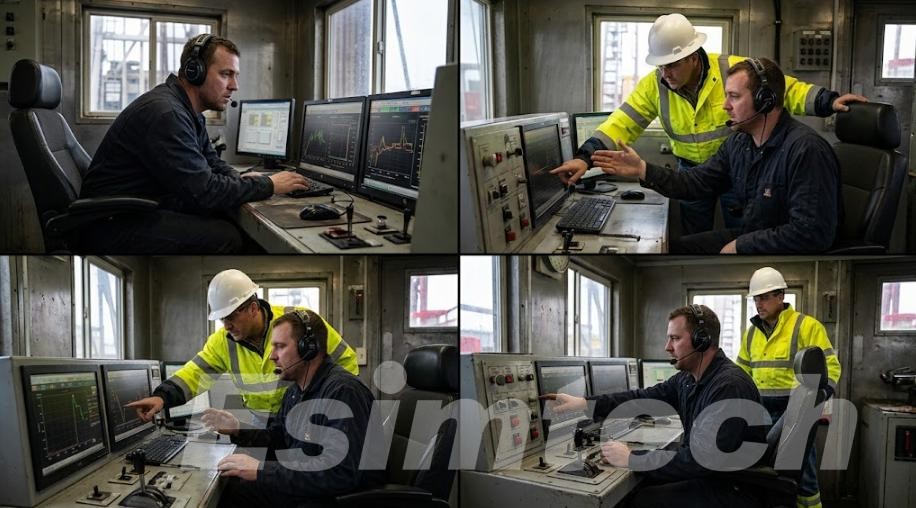
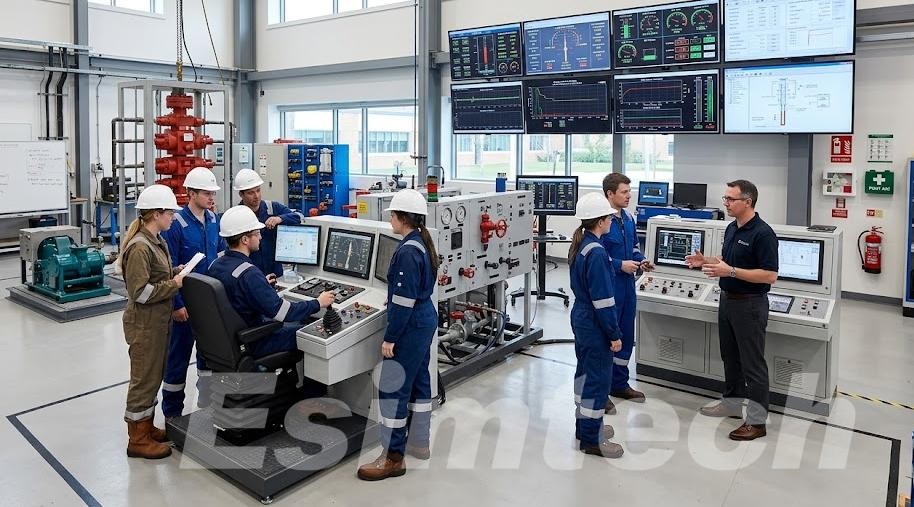
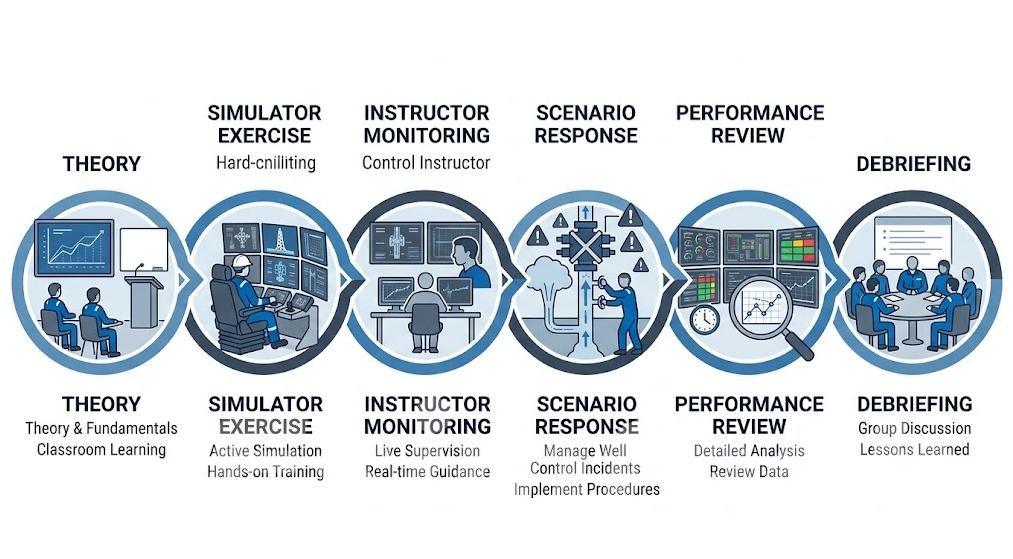
As wells get more complex, simulation has gained real value for planning and training. Well intervention simulators can mimic field conditions. They can show pressure changes, how tools behave, and what happens in emergency situations.
Simulation can help teams:
- Run procedures without putting people in danger
- Make better calls during hard operations
- Cut down on work risk
- Pick the right equipment
- Train for well control problems
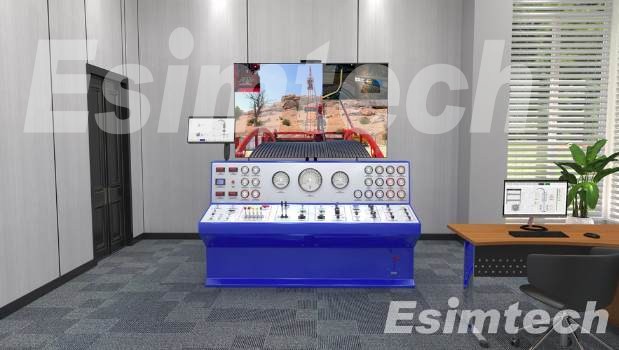
Full-size coiled tubing simulators, snubbing simulator and other digital training platforms are increasingly used in well intervention training programs to improve operational competency and safety performance.
Final Thoughts
Well intervention is critical across the oil and gas lifecycle. It lets operators keep production steady, fix equipment issues, and add more time to existing wells. From light interventions using wireline tools to heavy workovers requiring advanced equipment, each method provides specific solutions for different well challenges.
Coiled tubing, digital simulation, automation, and real-time monitoring are now part of many modern jobs. With these tools, intervention work tends to be safer and more efficient, better suited for increasingly complex well environments.