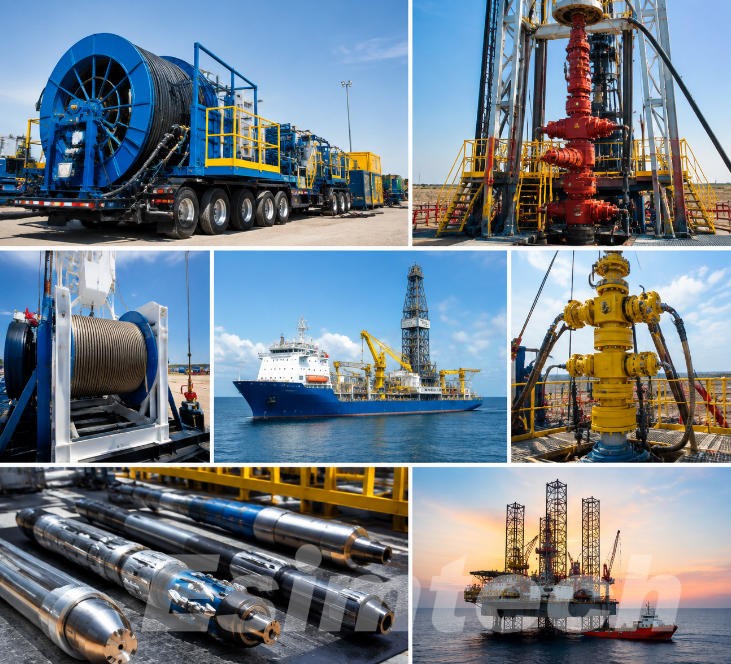
How Oil and Gas Wells are Drilled and Produced

Written By: Computer Science Professor
Deeply rooted in the R&D of simulators for the oil and gas industry, committed to bringing safety to every oil worker.
Oil and gas wells are engineered structures that provide a controlled connection between underground hydrocarbon reservoirs and surface facilities. The process of drilling and producing a well involves several stages, including exploration, well planning, drilling, casing, cementing, completion, production, and later workover or intervention. Operators rely on modern drilling rigs, simulation technologies, and monitoring systems to keep work controlled and to reduce downtime.
Key Stages Involved in Drilling and Production of Oil and Gas Wells
1. Exploration and Well Planning
Before drilling begins, oil and gas companies evaluate underground geological structures to identify potential hydrocarbon reservoirs. Geological studies, seismic surveys, and existing well data can help determine the depth, size, and characteristics of a prospective formation.
Engineers then design the well based on factors such as:
- Target reservoir depth and pressure
- Formation characteristics
- Expected oil, gas, and water production
- Well trajectory
- Drilling environment
- Required casing and cementing programs
- Well control requirements
The well may be designed as a vertical, directional, or horizontal well depending on the reservoir and development strategy.
2. Preparing the Drilling Site
After the location is chosen, the site gets prepared. Crews may build roads for access, set up foundations, install drainage, and create storage and support areas.
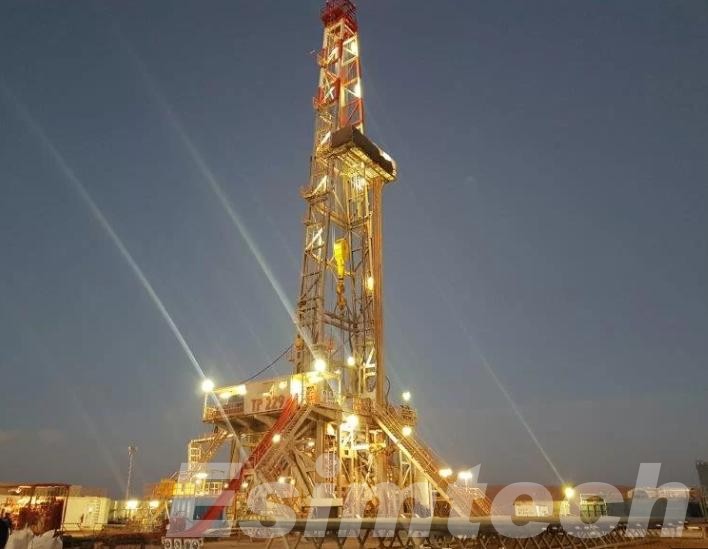
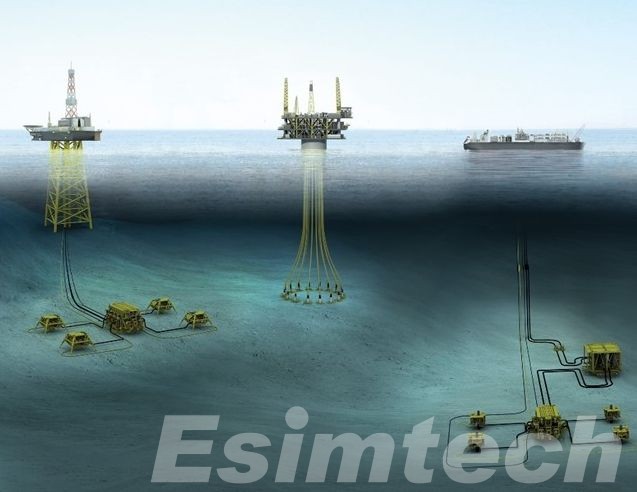
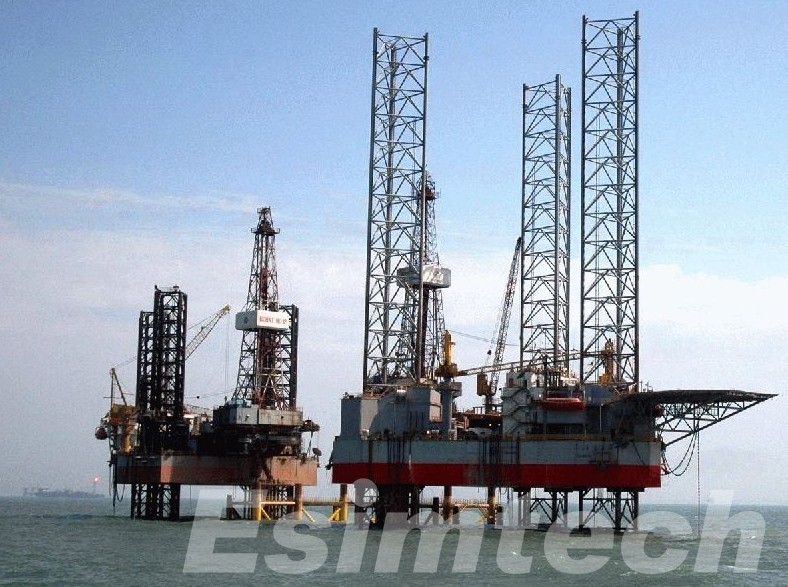
Next, the rig is brought in and put together at the site. For offshore work, the type of setup depends on water depth and conditions. Options include jack-up rigs, semi-submersible rigs, or drillships.
3. Drilling the Well
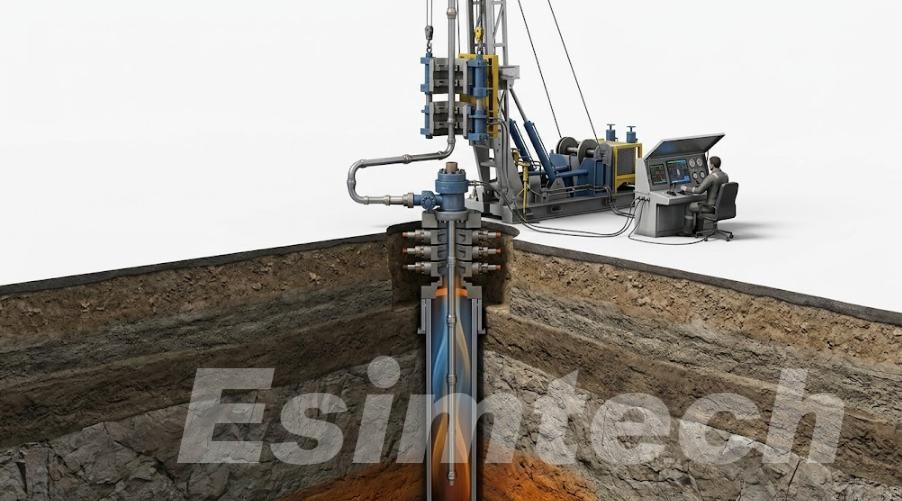
Drilling begins once a bit is spinning at the bottom of the hole. The bit is attached to a drill string. This string includes multiple sections of drill pipe and other parts.
As the bit breaks rock, drilling mud is pumped through the drill string. The mud returns to the surface carrying rock fragments. It also cools and lubricates the bit. On top of that, it adds hydrostatic pressure. This helps limit unwanted movement of formation fluids.
When the hole gets deeper, new casing sections are added. This supports the wellbore and helps separate formations.
4. Casing and Cementing
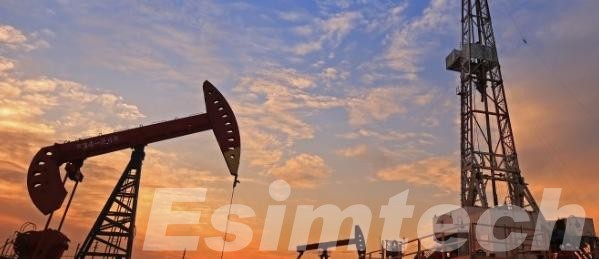
During drilling, steel casing is set in the wellbore. The casing gives strength to the structure. It also helps keep different formations isolated from each other.
Cement is then pumped in the gap between the casing and the surrounding rock. Once the cement hardens, it holds the casing in place. It also reduces fluid flow between layers.
Casing and cementing are usually done in steps as depth increases. Each casing run is selected for the pressure range and the geology expected at that depth.
5. Well Logging and Formation Evaluation
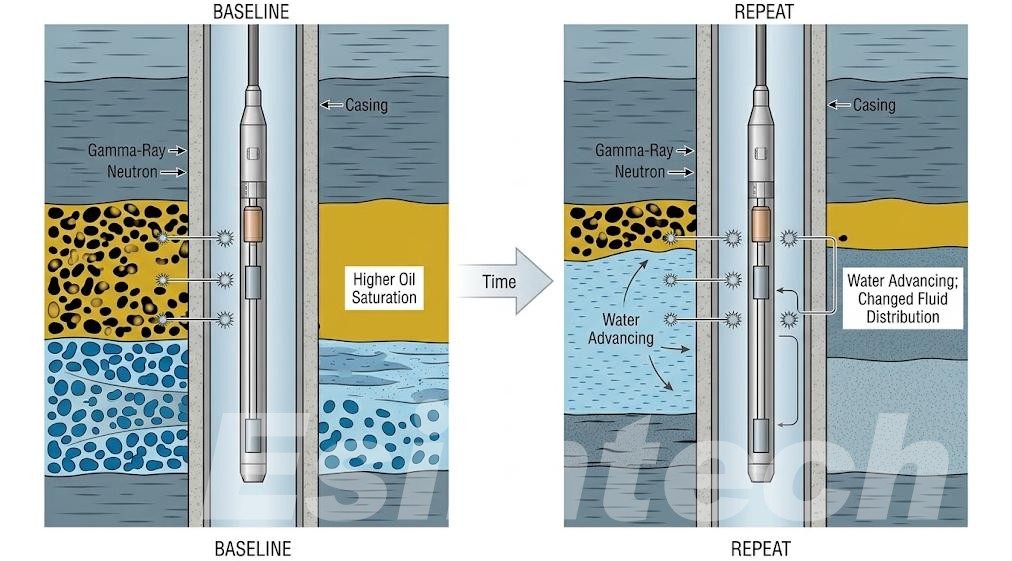
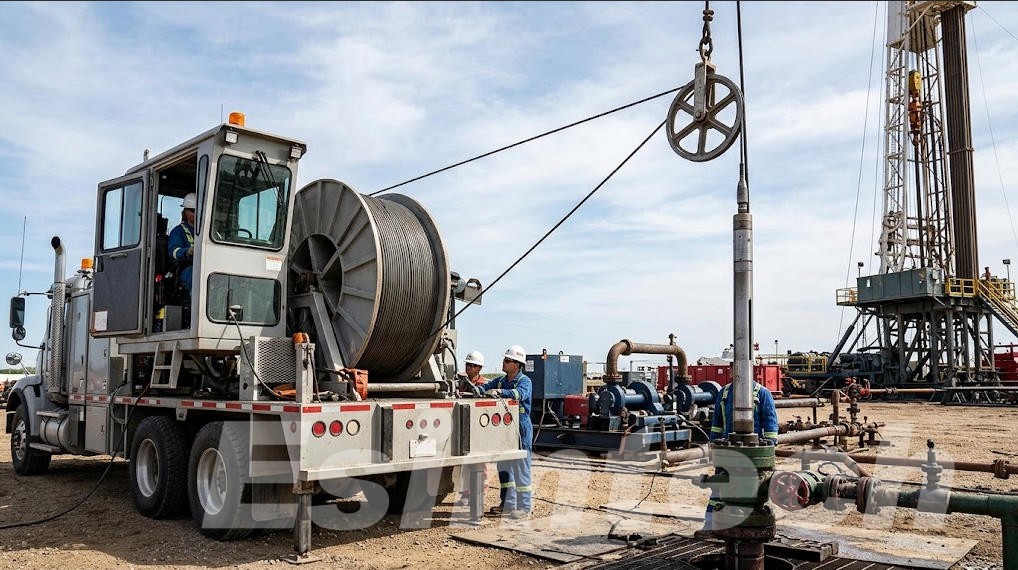
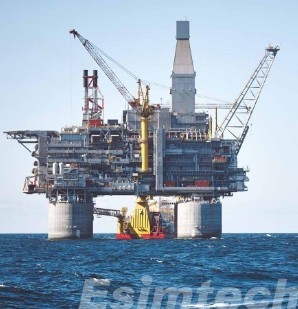
After drilling into what could be a reservoir, the team checks the rock and fluids with well log tools, plus other tests.
Well logging often give details on key formation traits. These can include porosity, resistivity, pressure, temperature, and how much fluid is in place. Sometimes they also rely on core samples and formation tests to confirm what the logs suggest.
All of this supports a decision about whether the well can produce hydrocarbons at a level that makes commercial sense. It also guides how the well should be built out for production.
6. Reaching and Evaluating the Reservoir
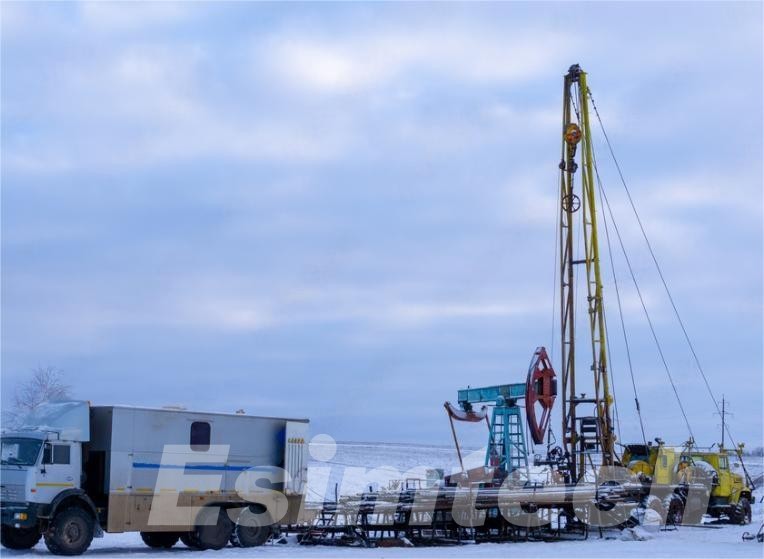
Once the rig reaches the planned formation, engineers look at how much it might produce. A discovery well can show that hydrocarbons are there. Then more appraisal wells can narrow down the reservoir size and what kinds of features it has.
In many unconventional plays, operators drill horizontally. They pair that with hydraulic fracturing so they can contact a bigger part of the formation.
7. Completing the Well
If the project looks worth pursuing, the well is set up for production. This setup is called well completion.
A typical completion plan can involve:
- Production casing
- Cement
- Perforations or open-hole sections
- Production tubing
- Packers
- Downhole safety equipment
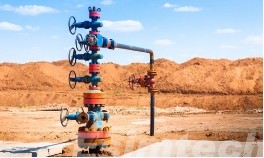
- Wellhead and surface valves
Perforating means making controlled openings through the casing and cement. The goal is to let oil or gas move from the reservoir into the wellbore.
Some reservoirs need extra stimulation to help the flow improve.
8. Bringing Oil and Gas to the Surface
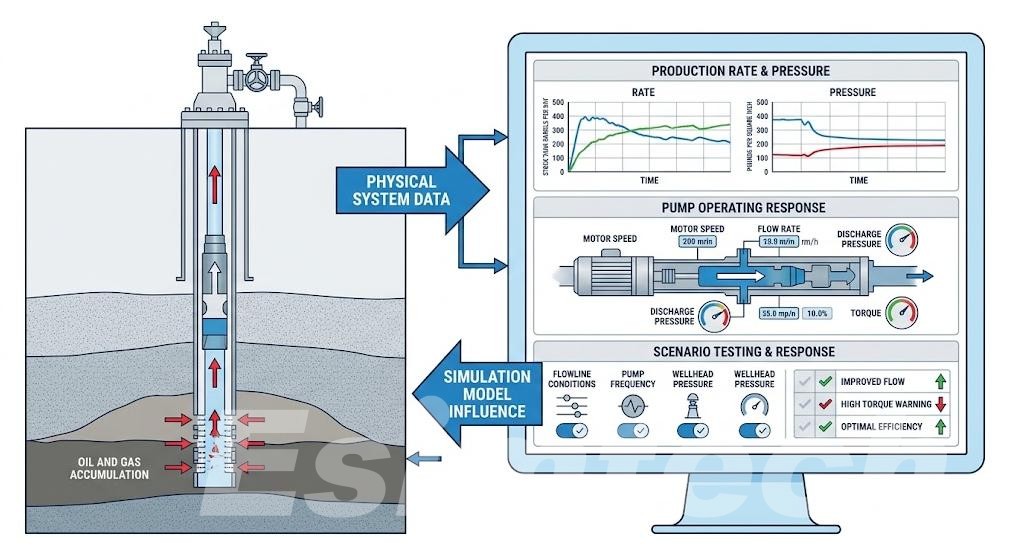
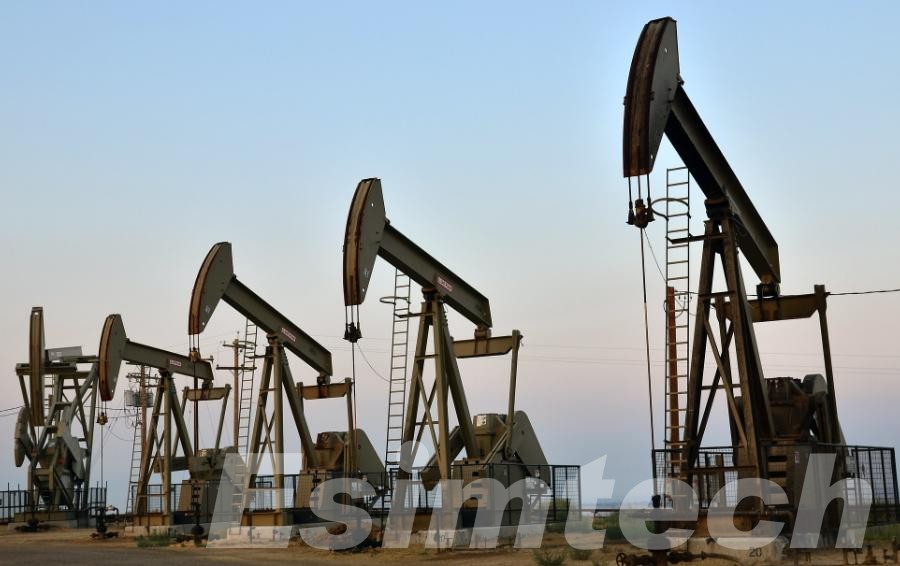
After completion, reservoir pressure may push hydrocarbons upward. This is often called natural or primary production.
The fluid that comes up can include oil, natural gas, and water. At the surface, the equipment separates the streams. Then each one can be handled in the right way.
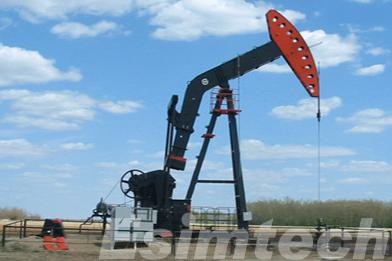
If reservoir pressure is not enough, artificial lift can move fluids to the surface. Common options include:
- Electric submersible pumps
- Rod pumps
- Gas lift systems
- Progressive cavity pumps
Which artificial lift method fits best depends on factors like well depth, fluid behavior, production rate, and the conditions inside the reservoir conditions.
9. Secondary and Enhanced Recovery
Oil production does not always stop just because natural reservoir pressure drops. Operators may add methods to keep output going.
Secondary recovery usually uses injection of water or gas. The injected fluids support pressure and help push oil toward producing wells.
Enhanced oil recovery(EOR), uses more targeted approaches. Depending on what the reservoir allows, operators may inject carbon dioxide, steam, or other fluids. The aim is to improve how oil is displaced and recovered.
The final choice of recovery plan depends on reservoir geology, fluid properties, costs, and environmental limits.
10. Surface Oil and Gas Processing
Fluids from an oil and gas well usually have oil, natural gas, water, and other materials. At the surface, production facilities sort these parts out.
Production separators split the well stream into separate phases. Some sites add more tools to clean up oil and gas before it moves to pipelines or other transport.
Natural gas treatment can remove water and other unwanted components. Oil treatment can send the oil to tanks or transport systems. Produced water can be treated again, used once more, injected underground, or disposed of, based on required rules.
11. Monitoring and Well Management
An operating well needs ongoing attention during its working life. Operators monitor things like pressure, temperature, flow rate, water output, and how well the equipment performs.
If output drops or equipment faults show up, work may be needed. Typical steps include well logging, stimulation, workover jobs, changing tubing, and keeping artificial lift running.
Many teams also use digital monitoring tools and simulation technologies to study how a well is behaving and to support production planning.
12. Well Abandonment
A well eventually reaches the end of its productive life. When continued production is no longer practical, the well enters the abandonment stage.
Well abandonment normally means setting barriers inside the well. This helps isolate formations and stops uncontrolled fluid travel. After that, surface gear can be taken out or locked down, and the site is restored in line with local rules and the approved abandonment plan.
The Role of Simulation Technology
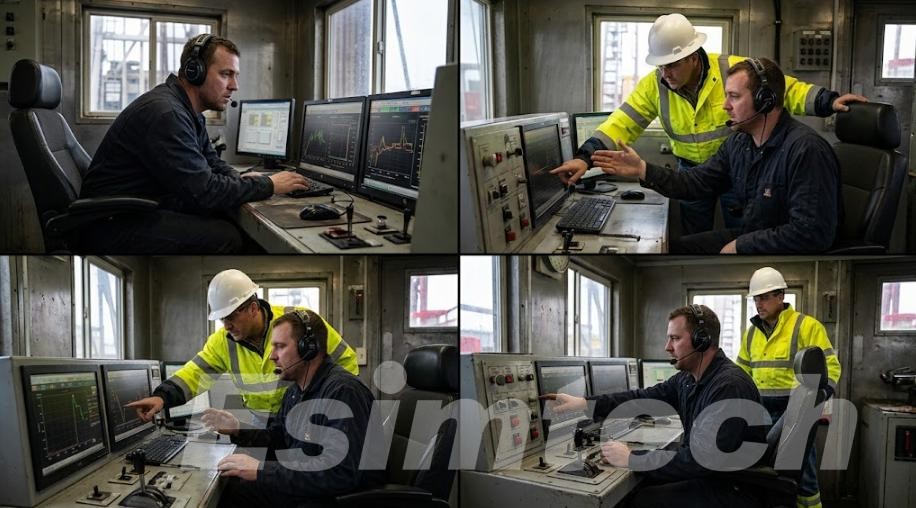
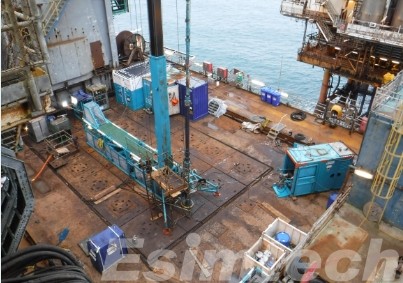
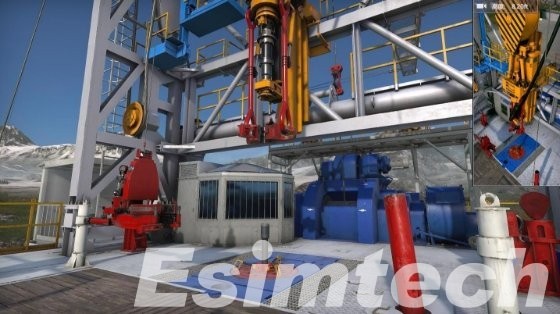
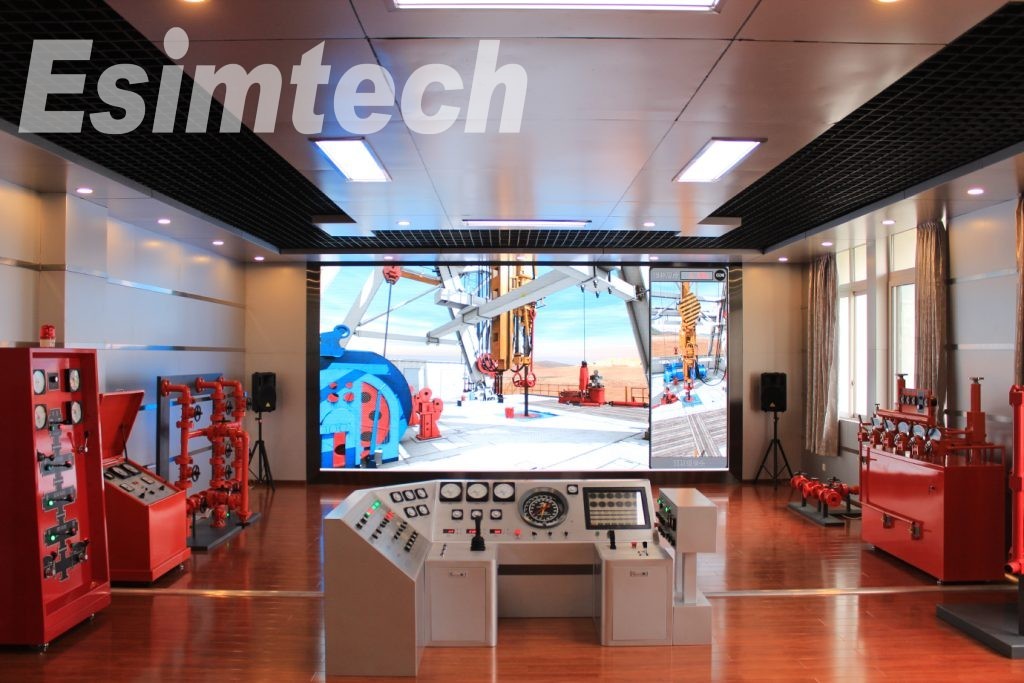
Oil and gas simulation technologies connect drilling, well control, completion, reservoir management, and production operations in a controlled environment. It allows engineers and operators to test different scenarios without risking an active well. Training simulators also let staff rehearse tasks and handle unusual events with less danger.
| Simulation Technology | Main Application | What It Simulates | Benefits |
| Drilling Simulator | Drilling operations | Rig controls, drill string, bit performance, drilling parameters, and wellbore conditions | Improves drilling skills and operational planning |
| Well Control Simulator | Well control | Kicks, influxes, pressure changes, shut-in procedures, and well-control responses | Enhances well-control training and emergency preparedness |
| Directional Drilling Simulator | Directional and horizontal drilling | Well trajectories, steering operations, and downhole conditions | Supports accurate well placement |
| Drilling Engineering Simulator | Drilling optimization | Weight on bit, rotary speed, torque, hydraulics, and drilling-fluid behavior | Helps optimize drilling performance |
| Reservoir Simulator | Reservoir management | Fluid movement, reservoir pressure, permeability, and well interactions | Supports production forecasting and recovery planning |
| Well Completion Simulator | Well completion | Casing, cementing, perforation, tubing, and completion configurations | Helps evaluate completion strategies |
| Production Simulator | Oil and gas production | Flow rates, pressure, temperature, multiphase flow, and production-system behavior | Supports production optimization |
| Artificial Lift Simulator | Artificial lift | ESPs, rod pumps, gas lift, and downhole fluid movement | Helps select and optimize lift systems |
| Well Intervention Simulator | Workover and intervention | Pressure control, equipment operation, well servicing, and intervention procedures | Improves intervention planning and training |
| Virtual Reality Simulator | Operator training | Immersive drilling, rig-floor, well-control, and intervention scenarios | Provides realistic and safe hands-on training |
| Full-Scale Simulator | Rig and equipment training | Physical controls, equipment responses, and operating procedures | Provides realistic practice in a controlled environment |
| Digital Twin | Drilling and production management | Real-time well, equipment, and production-system behavior | Supports monitoring, prediction, and optimization |
| Integrated Well Simulation | Full well lifecycle | Drilling, completion, reservoir, production, and intervention conditions | Provides an integrated view of well performance |
Challenges in Drilling and Production of Oil and Gas Wells
Oil and gas wells can encounter challenging geological and operating conditions.
The following chart provides main challenges during the drilling and production process of oil and gas wells, their causes, impact and potential solutions.
| Challenge | Stage | Main Causes | Potential Impact | Common Solutions |
| Unexpected Formation Pressure | Drilling | Inaccurate pressure prediction or changing geological conditions | Well-control difficulties and operational delays | Pressure monitoring, updated geological models, and well-control procedures |
| Wellbore Instability | Drilling | Weak formations, abnormal pressure, or unsuitable drilling parameters | Hole collapse, stuck pipe, and difficulty running casing | Optimized mud systems, wellbore-strengthening techniques, and improved drilling design |
| Lost Circulation | Drilling | Highly permeable or naturally fractured formations | Loss of drilling fluid and possible pressure-control problems | Lost-circulation materials, optimized mud properties, and specialized drilling techniques |
| Stuck Pipe | Drilling | Cuttings accumulation, wellbore instability, differential sticking, or poor hole cleaning | Nonproductive time and potential equipment damage | Improved hole cleaning, optimized drilling parameters, and early detection |
| Kick and Well-Control Events | Drilling/Intervention | Unexpected formation-fluid influx into the wellbore | Safety risks, equipment damage, and operational interruption | Well-control training, pressure monitoring, BOP systems, and simulator-based training |
| Casing and Cementing Problems | Drilling/Completion | Poor cement placement, pressure changes, or difficult formations | Reduced well integrity and unwanted fluid movement | Cementing simulation, quality control, pressure testing, and appropriate casing design |
| Formation Damage | Completion/Production | Incompatible fluids, fines migration, scale, or drilling-fluid invasion | Reduced reservoir productivity | Fluid compatibility testing, stimulation, and formation-damage management |
| Declining Reservoir Pressure | Production | Long-term hydrocarbon withdrawal | Reduced natural flow and production rates | Artificial lift, pressure maintenance, and reservoir management |
| Water Production | Production | Water breakthrough or reservoir characteristics | Reduced oil production and increased water-handling requirements | Reservoir monitoring, production optimization, and water-control techniques |
| Sand Production | Production | Weak or unconsolidated formations | Equipment erosion, plugging, and production problems | Sand-control systems, production optimization, and well monitoring |
| Corrosion and Scaling | Production | Water, dissolved gases, pressure, temperature, and mineral deposition | Equipment degradation and flow restrictions | Chemical treatment, material selection, inspection, and maintenance |
| Artificial-Lift Failure | Production | Equipment wear, electrical problems, solids, or changing well conditions | Reduced or interrupted production | Condition monitoring, optimized lift design, maintenance, and replacement |
| Equipment Failure | Drilling/Production | Mechanical wear, harsh operating conditions, and inadequate maintenance | Downtime and increased operating costs | Preventive maintenance, condition monitoring, and equipment testing |
| Complex Well Conditions | Drilling/Production | Deepwater, HPHT, extended-reach, and unconventional reservoirs | Higher technical complexity and operational risk | Advanced modeling, specialized equipment, and simulator-based training |
| Production Decline | Production | Reservoir depletion, changing pressure, water breakthrough, or formation damage | Lower recovery and reduced economic performance | Reservoir simulation, well intervention, stimulation, and production optimization |
Summary
Oil and gas well drilling and production follow a chain of related tasks. During exploration and planning, operators look for possible reservoirs. Drilling then builds the wellbore.
Casing and cementing add support and help isolate the ground layers. Completion work sets up the link from the reservoir to the production setup.
After production starts, natural reservoir pressure, artificial lift, surface processing, reservoir management, and well intervention are used to recover and manage hydrocarbons over the life of the well. As wells get more complex, drilling simulators, well control training, reservoir models, and digital systems help keep work safer and more efficient.