Snubbing Unit Well Control Simulation: Managing Pressure in Live Well Operations

Written By: Computer Science Professor
Deeply rooted in the R&D of simulators for the oil and gas industry, committed to bringing safety to every oil worker.
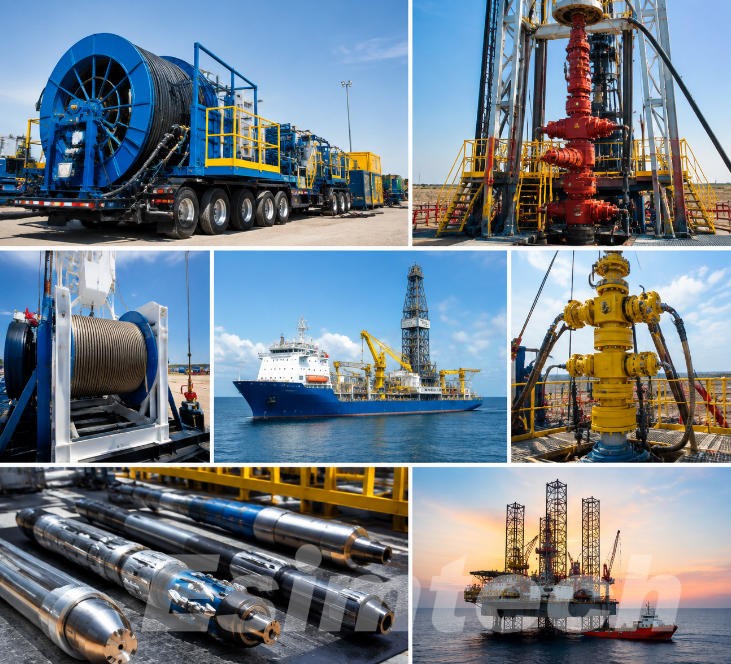
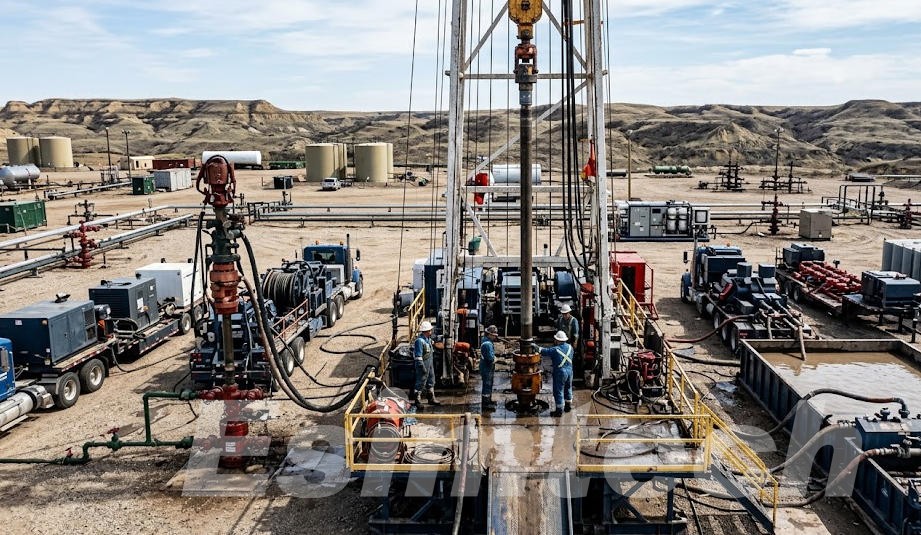
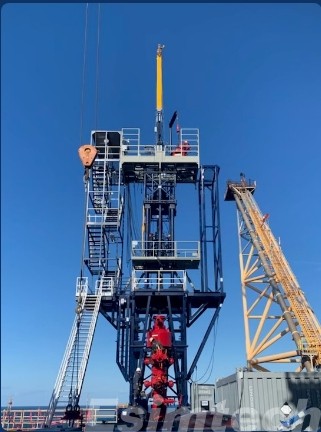
The snubbing operation of forcibly lowering or raising the pipe string is usually employed for pressure-bearing wells where pressure relief cannot be achieved in advance. During the process of lowering or raising the tubing into or out of the well, the position of the pipe string, the well condition, and hydraulic changes can quickly lead to well control risks.
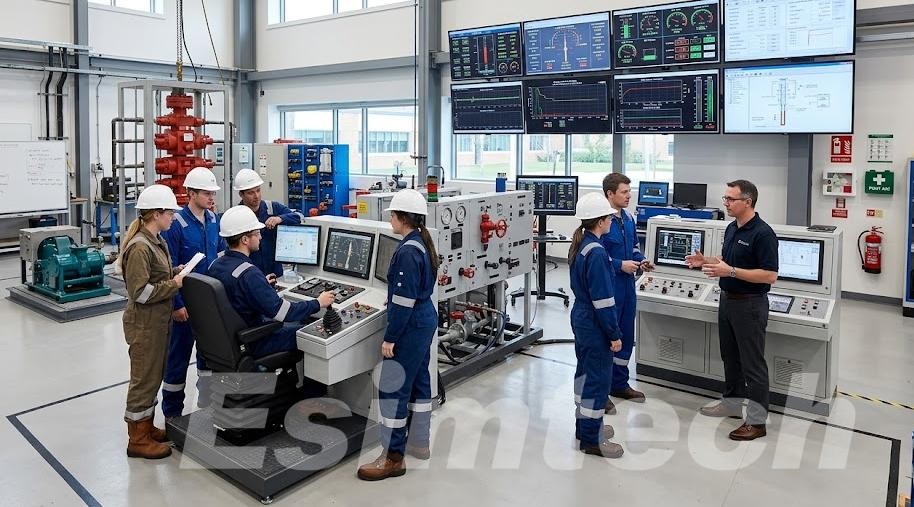
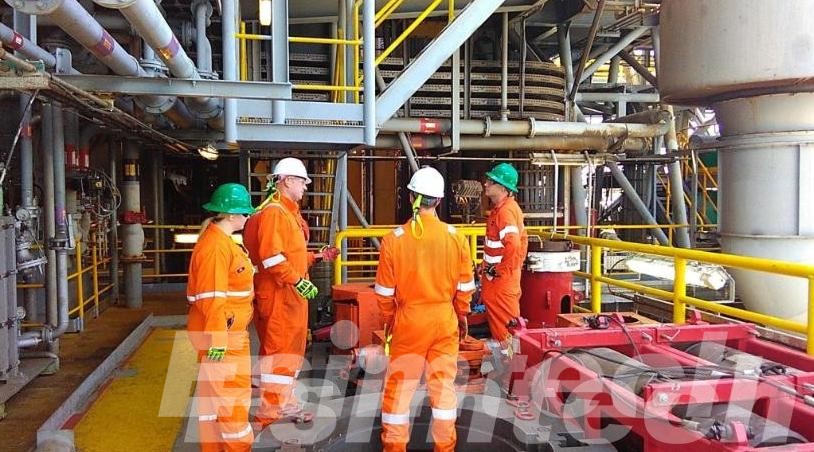
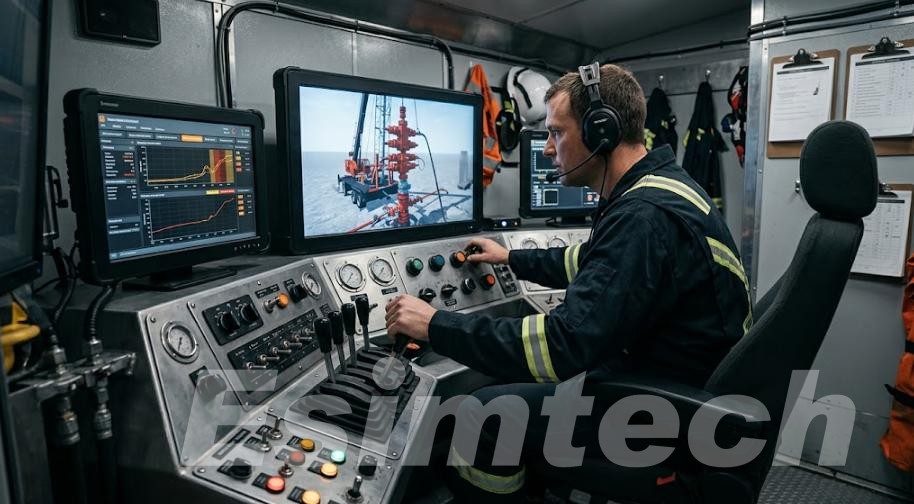
For the teams conducting the snubbing operation, mastering the well control procedures is only the foundation. They also need to understand the impact of different operations on the wellbore. The snubbing well control simulation system provides a controlled training environment, allowing operators to practice pressure management, BOP operation, and response measures in abnormal well conditions before actual pressure-bearing well operations.
Why Pressure Control Is Critical During Snubbing Operations
Pressure control is at the core of every snubbing operation.
Unlike conventional downhole operations which usually perform well control or pressure relief before intervention, snubbing operations need to be carried out while maintaining pressure at the wellhead. As the tubing moves up and down in the well, the well pressure also changes.
The following three factors require special attention:
- Pressure holding state: There may always be a high pressure in the well during the operation.
- Casing movement: The lowering or lifting of the casing will change the well pressure.
- Pressure imbalance: Improper operation may lead to well blowout, increasing the risk of well control failure.
Therefore, pressure control is not just about maintaining a fixed pressure value. Operators need to understand the changes in pressure during the operation and take measures in time before the problem develops into a well control accident.
What a Snubbing Well Control Simulator Should Simulate?
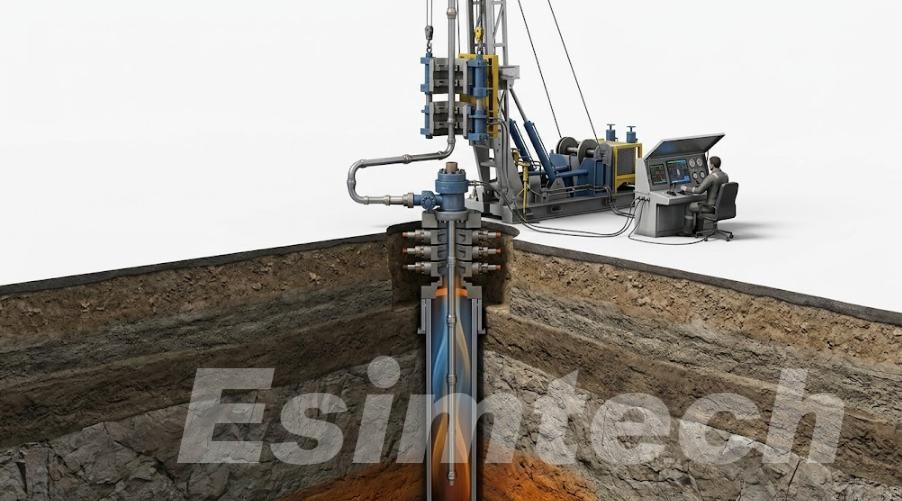
The main simulation contents include:
- Well pressure: Simulate the changes in wellhead and bottomhole pressure under different operating conditions.
- Casing movement: Simulate the impact of tubing running in and out on pressure, and visually display the changes in the casing position and its effect on the well conditions.
- Blowout preventers (BOP) and pressure control equipment: Cover the operation of BOP components and other pressure control equipment in snubbing operations.
- Well blowout and overflow response: Set up abnormal well conditions to train operators to identify pressure and flow changes and handle them according to the established procedures.
- Valve and pressure control: Practice pressure control by adjusting the choke valve and other control systems and observe the changes in well conditions.
The key point of the simulator is to present a clear causal relationship: After the operator performs the operation, the simulated well should produce corresponding changes.
How Simulation Improves Snubbing Well Control Training
The value of simulation training lies in allowing operators to practice working conditions that are difficult to reproduce, dangerous, or costly.
Training courses can include increasingly difficult simulated scenarios:
Scenario 1 – Normal tubing operation
Operators perform tubing insertion under normal conditions, monitoring pressure and other downhole parameters while maintaining the well control throughout the operation.
Scenario 2 – Abnormal pressure increase
The simulation system sets abnormal pressure changes. Operators need to identify the pressure trend, make judgments based on available information, and take appropriate pressure control measures.
Scenario 3 – Blowout (formation fluids invading)
After the fluid invasion, the well control becomes more challenging. Operators need to identify potential risks and execute the corresponding blowout preventer (BOP) operations and pressure control procedures.
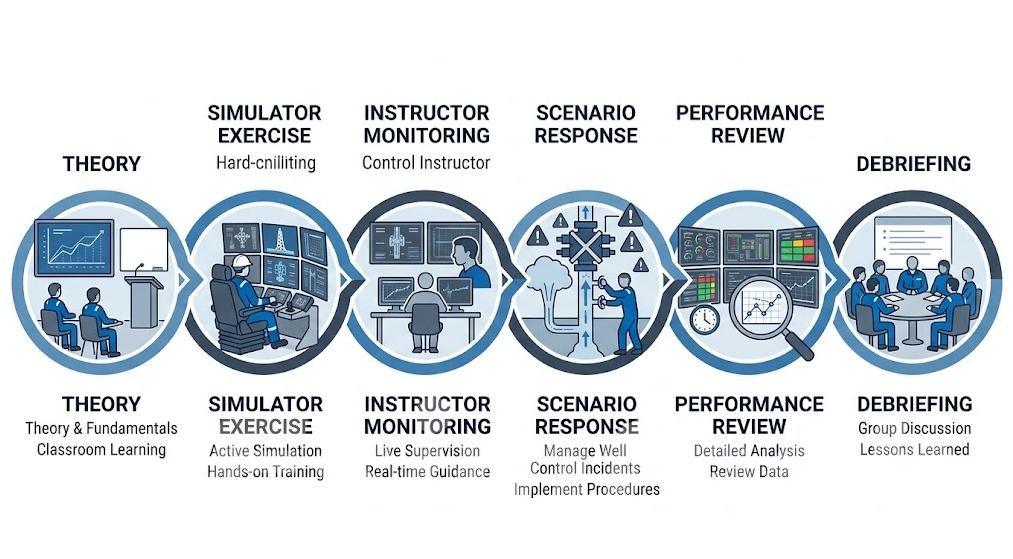
These scenarios can be practiced repeatedly without exposing personnel, equipment, or actual wellbores to operational risks. Through repeated training, operators can improve response speed and master pressure control and well control procedures. These scenarios can be repeated in a controlled environment as part of well intervention training.
Key Parameters to Monitor During a Snubbing Simulation
Effective well control requires a comprehensive analysis of multiple parameters rather than relying solely on a single pressure reading.
During the simulation of pressure-holding operations (snubbing), operators can monitor:
- Wellhead pressure
- Casing pressure
- Production tubing pressure
- Pump pressure
- Throttle valve position
- Casing string depth and movement
- BOP (Blowout Preventer) status
- Fluid dynamics and signs of formation fluid invasion (well overflow)
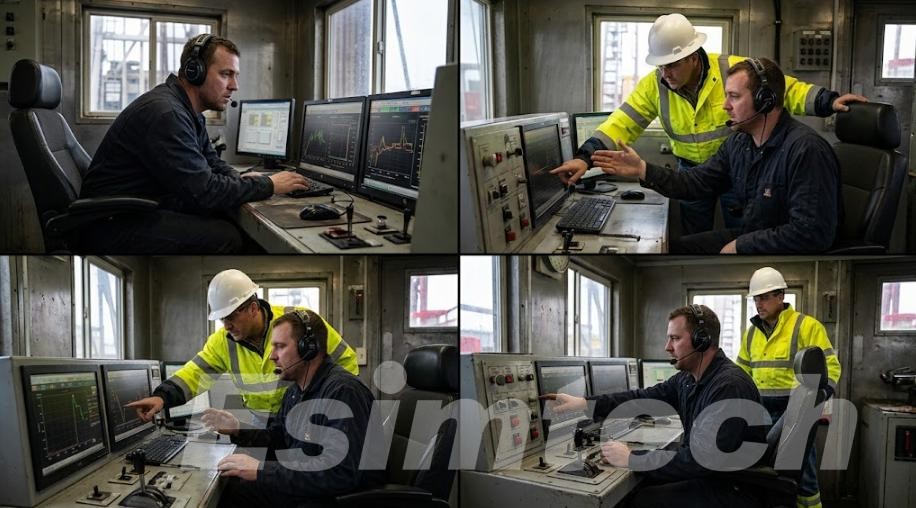
For instance, an increase in pressure alone cannot directly determine the condition inside the well. Operators need to combine the pressure trend, casing movement, fluid dynamics, and equipment status to determine whether the well condition is under control.
Simulation training can visually present the interrelationships among these parameters, enabling operators to understand the relationship between different parameters and promptly identify abnormal trends.
From Simulator Practice to Safer Live Well Operations
The pressure operation simulator cannot replace the on-site operation procedures, qualification requirements or certified well control training. Its function is to provide a controlled environment where operators can repeatedly practice the decisions and equipment operations encountered in actual downhole operations.
A well-designed simulation training can help operators:
- Identify abnormal pressure more quickly
- Understand the pressure changes during the movement of the pipe string
- Standardize the operation of blowout preventers (BOP) and pressure control equipment
- Improve the team’s collaboration ability in well control incidents
- Enhance confidence in dealing with emergencies
For training centers, oilfield service companies and operation parties, simulation training can connect classroom teaching with actual downhole operations.
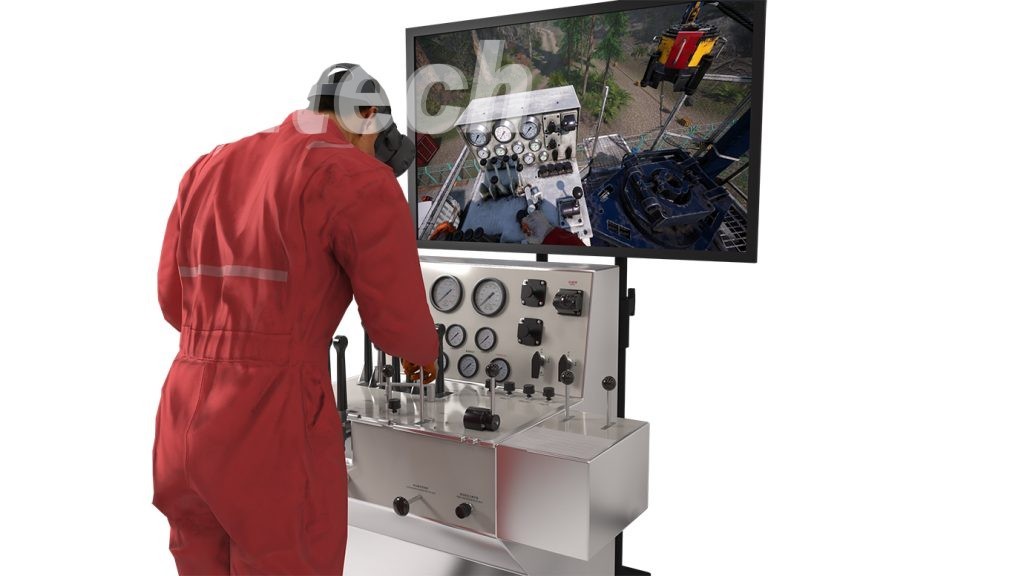
The Esimtech pressure operation simulator simulates pressure operations and well control operations in a realistic training environment, covering simulated well conditions, pressure control, BOP functions and different operation scenarios. Operators can practice key operations and response measures before encountering similar situations on the actual site.
Its goal is to help operators understand pressure changes, improve decision-making ability, and maintain well control safety in actual downhole operations.