How to Choose the Right Wireline for Your Well

Written By: Computer Science Professor
Deeply rooted in the R&D of simulators for the oil and gas industry, committed to bringing safety to every oil worker.
Selecting the right wireline is critical for safe and dependable well intervention operations. Wireline is commonly used in activities like well logging, perforating, setting and retrieving downhole tools, production monitoring, and mechanical intervention. Since each well can differ in depth, pressure, temperature, angle, and fluids, you should match the wireline to what the job actually needs.
Understanding the Basics of Wireline
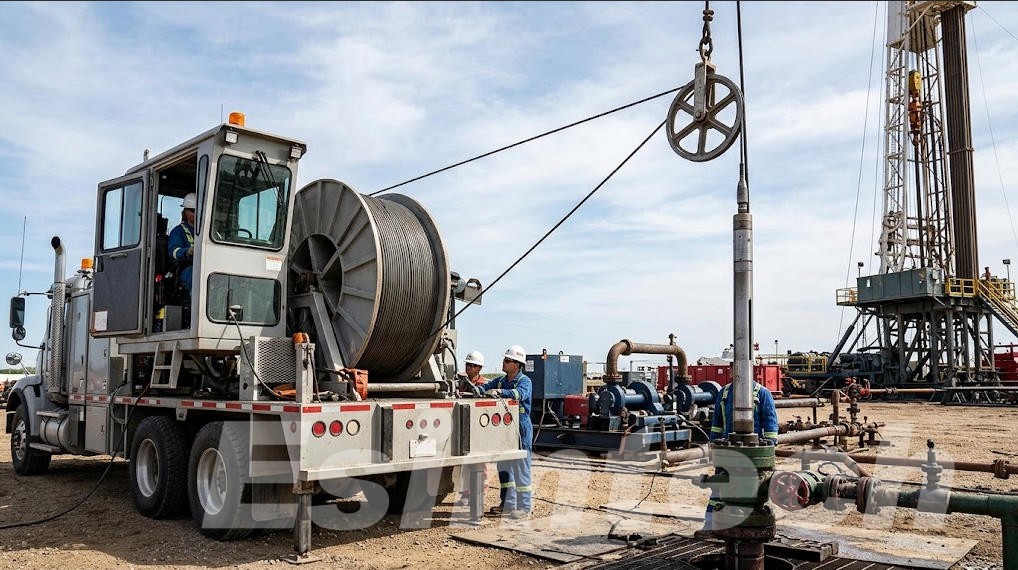
Wireline usually means a cable that helps you lower, hold, run, or retrieve downhole tools and related gear. The exact job can change, so wireline tasks can cover logging runs, perforating jobs, installing plugs, pressure checks, fishing, and other intervention work.
Common Types of Wireline
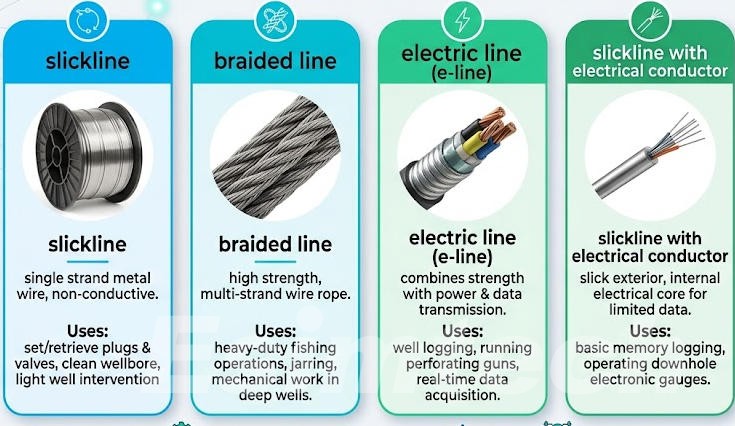
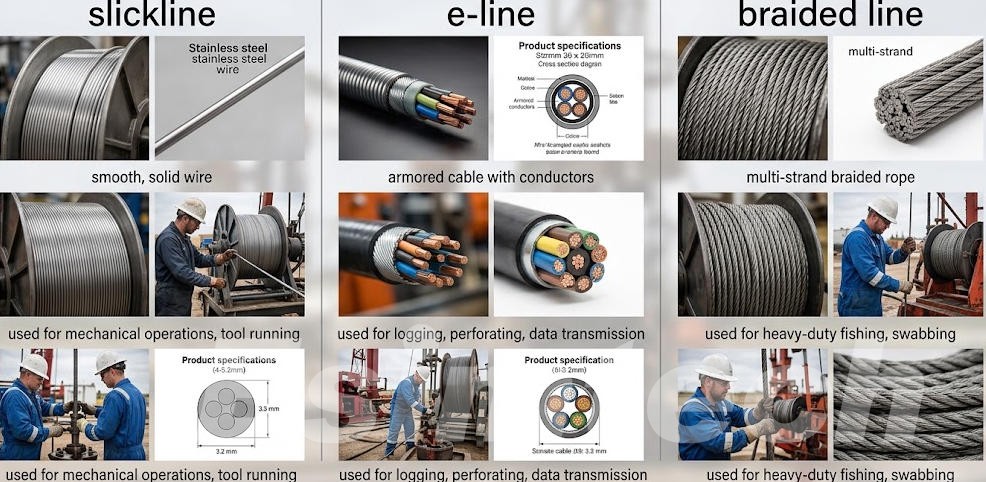
Common wireline types include slickline, braided wireline, and electric line (e-line). Each type has different characteristics and is suited to specific well conditions and operational requirements.
| Wireline Type | Main Characteristics | Key Advantages |
| Slickline | Solid wire without electrical conductors | Simple, economical, and suitable for routine mechanical operations |
| Braided Wireline | Multi-strand wire construction with high mechanical strength | High tensile strength and good durability |
| Electric Line (E-line) | Contains electrical conductors for power and data transmission | Enables real-time data transmission and electrical tool operation |
| Single-Conductor E-line | Electric line with one main electrical conductor | Suitable for many standard electric-line applications |
| Multi-Conductor E-line | Multiple electrical conductors for advanced downhole tools | Supports multiple tools and higher data-transfer requirements |
| Wireline with Armor | Protective outer layers around electrical or mechanical conductors | Provides improved mechanical protection and durability |
| Coated Wireline | Wire surface protected by a specialized coating | Can improve resistance to corrosion and environmental wear |
Why Selecting the Right Wireline is Important
In the field, the wireline deals with heavy forces and rough downhole conditions. During a run, it can see pull load, push load, side bending, rubbing, fluid pressure, heat, corrosion effects, and repeated mechanical motion.
The proper wireline can help provide:
- Steady tool runs in and out of the well
- Enough tensile strength for the planned task
- Better wear to corrosion and temperature stress
- More stable behavior in long intervention work
- Higher job safety
- Lower chance of wireline failure and fishing events
- Longer service life and reduced operating costs
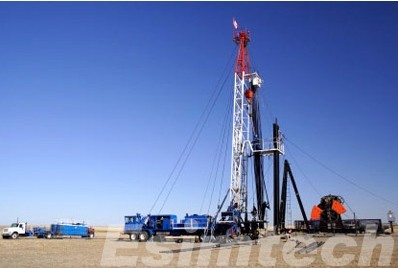
Key Steps for Choosing the Right Wireline
1. Understand the Wireline Application
Start by figuring out what the wireline must do. For mechanical jobs, like setting or retrieving plugs, moving sleeves, or running downhole gauges, slickline is often used. If the task needs electric power, near real-time signal use, logging, perforating, or formation-related checks, electric line is usually the better fit.
When you understand the job, you can pick the right wireline build. That means looking at strength, flexibility, electrical needs, and how well it matches the downhole tools.
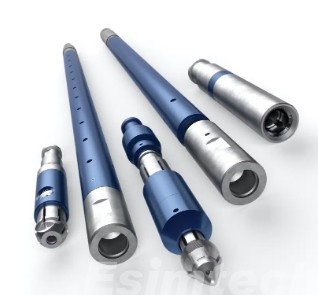
2. Evaluate Well Depth
Depth changes the load on the wireline. As the tool string goes farther down, the wireline must carry that weight across a longer run. Deeper wells often call for wireline with higher tensile strength and better fatigue endurance.
You should also think beyond the plain tool weight. Movement can add forces. Friction, acceleration, and retrieval actions can also raise the load.
3. Consider Well Deviation
Well shape becomes more critical in deviated and horizontal wells. When the angle grows, the wireline can touch the wellbore or tubing more often. That contact can add friction, and the whole run can feel harder.
For these wells, select a wireline that balances tensile strength, flexibility, and fatigue resistance. Also review the toolstring design and how you plan to deploy the system, not just the line by itself.
4. Check Temperature and Pressure Requirements
Downhole temperature and pressure can change how well wireline systems perform. When temperatures run high, they can harm wire materials. Insulation and other electrical parts also need to keep working in those hot conditions.
Pressure matters too, especially in wells with high formation pressure. In those cases, the wireline setup must match pressure control tools and field procedures. Picking the right gear for the pressure and temperature window can make the job steadier.
5. Assess Corrosion Conditions
Well fluids include materials that can corrode metal. This may include hydrogen sulfide, carbon dioxide, salt water, or other chemicals. If the wireline sits in these fluids too long, the metal can weaken and the usable life can shrink.
For sour or corrosive settings, choose materials that fit the fluid. Use coatings that help protect the wireline. Also check that the wire construction is a good match for the chemicals expected. This matters even more for long workovers and tough interventions.
6. Determine the Required Tensile Strength
Tensile strength is a key point for wireline choice. The wireline must hold the full toolstring. It also has to handle extra forces that show up during running and pull.
Work out the tensile needs using tool mass, run depth, well bend or deviation, friction, line speed, and possible dynamic effects. Keep a safety buffer so the plan still makes sense if conditions shift.
7. Select the Appropriate Wireline Diameter
Diameter affects more than just strength. It also changes flexibility, friction, and how well the wire fits with the surface and downhole tools. A larger diameter can carry more load. A smaller diameter can help when space in the well is tight.
Choose the diameter by looking at the toolstring size, wellbore limits, surface equipment, expected loads, and the specific intervention goal.
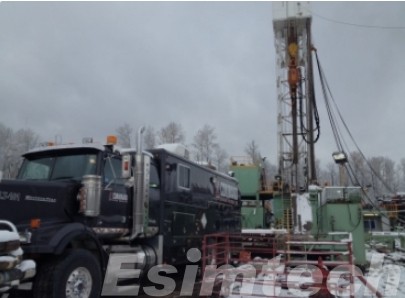
8. Check Toolstring Compatibility
Treat the wireline and the downhole toolstring like one working system. Tool mass, overall size, connector setup, power or electrical needs, and depth all affect what wireline should be used.
Before the job starts, confirm the wireline matches the downhole tools. Also check fit with the pressure control equipment, the winch, sheaves, and other surface parts.
9. Consider Flexibility and Fatigue Resistance
Wireline can experience repeated bending and mechanical stress during deployment and retrieval. Passing through sheaves and other surface equipment can contribute to fatigue, particularly when operations involve frequent running and pulling cycles.
For demanding applications, selecting wireline with appropriate flexibility and fatigue resistance can help reduce premature wear and improve service life.
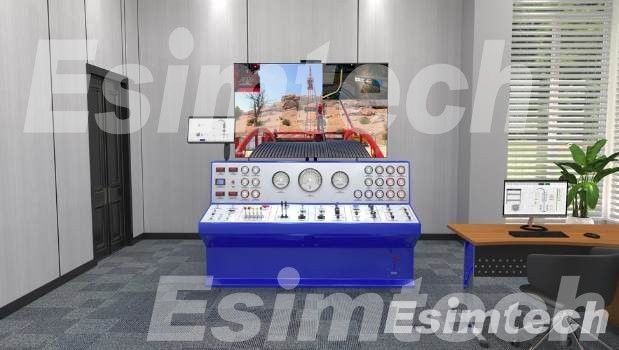
10. Use Simulation Technologies for Complex Operations
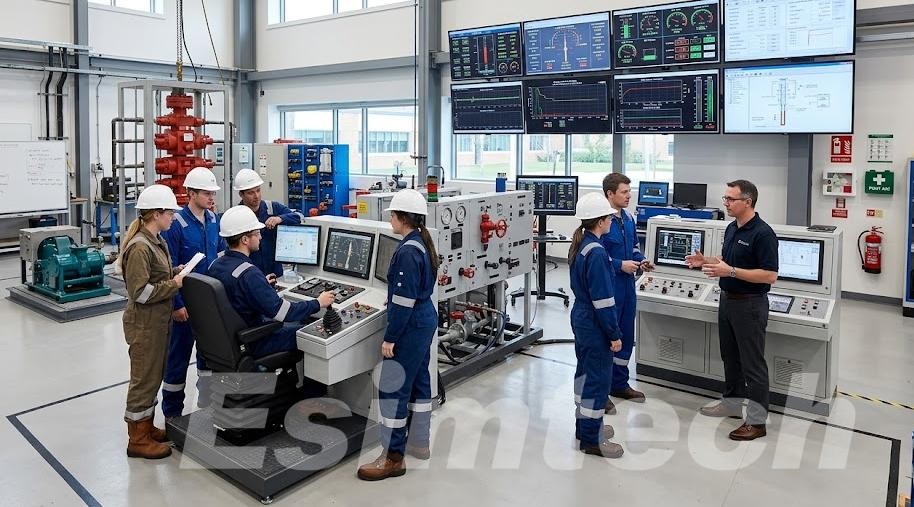
Simulation technologies can add value when you plan hard wireline work. Well intervention simulators and digital twins can map out how tools will be set down, how the well is likely to behave, how the gear will act, and what issues could show up later during the job.
These oil and gas simulators also help crews and new trainees see cause and effect. They can test how well deviation, toolstring weight, friction, and the step by step procedures might change wireline results. When the job is risky or too complex, planning and practice in a simulator can flag trouble early, before anyone runs tools in the field.
11. Inspect and Maintain the Wireline
Selecting the correct specification is only part of wireline management. You also need to check the cable itself before you start, and again while the job is in progress. Look for corrosion, abrasion, broken wires, kinks, deformation, and other wear. Any of these can lower how dependable the wireline will be.
Good routines for storage and transport matter. So do spooling, handling, checks before use, and ongoing maintenance. These steps can help the wireline last longer and lower the chance of an unexpected failure.
Summary
- Slickline is generally suitable for mechanical operations
- E-line is preferred when electrical power or real-time data transmission is required.
- For demanding mechanical applications, braided wireline may provide additional strength and durability.
Final Thoughts
To choose the right wireline, you need to review the whole operation, the well setting, the toolstring, and the surface gear. You should weigh depth, deviation, temperature, pressure, corrosion, tensile strength, etc., before you decide.