Common Workover Techniques & When to Use Them?
In today's environment, there is growing pressure on oil and gas operators to realize more recovery, cut down non-productive time, and extend the life of their existing assets. As production from mature fields continues to dominate, workover operations have become a key lever to help sustain well performance. Yet choosing the right approach-especially from among the many common workover techniques-requires a clear understanding of the well conditions, risks, cost implications, and expected return.
This chapter provides a practical, experience-based overview of Common Workover Techniques & When to Use Them. It offers the operator a structured way of evaluating the need for intervention, the selection of the right method, and reducing uncertainties throughout the process.
Why Workover Operations Matter for Production, Safety, and Well Economics
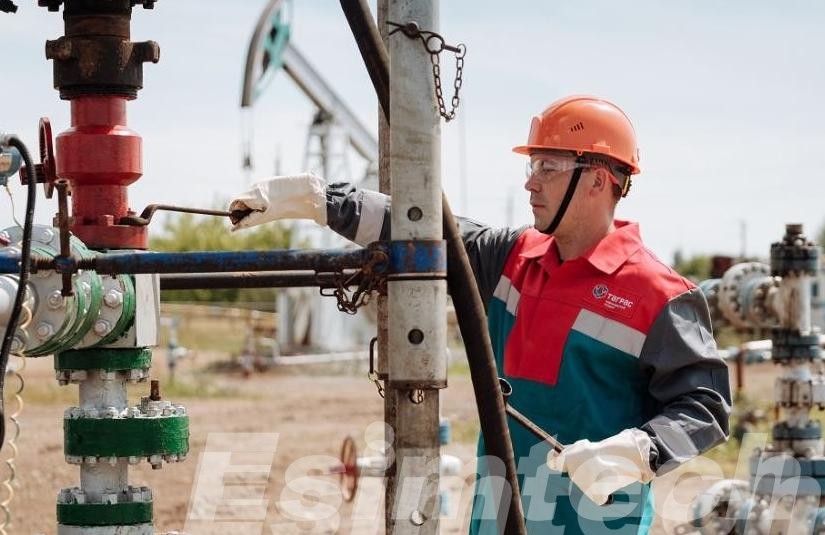
Workover operations continue to be one of the most impactful methods available for the operator to safeguard long-term well performance and ensure asset reliability. As wells mature, some decline in production or increased mechanical problems is inevitable; addressing such challenges in a timely manner with the right workover technique can stop small problems from becoming far more expensive failures.
Restoring and Sustaining Production
A well can lose efficiency for a number of reasons: tubing leaks, pump failures, sand accumulation, scaling, or restricted perforations. If left unchecked, these problems cause gradual losses in production and increased operating expense. A focused workover enables operators to eliminate flow restrictions, repair damaged components, and restore the well to predicted performance. Quite often, a single intervention can recover a substantial volume of deferred production.
Well Integrity and Safety of Operations
Well integrity is core to safety and compliance. Issues like casing corrosion, water or gas channeling, or poor cement isolation present serious safety and environmental risks. Workovers restore structural integrity, recover lost zonal isolation, and assure that pressure containment systems function as designed. Addressing these risks early reduces the likelihood of unplanned shutdowns or regulatory non-compliance for operators.

Improving the overall economics of the asset
Beyond the immediate technical benefits, workovers are often one of the most cost-effective means of extending the productive life of a well. In comparison to drilling a replacement well or mounting a large-scale intervention later, timely workover typically offers:
- Lower OPEX and deferred maintenance costs
- Faster return to production
- A higher recovery factor over the life of the field
- Better utilization of the existing infrastructure
When executed strategically, workover operations help operators unlock additional value from their wells, realize more stable production forecasts, and keep their operating costs competitive.
Key Factors to Evaluate Before Selecting Workover Techniques
Choosing the appropriate workover technique is never a one-size-fits-all decision. Every intervention has operational, commercial, and integrity considerations attached, which have to be weighed very carefully before mobilizing the rig. A successful outcome depends on how well operators understand the well condition, reservoir behaviour, and the potential risks associated with each of the workover techniques.
1. Well Integrity and Mechanical Condition
A detailed wellbore assessment serves as a basis for the workover plan. Operators review the condition of:
- Tubing and casing strings
- Packers, safety valves, and downhole accessories
- Corrosion, scale, or wax buildup
- Any existing fish or mechanical obstructions
Historical logs, pressure data, and recent production behavior all help engineers determine if the problem is mechanical in nature, fluid-related, or possibly a combination of both.
2. Reservoir and Flow Dynamics
Not all production decline is due to mechanical failure. Understanding the response of the reservoir is equally important. Engineers assess:
- Water cut progression
- Reservoir pressure trends
- Flow profile deviations
- Sand production tendencies
- Changes in permeability or formation damage
These insights help define whether a cleaning, reperforation, stimulation, or more complex workover technique is required.
3. Operational Risks and Safety Requirements
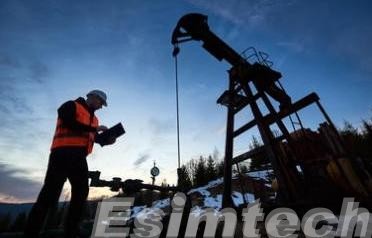
Some wells demand extra caution: high pressures, H₂S, unstable formations, or tight surface locations can make a substantial difference in the intervention strategy. Operators consider the following prior to technique selection:
- Well control requirements
- Suitable equipment (rig type, snubbing unit, coiled tubing)
- Emergency response and compliance obligations
- Anticipated swab/surge effects when moving tubing
A clear risk matrix ensures that the chosen methodology is appropriate for both safety and regulatory expectations.
4. Economic Feasibility and Expected Value
Any operation, even if technically flawless, has to undergo economic assessment. Relevant questions include:
- Is there enough production to be gained that will justify the cost of the intervention?
- How long will the well be shut in?
- Are there other methods that have a better cost versus benefit?
- What is the expected length of the payback period?
A workover that reinstates a steady, long-term production often gives better value than a quick damage control.
Main Types of Workover Techniques& When to Use?
It is essential to appreciate how best to achieve operational, technical, and economic objectives when planning a workover.
- Fishing and tubing replacement: This is often the first approach when a well has a mechanical problem. If a well has a tubing leak, production will range from minimal to non-existent. Fishing operations can be performed without a full sidetrack, and fully recovering the tools is essential to sustain production. Returning the well to good standing and restoring flow is an operational priority.
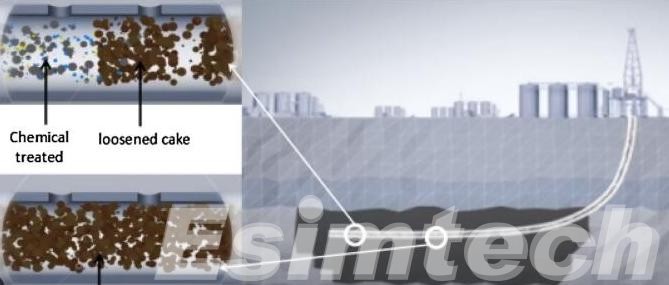
- Cleaning the wellbore/sand cleanout: The buildup of certain materials, including hydrocarbons and scale, is a primary reason production declines, particularly in older wells. It is common to use coiled tubing or pumped clean-outs as a means to recover and remove solids from the well. This intervention is often economical and can produce immediate results as full flow capacity is restored.
- Cement Squeeze / Zonal Isolation: Casing leaks or poor cement bonding can create safety hazards and lead to the potential for unwanted water or gas channeling. A cement squeeze will resolve all these problems, as it restores zonal isolation, enhances well integrity, and provides assurance of meeting the regulatory requirements.
- Re-perforation / Perforation Optimization: The inflow that is on decline is sometimes due to plugged or inefficient perforations. Re-perforation rejuvenates reservoir contact and enhances production with minimal disruption. Where mechanical conditions are sound but flow has decreased, this is particularly effective.
- Sidetracking / Re-entry : Such sidetracking enables operators to reach virgin intervals in cases of severe damage or when targeting unproduced zones without drilling a new well. While being more challenging and costly compared to other methods, it provides an opportunity to maximize the asset value and extend the well's productive life.
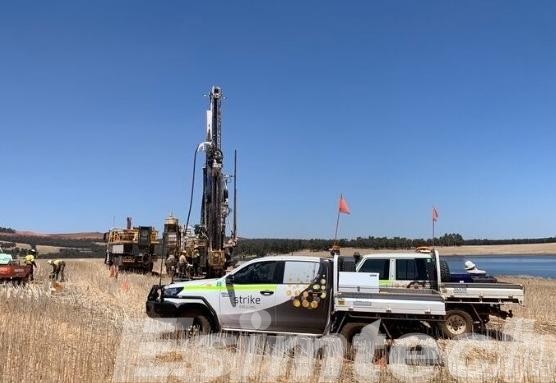
- Artificial Lift Repair / Upgrade: Artificial lift systems are critical for maintaining production, especially in low-pressure or mature wells. Repairs or upgrades to ESPs, rod pumps, or gas lift valves improve reliability, reduce operational costs, and generally provide more stable production profiles over time.
A summary of the typical applications along with some key benefits they offer is below. The format allows operators to compare options with ease and understand why each technique is chosen.
| Workover Technique | Typical Use Case / When to Use | Key Benefits |
| Tubing Replacement & Fishing | Tubing leaks, corrosion, stuck or broken tools | Restores wellbore integrity, recovers lost equipment |
| Wellbore Cleaning / Sand Cleanout | Sand bridging, wax or scale buildup, ESP overload | Improves flow, quick production recovery, low downtime |
| Cement Squeeze / Zonal Isolation | Casing leaks, water or gas channeling, poor cement bonding | Restores pressure integrity, prevents crossflow, ensures compliance |
| Re-perforation / Perforation Optimization | Plugged perforations, low inflow, underdeveloped zones | Enhances inflow, targeted stimulation, minimal formation damage |
| Sidetracking / Re-entry | Severe wellbore damage, bypassed zones | Accesses new intervals, extends well life, avoids new drilling |
| Artificial Lift Repair / Upgrade | ESP failure, rod pump inefficiency, gas lift issues | Improves uptime, reduces OPEX, stabilizes production |
Choosing the Right Workover Technique: Cost, Risk, and Performance Considerations
The selection of the appropriate workover technique is a critical step that balances operational efficiency, economic value, and risk management. Not all interventions are similarly suitable for each and every well; the right choice depends upon a mixture of cost, technical feasibility, and expected performance outcomes.
Cost Considerations
Operators have to consider both direct and indirect costs. Direct costs comprise rig mobilization, personnel, and equipment, whereas indirect costs involve deferred production during the workover period. A proper understanding of total expenditure versus expected production gains ensures that the intervention really adds value. In many instances, a higher investment at the outset can be better rewarded if it results in long-term.
Risk Assessment
Every workover carries several risks: well control problems, equipment failure, and formation damage. The early identification of these risks by downhole diagnostics, historical data, and simulation tools enables the operator to choose techniques that minimize uncertainty. Safety compliance and regulatory issues also form a vital part of the decision-making process.
Performance Expectations
Finally, operators consider the expected effectiveness and longevity of the intervention. Some techniques give quick, temporary improvements, while others provide durable production gains and extended well life. In each case, aligning the selection of workover technique with the well condition and operational objectives allows the operator to optimize production, minimize non-productive time, and maximize overall asset performance.
Workover Simulator Reduce Risk and Maximize Workover Success
The safety and efficiency of workover operations rely on effective operator training. Modern workover simulators allow operators to practise complex workover procedures in a risk-free, controlled environment. Operators can troubleshoot procedures and build confidence without endangering any personnel or wells. These simulators also prepare operators for a number of challenges they may face on the rig.
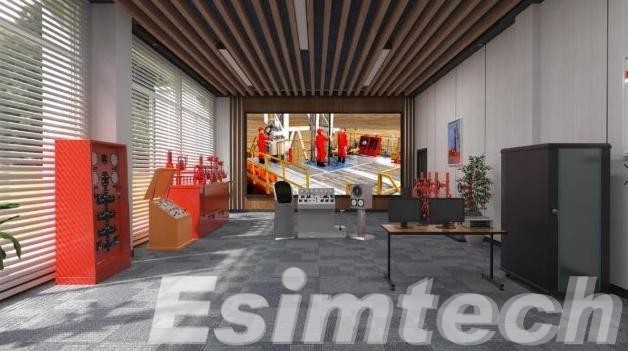
The advantages of deploying a workover simulator to train employees are:
- Practical Experience: Employees can perform tubing manipulation, operate coiled tubing, and engage in activities related to artificial lift in a safe environment free of any risk.
- Training Emergency Response: Simulate well control events, stuck pipe scenarios, or rapid pressure builds downhole to train on decision-making under pressure.
- Training on Procedures: Standard operating procedures can be reinforced and the sequence of steps in a complex workover can be streamlined.
- Collaboration: Team members from different disciplines can practise communication and working together during the lifting and tubing interventions.
- Reduced Risk: Employees can undertake virtual training exercises which would eliminate the risk of making errors that could lead to downtime and lost production or damage to equipment.
Incorporating simulator-based training into the standard training regimen allows operators to gain hands-on experience and improved response times, resulting in greater safety during operations. This practice enables workover teams to perform interventions in a fast, confident, and safe manner with respect to the protection of production and people.
Final Thought
Workover operations will remain an essential part in maximizing production and maintaining well integrity throughout the industry. Understanding Common Workover Techniques & When to Use Them puts the power in operators' hands to make informed decisions, reduce uncertainties, and capture additional value from existing wells. Together, this combination of sound engineering practices and disciplined economic evaluation, coupled with the increased use of digital simulation tools, enables workovers to provide significant, sustained benefits with reduced risk.