How Drilling Fluids are Used for Improving Well Stability

Written By: Computer Science Professor
Deeply rooted in the R&D of simulators for the oil and gas industry, committed to bringing safety to every oil worker.
Well stability can ensure safe and efficient drilling operations in the oil and gas industry. One of the most effective tools for maintaining wellbore integrity is the proper design and application of drilling fluids. These fluids, often called drilling muds, help a ton in stabilizing the well while also pushing drilling performance in a more favorable direction.
Understanding Well Stability
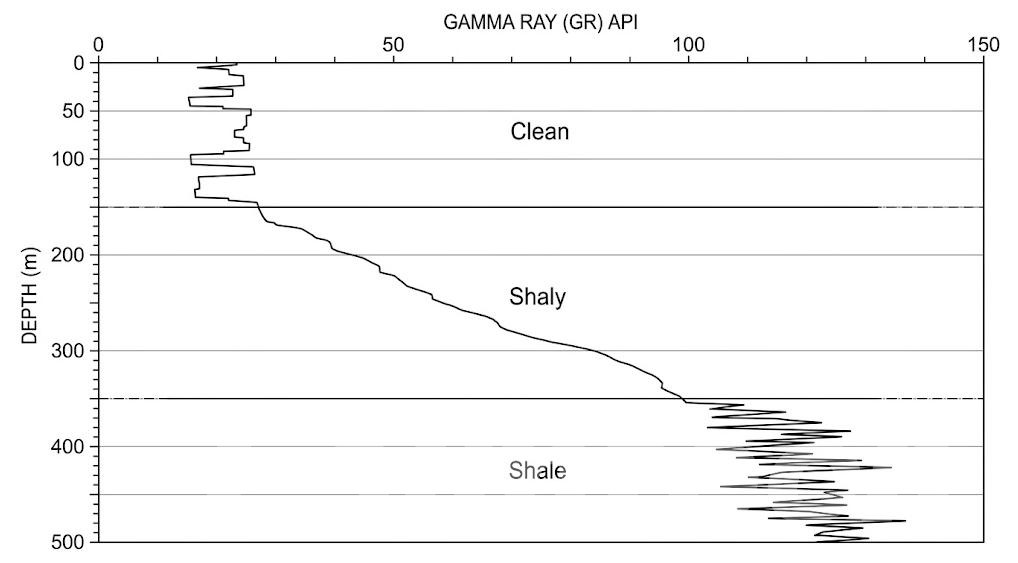
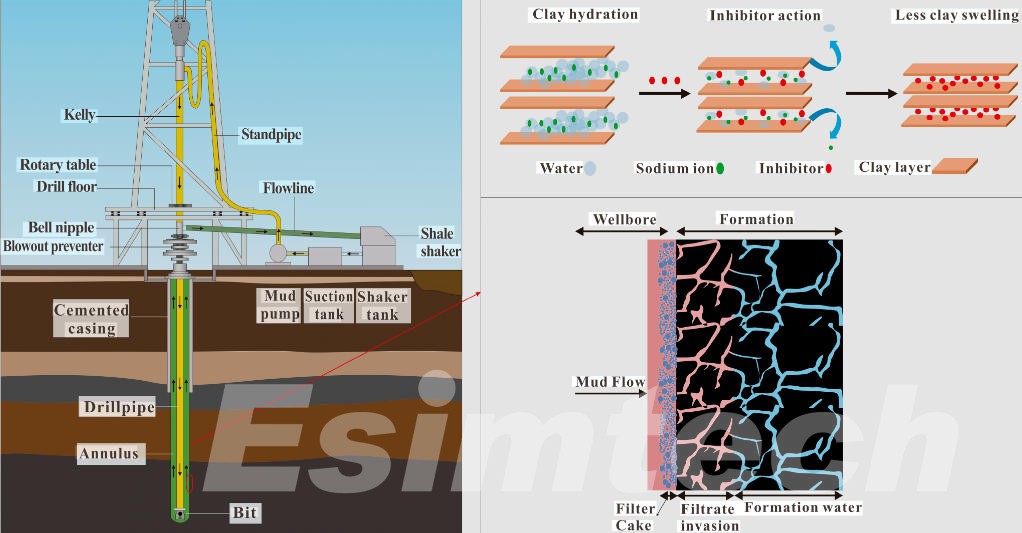
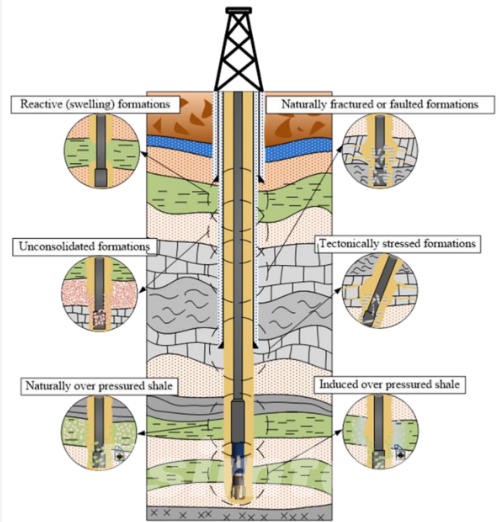
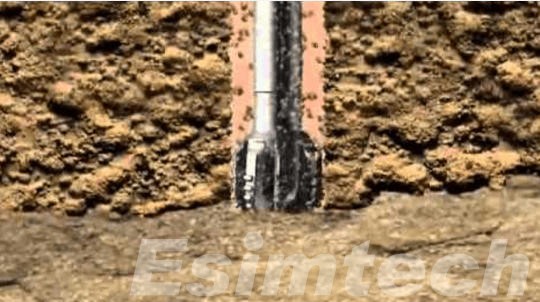
Well instability shows up when pressure, plus the mechanical forces inside the wellbore, end up not matching well with the surrounding formation. You commonly see problems like borehole collapse, formation fracturing, and shale swelling. A bunch of factors steer well stability, things like the formation’s geological characteristics, the in-situ stresses, pore pressure, and the drilling technique being used. Drilling fluids are engineered to oppose these forces, giving both mechanical support and chemical stabilization for the wellbore walls, so the hole stays steady instead of acting weird.
Functions of Drilling Fluids in Well Stability
Drilling fluids perform multiple functions that combine mechanical and chemical support to ensure stable, efficient drilling.
1. Hydrostatic Pressure Control
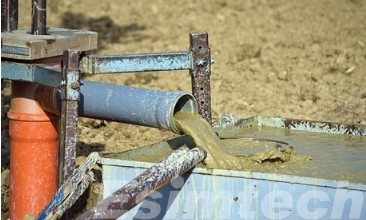
A key role of drilling fluids is keeping hydrostatic pressure inside the wellbore at a usable level. The fluid weight creates a pressure that opposes the natural pressures coming from the surrounding formations. When engineers change the fluid density, they can help stop the wellbore from collapsing while also steering away from pressures that might crack the formation. Getting that pressure balance right matters a lot for borehole stability and for avoiding expensive operational stops.
2. Shale and Formation Stabilization
Certain formations, especially shales, are prone to swelling , sloughing , or breaking down when they meet incompatible fluids. Drilling fluids help keep things more steady, chemically speaking. Oil-based or synthetic-based fluids put a protective membrane on reactive rock faces, so water absorption drops and the chance of formation weakening goes down. Even water-based fluids, if improved with inhibitors and polymers can still do a solid job preventing swelling and preserving the borehole integrity.
3. Cuttings Transport and Borehole Cleaning
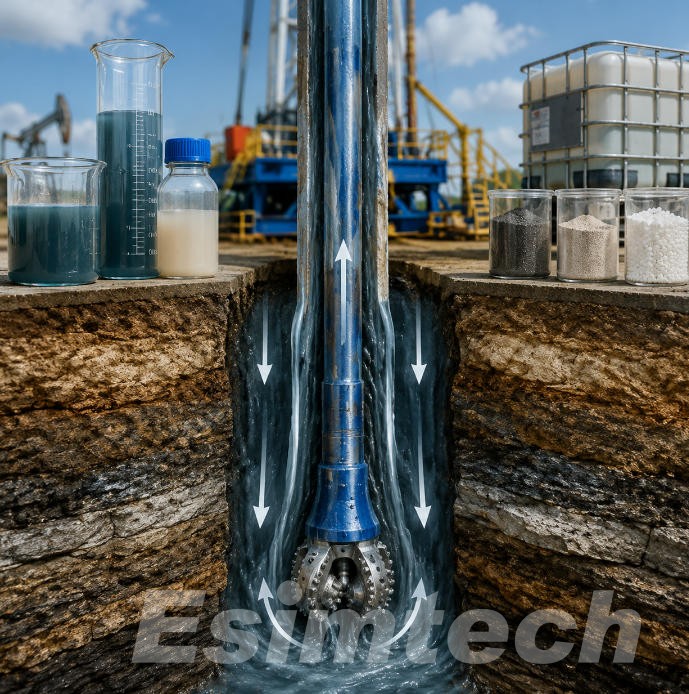
Drilling fluids act like a shuttle for rock cuttings produced by the drill bit. When they move those cuttings up to the surface quickly, buildup along the wellbore is limited, and that matters because accumulated material can bring on differential pressures, and then the drill string might become stuck. Regular hole cleaning keeps the wellbore smoother and also lessens the mechanical strains that can undermine stability.
4. Friction Reduction and Lubrication
The drilling process creates friction between the drill string and the wellbore wall, and it can become a real headache. Drilling fluids reduce this friction, giving a lubricating layer that keeps torque and drag from going too high. When mechanical stress is kept low, the well tends to remain more stable, and operational issues are less likely, especially those caused by a stuck or even misaligned drill string.
5. Chemical Interaction and Formation Inhibition
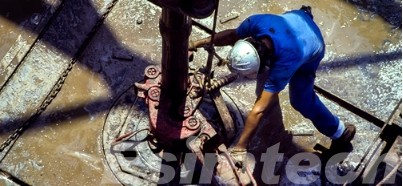
Drilling fluids often include chemical additives, like polymers, salts, and inhibitors that do something more than just sit there. They interact with the formation in ways that block destabilizing reactions. In practice, the additives can slow down shale swelling, reduce erosion effects, and keep unstable rock from sloughing. Engineers can tailor the fluid’s chemical composition to the exact geological conditions of the well, so both mechanical stability and chemical stability are improved at the same time.
Best Practices in Using Drilling Fluids for Well Stability
Implementing best practices in using drilling fluids can significantly enhance wellbore stability and overall drilling performance.
1. Understanding the Geological Conditions
The first step in using drilling fluids effectively is, well, understanding the geological characteristics of the formation. Different formations, from soft shales to hard sandstones, can react differently to drilling operations. Having accurate knowledge of the formation’s mechanical properties, pore pressures and how it responds to various fluid types, lets engineers choose the most suitable drilling fluid. Tailoring the fluid to the specific geological conditions helps it deliver both mechanical support and chemical stabilization, which in turn reduces the likelihood of wellbore collapse or formation damage.
2. Selecting the Appropriate Drilling Fluid
Choosing the right type of drilling fluid is crucial for well stability.
Here’s a comparative chart providing the types of drilling fluids for well stability, helping you make a suitable choice.
| Type of Drilling Fluid | Key Characteristics | Effect on Well Stability | Advantages | Limitations |
| Water-Based Fluids (WBFs) | Primarily water with clay, polymers, and inhibitors | Provides hydrostatic pressure and chemical stabilization; effective with added shale inhibitors | Cost-effective, environmentally friendly, easy to handle | Less effective in highly reactive shales; may cause swelling or sloughing without inhibitors |
| Oil-Based Fluids (OBFs) | Oil as continuous phase with emulsifiers and additives | Forms a protective film over shale; excellent for stabilizing reactive formations | Superior shale inhibition, maintains wellbore integrity in challenging formations | Higher cost, environmental concerns, more complex disposal |
| Synthetic-Based Fluids (SBFs) | Synthetic oils or esters as base fluid with additives | Similar stabilization to OBFs with lower environmental impact | Effective shale inhibition, environmentally safer than OBFs | Still more expensive than water-based fluids; may require special handling |
| Gelled or High-Viscosity Fluids | Increased viscosity through polymers or gels | Provides mechanical support in weak or fractured formations | Bridges fractures, supports poorly consolidated formations | Can be difficult to pump; may require careful management to avoid excessive pressure |
| Foam or Aerated Fluids | Gas (air or nitrogen) dispersed in fluid | Reduces fluid density to prevent formation fracturing in low-pressure zones | Lightweight, reduces differential pressure | Limited use in high-pressure formations; less effective for cuttings transport |
3. Continuous Monitoring of Fluid Properties
Drilling fluids have to be monitored continuously, so they keep their stabilizing role. Parameters like density, viscosity, and the way they flow, meaning rheology should be checked regularly, because even small variations can throw off hydrostatic pressure, worsen cuttings transport, and affect wellbore integrity. In many modern drilling setups, real-time monitoring systems in drilling fluids are used so engineers can respond immediately and make tweaks, while the drilling keeps going through different formations.
4. Maintaining Hole Cleaning and Cutting Transport
Effective removal of cuttings is a critical part of wellbore stability, because when they pile up you can end up with differential pressures and that alone can raise torque and drag on the drill string, potentially leading to stuck pipe. Drilling fluids should be circulated correctly, so the cuttings get carried up to the surface, while the wellbore stays clean and mechanical strain stays low. Proper hole cleaning approaches matter a lot, for instance by tuning the fluid flow rate, and also its viscosity, so the fluid can do this job more efficiently, and not underperform in the field.
5. Adaptability and Real-Time Adjustments
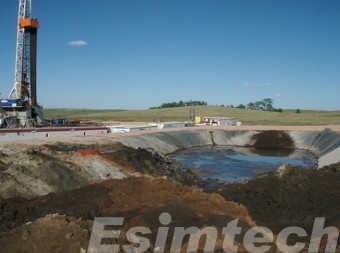
Well conditions can change, unexpectedly as drilling progresses. Implementing flexible strategies that allow for real time adjustment of drilling fluid properties is essential, because the reservoir does not behave like a spreadsheet. Engineers can adapt fluid density, viscosity, or chemical makeup to sudden formation changes, and in doing so keep wellbore stability intact and prevent incidents. This proactive method cuts down non-productive time, and it also helps drilling continue safely, even when the situation shifts in the background.
Integrating Simulation Technologies with Drilling Fluids to Improve Well Stability
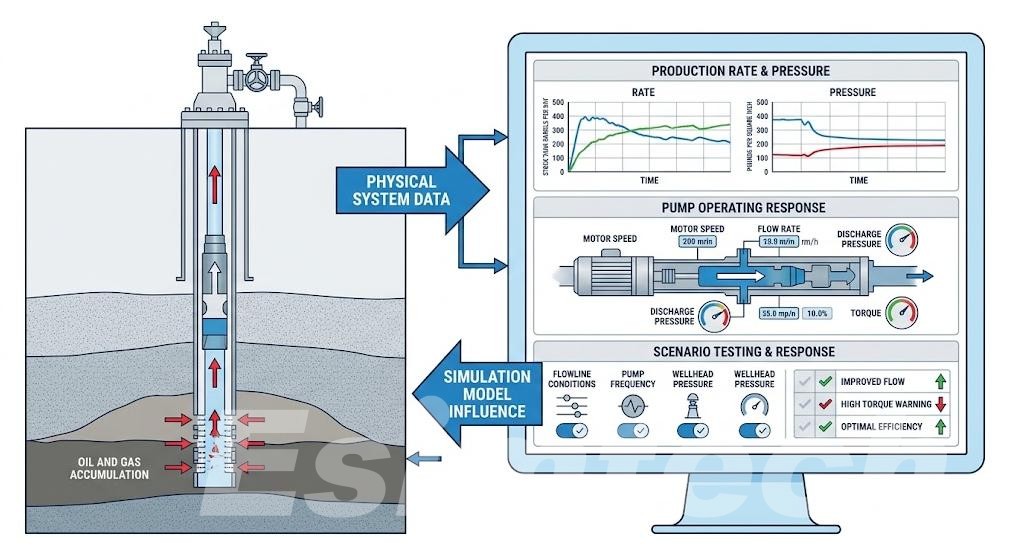
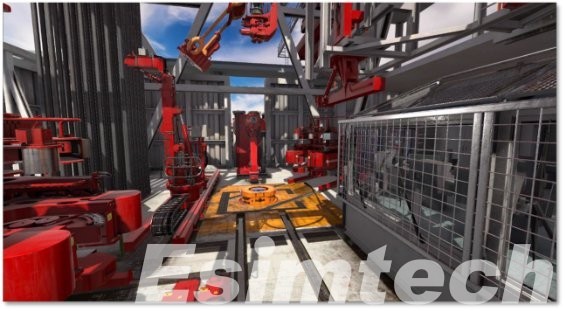
The following chart shows how different types of oil and gas simulations interact with drilling fluid properties to improve well stability.
| Simulation Type | Purpose in Drilling Fluids | Impact on Well Stability | Key Benefits |
| Hydraulic Simulations | Analyze fluid circulation, pressure profiles, and cuttings transport | Ensures proper hydrostatic pressure, prevents wellbore collapse, and maintains clean hole | Optimizes fluid density and flow rate; predicts pressure surges |
| Rheological Simulations | Model fluid behavior under shear and pressure conditions | Maintains consistent viscosity and hole cleaning efficiency, preventing cuttings buildup | Helps adjust viscosity and gel strength for varying formations |
| Thermal Simulations | Evaluate fluid temperature effects on viscosity and stability | Prevents thermal degradation of fluid and formation instability in high-temperature wells | Predicts changes in fluid performance at depth |
| Shale/Formation Interaction Simulations | Predict chemical interactions between fluids and reactive formations | Reduces shale swelling, sloughing, and borehole collapse | Optimizes inhibitor and additive concentration |
| Wellbore Mechanical Simulations | Model stress distribution and mechanical integrity of the borehole | Identifies high-risk zones for collapse and supports fluid design | Enhances safety and reduces non-productive time |
| Real-Time Drilling Simulations | Integrate real-time sensor data to predict fluid and wellbore behavior | Allows immediate adjustment of fluid properties to maintain stability | Reduces stuck pipe incidents; supports adaptive drilling |
Summary
Drilling fluids are more than just lubricants, or cutting transporters; honestly, they are a base component for well stability. Picking and steering these fluids the right way can stop expensive operational issues, safeguard formations and, in the same breath, raise drilling efficiency. With the correct fluid selection, proper formulation , and real-time monitoring in place, oil and gas operators can reach safer, steadier, and more productive wells.