The Impact of Drilling Mud on Wellbore Stability

Written By: Computer Science Professor
Deeply rooted in the R&D of simulators for the oil and gas industry, committed to bringing safety to every oil worker.
The main cause of Non-Productive Time (NPT) and pipe sticking is wellbore instability, which is among the key causes of such losses. Given that drilling fluids act as the first line of defense when it comes to dealing with complex pressure conditions underground, they play an important part in wellbore stability. The following guide provides information regarding the factors causing instability in the wellbore.
What is Drilling Mud?
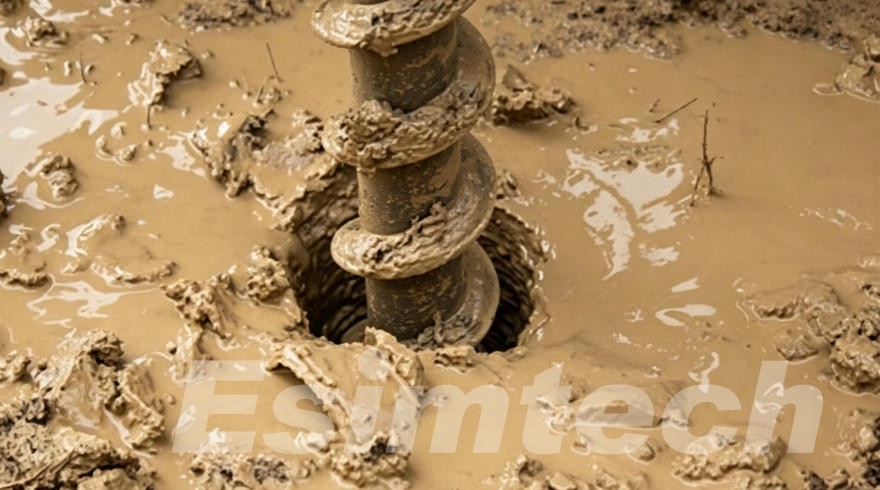
Drilling mud or drilling fluid is an artificial compound of liquids and solids, especially formulated for use in the oil and gas sector. The drilling mud acts as a multipurpose fluid that facilitates a wide range of essential roles during the process of drilling. It is a specially formulated slurry that aids in cooling and lubricating the drill bit, carrying rock cuttings to the earth’s surface, regulating well pressure, and stabilizing the wellbore to prevent any collapse.
Drilling mud may be formulated differently depending on the particular drilling environment; however, it typically contains either water, oil, or artificially synthesized fluids together with some additives such as clays and polymers, among others.
Mechanisms of Wellbore Instability
Wellbore Instability is an intricate phenomenon that results from the interaction between drilling fluid and rocks in the surrounding formations. Several major causes give rise to this problem:
1. Shear Failure
Shear failure takes place when the tangential force exerted on the wellbore wall is higher than the shear strength of the rock, leading to wellbore failure or sloughing. This phenomenon typically occurs in rocks that have low cohesion, such as shales and clays. Some of the significant causes include the following:
- Mud Weight: Insufficient mud weight refers to the inability of hydrostatic pressure to counterbalance overburden or tectonic stresses on the rock wall.
- Rheological Properties of Drilling Fluid: Poor rheological properties such as viscosity and yield point lead to increased dynamic shear stress.
- Formation Geomechanics: UCS and cohesion of the formation are important factors in shear failure.
2. Tensile Failure
Tensile failure occurs due to tensile stresses on the rock that are greater than the tensile strength of the rock itself. This usually happens in formations that have inherent weakness or fracture lines. The causes of tensile failure include:
- Mud weight: When mud weight is excessive, it results in tensile stresses in the formation, thus causing fracture creation.
- Formation stresses: Formation stress is an important consideration since it increases the chances of tensile failure.
- Drilling methods: High rates of penetration contribute to the chances of tensile failure.
3. Compressive Failure
Compressive failure arises due to stress on the rock around the wellbore exceeding the compressive strength of the rock. It is common for rocks with high compressive strength but relatively low tensile strength, such as sandstones and limestones. Parameters that affect compressive failure include:
- Mud weight: Mud weight may be inadequate, resulting in an underbalanced condition where the pore pressure exceeds the hydrostatic pressure, leading to compressive failure.
- Rock properties: Rock’s compressive strength and elasticity modulus influence its susceptibility to compressive failure.
- Drilling operations: Sidetracking and other directional drilling operations that create high compressive stress increase the chances of compressive failure.
4. Hydrofracturing
Hydrofracturing occurs when the pressure exerted by the drilling fluid exceeds the formation’s fracture pressure, leading to the creation of hydraulic fractures. Factors contributing to hydrofracturing include:
- Mud weight: Excessive mud weight can induce high formation pressures, leading to fracture initiation.
- Formation properties: The presence of natural fractures and the permeability of the formation influence the susceptibility to hydrofracturing.
- Drilling practices: Rapid changes in mud weight or drilling rate can increase the risk of hydrofracturing.
Understanding these mechanisms is crucial for developing effective strategies to prevent wellbore instability and ensure successful drilling operations.
Main Role of Drilling Mud in Wellbore Stability
Drilling mud can play a role in maintaining wellbore stability throughout the entire drilling process. It mainly includes several key functions, each of which is essential for preventing wellbore failures and ensuring effective extraction of hydrocarbons. Next, let’s delve into these features.
1. Pressure Control
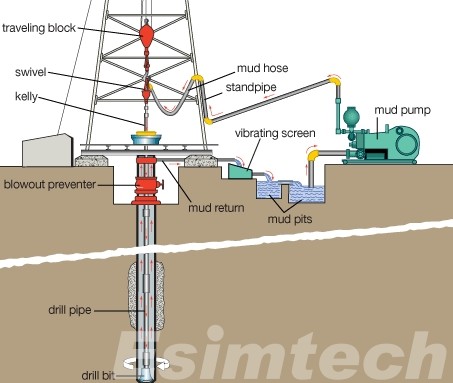
One of the primary functions of drilling mud is to maintain hydrostatic pressure within the wellbore. The mud column creates a pressure that counterbalances the formation pressure from the surrounding geological formations. This balance is crucial for preventing the influx of formation fluids, such as oil, gas, or water, into the wellbore. If the pressure is too low, it can lead to a kick (uncontrolled influx of formation fluids), which might escalate to a blowout. Conversely, excessive pressure can cause fracturing of the formation. Thus, maintaining the right hydrostatic pressure is key to stabilizing the wellbore and avoiding potentially hazardous situations.
2. Cuttings Removal
Drilling operations generate rock cuttings as the drill bit grinds through the formation. These cuttings must be efficiently carried to the surface to prevent their accumulation in the wellbore, which can lead to blockages and stuck pipe situations. Drilling mud, with its designed viscosity and density, facilitates the effective transport of these cuttings. The flow of mud not only lifts the cuttings but also cleans the wellbore wall, preventing the build-up of debris that could compromise wellbore stability.
3. Formation Support
The formation of a mud cake—a thin, impervious layer of drilling mud solids deposited on the wellbore wall—is a critical aspect of wellbore stability. This mud cake acts as a barrier between the wellbore and the formation, providing structural support to the wellbore walls. By sealing off permeable formations, the mud cake helps to prevent the loss of drilling fluid into the formation (known as lost circulation) and reduces the risk of wellbore collapse. The thickness and integrity of the mud cake can be adjusted by modifying the composition of the drilling mud, ensuring optimal formation support for varying geological conditions.
4. Lubrication and Cooling
Drilling mud plays a crucial role in lubricating the drill bit and drill string. As the drill bit rotates and grinds through the rock, it generates significant friction and heat. Drilling mud reduces this friction, which not only minimizes wear and tear on the equipment but also helps to dissipate the heat generated during drilling. Proper lubrication and cooling of the drill bit are essential to maintain its efficiency and extend its operational life, as well as to prevent damage to the wellbore.
5. Chemical Stabilization
Drilling mud is formulated with various chemical additives designed to stabilize the wellbore. These additives can include:
- Inhibitors: Prevent reactions between the drilling fluid and formation materials, such as clays, which might otherwise lead to swelling or weakening of the formation.
- Dispersants: Aid in keeping the cuttings and other solids suspended in the mud, preventing them from settling out and causing issues.
- Shale Stabilizers: Reduce the risk of shale swelling and disintegration, which can lead to instability and wellbore collapse.
By using these chemical agents, drilling mud can mitigate the effects of chemical interactions between the drilling fluid and the formation, thereby maintaining wellbore stability.
In short, drilling mud is not just a fluid used in the drilling process; It is also a multifunctional tool that helps enhance wellbore stability.
Common Factors Influencing Drilling Mud Performance
Drilling mud performance is influenced by a myriad of factors, each playing a vital role in ensuring the wellbore remains stable throughout the drilling operation. A deeper understanding of these factors can help optimize drilling fluid properties and mitigate potential problems. Here are some of the most critical factors:
1. Mud Composition
The components of the drilling mud are designed according to the requirements of the particular drilling project. Water, oil, or synthetic fluid can be used as the base of drilling mud. Depending on the kind of base fluid, there are certain pros and cons:
- Water-based mud (WBM): Usually it is inexpensive and eco-friendly, but sometimes the chemical interaction between the base fluid and some formations may result in swelling or dispersal of the clay.
- Oil-based mud (OBM): Oil-based mud offers better lubricity and stability, especially in reactive shales; however, it is costly and causes certain environmental problems.
- Synthetic-base mud (SBM): This type of fluid is considered a compromise between water- and oil-based fluids, combining the pros of both kinds.
In order to obtain desirable mud properties, different additives (clay, polymer, weighting material, etc.) are added to the base fluid.
2. Density and Viscosity
The density and viscosity of drilling mud are critical parameters that directly influence its performance:
- Density: The weight of the mud per unit volume is crucial for maintaining hydrostatic pressure within the wellbore. Adequate density prevents the influx of formation fluids and supports the wellbore walls. However, excessively high mud weight can fracture the formation, leading to lost circulation.
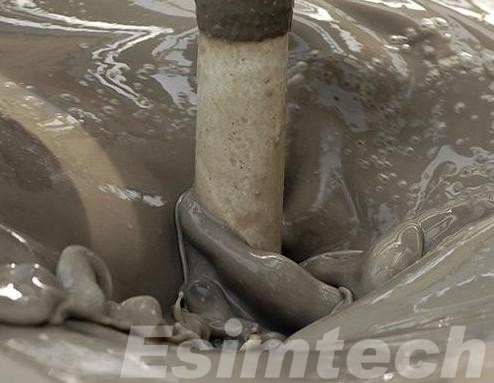
- Viscosity: The thickness of the mud affects its ability to lift cuttings to the surface. Higher viscosity improves cuttings transport but can increase friction and slow down the drilling process. Conversely, lower viscosity muds circulate more easily but may struggle to carry cuttings efficiently.
3. Temperature and Pressure Conditions
As drilling progresses to greater depths, the temperature and pressure conditions can significantly change:
- High Temperatures: Elevated temperatures can reduce the viscosity of the mud, necessitating the use of temperature-stabilizing additives. Some polymers and chemicals used in the mud may degrade at high temperatures, affecting mud performance.
- High Pressures: At greater depths, the increased pressure can alter the physical and chemical properties of the mud. Ensuring that the mud remains stable and effective under these conditions is critical for maintaining wellbore stability.
4. Formation Characteristics
The geological and chemical properties of the formation being drilled into can greatly influence how the drilling mud interacts with it:
- Porosity and Permeability: Highly porous and permeable formations may lead to fluid loss from the mud into the formation. Mud additives that form a thin, low-permeability filter cake on the wellbore wall are essential to minimize fluid loss.
- Clay Content: Formations with high clay content can react with water-based muds, causing clay swelling or dispersion. Using inhibitors or switching to oil-based or synthetic-based muds can help mitigate these issues.
- Rock Strength: The mechanical strength of the formation affects its stability under the stresses induced by drilling. Proper mud weight selection is necessary to prevent both shear and tensile failures of the formation.
5. Operational Parameters
The parameters of the drilling operation itself also play a significant role in the performance of the drilling mud:
- Drilling Speed: Faster drilling speeds can increase the amount of cuttings generated, requiring efficient mud circulation and solids control systems to manage the increased load.
- Circulation Rate: The rate at which drilling mud is circulated through the wellbore affects its ability to transport cuttings and maintain pressure. Optimal circulation rates ensure efficient cuttings removal and consistent pressure control.
- Use of Downhole Tools: Tools such as mud motors, rotary steerable systems, and measurement-while-drilling (MWD) devices can influence mud properties. For example, mud motors may require specific mud weights and viscosities to operate effectively.
How Simulation Technology Optimizes Drilling Mud & Wellbore Management
Maintaining an exacting balance in drilling fluid properties on the fly provides no room for mistakes. Incorrect calculations of the mud weight will cause a dangerous kick or formation fracturing immediately. Since downhole testing poses significant risks and is very costly, simulation technologies have emerged as a vital component of petroleum engineering today.
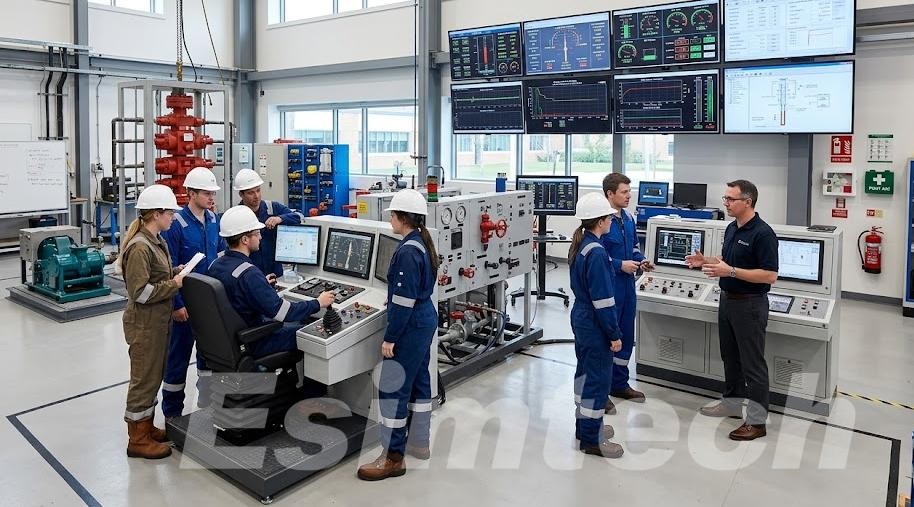
With the help of highly advanced Drilling and Well Control Simulators, we can:
- Simulate Real-Time Wellbore Physics: See first-hand how adjustments to the mud’s density and viscosity influence the Equivalent Circulating Density (ECD) and Bottom Hole Pressure (BHP).
- Kick Detection & Well Control Training: Learn through simulations what happens when a well is inadequately weighted, resulting in a formation kick, and learn how to properly shut in the wellbore.
- Testing Mud Weight Windows: Safely exceed the fracture gradient of formations using simulations to learn how to recognize when hydrofracturing occurs without harming a well.
Using simulation training to mimic the effects of drilling fluid interactions with formations allows engineering teams to be ready for any possible scenario, significantly lowering NPT.
Mastering the Wellbore Environment
Wellbore integrity involves complex processes that need a proactive approach to achieve success in the field. Drilling fluids become an important factor in ensuring that the wellbore does not suffer from collapse or any other risks that can lead to catastrophic results during oil production.
Theoretical understanding is not enough to apply the principles and techniques of mud engineering. Interactive learning becomes an essential component of closing the theory-practice gap in the field of oil drilling.
Looking to advance the skills of your employees in drilling safety and well control? Learn more about our advanced Petroleum Simulation Systems by contacting us today!