What are the Different Types of Well Workover

Written By: Computer Science Professor
Deeply rooted in the R&D of simulators for the oil and gas industry, committed to bringing safety to every oil worker.
Imagine a well as a long, intricate straw reaching deep underground to tap into a reservoir of oil and gas. Over time, this straw can become clogged, damaged, or simply less effective at drawing fluids. A well workover is akin to taking that straw out, giving it a thorough inspection and fix-up, and then putting it back in – only much more complex and sophisticated.
Unlike oil and gas drilling, which creates an entirely new wellbore, a well workover revisits an existing well to address various downhole issues. These interventions can be as straightforward as cleaning out accumulated gunk or as intricate as repairing a broken downhole pump or stimulating a sluggish reservoir. The overarching goal of a well workover is to improve or maintain wellbore functionality, ultimately translating to keeping oil and gas flowing efficiently.
The need for well workovers arises from the natural challenges associated with hydrocarbon production. As wells mature, several factors can lead to a decline in production:
- Formation Damage: Over time, the rock formations around the wellbore can become clogged with minerals, drilling fluids, or other debris, hindering the flow of oil and gas.
- Equipment Wear and Tear: Downhole pumps, valves, and other equipment are constantly under pressure and wear down over time, reducing their efficiency.
- Deposit Buildup: Paraffin wax, scale (mineral deposits), and other materials can accumulate within the wellbore, restricting flow and hindering production.
Well workovers play a critical role in mitigating these issues. By performing necessary maintenance, repairs, and enhancements, workovers can:
- Restore well production to its former glory, or even surpass it through stimulation techniques.
- Extend the productive life of a well, maximizing recoverable hydrocarbons.
- Improve the overall efficiency and safety of well operations.
- In essence, well workovers are like tune-ups for oil and gas wells. They are an essential part of a well’s lifecycle, ensuring continued productivity and economic viability.
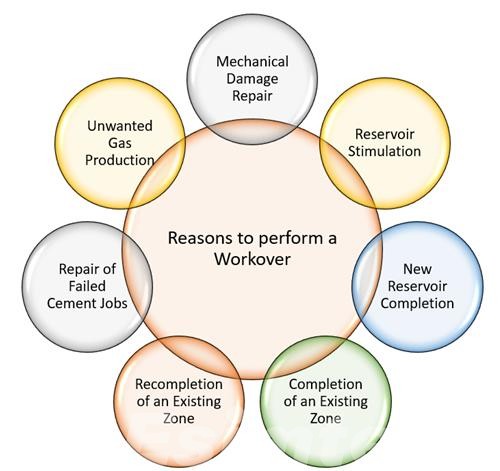
Types of Well Workovers (by Objective)
The modern classification of well interventions in petroleum engineering is made according to the scale, pressure status, and surface equipment used in contrast to only the ultimate purpose of each type of intervention.
Class 1: Light Well Interventions (Through-Tubing)
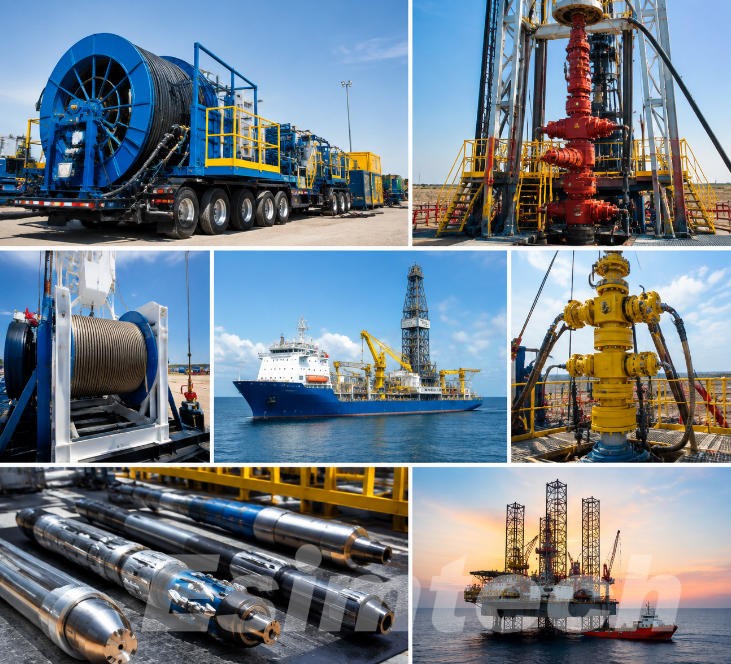
The intervention was performed through the existing production tubing without removal of the completion string. The operation is a live well conducted using slickline, wireline, or coiled tubing and is perfect for conducting production logging, mechanical scale removal, and setting downhole valves without the risk of damaging the formation with heavy fluids.
Class 2: Live Well Heavy Interventions (Snubbing & HWO)
When heavy intervention, such as changing the tubing, is needed but the well cannot be killed because of formation sensitivity, the operator uses Hydraulic Workover (HWO) or Snubbing equipment.
Class 3: Conventional Rig-Based Workovers (Dead Well)
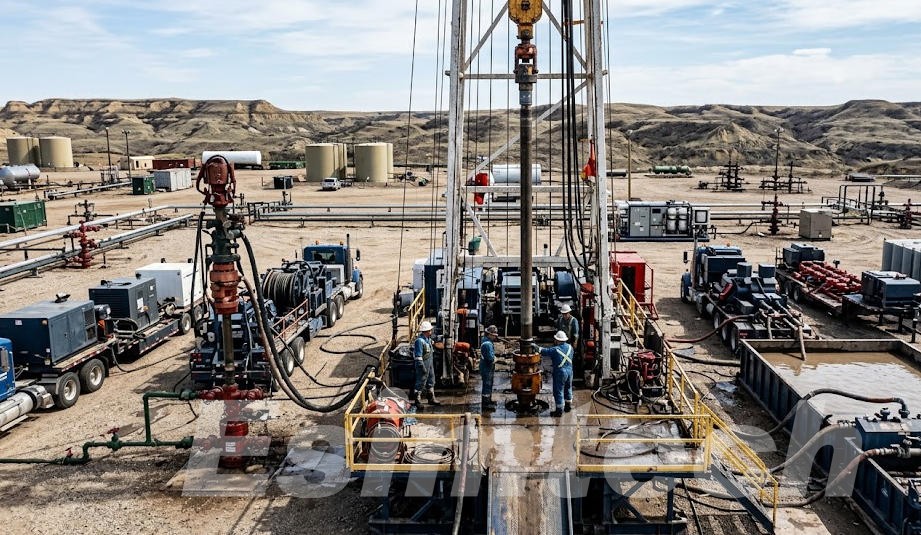
Such procedures are associated with substantial structural changes like casing repair, multi-zone re-completion, and permanent Plug & Abandonment (P&A). The process is to be performed using the conventional workover rig while having the well in a dead state since the pressure in the reservoir will be controlled through the heavy kill muds.
Fast Overview:
| Classification | Wellbore State | Primary Equipment | Core Operational Risk |
| Light Interventions | Live Well | Wireline / Coiled Tubing | Tubing fatigue or line breakage |
| Live Heavy Interventions | Live Well | Snubbing / HWO Unit | Stripper seal failure or buckling |
| Conventional Workovers | Dead Well | Standard Workover Rig | Formation damage or unexpected kicks |

Factors Influencing Workover Selection
Choosing the right type of well workover requires careful consideration of several key factors:
- Well History and Production Data: A thorough analysis of past production trends and wellbore data is critical. This analysis helps diagnose the root cause of the problem and identify the most suitable intervention. Production data may reveal a decline in flow rate, increased water cut (percentage of water produced with the oil/gas), or a buildup of pressure in the wellbore. Downhole pressure gauges and fluid sampling tools can provide valuable insights into the well’s condition.
- Reservoir Characteristics: The geology and properties of the producing formation play a significant role in selecting the most effective workover technique. Factors like reservoir pressure, permeability (ease of fluid flow through the rock), and the presence of natural fractures all influence the choice of intervention. For instance, a tight formation with low permeability might benefit from hydraulic fracturing, while a well suffering from paraffin buildup in the wellbore would require a cleaning operation.
- Economic Considerations: The cost-effectiveness of the workover needs to be carefully evaluated against the potential production gains. The cost of the operation will vary depending on the complexity of the procedure, the equipment required, and the rig time involved. Operators need to assess whether the expected increase in production will justify the investment in the workover.
- Regulatory Requirements: Environmental regulations and safety standards must be strictly adhered to during any well workover operation. Obtaining necessary permits and ensuring the workover plan complies with all relevant regulations is crucial. Additionally, utilizing environmentally friendly technologies and procedures for wellbore cleaning and stimulation is becoming increasingly important.
By carefully considering these factors, oil and gas producers can make informed decisions about the type of well workover needed to optimize well performance, maximize hydrocarbon recovery, and ensure safe and environmentally responsible operations.
Well workovers are vital procedures in oil and gas production, playing a crucial role in optimizing well performance, extending well life, and ensuring safe and environmentally friendly operations. By understanding the different types of well workovers and the factors influencing their selection, we can appreciate the importance of these interventions in maximizing hydrocarbon recovery. As technology continues to advance, well workover techniques are also evolving, offering more efficient and cost-effective solutions for maintaining and enhancing well productivity.