How Oil and Gas Simulators Are Used for Pipeline Operation Training?

Written By: Computer Science Professor
Deeply rooted in the R&D of simulators for the oil and gas industry, committed to bringing safety to every oil worker.
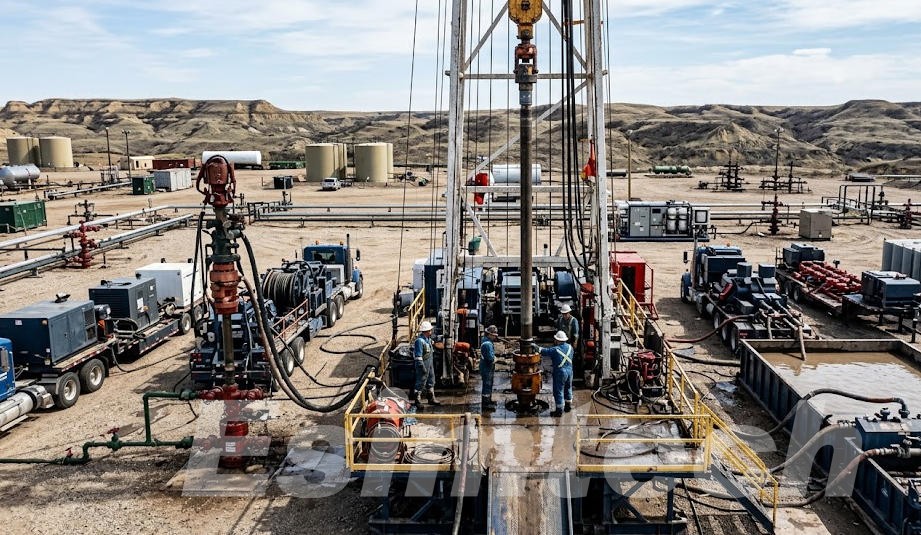
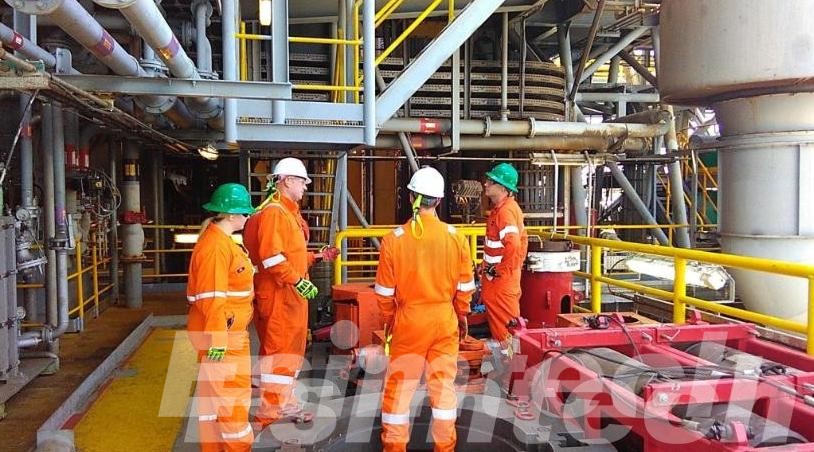
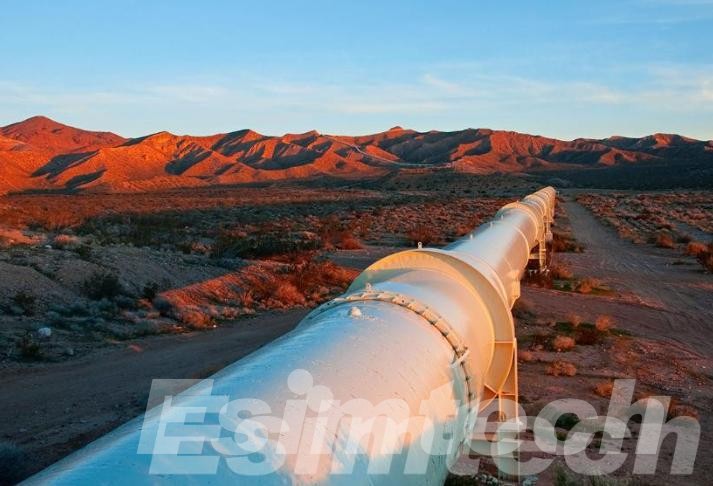
After hydrocarbons are extracted from wells, they must be gathered and processed before being transported via complex pipeline systems to refineries and processing plants. Pipeline operations require multiple systems to function, including pumps, compressors, storage tanks, and distribution stations.
Pipeline operators need to understand all aspects of the transportation process, including crude oil pipelines and natural gas boosting and distribution. The industry’s traditional training methods struggle to create real-world environments that capture both the dangers and the complexity.
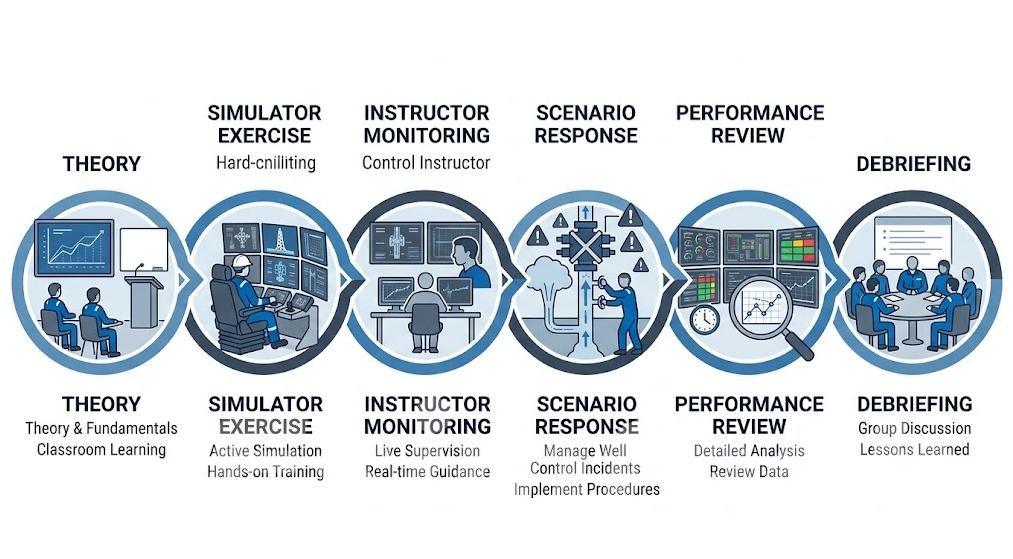
Operators in the oil and gas industry use simulation technology to practice pipeline operations while learning system operations and developing skills to handle both standard and unexpected situations.
The Growing Complexity of Pipeline Operation Training
The complexity of oil and gas pipeline systems extends beyond what most people understand. The system must operate its various equipment and processes, which are interconnected to ensure safe transportation operations.
The standard pipeline operation systems include these components:
- crude oil pipeline stations
- natural gas boosting and distribution stations
- LNG receiving facilities
- oil depots and storage systems
- metering and separation units
The systems perform oil-gas separation, crude oil dehydration, metering, pressure boosting, and long-distance transportation.
Operators must understand all system components to operate the entire pipeline network.
The oil and gas industry relies on simulation as its primary training method because operators must learn to control real-world pipeline systems.
How Oil and Gas Simulators Support Pipeline Operation Training
Current oil and gas simulators replicate the essential operations of oil and gas gathering and transportation systems, enabling operators to train for pipeline work in a safe testing environment.
Realistic system modeling
The advanced oil and gas simulation software creates models that depict the operational patterns of production and transportation systems, including pipelines, compressors, pumps, and separation facilities.
The simulation models determine essential operational metrics, which include pressure, temperature, and flow rate, to help trainees understand how their work impacts system efficiency.
Interactive operation environment
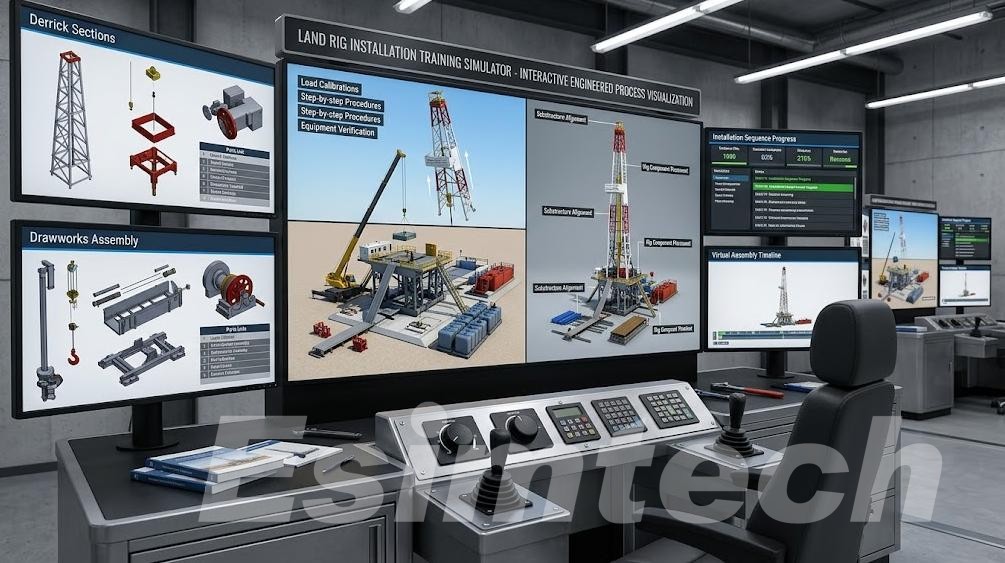
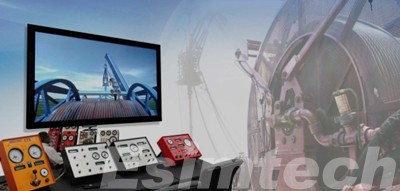
Training simulators create realistic equipment environments that enable trainees to practice operational tasks. The system uses control panels and valves and instrumentation equipment to create an authentic field system environment which allows trainees to practice real operational tasks. The immersive environment establishes a connection between theoretical knowledge and actual operational practices.
Scenario-based training
Simulation systems enable instructors to develop multiple operational scenarios, which include
- compressor start-up and shutdown
- pipeline transportation operations
- pig launching and receiving procedures
- abnormal pipeline pressure conditions
- equipment malfunction or system disturbances
The training scenarios enable operators to practice problem identification and solution implementation.
Key Benefits of Using Oil and Gas Simulation Software for Pipeline Operators
The energy companies and educational institutions benefit from the oil and gas simulator, which they use to train pipeline operators.
- Improved Safety: Simulators enable operators to train for hazardous situations through virtual exercises, keeping both staff and machinery safe from harm. This is especially important in high-pressure pipeline environments.
- Faster Skill Development: Operators achieve faster equipment and system comprehension through practical training than they do through traditional classroom learning.
- Lower Training Costs: Training expenses decrease because simulation training eliminates most equipment requirements for fieldwork and reduces training-related operational errors.
- Standardized Training Programs: The oil and gas simulation software platform enables companies with multiple facilities to deliver standardized training programs that employees can access across different training sites.
Practical Training Scenarios in Pipeline Simulation Systems
The training simulator for pipeline operations enables instructors to create multiple operational scenarios that accurately replicate real pipeline transportation conditions. The advanced oil and gas simulation software enables trainees to practice both standard operations and uncommon situations that require precise operational responses.
Pipeline Startup and Shutdown Procedures
The system’s fundamental training function enables operators to learn to start and stop pipeline operations. Operators must follow strict procedures when bringing pumps, compressors, and valves online to avoid pressure surges or flow instability. The oil and gas simulator allows trainees to practice procedures multiple times while tracking how pressure, temperature, and flow conditions change throughout the pipeline system.
Monitoring and Controlling Pipeline Operations
Simulation systems enable operators to acquire the skills needed for real-time monitoring and control of operational parameters. The training program provides participants with practical experience through control interface systems that mimic actual control room equipment. The hands-on training program enables operators to learn how system adjustments impact the performance of the transportation network.
Responding to Abnormal Operating Conditions
One of the most valuable aspects of simulation in oil and gas industry training is its ability to recreate abnormal operating conditions safely. Instructors can introduce situations such as pressure fluctuations, equipment malfunctions, or unexpected flow changes. The trainees need to analyze the system data to identify the root cause and choose the appropriate approach to address it.
Operators improve their decision-making through practice in realistic simulation environments, which also helps them develop the confidence to operate complex pipeline systems safely and efficiently.
The Future of Pipeline Training in the Oil and Gas Industry
As pipeline networks become more complex and highly automated, training methods in the oil and gas industry are also evolving. Modern oil and gas simulators are no longer limited to basic process demonstrations. Today’s advanced oil and gas simulation software can replicate complete gathering and transportation systems, allowing operators to train in realistic environments that reflect actual field conditions.
At Esimtech, our oil and gas simulator solutions replicate real pipeline systems, equipment operations, and control interfaces, providing a fully immersive training experience.
If you are interested in oil and gas simulators, please get in touch with us.
Request a free demo today and see how our simulation software can transform your pipeline operator training programs.