How to Prevent Oil Spills During Transportation

Written By: Computer Science Professor
Deeply rooted in the R&D of simulators for the oil and gas industry, committed to bringing safety to every oil worker.
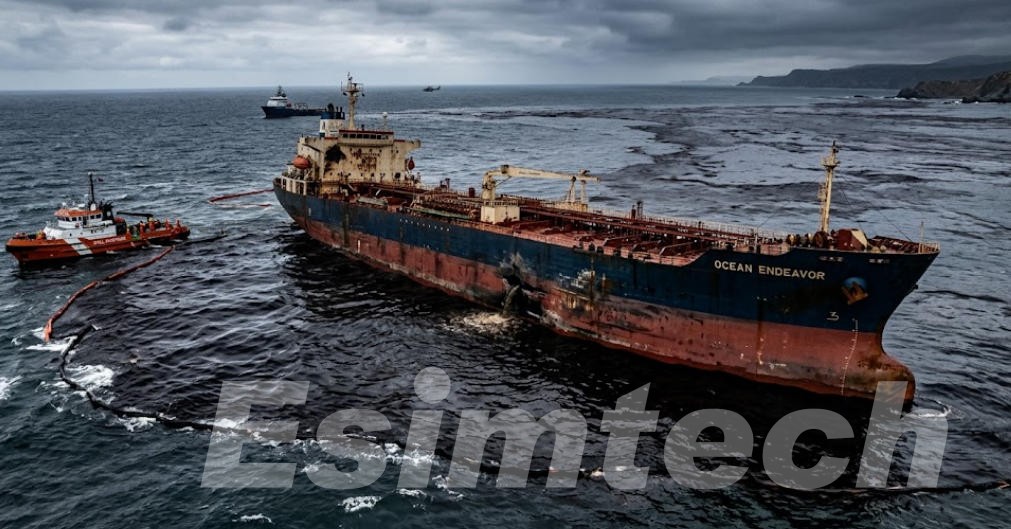
Oil transportation across long distances before it reaches consumers. That process links oil fields, refineries, storage sites and end users. However, crude and finished oil don’t transport without risk. Pipelines, tank trucks, rail tank cars, and oil tankers all carry their own hazards. Equipment failures, human errors, poor maintenance, and accidents can cause oil spills. When that happens, oil can spill into the air and water. The results include harm to nature, financial losses and safety hazards.
Preventing oil spills during transportation needs reliable equipment, regular inspections, effective operating procedures, hands-on training, and an emergency plan that people can actually follow. When transport operators review likely failure points and put suitable controls in place, they can run more safely, reduce damage and keep efficient oil transportation operations.
Understanding the Main Causes of Oil Spills During Transportation
Different oil transportation methods face different risks, but several common factors contribute to oil leakage and accidental releases.
| Main Cause | Description | Potential Consequences |
| Equipment Failure | Damaged pipelines, defective valves, worn seals, and leaking hoses allow oil to escape. | Oil leakage, environmental pollution, and product loss. |
| Corrosion and Material Degradation | Long-term exposure to moisture, chemicals, and harsh environments weakens pipes and tanks. | Cracks, pipe ruptures, and tank leaks. |
| Human Error | Incorrect valve operation, improper connections, and failure to follow procedures cause accidental releases. | Oil spills during transportation, loading, or unloading. |
| Vehicle and Vessel Accidents | Truck collisions, train derailments, and marine vessel accidents damage oil containment systems. | Large spills, fires, and environmental damage. |
| Overfilling During Loading | Insufficient tank capacity checks or faulty level indicators cause oil to overflow. | Oil leakage at terminals and transfer facilities. |
| Extreme Weather Conditions | Storms, flooding, strong winds, and rough seas affect transportation equipment and stability. | Equipment damage, accidents, and uncontrolled oil releases. |
| Excessive Pressure | Operating pipelines or transfer systems beyond their safe pressure limits can cause component failure. | Pipeline ruptures and sudden oil discharge. |
| Poor Maintenance | Inadequate inspections and delayed repairs allow minor defects to develop into serious failures. | Unexpected equipment breakdowns and oil spills. |
| Improper Loading and Unloading | Loose couplings, damaged hoses, and incorrect transfer procedures lead to leaks. | Localized spills, fire hazards, and product waste. |
| Inadequate Leak Detection | Faulty sensors or insufficient monitoring delay the identification of oil leaks. | Larger spill volumes and more extensive environmental contamination. |
Key Strategies for Preventing Oil Spills During Transportation
1. Use High-Quality Transportation Equipment
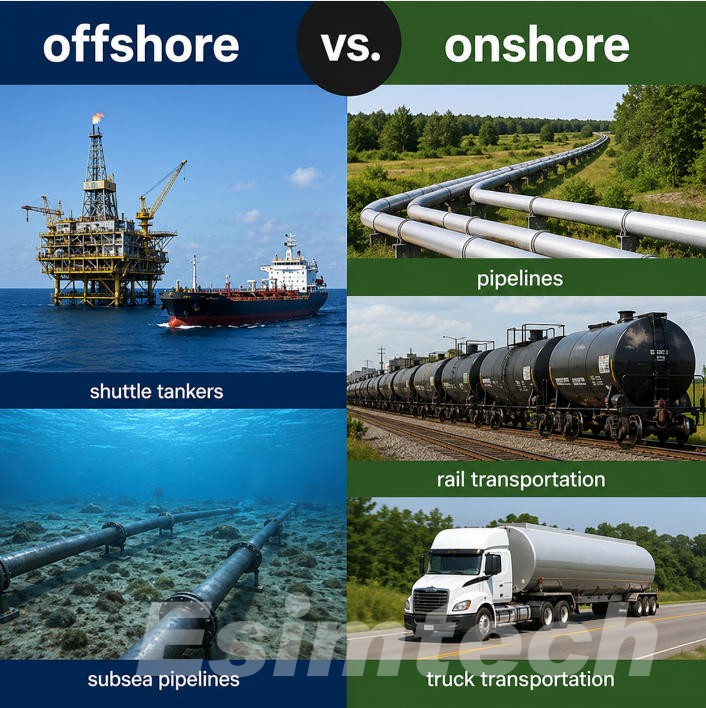
Reliable equipment matters a lot for spill prevention. Pipelines, tank trucks, rail tank cars, and tankers need to match what they carry and how they will be used. That means matching the oil type, the expected pressure and heat, the length of the trip, and the local climate and soil conditions.
Common Oil Transportation Equipment
| Equipment Type | Key Features | Main Applications | Role in Preventing Oil Spills |
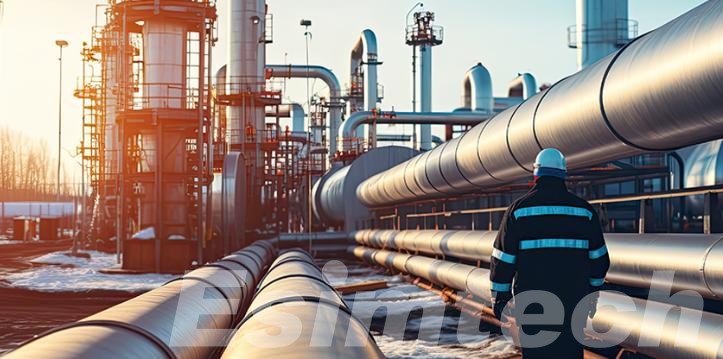
| Pipelines | Corrosion-resistant materials, high-pressure design, durable joints, protective coatings | Long-distance crude oil and refined petroleum transportation | Reduces leakage risks through reliable pipeline construction, corrosion protection, and integrity monitoring |
| Oil Tank Trucks | Reinforced tank bodies, secure valves, reliable seals, overfill protection | Road transportation of fuel and petroleum products | Helps prevent leaks during transit, loading, and unloading |
| Rail Tank Cars | Robust tank construction, secure closures, pressure-relief devices, protected fittings | Bulk oil transportation over long distances by rail | Minimizes the risk of product release caused by equipment damage and transfer-system failures |
| Oil Tankers | Strong hull structures, cargo containment systems, reliable pumping equipment, double-hull protection where applicable | Marine transportation of crude oil and petroleum products | Reduces cargo leakage risks associated with certain types of hull damage and equipment failures |
| Oil Storage and Buffer Tanks | Leak-resistant construction, level monitoring, secondary containment where required | Refineries, distribution centers, ports, and transportation terminals | Helps prevent overflows and limits the spread of leaked oil |
High-quality oil transportation equipment is essential for reducing leakage risks and improving operational safety. However, equipment quality alone cannot eliminate oil spills. Effective prevention also depends on correct installation, regular inspection, preventive maintenance, operator training, and reliable leak detection and emergency shutdown procedures.
Selecting reliable equipment is not the end. The parts still must be fitted correctly, used within the allowed range, and checked over the full time they are in service.
2. Conduct Regular Inspections and Preventive Maintenance
Routine inspections can catch trouble early. Waiting until a failure occurs is the worst option. Transport operators should plan upkeep tasks using the actual equipment condition, past operating events, guidance from the maker, and rules required by law.
For pipeline inspection, teams should look for corrosion and for pressure shifts that do not make sense. They should also watch wall thickness and check joint condition. Ground movement matters too, so sites need to be reviewed for signs of change. How inspections are done can vary. Some systems use inline tools, ultrasonic testing, or pressure monitoring. Others rely on outside checks that are careful and repeated.
Tank trucks and rail tank cars need checks for tank damage, leaking valves, worn seals, loose fittings, and safety devices that do not work right. When oil is about to be loaded or unloaded, workers should look closely at hoses, couplings, pumps, and the transfer links. They should confirm everything is working as it should.
For oil tankers, hull checks should be done on a regular basis. Cargo systems also need maintenance. Pumps and transfer gear should be inspected before work starts. If a part is hurt or unreliable, it should be fixed or swapped out before continuing.
Preventive upkeep should include solid inspection notes. Keeping records of equipment status, repairs, and repeat trouble spots can help operators see trends. That can support better long-term performance.
3. Implement Effective Oil Leak Detection Systems
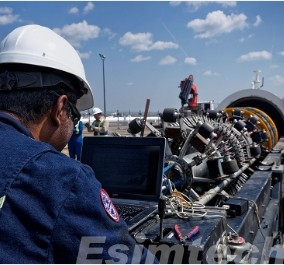
Detecting leaks early can cut down the amount of oil that escapes in an incident. With newer monitoring tools, operators can spot unusual conditions, find where a leak might be, and act fast. The goal is to stop a small issue from turning into a large spill.
Pipeline systems may use pressure and flow checks, leak detection math tools, distributed sensing, and automatic alarms. If the readings no longer match what is expected, alarms can warn staff to look into it. Still, how well it performs depends on the design, site operating setup, sensor reliability, and how alarms are set up.
Tank trucks, rail tank cars, and marine vessels can also use the right monitoring gear. This may include tank-level indicators, leak sensors, and set inspection steps. During loading and unloading, staff should watch transfer rates, tank levels, pressure, and connection points without stopping.
Automated shutoff valves and emergency shutdown systems can help isolate affected sections or stop the transfer of oil when a serious abnormal condition is detected. These systems should be tested regularly to confirm that they operate as intended.
Technology alone is not enough. Operators must establish clear alarm-response procedures and ensure that personnel can quickly investigate suspected leaks and take appropriate action.
4. Follow Safe Loading and Unloading Procedures
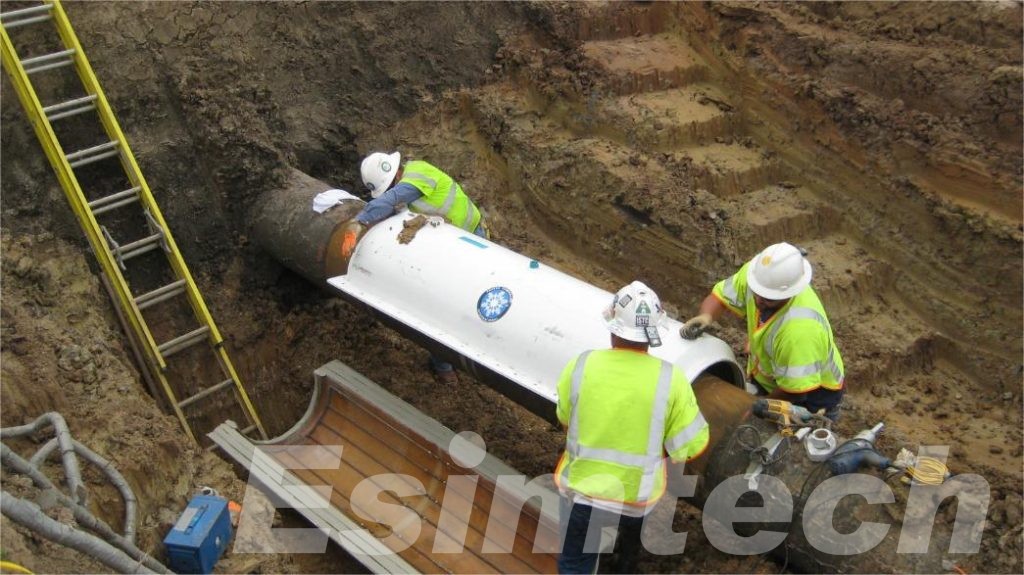
Loading and unloading are high-risk moments in oil transport. This is because tanks, pipelines, pumps, and hoses connect directly during the work. If procedures are wrong, or equipment fails, spills can start fast.
Before transferring oil, workers should confirm the product is the right one. They should also check that the receiving tank has enough empty space. Next, they must inspect the transfer equipment. They also need to verify the correct valves and connections are used. The hoses and couplings must match the oil type, expected pressure, temperature limits, and the flow rate planned for the job.
Operators need to use overfill control, continuous level checks, and clear communication during transfers. Flow rates must stay inside the limits set for both the equipment and the receiving system. When the job calls for it, use bonding and grounding steps to reduce static buildup risk while moving flammable petroleum.
While pumping, trained staff should watch the transfer closely. They must be ready to stop the flow right away if they see leaks, signs of overfilling, abnormal pressure, or any other unsafe condition. After the transfer, isolate the system in a safe way. Then deal with leftover oil in hoses and fittings, close and secure valves and caps, and check the area for any sign of leakage.
Using the same steps each time helps cut down spills tied to rushed actions, poor coordination, or using the wrong equipment.
5. Train Personnel in Oil Spill Prevention
People strongly affect oil transportation safety. Even if the equipment is well built, an oil spill can still happen when staff do not know the steps or cannot spot warning signs in time.
Oil transportation safety training should include loading and unloading securely, routine checks of equipment, how to operate valves, how to spot leaks, what to do for emergency shutdown, and how to use protective gear correctly. Drivers, pipeline operators, terminal staff, vessel crews, and maintenance technicians should get instruction that matches their specific duties.
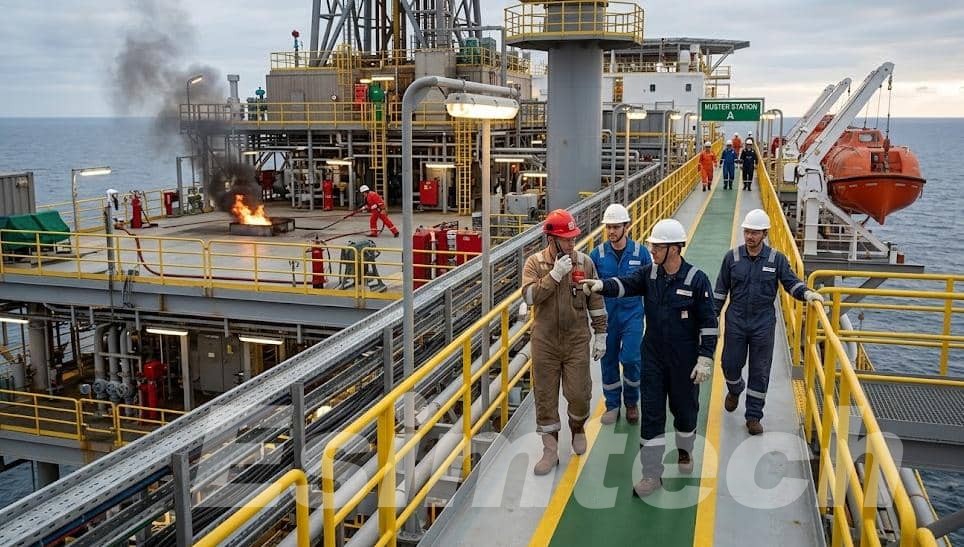
Practice sessions matter too. Staff should run drills for hose failure, pipeline leaks, vehicle crashes, tank overfills, and other spill events that can realistically occur. These exercises help workers learn what they must do, share information clearly, and react quickly even when conditions feel tense.
Organizations should also push staff to report broken equipment, unsafe work areas, and near-miss events. A solid safety culture views these reports as a chance to tighten up the process, not as a reason to blame someone.
6. Apply Proper Transportation Planning and Risk Management
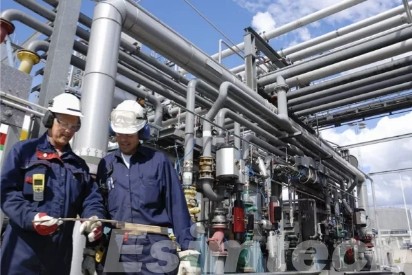
Careful transportation planning lowers both the chance of an oil spill and the harm that can follow. Before moving petroleum products, operators should review travel routes, limits of the equipment, weather and site conditions, and areas nearby that could be affected.
For road moves, route planning should take into account road surface issues, bridge limits, traffic flow, weather forecasts, and whether the chosen roads are suitable for hazardous cargo. Drivers should be trained for the route, follow speed limits, and keep safe distances from the vehicles ahead.
For rail, operators should maintain track systems, watch equipment condition, and use the established rules for hazardous materials. For marine work, operators should account for weather forecasts, navigation hazards, vessel condition, and make sure cargo-transfer arrangements are done safely.
Pipeline operators need to check possible threats. Examples are corrosion, digging damage, weak ground, floods, and access by unauthorized people. Protective steps can include route checks, clear warning signs, physical fences or barriers, and better coordination with nearby work sites.
Risk reviews should look at more than the odds of a spill. They should also cover what the spill could do to the environment and to costs. After that, transport routes and daily operating steps can be changed to lower exposure when conditions are risky.
7. Prepare an Effective Oil Spill Emergency Response Plan
Even with strong prevention steps, spills can still happen. No transport system can promise zero incidents. A solid transportation emergency plan can cut the harm when controls do not stop a release.
The plan should name who handles each task. This includes staff for reporting, isolating, containing, and cleaning up. It should also list emergency call details, how to notify others, and how to get to response tools in time. Plans should show who to contact, plus how to coordinate with agencies and local emergency services.
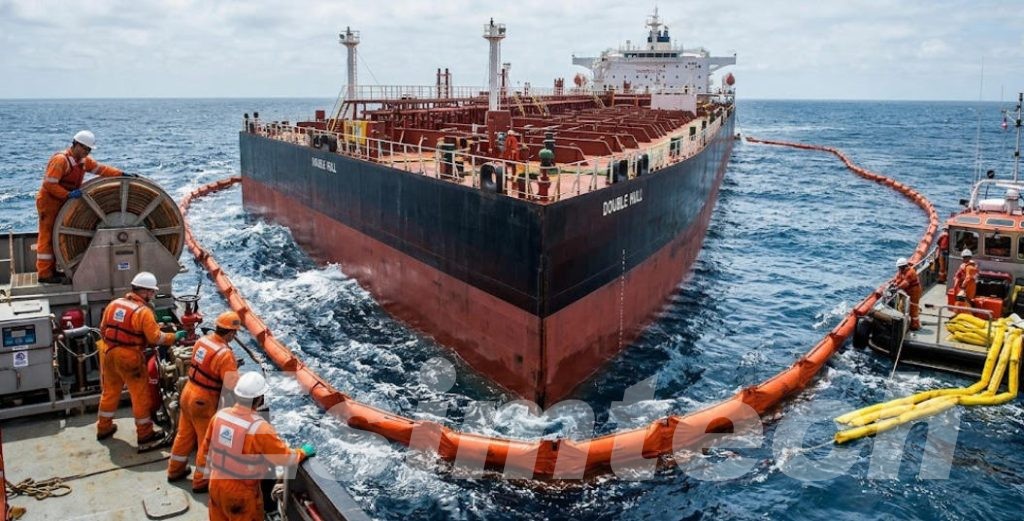
Response supplies may vary by transport type and site. Common items include absorbent pads, containment booms, covers for drains, temporary barriers, recovery pumps, and proper personal protective gear. Work done on water may call for special oil skimming and containment gear made for the conditions there.
When a spill happens, the first goal is to keep people safe and to stop more release if it is safe to do so. Staff should start the right shutdown steps, block off the area, alert the response group, and meet the required reporting rules. Cleanup and control work must take into account fire risk, explosion risk, toxic vapors, and other dangers tied to petroleum.
Practice drills matter. Equipment should be checked often. The plan should be reviewed from time to time so it stays useful as operations and risks shift.
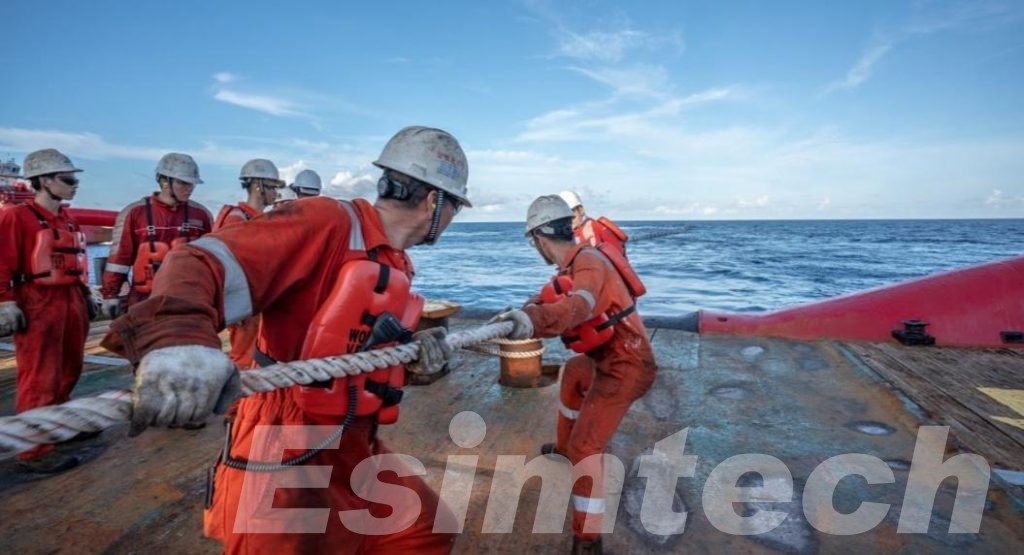
8. Monitor Environmental Conditions and Protect Sensitive Areas
Weather and site conditions can affect both the chance of a spill and how bad it becomes. Heavy rain and flooding may damage pipelines, loosen supports, or push spilled oil into streams and drains. Rough water and strong storms can slow marine work and make containment harder.
Transport staff should review weather forecasts and local environmental alerts before operations begin and again during the work. If conditions go beyond set safety limits, then loading, unloading, or transport should be held back, limited, or stopped based on what fits the situation.
Operators should also look for nearby rivers, marshes, shoreline areas, sources of drinking water, and other places that are easily harmed. What preventive steps make sense depends on the location. Common options are backup containment, cutting off drainage paths, physical shields, and spill tools placed in useful spots.
Oil transportation environmental monitoring and planning let operators choose the right safeguards. This lowers the chance that a spill will move into sensitive habitats.

9. Comply with Oil Transportation Safety Regulations
Following oil transportation safety regulations is a key part of stopping oil spills. The exact duties differ based on the nation, the way oil is moved, the product, and how large the operation is.
Operators need to find the rules that apply to pipeline condition, movement of hazardous goods, tanker build standards, loading and transfer work, checks on equipment, incident notifications, and emergency actions. They must also keep the required files, training proof, upkeep notes, and inspection records.
Work across borders can add extra duties. For instance, the International Convention for the Prevention of Pollution from Ships, called MARPOL, covers pollution from ships, which includes oil-related pollution. Pipeline, road, and rail work follow separate rule systems based on local law.
Doing compliance reviews on a regular basis can show weak points. These can be found in written steps, training coverage, equipment upkeep, and emergency readiness. Fixing those weak points improves day-to-day safety and cuts down on spills that could have been prevented.
The Role of Petroleum Simulators in Preventing Oil Spills During Transportation
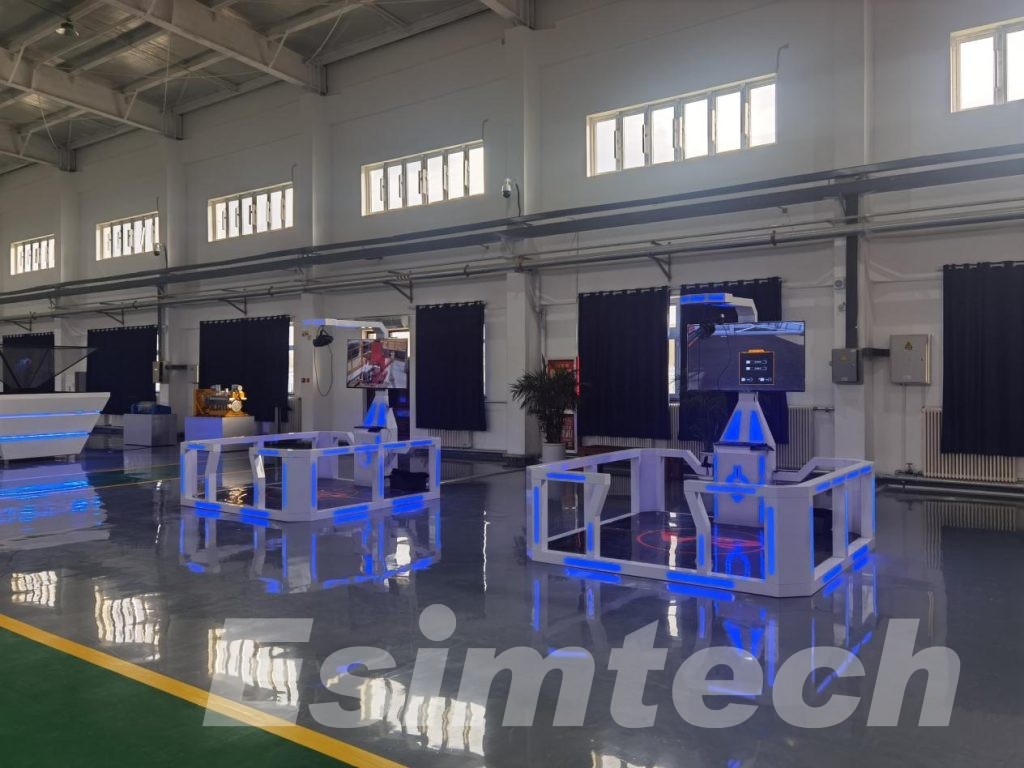
Petroleum simulators support oil spill prevention by allowing operators to practice safe transportation procedures, analyze equipment failures, evaluate leakage scenarios, and prepare for emergencies in a controlled environment. Their greatest value comes when simulation-based training and risk analysis are combined with real-world equipment inspections, leak detection systems, preventive maintenance, and established safety procedures.
| Type of Petroleum Simulator | How It Works | Role in Oil Spill Prevention | Main Applications |
| Pipeline Operation Simulator | Simulates pipeline pressure, flow rates, temperature, and operating conditions. | Helps operators recognize abnormal conditions and understand scenarios that could lead to leaks or pipeline ruptures. | Crude oil pipelines, refined oil transportation networks |
| Pipeline Leak Simulation System | Recreates pipeline leakage scenarios and analyzes changes in pressure and flow. | Helps improve leak detection strategies, alarm responses, and emergency shutdown procedures. | Long-distance pipelines, pumping stations |
| Oil Transportation Process Simulator | Models oil movement between production facilities, storage terminals, refineries, and distribution points. | Identifies operational risks during transportation and transfer between facilities. | Oil logistics, terminal operations, distribution networks |
| Tanker Operation Simulator | Simulates vessel navigation, cargo handling, and shipboard operating procedures. | Trains crews to manage challenging conditions and reduce collision, grounding, and cargo-handling risks. | Oil tankers, marine petroleum transportation |
| Oil Loading and Unloading Simulator | Simulates pump operation, valve sequences, transfer rates, and tank levels. | Helps prevent overfilling, incorrect valve operation, and transfer-line failures. | Ports, refineries, oil terminals |
| Emergency Response Simulator | Recreates oil spills, equipment failures, and emergency operating conditions. | Allows operators to practice shutdowns, incident reporting, containment coordination, and response decisions. | Pipeline control rooms, terminals, marine facilities |
| Petroleum Equipment Failure Simulator | Models equipment malfunctions involving pumps, valves, seals, and other critical components. | Helps personnel understand failure mechanisms and recognize warning signs before an incident occurs. | Pumping stations, pipeline facilities, cargo transfer systems |
| Digital Twin-Based Petroleum Simulator | Creates a virtual model of an actual transportation system using engineering information and, where available, live operational data. | Supports condition assessment, abnormal-operation analysis, and predictive maintenance planning. | Pipeline networks, storage tanks, transportation infrastructure |
| Petroleum Transportation Risk Simulator | Evaluates potential accidents, failure probabilities, and possible environmental consequences. | Helps operators prioritize high-risk locations and develop targeted prevention measures. | Pipeline route planning, road and rail transportation, marine logistics |
| Petroleum Safety Training Simulator | Provides a virtual environment for practicing routine operations and responding to abnormal situations. | Improves operator competence, procedural compliance, and decision-making without exposing personnel or the environment to real spill hazards. | Petroleum engineering training centers, oil companies, terminal operations |
Final Words
working together. This includes choosing the right equipment, checking it, maintaining it, monitoring conditions, operational procedures, personnel training, and emergency preparedness. No matter whether oil is transported by pipeline, tank truck, rail car, or marine vessels, each stage of the transportation process needs careful control. Safety and environmental protection should guide decisions at every stage.
Transportation operators can lower oil spill risk and limit the consequences of unexpected incidents by using dependable equipment, detecting leaks early, following safe loading and unloading methods, planning transportation routes carefully, and maintaining effective emergency response capabilities.
A proactive approach works better than cleaning up after a spill has occurred. When prevention is integrated into routine work, it helps protect workers, preserve the environment, reduce financial losses, and support safer, steadier oil transportation.