What Equipment Does a Petroleum Engineering Training Center Need?

Written By: Computer Science Professor
Deeply rooted in the R&D of simulators for the oil and gas industry, committed to bringing safety to every oil worker.
Establishing a petroleum engineering training center requires a reasonable allocation of simulation systems, teaching tools, and supporting facilities. The required equipment depends on the training objectives, the size of the trainees, the available space, and the budget.
For universities, vocational schools, and oil and gas enterprises, the key equipment usually includes drilling simulators, well control simulators, oil production training systems, and supporting software. This guide will introduce various key equipment and guide you on how to select the most suitable configuration plan for the training center.

Drilling Simulation Training Equipment
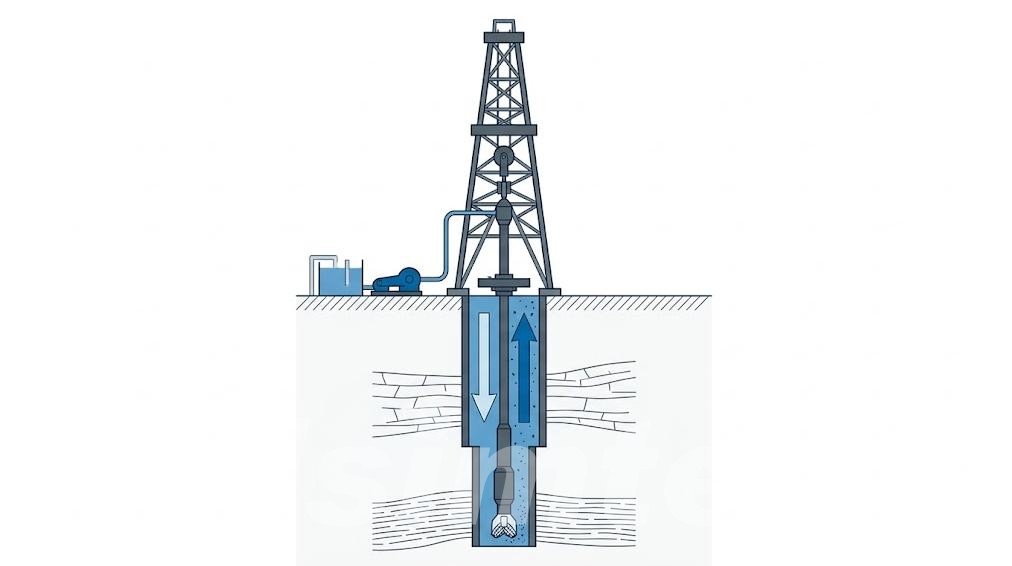
The drilling simulator is of vital importance for training drilling operation personnel. It enables personnel to practice without incurring the risks and high costs associated with actual drilling platform operations. Through the simulator, trainees can practice operating procedures, monitor drilling parameters, and handle various operational conditions.
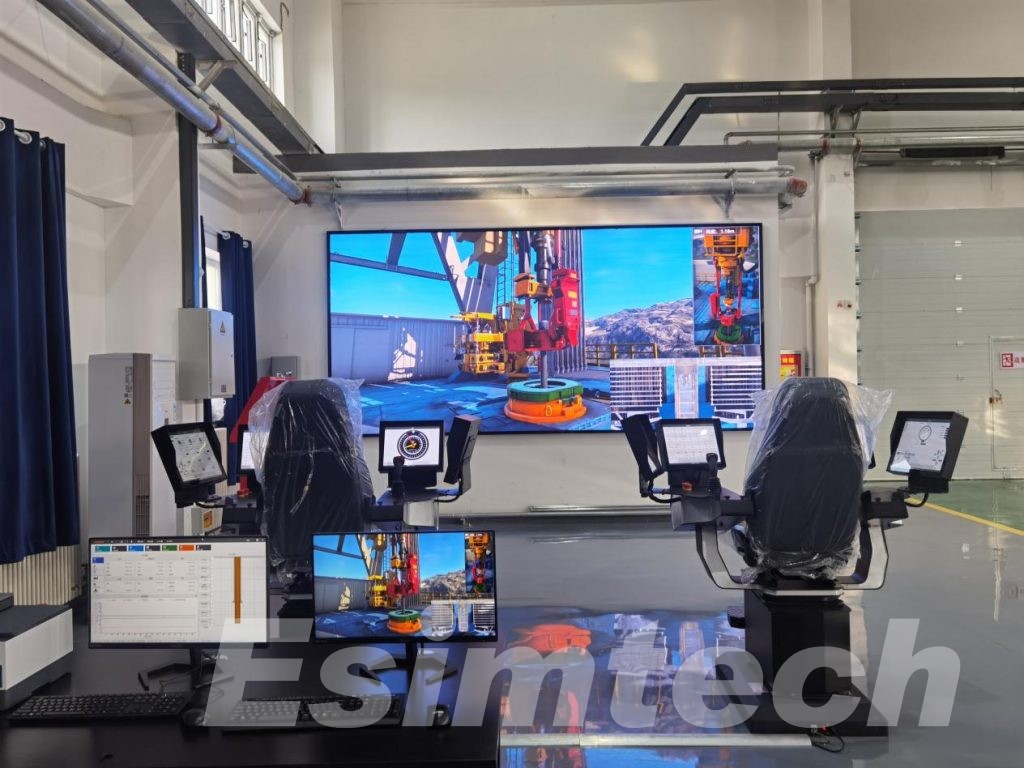
Key equipment typically includes:
- Drilling simulator: Used to train operators to monitor drilling parameters, manage drilling operations, and handle simulated downhole conditions.
- Top drive simulator: Helps trainees become familiar with top drive operations and related drilling process flows.
- Drilling operation control system: Provides a realistic control interface for trainees to practice making operation decisions.
When purchasing drilling simulation equipment, one should consider the coverage of training scenarios, the realism of the control interface, the instructor monitoring function, and the number of trainees that can practice simultaneously.
Well Control and Blowout Prevention Training Equipment
Well control training is another important component in petroleum engineering education. Trainees need to learn to identify abnormal conditions in the well, monitor pressure changes, and practice corresponding well control operation procedures.
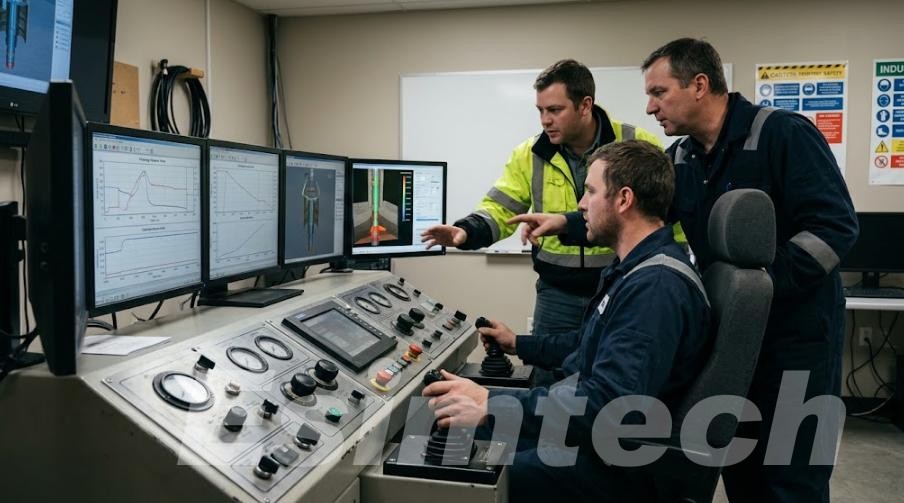
Well-equipped training centers usually have the following facilities:
- Well control simulator: Used to simulate various well control scenarios for trainees to practice decision-making and operation procedures.
- BOP simulation system: Helps trainees become familiar with the operation of BOPs and related control procedures.
- Flow control console: Supports training on the operation of flow control valves and pressure management.
- Instructor control console: Provides instructors with the ability to set simulation scenarios, monitor trainees’ performance, and evaluate training results with system support.
The main considerations for equipment selection should include the coverage of scenarios, pressure simulation capabilities, instructor control functions, and evaluation functions. The selected equipment should be matched with the training level and job responsibilities of the target trainees.
If you need professional well control training equipment, please feel free to learn more about ESIMTECH well control simulators.
Oil and Gas Production Training Equipment
In addition to drilling technology, students and industry professionals in petroleum engineering often need to receive training in oil and gas production operations. Relevant production equipment helps trainees understand the operation mechanism of the production system and how operating conditions affect system performance.
Depending on the curriculum, training centers may need to be equipped with the following equipment:
- Production simulation system: Used for practicing monitoring the production process and learning how to deal with changing working conditions.
- Manual lifting training module: Introduces the working principles and performance considerations of various manual lifting technologies.
- Oil and gas gathering and processing training systems: Helps trainees understand the production process and related process operations.
- Production monitoring tools: Assist in teaching, guiding trainees to interpret operating parameters and identify abnormal working conditions.
Before purchasing these systems, it is necessary to review the planned courses and clearly define the production processes that trainees must master. University laboratories may focus more on the wide coverage of technical knowledge, while enterprise training centers may pay more attention to specific practical tasks.
Choosing equipment based on actual learning goals can avoid unnecessary purchases and make better use of the existing training space.
Geological Models, Software, and Supporting Teaching Tools
The simulation system is just one component of the comprehensive petroleum engineering training center; the accompanying tools help to integrate theoretical knowledge with practical operations.
Depending on the specific training program, the required resources may include geological and wellbore models, engineering software, student workstations, projection equipment, and instructor computers.
These tools can help students visually understand the underground strata, master the wellbore structure, analyze engineering data, and review simulated operating conditions.
When planning this area, priority should be given to its compatibility with the main training system and teaching content. At the same time, it is necessary to ensure a reasonable spatial layout, leaving sufficient space for instructors, students, equipment installation, and collaborative learning.
It is not necessary to purchase all available tools at once. Instead, the core course resources should be configured first, and the facility configuration should be gradually expanded according to the evolution of training needs.
How to Choose the Right Equipment for Your Training Center
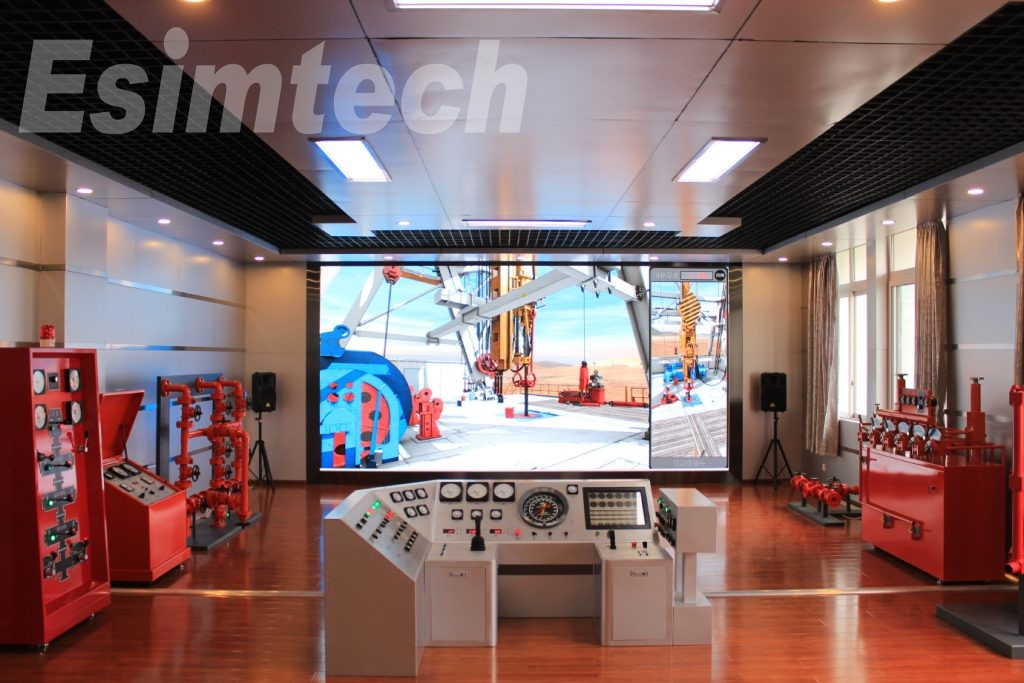
Selecting equipment is not merely about purchasing as many simulators as possible; the goal is to create a training environment that meets both teaching requirements and practical operational needs within the given budget.
Before making the purchasing decision, consider the following four factors:
- Training objectives: Determine whether the focus of the center is on higher education, vocational training, drilling operations, well control, or production engineering. This will determine which systems should be prioritized for configuration.
- Student size: Estimate the number of students in each batch and determine whether single-person workstations, group training models, or a combination of multiple simulation systems are needed.
- Budget and space: Consider the equipment cost, site size, installation requirements, power supply, and subsequent maintenance expenses. When evaluating, compare complete training system configuration plans rather than considering equipment unit prices in isolation.
- Customization and technical support: Confirm whether the supplier can adjust simulation scenarios, software modules, and system configurations according to your course system. Additionally, installation and commissioning, instructor training, and after-sales support services are also key considerations.
For many institutions, a phased implementation approach is more practical: First, configure the drilling or well control systems required for core courses, and then gradually add production training systems and supporting auxiliary tools as the training program expands.
Build a Training Center Around Your Learning Goals
The appropriate equipment configuration depends on the training content and the operation mode of the training center. Drilling simulators, well control systems, and oil production training equipment each have their specific teaching objectives, while the accompanying software and teaching tools help to create a more comprehensive teaching environment.
ESIMTECH is dedicated to providing drilling and well control simulation solutions for petroleum engineering training. Before purchasing, by clearly defining the course setup, the size of the trainees, the site conditions, and the budget, you can develop a device configuration plan that best meets your institution’s needs.
Join hands with ESIMTECH and plan your petroleum engineering training center
Whether you are looking for suitable equipment for university laboratories, enterprise training centers, or petroleum engineering education projects, please contact ESIMTECH to discuss your training goals and obtain applicable simulation solutions.