How Simulation Training Reduces Multi-Stage Fracturing Failures in Unconventional Reservoirs

Written By: Computer Science Professor
Deeply rooted in the R&D of simulators for the oil and gas industry, committed to bringing safety to every oil worker.
The multi-stage hydraulic fracturing operations for tight gas and shale gas cannot afford any mistakes. Under extremely high construction pressure, large sand volume, and complex chemical dosing systems, a momentary decision-making delay at the control console could lead to stuck drill pipes, casing deformation, or costly early sand removal accidents.
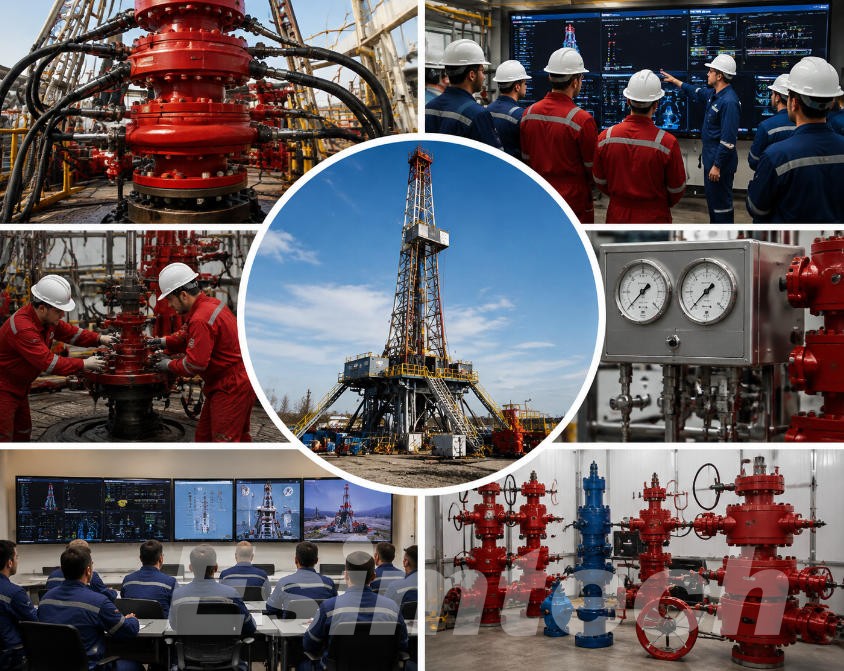
Although pump delivery automation has made significant progress, the actions of on-site personnel still determine the safety of the wellbore. Modern fracturing faces three core risks:
- Early sand removal: The premature bridging of the proppant caused the pump pressure to soar and the pipe to burst. The pump had to be stopped, and an expensive continuous tubing sand removal operation had to be carried out.
- Wellbore damage: The net pressure during construction has abnormally increased sharply, exceeding the explosive and compressive strength limits of the casing or tubing.
- Steering failure: The steering process was not properly executed, resulting in uneven crack expansion and insufficient reservoir modification.
To completely avoid these risks, top oilfield service companies and operators are accelerating the elimination of the traditional “training by doing” model. The introduction of high-fidelity, real physics-based fracturing simulators has become a key strategy for ensuring wellbore safety and eliminating non-productive time (NPT).
Why On-the-Job Fracturing Training Fails in Unconventional Plays
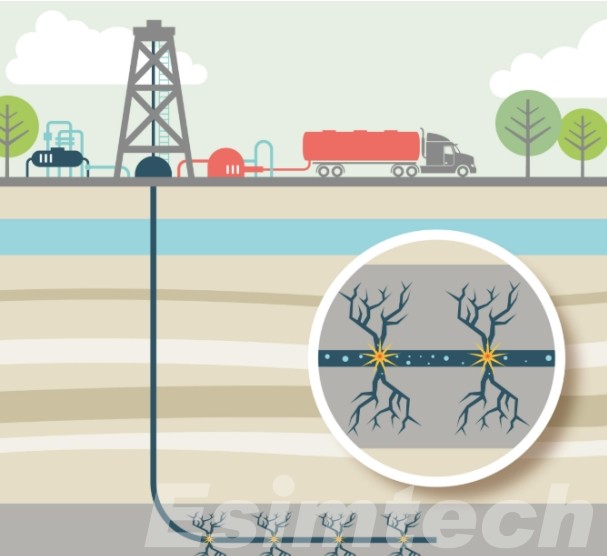
For decades, most fracturing control room operators have relied on the traditional “on-the-job mentoring” model – accumulating experience through the intense operations at the noisy well sites. This approach is still acceptable in conventional high-permeability oil reservoirs, but in the development of unconventional oil and gas reservoirs, this traditional training method is failing due to the following three major bottlenecks:
- Underground “black box” limitations
The operator sits in the fracturing vehicle, monitoring the surface pressure, slurry density and manifold data, but is unable to directly grasp the conditions at the depths of tens of thousands of feet underground. Due to a lack of profound understanding of underground fluid mechanics and fracture expansion, novices are prone to view the pressure curve as isolated data rather than a real-time reflection of geological dynamics.
- Extremely high costs and safety risks
A fracturing unit with a total power of 50,000 HHP, equipped with multiple high-pressure sanding trucks and a large amount of chemical agents, has an operating cost of tens of thousands of dollars per hour. The on-site supervisor would never allow a novice to “test” the pump speed or sand ratio on a real wellbore – any misoperation could trigger a sand blockage accident worth millions of dollars.
- Extremely short fault-tolerance window
In tight shale formations with extensive natural fractures and high tortuosity, from the occurrence of early pressure anomalies to the severe sand blockage, the time available for operators to react is often less than 60 seconds. If the operator fails to detect the minor deviations in the drilling curve within these crucial few seconds, the proppant will quickly clog the perforations, resulting in the interruption of the fracturing process.
How Fracturing Simulators Train Crews to Prevent Downhole Catastrophes
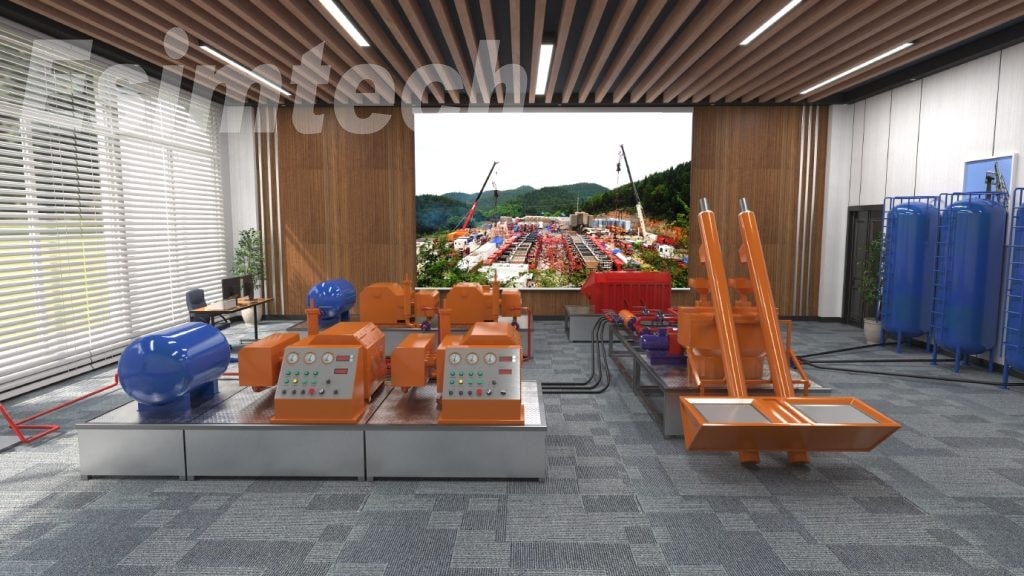
The modern hydraulic fracturing simulator has created a highly realistic virtual environment, enabling real-time interaction between physical mechanisms, fluid dynamics and on-site operations, thereby bridging this gap. The advanced simulator breaks free from the constraints of static scripts and can dynamically calculate the wellbore response based on the operator’s input, helping them handle high-risk scenarios in a risk-free environment.
Real-Time Screen-Out Early Warning & Mitigation
Loss of screening is rarely noticeable. Before that, subtle abnormalities often occur in the net pressure, instantaneous shut-in pressure (ISIP) trend, and frictional resistance. The simulator can train operators to quickly detect these early warning signals.
When severe curvature occurs in the simulated formation or the friction near the wellbore suddenly increases, the operator must promptly take mitigation measures: reduce the concentration of the proppant, pump in high-viscosity fluid or cross-linked gel to flush the wellbore, or decrease the drilling rate. Through repeated practice of these critical decisions, the operator can establish muscle memory for saving the fractured section before screen loss.
Mastering Multi-Stage Diverting Agent Management
In multi-cluster hydraulic fracturing completions, operators often use temporary plug balls or particle steering agents to facilitate uniform crack expansion. This places extremely high demands on the timing control of the operation and the pressure diagnosis.
This simulator enables trainees to inject the blocking agent plug and simultaneously monitor the pressure dynamics in real time. Trainees can precisely identify the critical point at which the temporary plug seals the target perforation – that is, the point at which a clear and controllable “pressure spike” occurs – thereby, without risking overpressure on the casing, decisively divert the fracturing fluid to the unprocessed formation.
Emergency Response & Equipment Failure Injection
The fracturing site is rarely without any hiccups. Commonly seen issues include the shutdown of the high-pressure pump, the failure of the additive pump, and leakage of iron parts. This simulator is equipped with an advanced “fault injection” module, which enables instructors to simulate various sudden engineering failures in real time without any safety risks:
- During the peak period of adding proppant and sand, the high-pressure three-cylinder pump suddenly broke down.
- The additive pump suffered from cavitation, resulting in a sudden drop in the viscosity of the fracturing fluid.
- During the high-sand concentration stage, the suction port of the sand mixer vehicle experienced a pressure drop.
The trainees can conduct targeted drills in a high-pressure real combat environment for emergency procedures such as emergency shutdown, pump switching and system flushing, transforming their stress responses into standardized and rigorous operational norms.
The Power of Hardware-in-the-Loop (HIL) Physical Controls
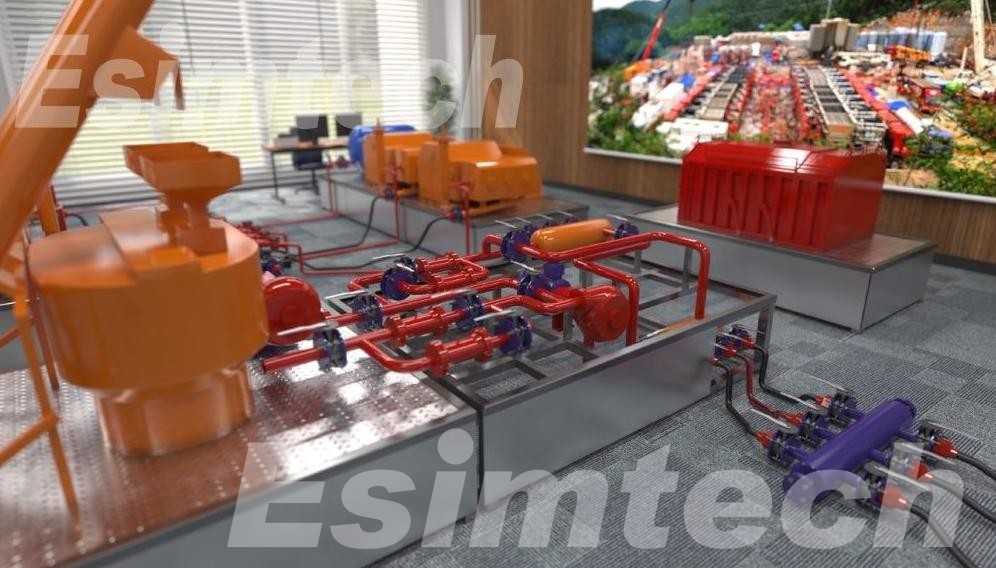
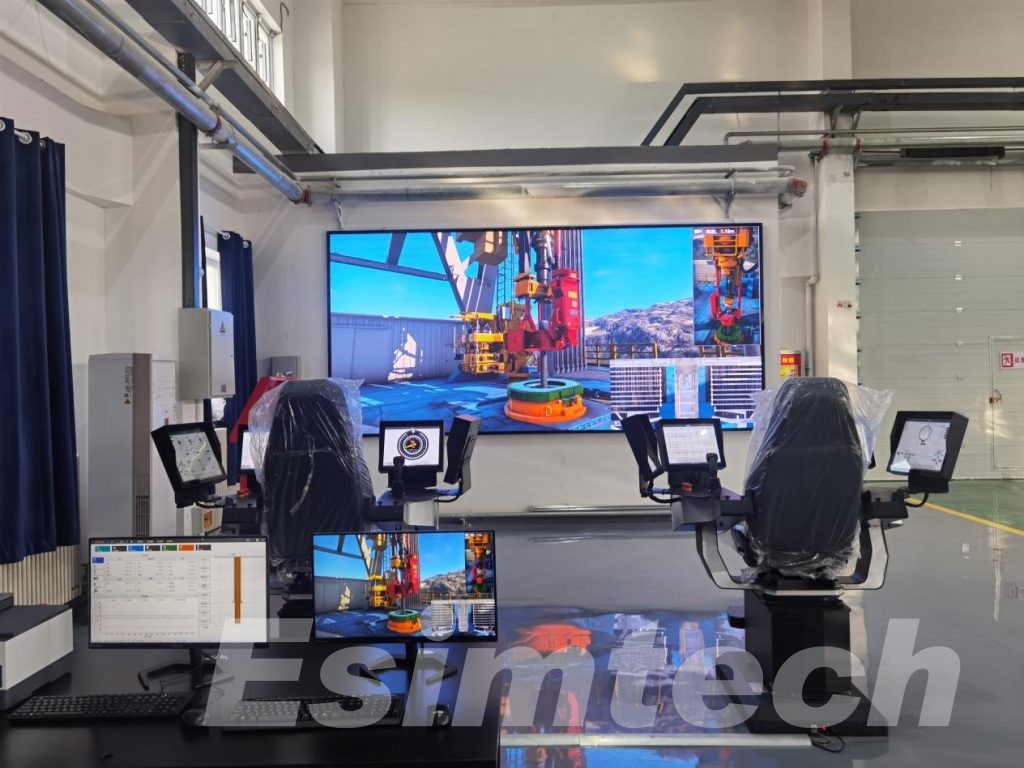
Desktop software imparts theoretical knowledge, while hardware-in-the-loop (HIL) simulation is used to build real muscle memory. By seamlessly integrating the physical control hardware with real-time hydraulic models, the HIL environment successfully bridges the gap from classroom theory to on-site practical operation.
Key Components & Capabilities
- Industrial-grade ergonomic control console: Precisely replicates the control interface of a fracturing truck, equipped with physical accelerator lever, valve switches, emergency shutdown (ESD) function, and a telemetry display in compliance with OEM standards.
- Physical-driven hydraulic engine: Based on physical control inputs, it calculates the friction force of the pipe column, changes in fluid rheology, dynamic proppant delivery, and three-dimensional fracture geometry (based on the PKN/KGD model) in real time.
- Dynamic three-dimensional downhole visualization: The traditional two-dimensional pressure and flow curve is transformed into a three-dimensional model in real time, visually presenting the expansion of fractures, the gel-breaking process, and the sedimentation distribution of the proppant in the formation.
Core Operational Impact
| Feature | Software-Only Desktop Simulation | HIL Physical Simulator |
| Learning Outcome | Conceptual understanding of pressure curves | Physical muscle memory for rapid control manipulation |
| Control Interface | Mouse and keyboard clicks | OEM-identical joysticks, switches, and physical throttles |
| Emergency Response | Delayed text/click selection | Instant physical execution of kill-switches and flush sequences |
Assessment: From Simulator Post-Mortem to Field Competency
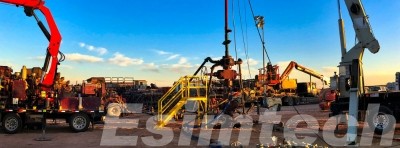
The value of the simulator goes far beyond practical drills. It transforms the assessment of operators from subjective judgment to an objective and data-driven, precise evaluation.
Objective Post-Job Debriefing
After the simulation pumping operation is completed, the instructor can conduct a detailed review using the full-process curve log. All parameters such as pressure, displacement, sweep flow rate, proppant concentration, and chemical agent dosage are synchronized with the control instructions of the operators at a millisecond level.
If any abnormalities occur during the operation, the team can immediately pause, replay and analyze the key decision-making points: Did the operator accurately detect the sudden change in pressure at the 14th minute? Was the well washing/holesweeping operation delayed? This transparent review process can transform operational mistakes into profound and lasting learning outcomes.
Quantifiable Competency Mapping
Energy companies and service providers should establish a standardized capability assessment system instead of relying on the rigid “length of service” to promote operational staff. Trainees must demonstrate clear and quantifiable operational skills in the following core areas:
- Exceptional response speed: Within 30 seconds after an unexpected surge of pressure, the corrective flushing was accurately completed.
- Execution of construction plan: When the fluid viscosity fluctuates, the sand ratio (concentration of the proppant) must be strictly controlled within the allowable error range.
- Emergency safety handling: In the event of a simulated hardware failure, complete the well control isolation procedure within the specified time in a standardized manner.
Operators must pass a specific geological simulation test before entering the high-pressure operation site. Once this is achieved, the enterprise can establish unified and objective safety and compliance standards for all operation teams.
Final
In high-cost unconventional multi-stage fracturing operations, relying on “trial-and-error” on-site training poses extremely high risks. Facing complex geological mechanics and extreme wellhead pressures, the traditional apprenticeship system is no longer capable of meeting the requirements for precise operations.
The physical engine fracturing simulator with hardware-in-the-loop (HIL) physical control provides an operationally risk-free environment for operators. Here, trainees can not only form muscle memory and master downhole pressure control, but also practice emergency response to sudden equipment failures. Integrating high-fidelity simulation training and data-based review into the talent development system helps oil and gas companies systematically reduce non-productive time (NPT), ensure wellbore integrity, and maximize the recovery rate of each fracturing section.