How to Build an Effective Well Logging Training Program for Oil & Gas Companies

Written By: Computer Science Professor
Deeply rooted in the R&D of simulators for the oil and gas industry, committed to bringing safety to every oil worker.
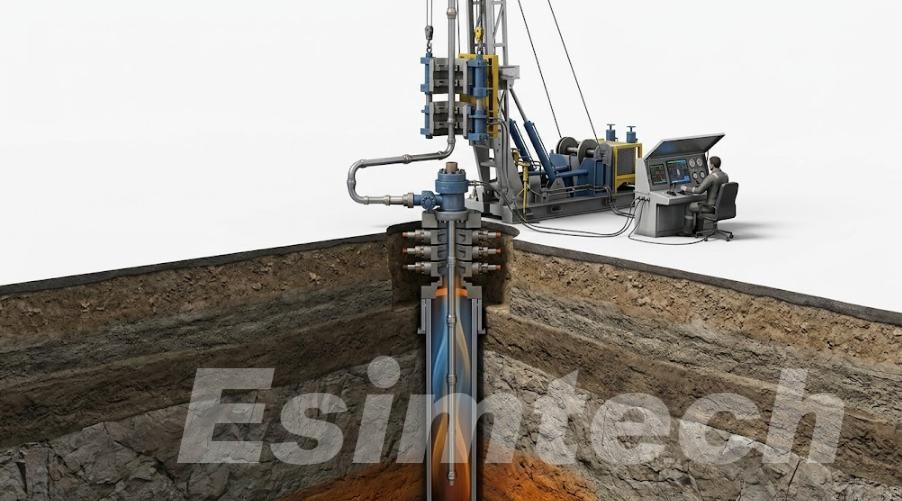
The training for underground logging personnel is not merely about teaching them how to use logging tools; it also requires them to master the logging principles, operate the equipment in accordance with the norms, accurately interpret the data, and be able to make correct judgments in emergencies. For oil and gas companies, these capabilities cannot be acquired solely through classroom teaching.
A comprehensive training program should integrate theory with practice, allowing the trainees to operate and make decisions in a controlled environment and accumulate experience from mistakes. So, how can oil and gas companies build a training program that truly enhances the operational capabilities of underground logging personnel?
Start by Defining Your Training Objectives
When formulating the training plan for well logging, the first step should be to clearly define the skills that trainees need to possess after completing the training, rather than listing the courses first. Enterprises can design the training content around the following four areas:
- Technical knowledge. Trainees need to master the principles of well logging, well formation responses, well logging tools, measurement concepts, and the main factors affecting well logging results.
- Operational skills. Theory needs to be implemented in practical operations. Trainees should master equipment operation, standard operation procedures, data collection, and the correct sequence of operations for each task.
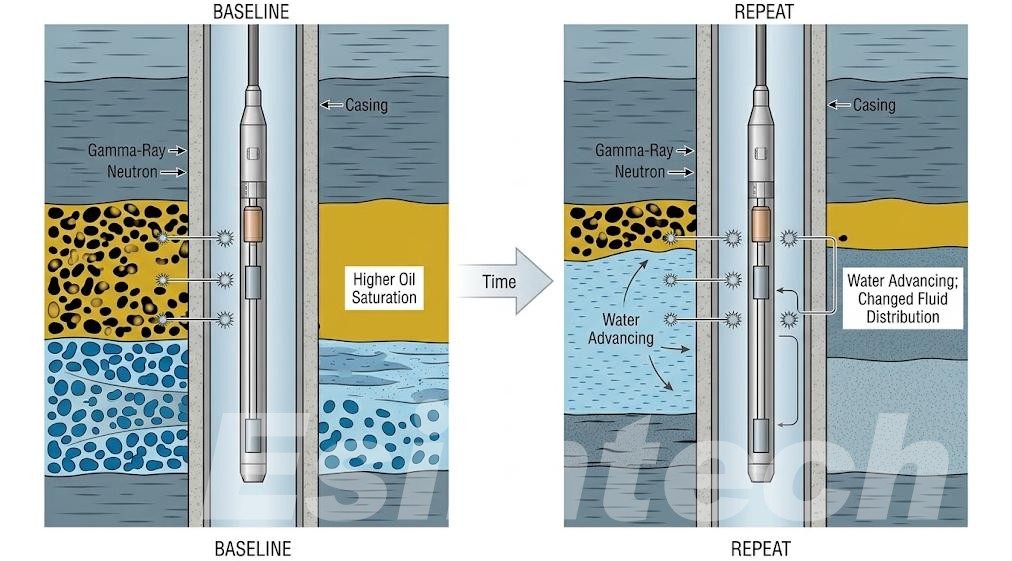
- Data interpretation. Well logging personnel also need to understand what the data represents, including interpreting well logging curves, identifying well formation characteristics and abnormal responses, and analyzing measurement results in combination with geological conditions or operation situations.
- Decision-making ability. In actual operations, situations may differ from expectations, so personnel need to have the ability to troubleshoot, evaluate anomalies, and make choices for operation responses.
From this, a clear training path can be formed:
Knowledge → Operation → Interpretation → Decision-making
After clarifying these skills, enterprises can accordingly arrange courses and practical training to make the training truly serve work performance, rather than merely completing the course outline.
Combine Theory With Realistic Practical Training
Classroom learning forms the foundation of well logging training, and the content can include well logging principles, formation evaluation, measurement concepts, well logging tools and equipment, data interpretation, and operating procedures.
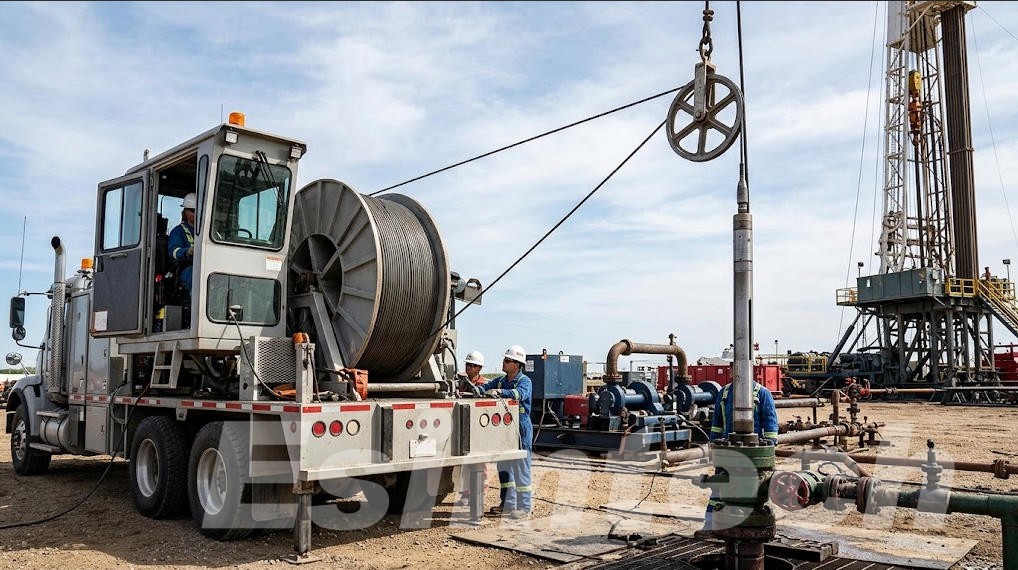
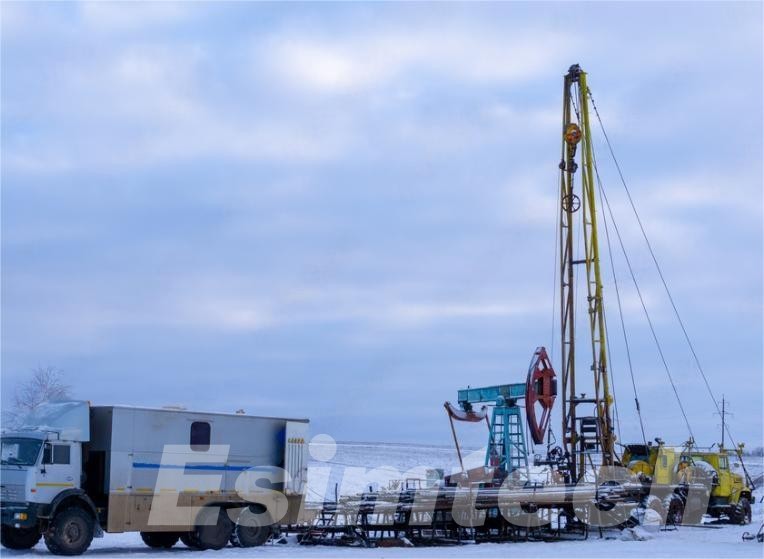
However, there is still a significant gap between understanding the system principles and operating the equipment correctly. Therefore, practical training is indispensable. Trainees need to operate the equipment in practice, familiarize themselves with the well logging workflow, collect and analyze data, interpret measurement responses, practice troubleshooting, and make operational decisions.
However, on-site practical training is often limited by various factors:
- High operational costs. Equipment, personnel, and on-site operations require a large amount of resources.
- Limited availability. Training opportunities are affected by equipment, well site progress, and operation priorities.
- Safety risks. Not all operation scenarios are suitable for recreating on-site for training purposes.
- Limited repetitive training. Trainees may lack opportunities to repeatedly practice the same procedures or scenarios.
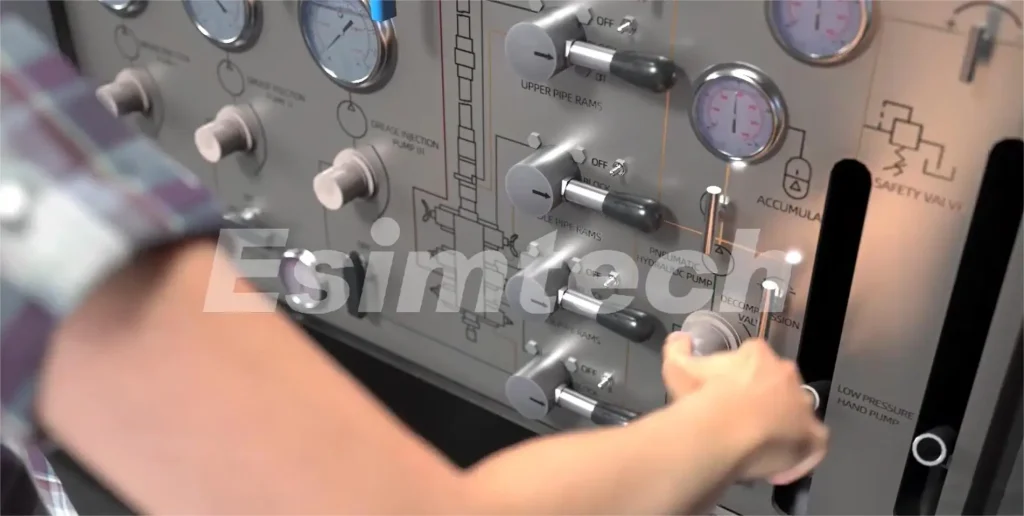
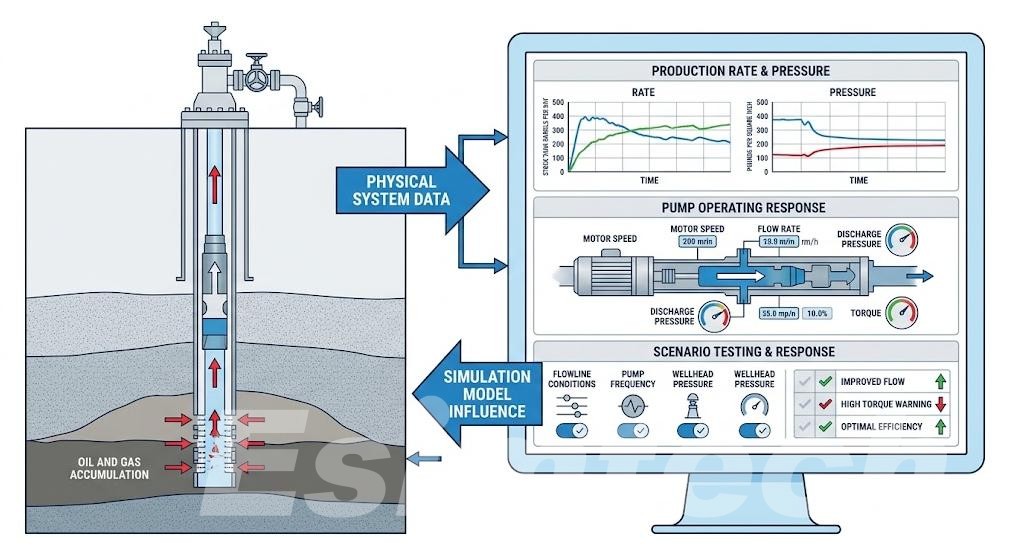
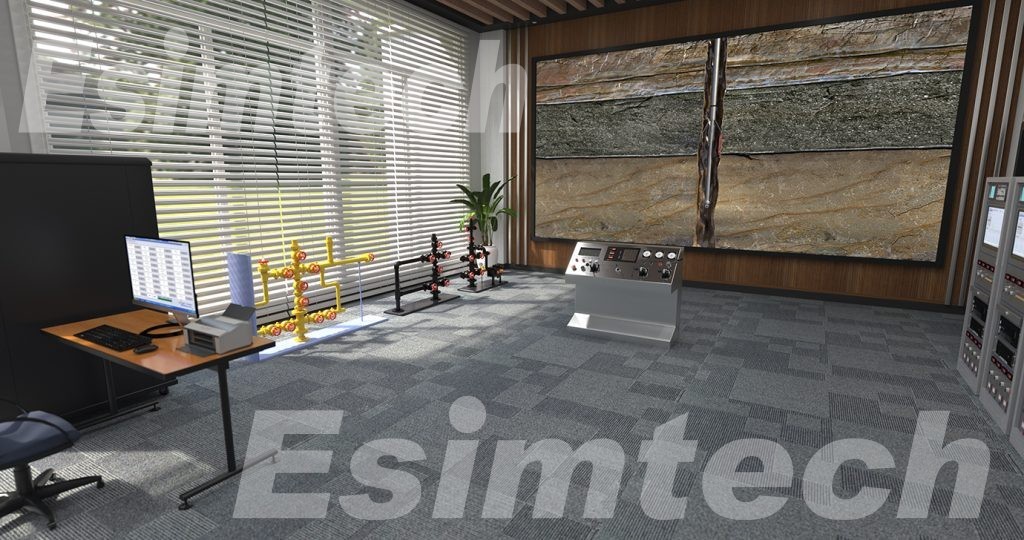
The downhole well logging simulator can effectively complement traditional training. It can provide a controllable training environment, allowing trainees to repeatedly operate simulated equipment and observe measurement responses based on different well conditions.
A high-quality simulator should not only strive for realistic graphics but also integrate equipment operation, well conditions, data responses, and personnel decisions:
Equipment operation + Well conditions + Data response + Personnel decision
This training method can connect theoretical knowledge with practical operation. Trainees can repeatedly practice, correct errors, and gradually improve their skills, preparing for more complex on-site operations.
Train for Both Routine and Abnormal Scenarios
Carrying out only routine operations is not sufficient to develop a complete well logging operation capability.
During actual operations, equipment failures, abnormal measurement responses, or changes in operating conditions may occur. Personnel need to promptly identify problems and adjust the operations. Therefore, the training plan should cover both routine and abnormal scenarios.
Regular training can help trainees master:
- Standard operating procedures
- Equipment operation
- Well logging workflow Data collection
- Basic Data Interpretation
After mastering these basics, the training can gradually incorporate equipment or sensor failures, abnormal measurement responses, operation interruptions, gas-related situations, and other abnormal or emergency conditions.
However, many abnormal situations are difficult to be artificially reproduced on-site. Creating actual operational problems for training is not only costly but also may pose safety risks.
Simulation provides a more controllable training method. The instructor can set specific scenarios and observe how the trainees identify problems, analyze information, and make decisions without affecting actual operations.
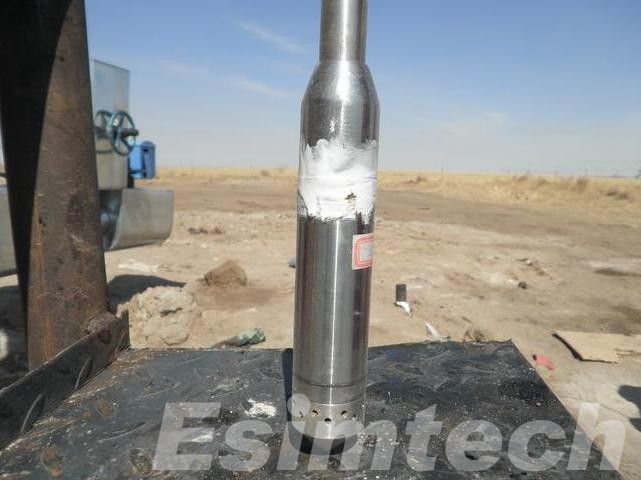
For example, the well logging simulator can simulate different well conditions and operational parameters, allowing the trainees to practice before actually encountering similar situations.
Therefore, scenario-based simulation not only trains the operational procedures but also effectively enhances the ability to troubleshoot and make decisions.
Evaluate Training Performance and Continuously Improve
The training program should not end when the trainees have completed all the courses. The enterprise also needs to confirm whether the training has truly enhanced the trainees’ knowledge and operational capabilities.
The actual assessment can be divided into three stages.
Pre-training assessment
Before the training begins, the enterprise can assess the trainees’ existing knowledge and practical experience, establish a capability benchmark, and understand:
- The knowledge already mastered
- Skills that need improvement
- Relevant work experience
- Appropriate training level
Based on the assessment results, the training content can be adjusted to reduce repetitive training of mastered skills.
During the training
During the training, the instructor should continuously observe the trainees’ performance and focus on evaluating whether they can:
- Follow operating procedures
- Operate equipment correctly
- Obtain and interpret data
- Handle emergencies
- Make reasonable decisions
Practical exercises and simulation scenarios can make the assessment more closely related to actual work. The instructor can not only check whether the trainees have mastered the knowledge, but also observe their way of completing tasks and handling problems.
Continuous assessment also helps to promptly identify deficiencies and arrange targeted practice before entering more complex training scenarios.
Post-training assessment
The final assessment should confirm whether the trainees have reached the capability standards set at the beginning of the training. According to the training objectives, various methods such as knowledge tests, practical operations, data interpretation, scenario exercises, troubleshooting, and decision-making ability assessment can be used.
The assessment results can also help the enterprise determine the key points for subsequent training and review.
This forms a continuous improvement training cycle:
Assessment → Training → Practice → Assessment → Improvement
In this way, the well logging training can be transformed from a one-time course into a process of continuously enhancing the personnel’s capabilities.
Final
To build an effective well logging training program, it is necessary to balance theoretical knowledge, practical training, scenario simulation and performance evaluation.
A complete training program should:
- Set training goals based on job capabilities
- Combine classroom teaching with practical operations
- Train employees to handle both routine and abnormal situations
- Evaluate actual performance before, during and after the training
- Continuously improve based on the evaluation results
For oil and gas companies, simulation technology can effectively connect theory with practice. Well logging simulators provide a controllable and repeatable training environment, allowing employees to practice equipment operation, logging procedures, data interpretation, and response methods in different operational scenarios.
Integrating simulation technology into the overall training system can help enterprises establish a more systematic training process for well logging capabilities, while reducing reliance on on-site training opportunities.
For enterprises that need well logging training solutions, Esimtech provides open-hole well logging, production well logging and composite well logging simulation systems, which can be used in different training scenarios.