VR Training in Oil and Gas: Improving Emergency Response, Teamwork, and Decision-Making

Written By: Computer Science Professor
Deeply rooted in the R&D of simulators for the oil and gas industry, committed to bringing safety to every oil worker.
Discover how VR training improves emergency response, teamwork, hazard recognition, and decision-making in oil and gas operations.
The oil and gas industry demands from its personnel not only technical competence. Communication, teamwork, situational awareness, and decision-making are no less important in order to guarantee safety and efficiency. In the process of drilling, equipment failure, or other emergency situations, it is essential for the personnel to be able to identify the dangers, communicate, and cooperate.
Nevertheless, it is hard to develop such non-technical skills by means of traditional training. Classroom training gives theoretical knowledge, but it is unable to recreate all the tension and complexity of the real situation.
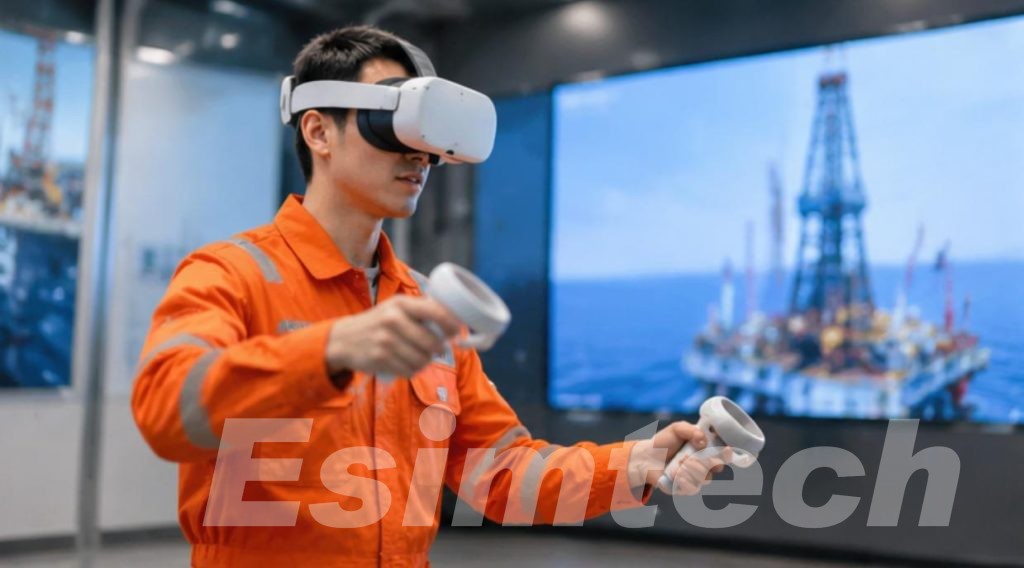
There is another method of preparing oil and gas industry personnel – virtual reality (VR) training. It enables one to simulate a real industrial environment and operational situations.
Why Are Soft Skills Important in the Oil and Gas Industry?
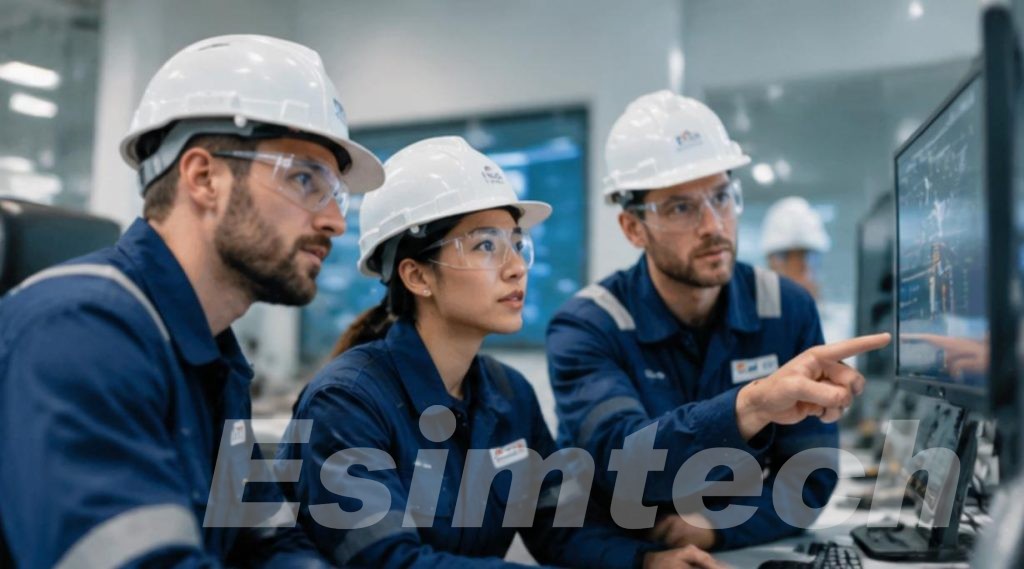
The oil and gas industry requires complicated machinery and dangerous working conditions, in addition to cooperation among people from various departments. Technical skills are necessary, but the people employed should also possess non-technical skills.
As the IOGP Report 501 states, some key competencies for well operation team members include situation awareness, decision-making, communication, teamwork, leadership, and stress and fatigue awareness.
These skills relate directly to some major aspects of oil and gas production.
- Communication: Employees should be able to communicate about equipment abnormalities, operational information, and adhere to existing communication protocols.
- Teamwork: Drilling teams, supervisors, engineers, and maintenance staff should work together.
- Situational awareness: Employees should be able to understand changes in situations and recognize the hazards.
- Decision-making: Employees should evaluate the risks and make decisions in case of unforeseen events.
Building such skills will allow employees to turn their technical knowledge into practice.
How Does VR Training Improve Workers’ Soft Skills?
However, there are some situations that cannot be easily recreated for safety and repetition purposes in real-world industrial settings.
This is where VR simulation comes into play, through which interactive simulations are created in order to allow the trainee to have different experiences.
2.1 Enhanced Emergency Response
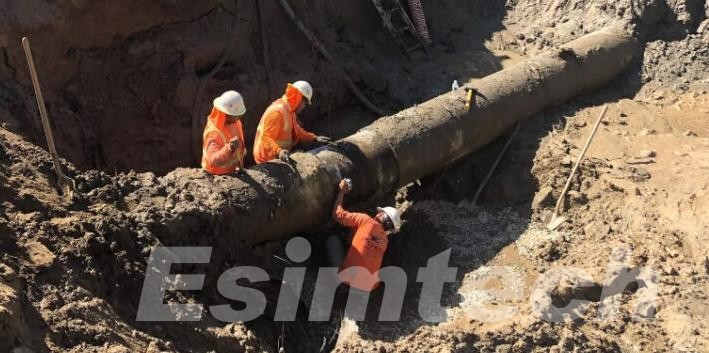
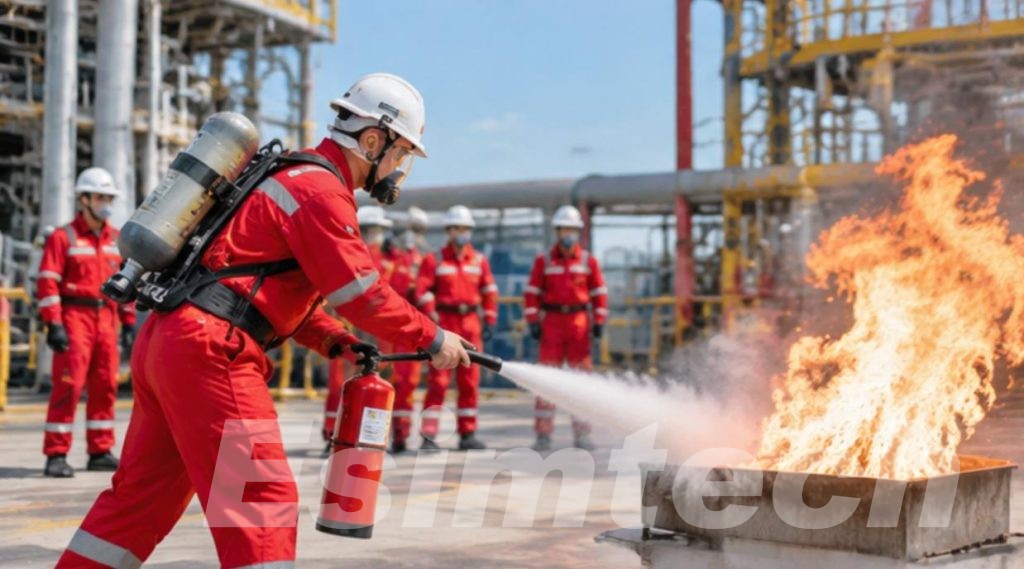
Through VR, it is possible to create simulations of emergencies involving drilling, fire, gas leak, or malfunction of equipment. Trainees will be able to identify the signs of an emergency, as well as the proper course of action.
2.2 Developing Teamwork and Communications Skills
There are occasions when many people have to work as a team in oil and gas activities.
In VR-based group training, the task assigned by the system could ask participants to do certain jobs that require teamwork.
In a situation where there is a failure in the equipment being used, they might be asked to identify the problem and communicate with each other and their superiors.
2.3 Enhancing Decision Making and Problem Solving
Unusual circumstances necessitate that workers interpret the information and make the necessary decisions.
Abnormal situations and equipment malfunctions can be simulated using VR training. Learners will have to evaluate the scenario and make decisions based on the processes involved.
The trainers can then evaluate their decisions and the possible outcomes.
2.4 Enhancing Hazard Perception
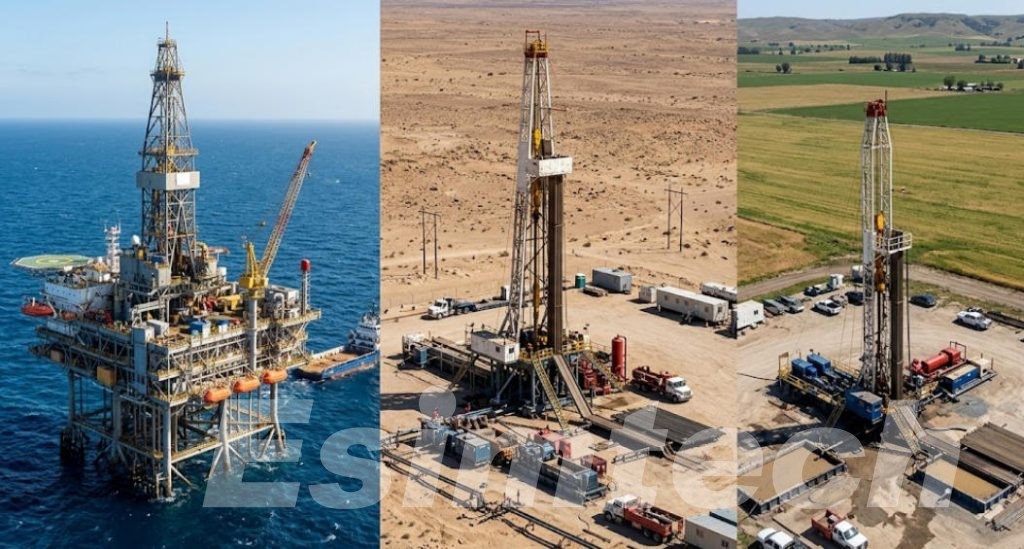
The use of VR environments is able to simulate industrial plants and the possible hazards that may be present in them in real life.
Individuals would then get to know about these hazards and be more aware of safety considerations at work through such simulations.
Practical Applications of VR Training in Oil and Gas
VR training will be efficient when it simulates industry scenarios properly. The following applications apply to the scenario.
Virtual drills can create various emergency simulations for the trainees to develop the skills of recognizing the dangers and following protocols for response and evacuation.
Skills learned: emergency response, hazard recognition, and communications.
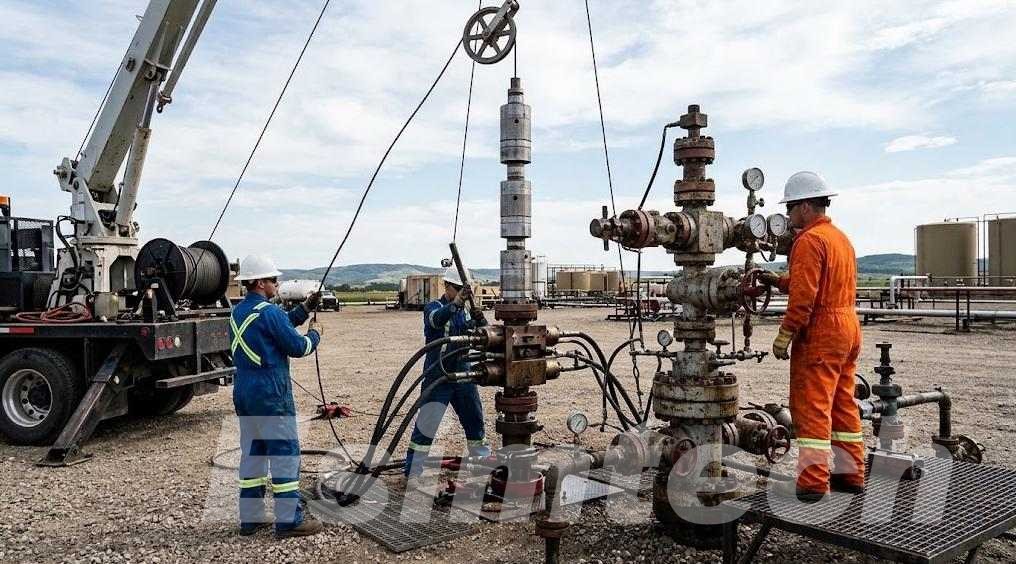
Well Control and Abnormal Operating Conditions
VR can assist traditional well control training by offering immersive training exercises for selected drilling operations.
Trainees will become accustomed to the abnormal operating conditions and learn the significance of effective communication.
Critical skills: Situation awareness, technical decision-making, and teamwork.
Equipment Assembly and Familiarization
The virtual assembly simulation helps trainees to learn about the structure of equipment and their relationship and how they can be assembled.
It comes in handy when there is no physical equipment available to train people about assembly. Important skills include technical knowledge, awareness of procedures, and problem-solving ability.
Snubbing & Well Intervention Training Using MR Technology
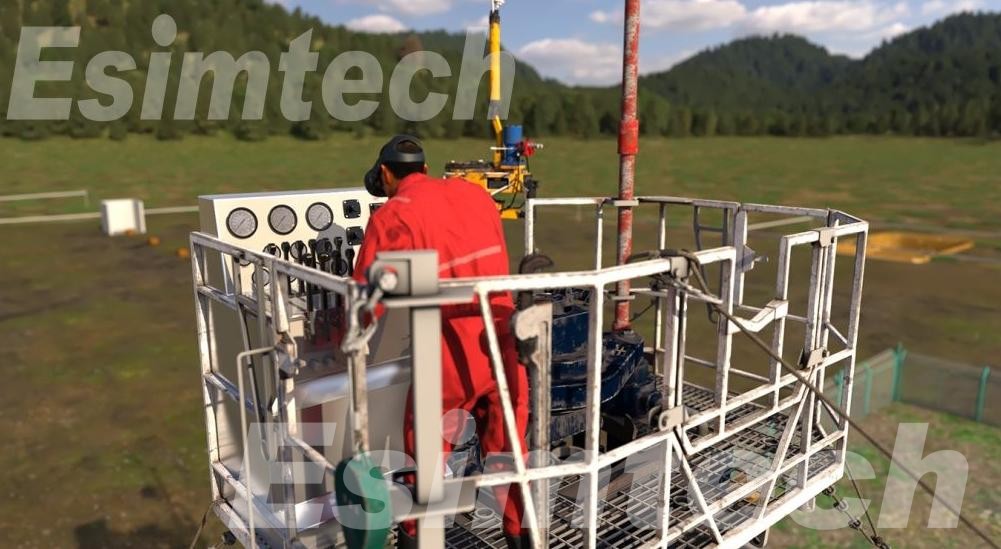
MR blends real hardware operation with virtual simulation techniques. In snubbing training sessions, this technique is useful for making learners familiar with specific equipment and processes.
Key competencies: Hardware knowledge, process coordination, and procedure implementation.
How to Evaluate VR Training Performance
The VR training must have well-defined learning goals and assessment tools.
Instead of assessing learners based only on their completion of the simulation, instructors may take into account several performance indicators:
| Assessment Area | What to Evaluate |
| Hazard Recognition | Ability to identify potential hazards |
| Response Accuracy | Whether selected actions meet training requirements |
| Communication | Clarity and accuracy of information exchange |
| Teamwork | Coordination and responsibility fulfillment |
| Decision-Making | Ability to assess situations and select appropriate responses |
| Procedure Compliance | Whether established procedures are followed |
With the help of training logs and task performance data, instructors may be able to determine what needs to be improved, depending on the system’s capacity.
VR assessment should complement practical training and competency assessments.
Choosing the Right VR Simulation Solution
In choosing an oil and gas VR training program, it is not enough to look only at visual immersion.
The key aspects are as follows:
- Training goals: Decide whether your goal is to train in emergencies, equipment operation, drilling, or well intervention.
- Simulation realism: Make sure that equipment models, operation scenarios, and procedures are applicable to the purpose of training.
- Hardware setup: Decide whether your training requires VR headsets, control devices, special equipment, or mixed reality elements.
- Customization: Decide whether you can customize training scenarios to fit your operational needs.
- Integration: Think about how VR can supplement your simulator, classroom training, and field practice.
The right choice will depend on your training needs, not just visual immersion.
Esimtech VR Simulation Solutions for Oil and Gas Training
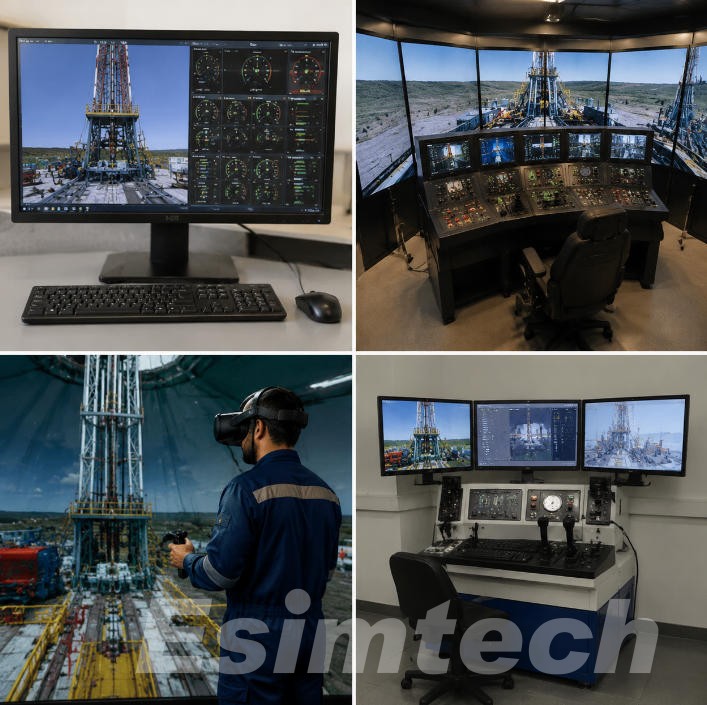
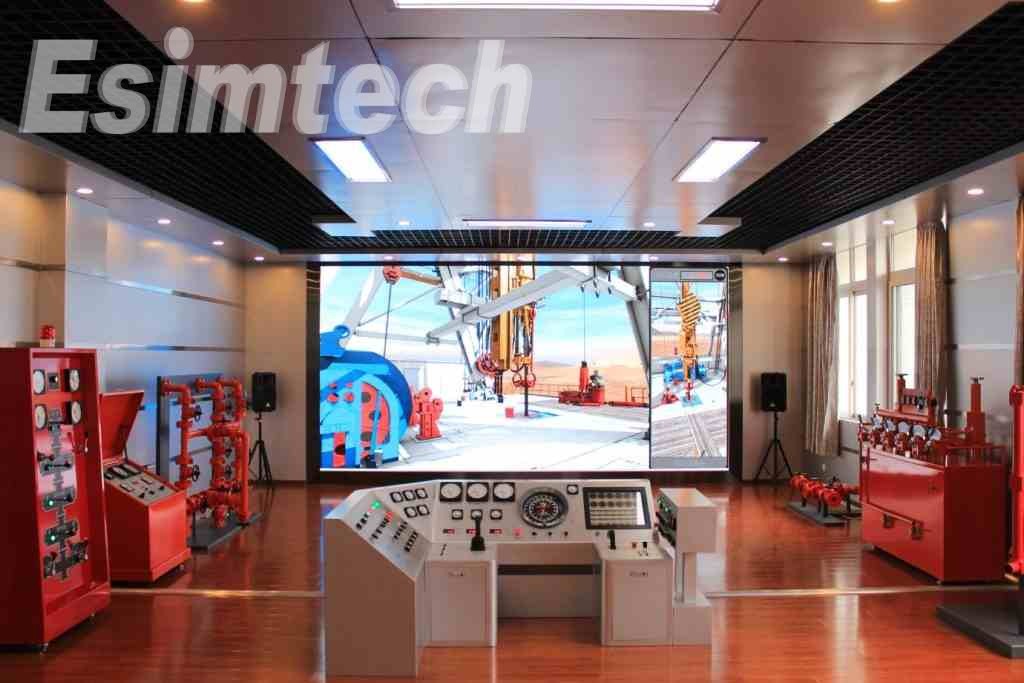
Esimtech offers products and services that include the development and provision of oil and gas simulation systems such as a VR emergency training simulator, a virtual assembly simulator, a mixed reality system, and a drilling and well control simulator.
Their products cater to different training needs within the oil and gas industry.
- VR Emergency Training Simulator: This product is intended for drilling emergency training, accident response training, and emergency escape training.
- Virtual Device Assembly Simulation System: The use of this system enables trainees to learn about device structure and the assembly process through virtual simulation.
- Snubbing Simulator (MR): This system is a combination of physical equipment interaction and virtual simulation components that enable equipment familiarization and snubbing training.
- Drilling and Well Control Simulators: These simulators provide assistance in drilling operations training and well control training, which enable trainees to learn technical skills.
The combination of various simulation systems enables training centers, universities, and oil and gas organizations to create appropriate training programs.
Conclusion
Such soft skills as good communication skills, teamwork, hazard detection, and decision-making are vital for successful oil and gas exploration.
Using VR technology can be regarded as yet another tool to develop these skills by means of realistic scenario-based training. Creating an environment and situations, which will be similar to selected ones in real-life situations, helps to train corresponding procedures in a controlled environment.
Thus, it is possible to use this technology in combination with other methods used by oil and gas enterprises, drilling contractors, and professional training centers.
Need an Oil and Gas VR Training Solution?
Esimtech offers VR emergency training systems, virtual equipment assembly simulators, mixed reality training equipment, and drilling and well control simulation solutions.
Reach out to Esimtech to know more about your training needs and possible simulation solutions.