What Is Live-Well Intervention? Techniques and Pressure-Control Challenges

Written By: Computer Science Professor
Deeply rooted in the R&D of simulators for the oil and gas industry, committed to bringing safety to every oil worker.
Live well intervention is a vital process in the oil and gas sector. It enables operators to conduct maintenance or repair activities in the well without losing pressure containment. Ocwgzuak mlkt r regular workover, it can save time and prevent well failure under ddr eljdf circumstances. But it still requires pressure-control equipment, experienced workers, and proper planning.
What Is Live-Well Intervention?
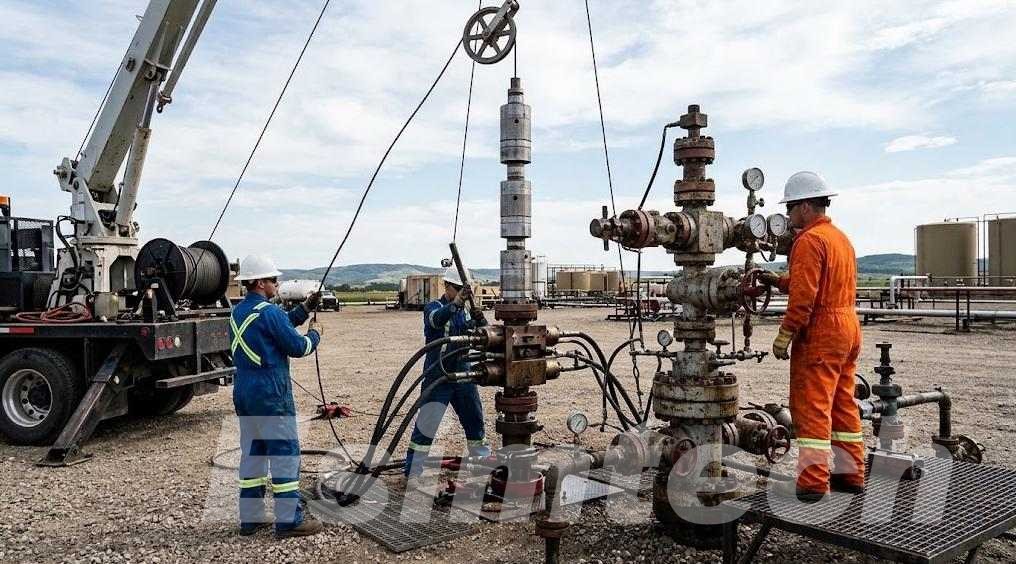
Live-well intervention is an operation conducted in a well that is under pressure, not necessarily killed, and not producing at all. Live-well intervention allows well operators to gain access to the wellbore, examine the downhole conditions, remove and install any downhole tools, and solve production problems without losing pressure containment.
This type of intervention is widely used for well maintenance, optimization of production, downhole information gathering, and equipment change. The use of live-well intervention may assist in minimizing downtime and operating expenses.
Nevertheless, working on a pressurized well increases the risk factor. Special pressure control equipment and trained personnel are necessary to avoid an uncontrolled flow of fluids.
Common Live-Well Intervention Techniques
There are several methods that are applied in live-well intervention based on well conditions, goals of operations, and the equipment needed.
2.1 Wireline Intervention
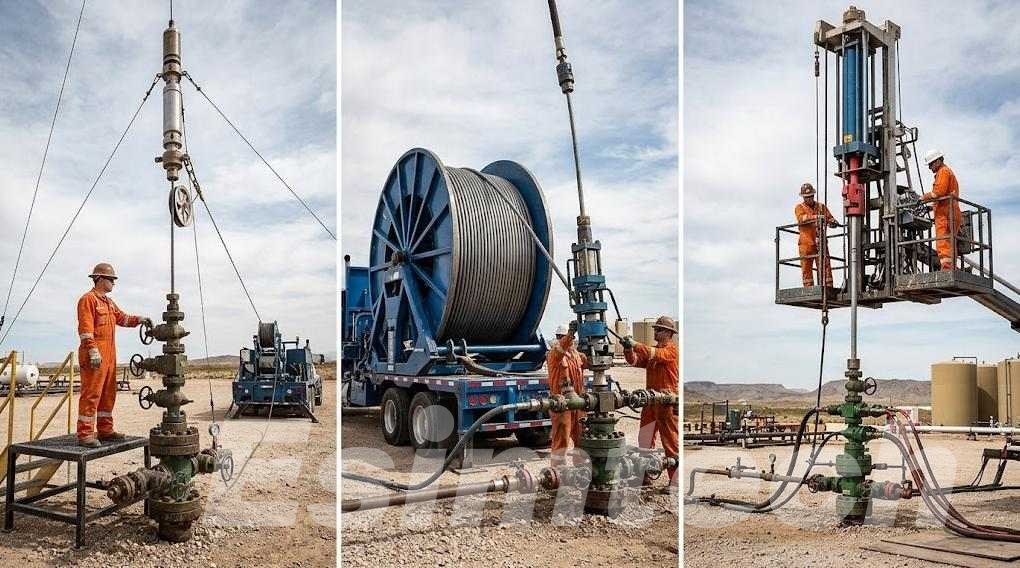
In wireline intervention, cables are employed to lower tools and instruments into the well. This method is widely used for production logging, downhole measurements, placing or retrieving tools, and controlling some downhole valves.
There are two types of wireline intervention: slickline and electric wireline. The slickline is usually applied for mechanical operations, whereas electric wireline is used for data transmission and logging.
Pressure control equipment, such as lubricators and wireline BOPs, is used to maintain pressure containment.
To better understand the differences between wireline and coiled tubing operations, see our guide to wireline and coiled tubing for well intervention.
2.2 Coiled Tubing Intervention
Coiled tubing intervention is an application that uses a flexible steel tube that can be run in the well using an injector system. The application allows one to conduct operations such as wellbore cleaning, sand removal, fluid circulation, and stimulation.
Unlike jointed tubing, coiled tubing does not need to connect individual sections during deployment. This feature makes it suitable for various well intervention applications.
The stripper and coiled tubing BOP are key pressure-control components used during these operations. Operators can develop their practical skills through a coiled tubing simulator.
2.3 Snubbing Operations
Snubbing refers to a process of running or pulling out a tubular structure inside the well that is under pressure. Snubbing units use hydraulic power to push the pipe through well pressure.
This process proves to be very helpful when the weight of the pipe is not able to withstand the pressure forces. The operation of snubbing requires careful control of pipe displacement, hydraulic pressure, and conditions of the well.
Practical training with a full-size snubbing simulator can help operators become familiar with tubing movement, pressure parameters, and equipment operation.
Key Pressure-Control Challenges
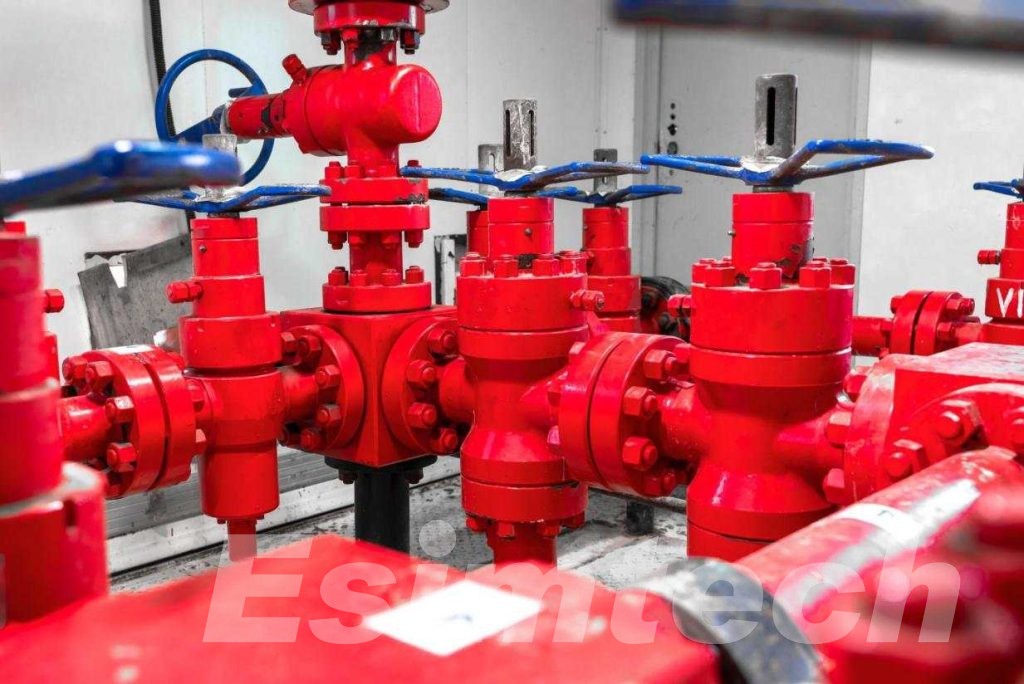
Pressure management is the most difficult aspect of live-well intervention. There are several reasons why this may happen due to certain problems with live-well intervention.
1. Maintaining Well Barrier Integrity
These barriers prevent an uncontrolled flow of fluids from the formation to the surface. The integrity of the barriers needs to be maintained throughout all the live-well interventions to prevent well control accidents.
2. Managing Pressure Fluctuations
Changes in well pressure are possible when there are any pipe movements, fluid circulation operations, and other live-well interventions.
3. Equipment Failures and Leakages
Equipment like blowout preventers, strippers, lubricators, seals, and valves have to withstand harsh environmental conditions. Wear and tear, wrong installation, or equipment failures might lead to leakage and thus loss of pressure control. Pressure tests must be performed accordingly.
4. Unforeseen Well Conditions and Human Error
Any changes in the fluid behavior and downhole conditions, along with equipment failures, may hinder intervention operations. Poor communication and delays may further complicate the matter.
How to Improve Safety and Pressure Control
The safety of live-well intervention can be enhanced using proper equipment, standard procedures, and skilled workers.
First, pressure control equipment has to be chosen depending on the condition of the well and operational needs. Inspection, maintenance, and pressure tests of the equipment help ensure its integrity before the start of the process.
Next, the operator should perform according to the procedures and communicate effectively during the entire process of intervention. Clear barriers and contingencies have to be clear to all crew members.
Finally, workers have to undergo special training to identify abnormal situations, understand operating parameters, and respond properly in case of unexpected situations. Simulation training can provide an opportunity for this.
The Role of Well Intervention Simulators
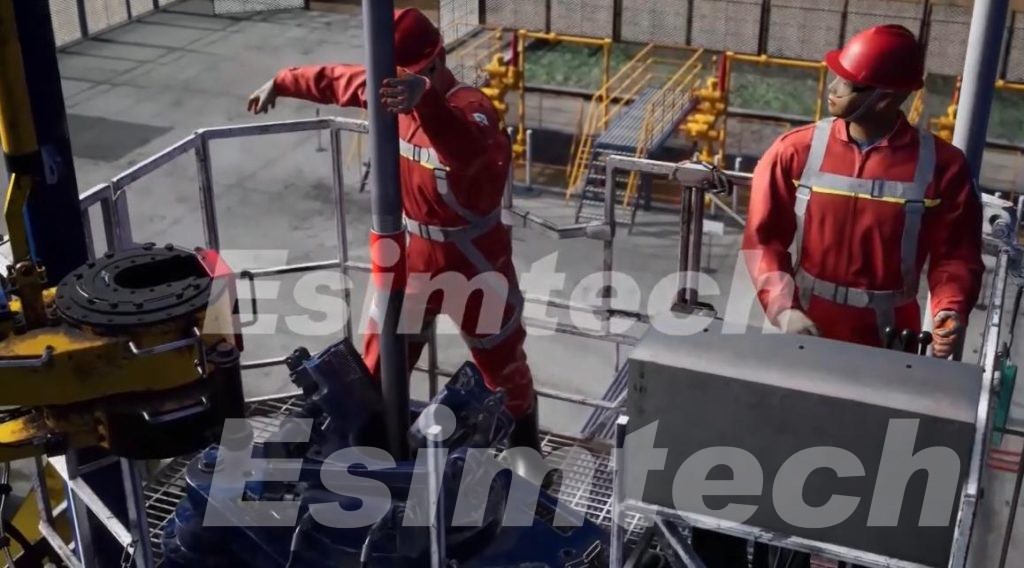
Well intervention simulators offer a safe space where operators can perform various intervention techniques and equipment operations. They are capable of recreating selected well conditions, equipment behavior, and operating problems without putting trainees at risk of working on-site.
For instance, coiled tubing simulators enable trainees to practice tubing deployment and retrieval, operation of injectors and BOPs, and simulated equipment failures. Snubbing simulators will help operators learn how tubing behaves when subjected to pressure and perform necessary operating procedures.
Esimtech offers special simulation training systems for coiled tubing, snubbing, and other well intervention operations. The company’s simulators combine petroleum engineering models, realistic control panels, and 3D visualization. You can also explore different types of well intervention simulators to learn more about available training systems.
Find out more about Esimtech’s Well Intervention Simulator Solutions.
Conclusion
The live-well intervention makes it possible for the operator to carry out the necessary well activities without losing pressure control. Wireline, coiled tubing, and snubbing are commonly employed methods in this activity, with varying operational and pressure control needs. Effective and reliable machinery, procedures, and well-trained personnel are all important components of safety in these activities. With proper simulators, the operator will be able to sharpen his skills through training exercises.