How to Choose the Right Oil Drilling Rig for Your Project

Written By: Computer Science Professor
Deeply rooted in the R&D of simulators for the oil and gas industry, committed to bringing safety to every oil worker.
Choosing the right oil drilling rig matters a lot in any oil and gas drilling project. The drilling rig you select can change how fast work goes, what you pay, how soon you finish, how safe the site stays, and how well the whole job performs. Different drilling environments and well needs push you toward different rig configurations, power output and technical capabilities.
Whether you are working on land, dealing with offshore work, or drilling shallow wells, choosing suitable drilling rig still carries weight. Some sites also bring tough geology, which adds pressure to get the rig match right. This article covers the key factors to consider when selecting an oil drilling rig and provides practical guidance to help operators make informed decisions.
Understand Your Drilling Project Requirements
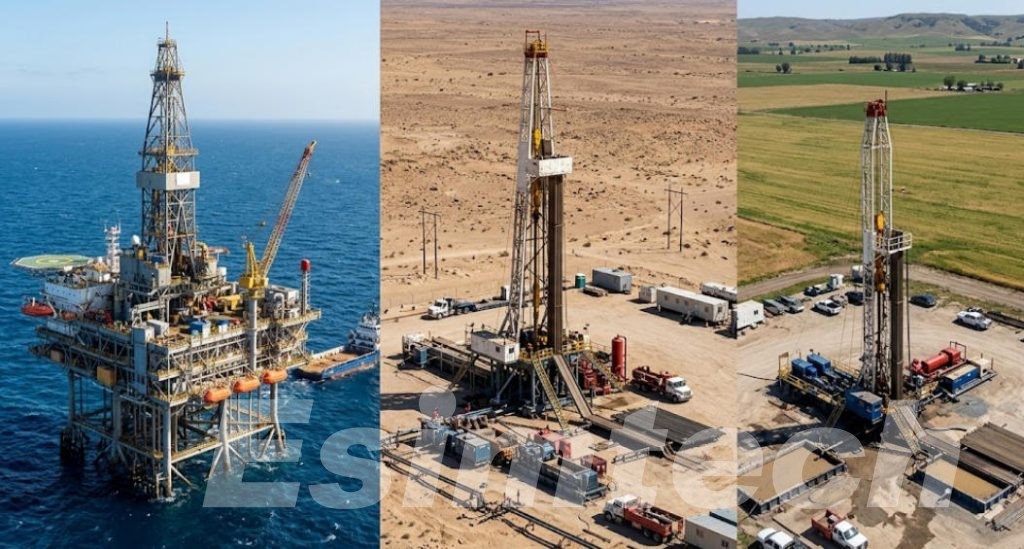
Before selecting a drilling rig, it is important to define the basic requirements of your project. These requirements determine the type, size, and technical specifications of the equipment.
First, look at the target well depth. Shallow wells often call for rigs with less lifting power and smaller load handling. Deep or ultra-deep wells usually require heavy rig systems. Those systems must deal with higher pressures and heavier loads.
Next, review the well plan. Think about the casing plan, the hole diameter, the drilling path, and how the well will be finished. If you plan to drill horizontal sections or run directional work, you may need steering tools and special drilling equipment.
Also factor in the drilling run schedule. Count how many wells you expect. Do not forget the site setup, like power access and support facilities. A rig that fits your daily needs can cut down on wasted spending and help the job move without extra slowdowns.
Key Factors to Consider for Choosing the Right Drilling Rig for Your Project
1. Appropriate Type of Oil Drilling Rig
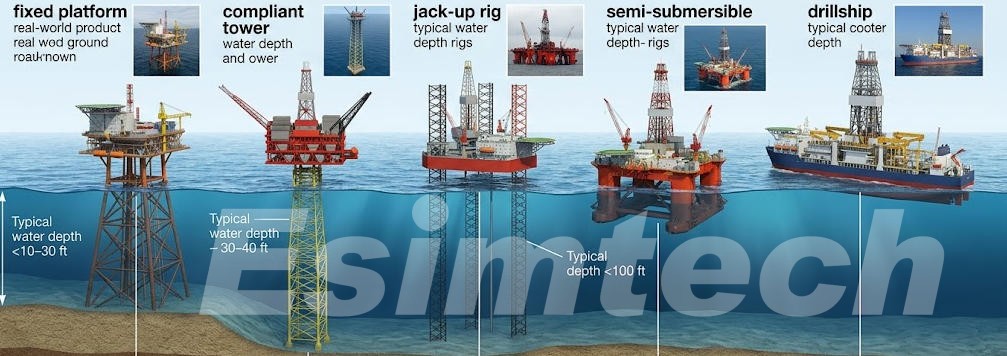
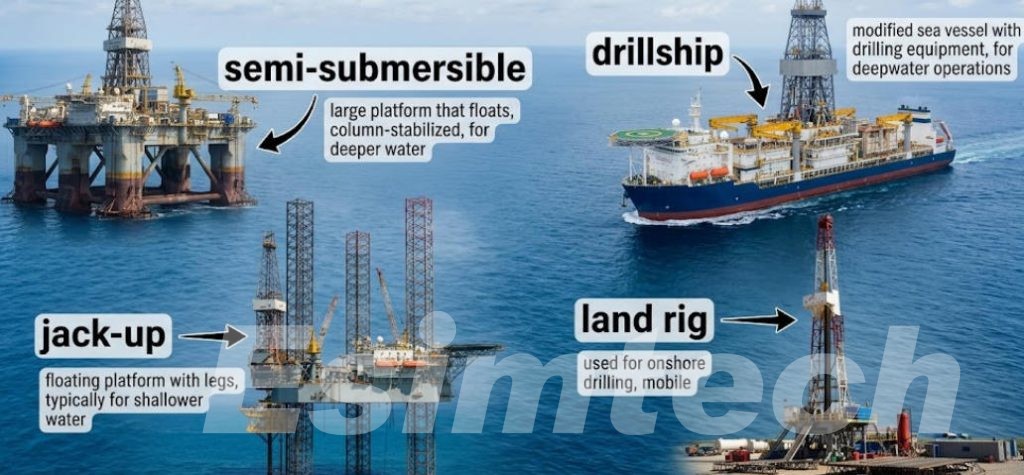
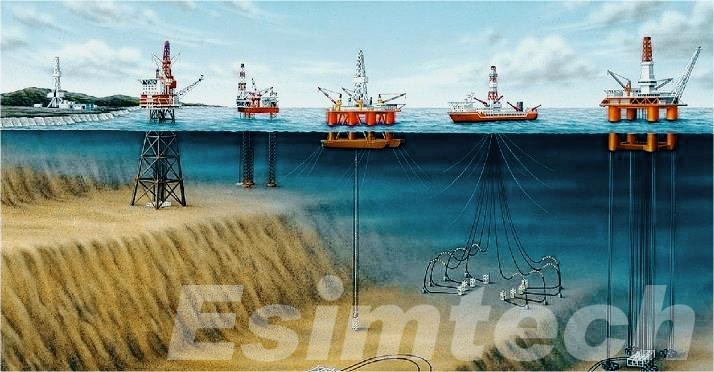
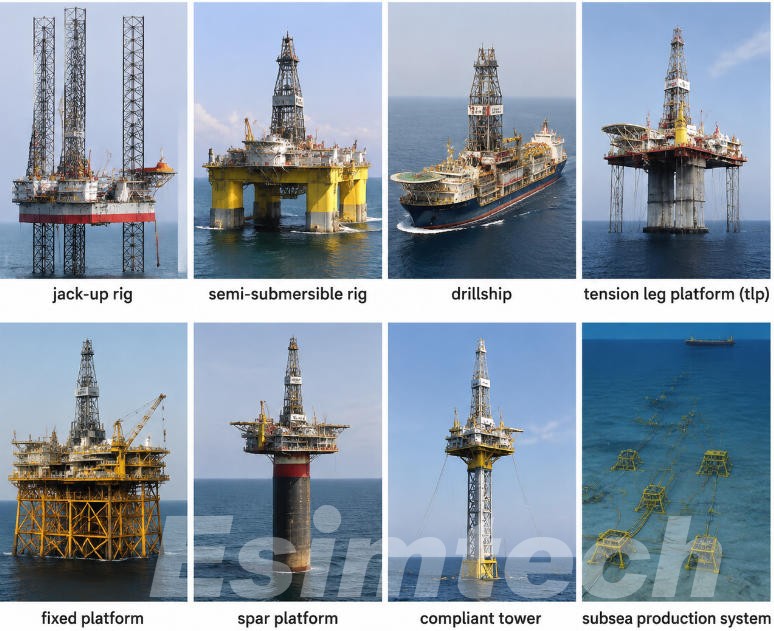
Oil drilling rigs come in different types, each designed for specific drilling environments, well depths, and operational requirements. The following chart summarizes the main oil drilling rig types, their characteristics, applications, and advantages.
| Oil Drilling Rig Type | Main Characteristics | Typical Applications | Key Advantages |
| Land Drilling Rig | Installed on land; available in mobile and stationary configurations | Onshore oil and gas exploration and production | Flexible deployment and relatively convenient maintenance |
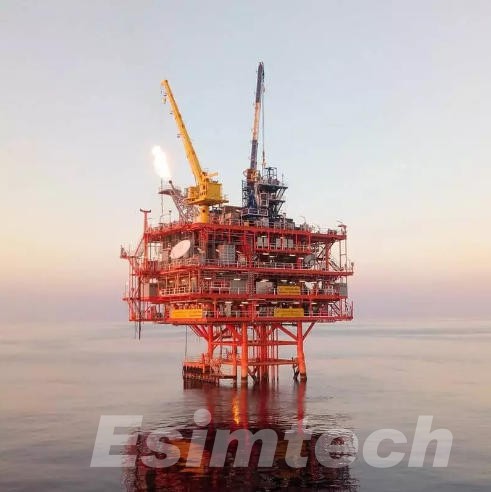
| Jack-Up Rig | Equipped with movable legs that extend to the seabed | Shallow-water offshore drilling | Stable drilling platform and easy relocation between suitable sites |
| Semi-Submersible Rig | Floating platform supported by submerged pontoons and columns | Deepwater and harsh offshore environments | Excellent stability in rough sea conditions |
| Drillship | Ship-shaped drilling vessel with onboard drilling equipment | Deepwater and ultra-deepwater exploration | High mobility and access to remote offshore locations |
| Platform Rig | Installed on fixed offshore production platforms | Offshore development and multiple-well drilling | Efficient drilling and production operations from a fixed location |
| Modular Drilling Rig | Built with transportable modules for flexible assembly | Remote locations, offshore platforms, and space-restricted sites | Convenient transportation and flexible installation |
| Workover Rig | Designed for well servicing and intervention rather than new well drilling | Well maintenance, repair, and production improvement | Helps extend well life and restore production |
| Coiled Tubing Drilling Rig | Uses continuous coiled tubing instead of conventional drill pipe | Underbalanced drilling, re-entry, and specialized well operations | Reduces pipe connection time and supports continuous operations |
| Truck-Mounted Drilling Rig | Mounted on a truck chassis for road transportation | Shallow and medium-depth onshore drilling | High mobility and rapid deployment |
| Skid-Mounted Drilling Rig | Installed on a skid structure for movement by specialized transport | Oil fields and locations with prepared drilling pads | Convenient relocation within established drilling sites |
The appropriate rig depends on well depth, water depth, geological conditions, drilling method, transportation requirements, and project budget. Some categories describe the rig’s operating environment, while others describe its mounting structure or drilling application.
2. Evaluating Drilling Depth and Load Capacity
Well depth sets the baseline for rig capacity. The rig must keep enough mechanical strength. It also has to lift enough for the drill string, casing, and other tools down the hole.
Check the derrick or mast height first. Then look at the draw works rating, the hook load, and the hoisting system. These parts should line up with your well design from the start.
When wells get deeper, operators usually need stronger hoisting and bigger draw works. They also need drilling gear rated for the higher work. If the lifting rating is too low, the job can hit limits. That can also raise stress on parts and make failures more likely.
You should also estimate the biggest load you will see. This includes casing runs and heavy handling during drill string work. A rig with a proper capacity buffer helps you stay steady when the well plan changes.
3. The Power System and Energy Requirements
The rig power system decides how well the main mechanical and electrical parts can run.
Diesel-electric rigs and mechanical drive rigs are the most common choices today. In a diesel-electric setup, diesel engines make electricity. That electricity then runs electric motors that drive drilling gear. This layout can spread power in a flexible way and allows fine control.
In a mechanical drive rig, engine power moves through mechanical parts. Those parts run the drilling system. Whether this approach fits depends on the rig layout, how much upkeep it needs, and the jobsite conditions.
When evaluating the power system, consider the following factors:
- Total output: Make sure there is enough power for drawworks, mud pumps, the rotary setup, and support systems.
- Fuel use: Test fuel efficiency across different operating loads.
- Power reliability: Check if the system can stay steady during tough drilling work.
- Service needs: Think about engine care, spare parts access, and how hard maintenance will be.
- Environmental rules: Review emissions limits and any energy-efficiency requirements.
A well-sized power system supports steady drilling and helps keep fuel and operating costs under control.
4. Geological and Environmental Conditions
Geology affects what drilling equipment you choose. Each formation can call for its own drilling plan, bit style, circulation approach, and operating settings.
For instance, soft layers may drill with less trouble. Hard rock, abrasive zones, and fractured reservoirs can raise drilling resistance. They can also speed up wear on equipment.
High-Pressure High-Temperature(HPHT) wells need special tools built for harsh downhole conditions. These jobs may require advanced blowout preventers, pressure-control gear, parts rated for high heat, and drilling fluids made for those conditions.
Site environment also matters. Desert work may need dust-tough equipment and strong cooling. Cold areas may need heaters and materials that handle low temperatures. Offshore work often calls for corrosion protection and marine-grade parts.
A rig that matches both geology and environment can lower the chance of failures. It can also cut delays and reduce surprise maintenance costs.

5. Oil Rig Automation and Control Systems
Automation and digital control are playing a bigger role in current drilling work.
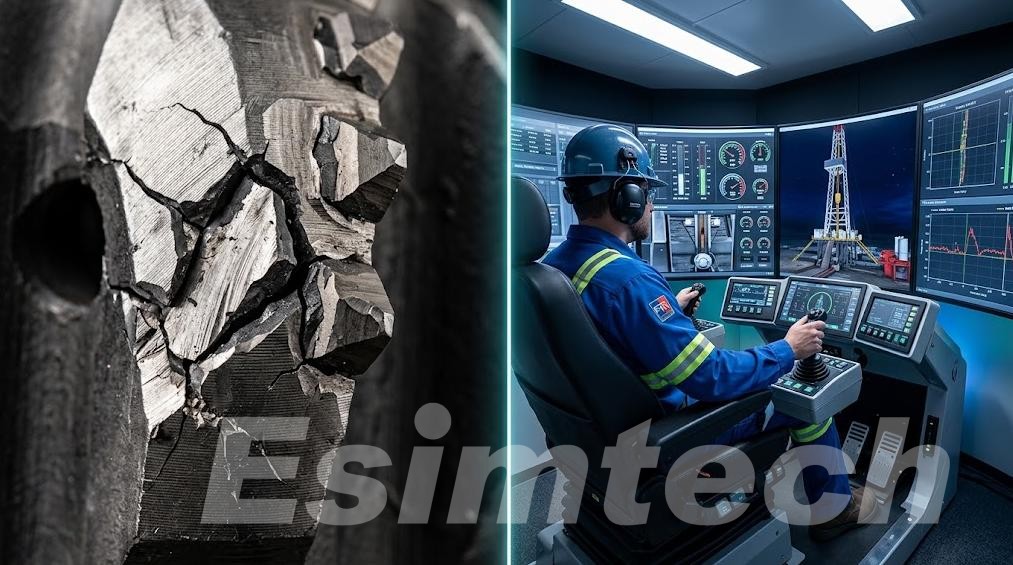
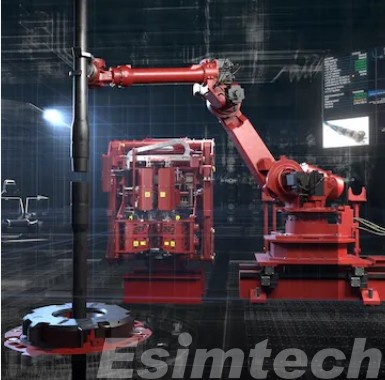
Modern automated drilling rigs may use automated pipe handling, electronic drilling controls, and real-time monitoring. Some also use data platforms that connect field information. These tools can make operations more consistent, cut down on manual tasks, and improve safety for staff.
If you assess automation, confirm whether the rig offers:
- Automated pipe handling and tripping tasks.
- Real-time tracking of drilling parameters.
- Automatic adjustment of drilling settings.
- Monitoring of equipment health and detection of faults.
- Linking with drilling data management software.
In drilling jobs with hard downhole tasks, automation can raise accuracy and help the crew react faster when conditions change.
6. Comparing Equipment Quality, Safety, and Reliability
Rig condition and safety results must not be ignored. Drilling work uses strong mechanical forces, high-pressure lines, and heavy gear. It also includes sites where hazards can appear quickly.
When you buy or rent a rig, look closely at key parts. Focus on the derrick, draw works, mud pumps, rotary table or top drive, blowout preventer setup, and control units.
You should also review how the maker manages quality. Ask for equipment test notes, past maintenance work, and proof of meeting relevant industry rules.
Safety items need careful review too. Check emergency shutoff systems, pressure checks, gas detection, fire control, and well-control tools.
Working with a qualified manufacturer or equipment supplier can help ensure that the selected rig meets the technical and safety requirements of your project.
7. Calculating the Total Cost of Ownership
The price you pay up front is not the whole story. Operators should estimate total cost over the rig’s expected working life.
Typical cost items include purchase or rental fees, transport, setup, fuel use, upkeep, replacement parts, crew time, and lost time during breakdowns.
A cheap rig can look good at first. Still, old designs, weak fuel performance, and repeated failures often raise costs later.
A better rig may cost more at the start. In return, it can support higher output, steadier operation, and lower repair spending.
For short jobs, renting can be cheaper than buying. For long programs with repeat drilling runs, buying may make more financial sense.
8. Selecting a Reliable Drilling Rig Manufacturer or Supplier
Rig performance depends on the operator’s engineering skills, factory practices, and technical help after delivery.
A good supplier will ask about your project needs. Then they should propose a setup that matches your case. They should not only point you to one common rig model.
When comparing suppliers, consider their track record in building rigs, their technical skill, product quality, ability to adjust equipment, and support after sale.
You should verify replacement part availability, ongoing maintenance support, operator training options, and technical help. In remote job sites, this matters a lot because lost time due to equipment issues can cost far more than people expect.
It can also help to ask for detailed specs, inspection records, relevant certificates, and customer references. These items can show if a supplier can actually support your plan in practice.
9. Considering Future Project Expansion
Oil drilling operations can change over time. Exploration results, production targets, and field development steps may shift. For that reason, it is smart to think about what you might need later when you pick a rig.
A rig that allows capacity changes, uses modular build methods, supports upgrades, and fits with your control systems can handle extra drilling without starting from zero on new equipment.
If you plan to drill multiple wells, keeping equipment setups consistent can reduce trouble later. It can also make repairs easier, simplify spare parts planning, and help train staff faster.
If you plan from the start, you may get more from the equipment and keep the long-term value of the investment.
The Role of Simulation Technologies in Choosing the Right Oil Drilling Rig
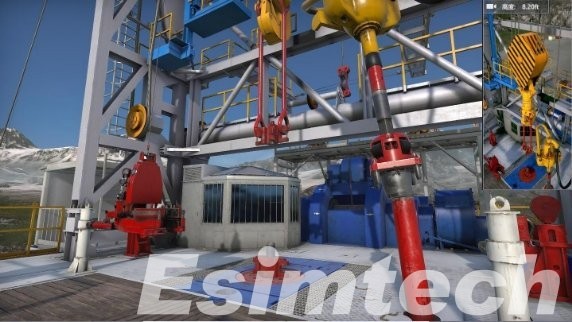
Simulation technologies become more and more important in evaluating oil drilling rig performance before equipment selection and actual field operations. By creating virtual drilling environments, operators can compare rig configurations, test different operating conditions, identify potential risks, and optimize equipment selection.
| Simulation Technology | Main Functions | Role in Oil Drilling Rig Selection | Key Benefits |
| Drilling Rig Simulation | Reproduces drilling rig operations and equipment behavior in a virtual environment | Evaluates different rig configurations and operational capabilities | Improves equipment selection and reduces planning risks |
| Drilling Process Simulation | Simulates drilling parameters, including weight on bit, rotary speed, torque, and drilling fluid circulation | Determines whether a rig can meet specific drilling requirements | Helps optimize drilling efficiency and performance |
| Mechanical System Simulation | Models the performance of draw works, top drives, mud pumps, and hoisting systems | Evaluates mechanical capacity and equipment compatibility | Reduces equipment mismatch and mechanical failure risks |
| Hydraulic Simulation | Analyzes drilling fluid circulation, pressure distribution, and hydraulic performance | Checks whether mud pumps and circulation systems meet well requirements | Improves hydraulic efficiency and well-control planning |
| Well Control Simulation | Reproduces well-control scenarios, including kicks and pressure-control operations | Evaluates the compatibility of rig well-control equipment and operator capabilities | Strengthens safety planning and emergency preparedness |
| Geological and Formation Simulation | Models underground formations, rock properties, and formation pressure | Helps identify rig requirements for different geological conditions | Supports more accurate equipment configuration |
| Offshore Rig Motion Simulation | Analyzes vessel movement, platform stability, and environmental loading | Evaluates the suitability of offshore rigs for specific marine conditions | Improves offshore operational safety and stability |
| Digital Twin Simulation | Creates a virtual representation of physical drilling equipment using operational data | Compares expected and actual rig performance and supports equipment optimization | Enables predictive maintenance and performance improvement |
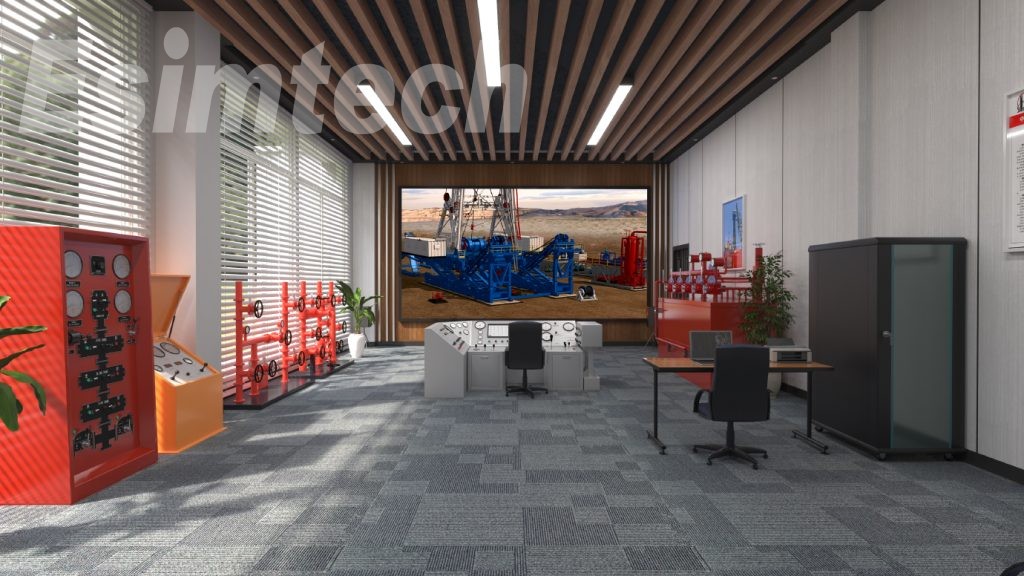
| VR Drilling Simulation | Uses virtual reality to reproduce drilling operations and working environments | Helps evaluate equipment layouts, accessibility, and operational procedures | Improves operator training and safety awareness |
| Cost and Performance Simulation | Compares fuel consumption, drilling time, maintenance expenses, and equipment utilization | Assesses the economic performance of different rig options | Supports cost-effective investment decisions |
Traditional vs. Simulation-based Methods for Choosing the Right Oil Drilling Rig
| Evaluation Area | Traditional Selection Method | Simulation-Based Selection Method |
| Equipment Performance | Relies mainly on technical specifications and historical experience | Tests equipment performance under different simulated conditions |
| Drilling Capacity | Estimates capacity based on rated equipment parameters | Evaluates equipment performance against specific well designs |
| Operational Safety | Reviews safety documentation and previous operating records | Simulates potential hazards and emergency scenarios |
| Geological Adaptability | Uses geological reports and engineering calculations | Models formation characteristics and potential drilling challenges |
| Equipment Compatibility | Checks compatibility through technical documentation | Tests interactions between different equipment systems |
| Operating Costs | Estimates costs using historical data and quotations | Compares simulated fuel consumption, maintenance, and drilling efficiency |
| Maintenance Planning | Relies on scheduled inspections and maintenance records | Uses equipment models and condition data to support predictive maintenance |
Simulation tools can support better oil drilling rig selection. When operators use drilling process simulation, review mechanical system behavior, train on well control, and apply digital twin tools, they can judge fit sooner. This can improve safety planning and lower the chance of costly mistakes before actual drilling begins.
Summary
Selecting the right oil drilling rig needs a broad look at drilling depth, rig type, load limits, power needs, geology, automation, safety, and operating cost. No single rig fits every oil and gas project. The best match depends on the specific drilling environment, well design, operational goals, and available budget.
When you review those factors and work with a skilled oil drilling rig manufacturer or supplier, you can choose a rig that fits your technical needs, improving efficiency, safety, and cost-effectiveness.
Ultimately, investing in the right oil drilling rig is not only about getting powerful equipment. It is about selecting a reliable and technically appropriate solution that supports the full life of your drilling project.