Modernizing Pipeline Emergency Response Training with High Fidelity Simulation Technology

Written By: Computer Science Professor
Deeply rooted in the R&D of simulators for the oil and gas industry, committed to bringing safety to every oil worker.
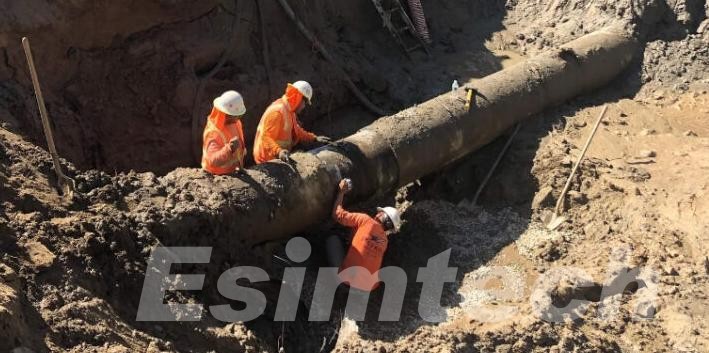
Wide range of threats, including metal fatigue, corrosion, external disruptions, and earthquakes. In the midstream industry, the period between the discovery of the issue and its solution, known as the “Golden Hour,” distinguishes whether the issue will be a minor engineering problem or evolve into an ecological and financial disaster.
Although all organizations have an Emergency Response Plan(ERP) manual, the success of such a strategy often suffers from the use of conventional training practices.
In line with today’s safety requirements and ESG initiatives, the industry is moving towards simulations as the main tool for emergency response preparation.
Limitations of Conventional Emergency Drill Methods
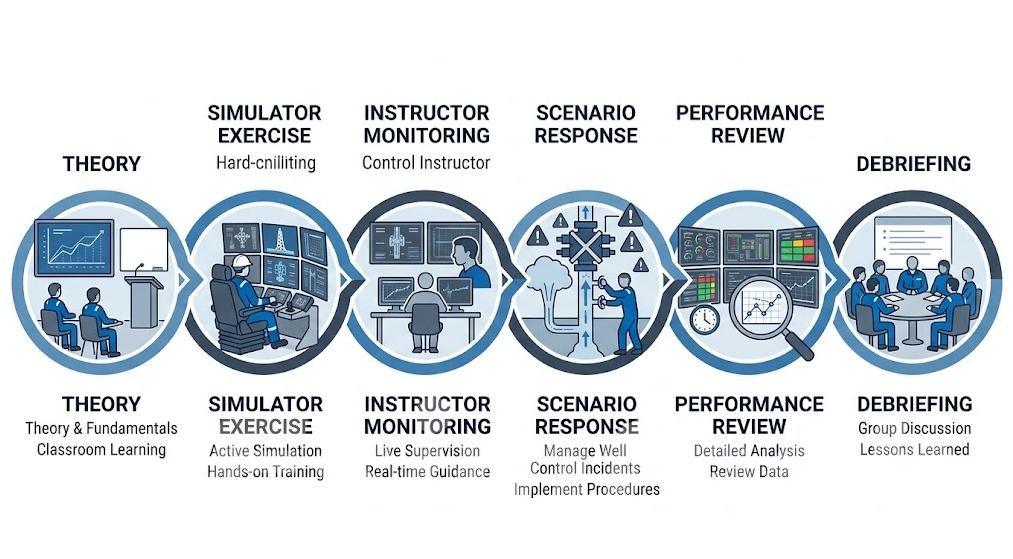
Emergency response training is normally classroom-based theory or an ad hoc physical drill exercise. Each method has its own weaknesses that contribute to a “competency gap” during emergencies.
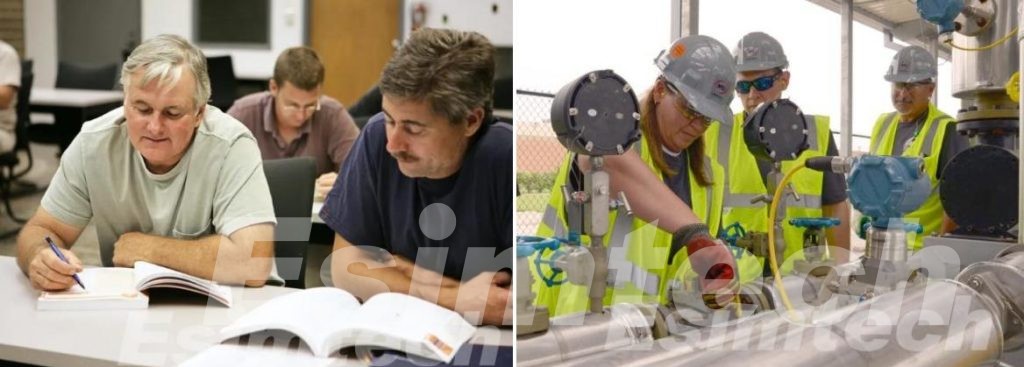
- In the first place, paper training cannot recreate the sensory and mental stimulation of a control room when there is a pipeline rupture incident. Without the dynamic nature of pressure changes and alarm sounds, muscle memory will not be formed.
- Secondly, actual field exercises are very costly and labor-intensive to conduct. These exercises may involve shutting down systems or creating fake “leakages” with safe alternatives; however, they will not accurately depict the fluid dynamics of unstable gases.
- More importantly, field exercises do not have the ability to reproduce low-probability but high-consequence situations. One cannot deliberately induce a high surge pressure or multiphase flow disturbance in an active setting.
Thus, most operators are technically trained yet lacking in practical experience with rare failure scenarios.
Core Technologies Defining High-Fidelity Simulation
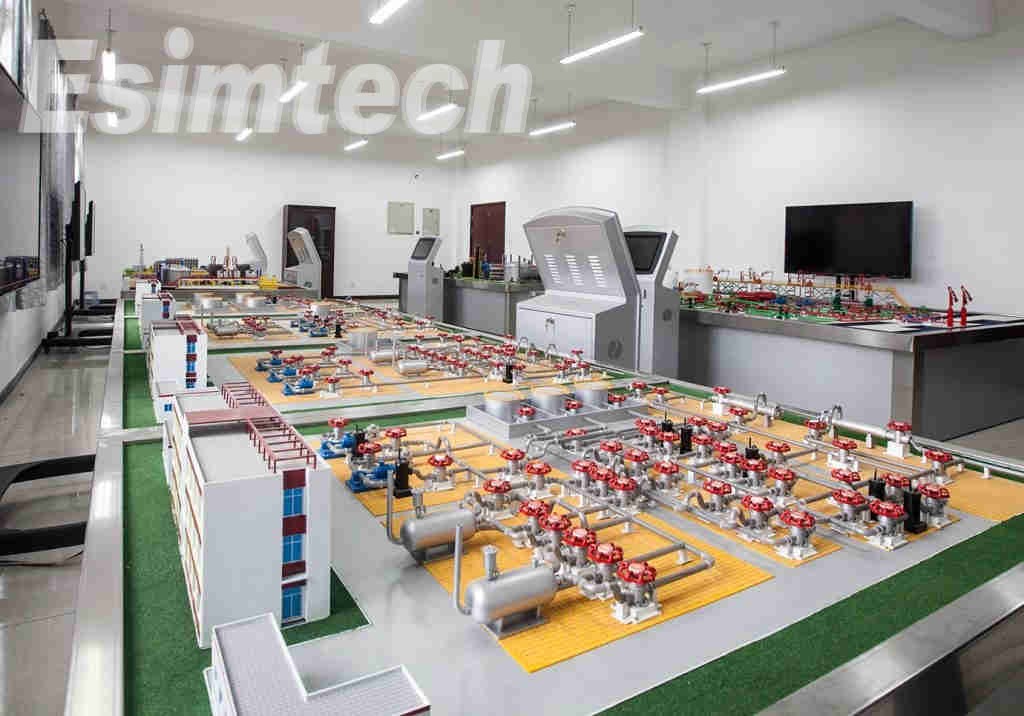
Fidelity simulation is not simply a visualization process; rather, it involves the use of complex mathematics to simulate the physics of fluids and machines. For effective ERP modernization using simulations, three essential technical elements are required:
- Real-Time Multiphase Flow Analysis: The simulator needs to have accurate thermodynamics models for understanding the flow behavior of oil, gas, and water under different pressures and temperatures. When the trainee closes the valve too fast, the simulator should be able to correctly analyze the impact of water hammering.
- Integration of SCADA and Control Room: The design should resemble the HMI used in the real process in a 1:1 ratio. This will help to minimize confusion between the training phase and the real-life setting when there is an emergency.
- Dynamic Feedback Response: Every operation executed by the trainee, such as changing the speed of a pump, routing the flow, and activating the Emergency Shutdown (ESD), should generate a dynamic response in the whole pipeline system.
Critical Techniques for Effective ERP Modernization
Upgrading an ERP system cannot stop at “what if?” simulators will enable the execution of sophisticated techniques that will enhance field performance directly:
Scenario-Based Stress Testings
Scenarios can be designed by engineers based on the specific failure types and patterns, based on the terrain conditions of their own pipeline network. For instance, simulating a pinhole leak in a subsea section versus a catastrophic rupture in a high-consequence urban area requires entirely different response logic. Simulators allow teams to run these scenarios repeatedly until the response becomes second nature.
Coordinated Integration in Teams
Incidents in pipeline networks cannot be handled by individuals. It requires well-coordinated work between control room operators, field operators, and managers. Networked simulation environments allow these disparate groups to interact in a shared virtual crisis, testing the communication protocols that often break down during real events.
Post Action Review (PAR) Based on Data Collection
All decisions and actions in the simulation are recorded. They provide a reliable basis for assessing the skills of the individual. As opposed to purely subjective feedback, a supervisor will now look at exact times when an operator identifies a pressure drop and executes the correct isolation sequence. This identifies specific bottlenecks in the ERP that need refinement.
Strategic Benefits of Simulation-Integrated Training
Incorporation of high-fidelity simulation technology into corporate safety culture results in operational benefits:
- Mean Time to Recovery (MTTR) Improvement: Knowledge of system dynamics enables operators to avoid the “panic” stage, thereby minimizing the time taken to isolate the leaking sections and reducing the amount of leakage.
- Regulation and Insurance: International organizations and insurance companies are now increasingly inclined towards operators who can prove their competency using simulation records. This helps serve as concrete evidence of their due diligence.
- Safe Training for Junior Operators: Simulations are ideal for training junior operators on procedures involving potential risks. They can make mistakes in the virtual world and learn from them without causing harm to themselves or others.
Implementation: Integrating Simulators into Your Safety Culture
Success lies not in purchasing software but in the localization of the technology. The software needs to be customized with respect to the exact physical characteristics of the operator’s assets: pipe diameter, pipe wall thickness, valve configurations, and the nature of the fluids used.
Moreover, training needs to move away from being just a one-time, annual event. Brief and intense simulation “sprints” targeted at specific failure modes will enable operators to stay current in their knowledge and respond effectively if alarms ever do sound in reality.
Final
The complexity of modern energy infrastructure demands a shift in how we perceive emergency readiness. A static plan is no longer a sufficient defense against the physical and reputational risks of pipeline operations.
As a dedicated manufacturer of Oil & Gas Production and Transportation Simulators, we provide the high-fidelity technology necessary to bridge the gap between theoretical knowledge and operational excellence. Our systems offer the precision required to transform “paper plans” into proven field competence.
By investing in advanced virtual environments, you can ensure teams are prepared for the unpredictable, safeguarding both assets and the environment through superior training.