How to Prevent and Mitigate Well Control Failures

Written By: Computer Science Professor
Deeply rooted in the R&D of simulators for the oil and gas industry, committed to bringing safety to every oil worker.
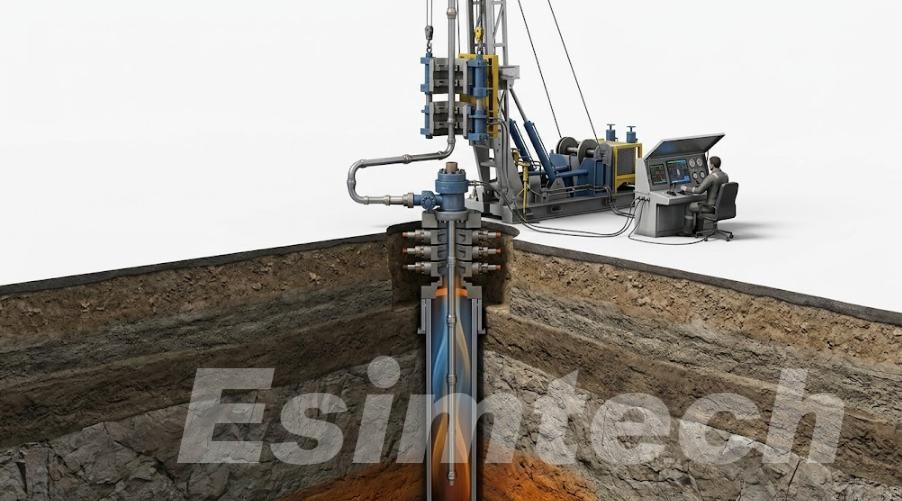
The oil and gas industry considers well control to be an essential element for both drilling activities and operational activities at well sites. The process requires operators to maintain pressure equilibrium inside the wellbore so that any formation fluids will not enter the wellbore without control. The loss of this balance system results in well control failures which create dangerous situations that include blowout, environmental destruction, equipment destruction and human death. The safe and efficient execution of operations needs personnel to comprehend how well control failures occur, how to identify their warning signs and develop methods to prevent and mitigate them.
Understanding Well Control Failures
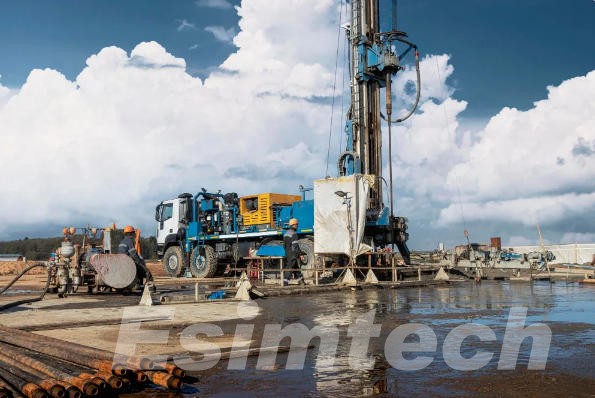
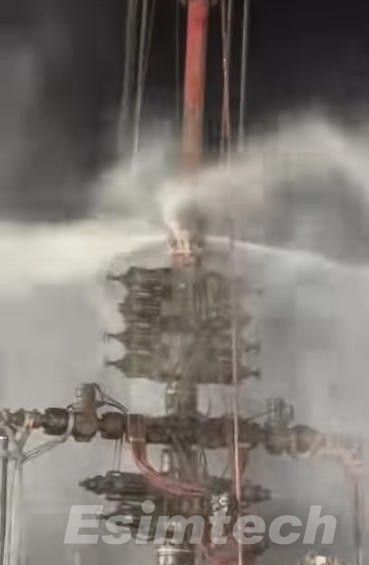
Well control failures occur due to the pressure exerted by formation fluids exceeding hydrostatic pressure in the drilling process, thereby letting hydrocarbons (oil, gas, or water) enter the borehole uncontrollably. Without timely discovery and control, this influx, referred to as a “kick,” can swiftly escalate into a notorious well blowout.
Failures are nearly always associated with barrier breakdowns due to mechanical, operational, or human error exposing the formation pressure for onward escalation of the drilling operation in an unsafe manner.
Common Causes of Well Control Failures
| Cause | Description | Typical Indicators | Potential Consequences |
| Inadequate Mud Weight | Drilling fluid density too low to balance formation pressure | Increase in pit volume, unexpected flow | Formation fluid influx (kick), possible blowout |
| Poor Kick Detection | Failure to identify early signs of influx | Delayed response to flow rate or pit gain changes | Escalation into well control incident |
| Equipment Failure | Malfunction of critical systems such as BOP or choke manifold | Pressure anomalies, inability to close well | Loss of containment, increased blowout risk |
| Human Error | Mistakes in monitoring, interpretation, or response actions | Incorrect decisions, delayed shut-in | Worsening of well control situation |
| Improper Well Planning | Inaccurate prediction of formation pressures and conditions | Unexpected pressure zones encountered | Increased risk of kicks and instability |
| Failure to Maintain BOP | Lack of testing or maintenance of Blowout Preventer systems | BOP not sealing properly during operation | Inability to control well pressure |
| Gas Migration | Movement of gas within the wellbore during shut-in | Pressure buildup without surface flow | Increased surface pressure, potential blowout |
| Lost Circulation | Loss of drilling fluid into formation | Drop in mud returns, reduced pit volume | Reduced hydrostatic pressure, higher kick risk |
| Swabbing Effect | Reduction in bottom-hole pressure during pipe movement | Sudden influx when pulling out of hole | Formation fluids entering wellbore |
| Formation Fracturing | Excessive pressure causing formation breakdown | Loss of returns, drop in pressure | Loss of well integrity, fluid losses |
Prevention and Mitigation Strategies for Well Control Failures
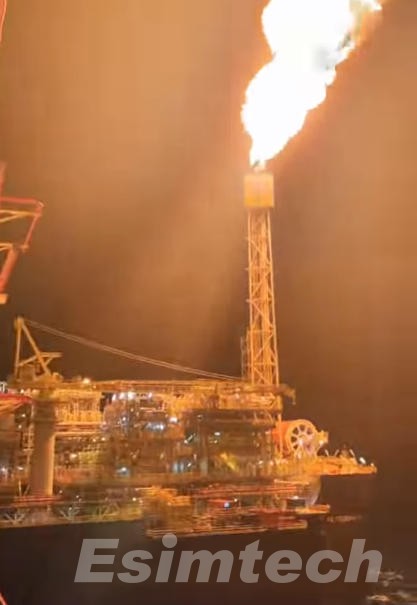
Preventing well control failures demands a comprehensive and integrated approach that balances robust engineering design, strict operational discipline, and extraordinary technology. Meanwhile, effective mitigation strategies are required for minimizing the consequences in cases of compromised well control.
1. Proactive Well Control Management
In proactive well control, the focus is on the anticipatory management of risks in comparison to the reactive scenario when there is an issue. This approach involves a sophisticated system operational framework and the analysis of well anomalies that identifies these problems early for remediation. Operators genuinely interested in improving well integrity management are committed to ensuring that small issues are dealt with before becoming serious incidents. With safety being the top priority, this system enhances operational efficiency and plant operability by minimizing downtime.
2. Engineering Design and Pre-Drill Planning
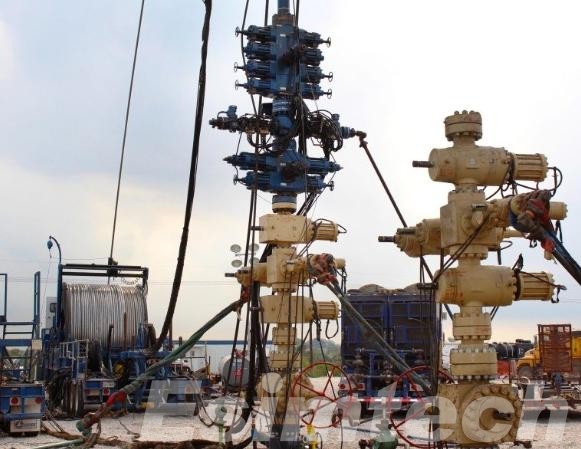
The foundation of proper impeter control lies in robust engineering design and careful predilling planing. Development in the prediction of formation pressures, fracture gradience, and geological uncertainties is extremely important in assuring pressure equilibrium. Enginners rely on the information from seismic sources, offsetted wells, and advanced modeling to establish safe and sustainable subsurface profiles.
The preparation of these containment plans within the drilling program from the outset cannot be overemphasized. Such plans would have catered for the unexpected, well-defined high pressure zones or weak formations, thus enabling appropriate workaround to be up and running in a jiffy. A well-prepared design significantly decreases the chances of losing control.
3. Drilling Fluid Optimization and Pressure Management
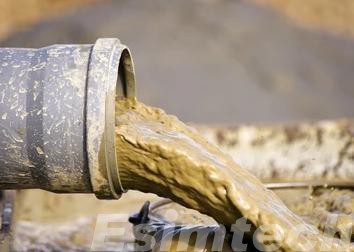
Mud is very important for borehole support and pressure management. Selection and control of mud weight is the assurance that hydrostatic pressure remains more than or at least equal to the loss in formation pressure and that it does not exceed the formation fracture pressure.
Safety lies not just in the formulation of good drilling mud system design but also in the ability of the mud system to act according to any variation in downhole conditions as and when they arise. Improved mud checked properties, filtration control, and resistance to contamination are required to create a preemptive scene in well management. Deflective management strategies with fluids offer preventative measures that arent second to none.
4. Real-Time Monitoring and Early Detection Systems
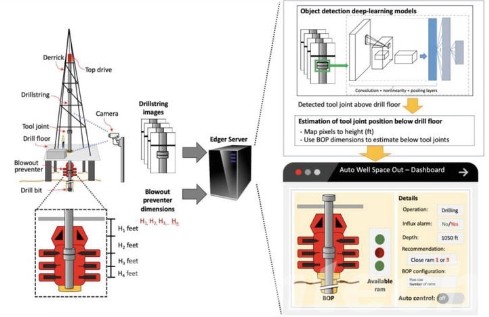
Tools to recognize the early appearance of any well control-related issues have become crucial to step down to an upper level. More recent modern-day drilling operations are fitted with tools to monitor operations in real-time tracking parameters like flow rates, pit volumes, pressure variations.
Due to the fact that new detection methodologies are being created through mechanized algorithms, they can actually identify subtle deviations where warning signs of kicks would be evident. Currently, the emphasis is taken away from human supervision and put more and more in response time amongst prevention measures. Early detection ensures preemptive correction when situations appear critical, therefore averting the possibility of a blowout.
5. Reliability of Well Control Equipment
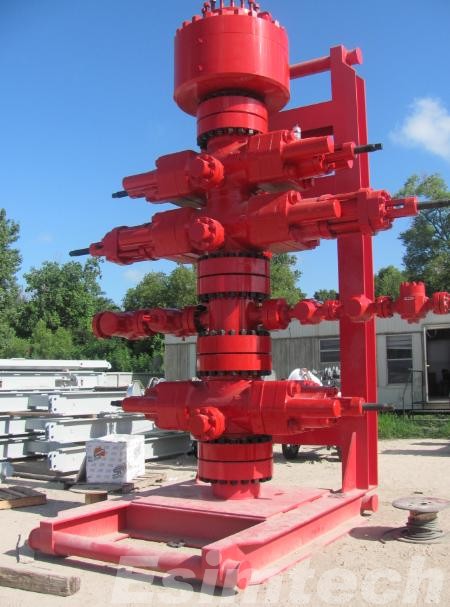
Physical protectors constitute the essence of well control, the reliability of which has a direct effect on how a well can prevent or mitigate. Well control equipment like blowout preventers (BOPs), choke manifolds, and pressure controls must be kept in impeccable condition.
Strict periodic testing and maintenance are carried out to assure proper operation during the worst cases. Devised with redundancies and fail-safe elements, they offer several safety measures which will lessen whatsoever probability for a complete systems failure. Guaranteeing that their parts remain intact stand as fundamental practices for well control.
6. Well Control Training And Simulation
Moreover, human performance, in essence, can make or break well control. In other words, without good performance, abundant technology may still fail. Misinterpretation of data and operations as a consideration is equally to blame. Therefore, strong operational discipline and the following of standard procedures are vital aspects. Above all; the training provided should stress well control principles, situational awareness, and emergency responses.
Introducing well control simulation into training provides almost real-life contexts for complex scenarios, where trainees get the opportunity to respond critically.
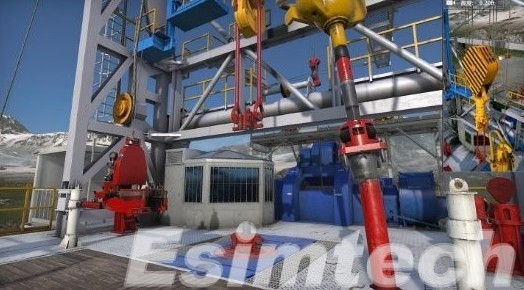
This chart provides various simulations that are used for preventing and mitigating well control failures
| Simulation Type | Description | Key Features | Applications |
| Full-Scale Drilling Simulator | Replicates entire drilling rig operations in a controlled environment | Realistic control panels, real-time data feedback | Training drilling crews in complete well control scenarios |
| Part-Task Simulator | Focuses on specific well control tasks or equipment | Targeted modules (e.g., choke control, shut-in procedures) | Skill enhancement for specific operations |
| Kick Simulation | Simulates formation fluid influx scenarios | Adjustable pressure profiles, influx modeling | Training in early kick detection and response |
| Blowout Simulation | Models worst-case well control failures | Emergency response scenarios, high-pressure modeling | Preparing teams for extreme situations |
| Managed Pressure Drilling (MPD) Simulation | Simulates controlled pressure drilling techniques | Dynamic pressure control, closed-loop systems | Training in advanced drilling methods |
| Digital Twin Simulation | Virtual replica of a real well using live or historical data | Real-time synchronization, predictive analytics | Performance optimization and risk prediction |
| Virtual Reality (VR) Simulation | Immersive training using VR environments | 3D visualization, interactive scenarios | Enhancing engagement and situational awareness |
| Cloud-Based Simulation | Remote-access simulation platforms | Online access, multi-user collaboration | Flexible training across locations |
| Scenario-Based Simulation | Predefined or customizable well control scenarios | Variable conditions (pressure, equipment failure) | Preparing for diverse operational challenges |
| AI-Driven Simulation | Uses artificial intelligence to generate adaptive scenarios | Learning algorithms, automated feedback | Personalized training and continuous improvement |

7. Barrier Management and Redundancy
In the containment of the situation bar, no one can deny the importance of ‘Barrier Management’. It is defined as establishing multiple independent barriers to prevent uncontrolled flow of formation fluids. By extension, these barriers will find solid expression in such things as casing and cement, that is, the physical components, as well as control and monitoring mechanisms.
Maintaining the health of every barrier is a must. Regular checks and verifications will ensure that all barriers stay operational throughout drilling. The insurance policy is the redundant safety net that averts the total loss of process control in the event of one barrier’s failure.
8. Emergency Response and Mitigation Approaches
Despite preventive measures, situations may arise where well control is compromised. In such cases, effective mitigation strategies are essential to minimize damage and restore control.
This chart offers key emergency response and mitigation measures for well control failures
| Measure | Description | Key Actions | Expected Outcome |
| Immediate Well Shut-in | Rapid closure of the well to stop fluid influx | Activate Blowout Preventer (BOP), close valves | Stops formation fluids from entering the wellbore |
| Kick Circulation (Well Killing) | Controlled removal of influx using drilling fluid | Apply methods like Driller’s Method or Wait-and-Weight | Restores well pressure balance |
| Blowout Preventer (BOP) Activation | Use of BOP system to seal the wellbore | Engage ram or annular BOP preventers | Prevents uncontrolled release of hydrocarbons |
| Choke and Kill Operations | Managing pressure through choke manifold | Adjust choke to control flow and maintain pressure | Stabilizes wellbore pressure |
| Evacuation Procedures | Removal of personnel from hazardous zones | Activate alarms, follow evacuation routes | Ensures personnel safety |
| Gas Detection and Monitoring | Continuous monitoring of hazardous gases | Use gas detectors and alarm systems | Early warning of dangerous conditions |
| Ignition Prevention | Minimizing risk of fire or explosion | Shut down electrical systems, eliminate ignition sources | Reduces explosion risk |
| Relief Well Drilling | Drilling a secondary well to control the blowout | Intersect original well and pump heavy mud | Permanent well control solution |
| Emergency Communication Systems | Coordinated communication during incidents | Use radios, control rooms, emergency protocols | Ensures organized and timely response |
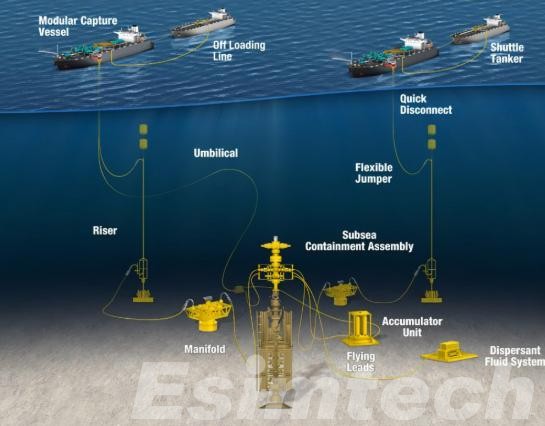
| Well Capping and Containment | Installation of capping stacks or containment systems | Deploy capping equipment on wellhead | Stops flow and contains hydrocarbons |
9. Digitalization and Technological Advancements
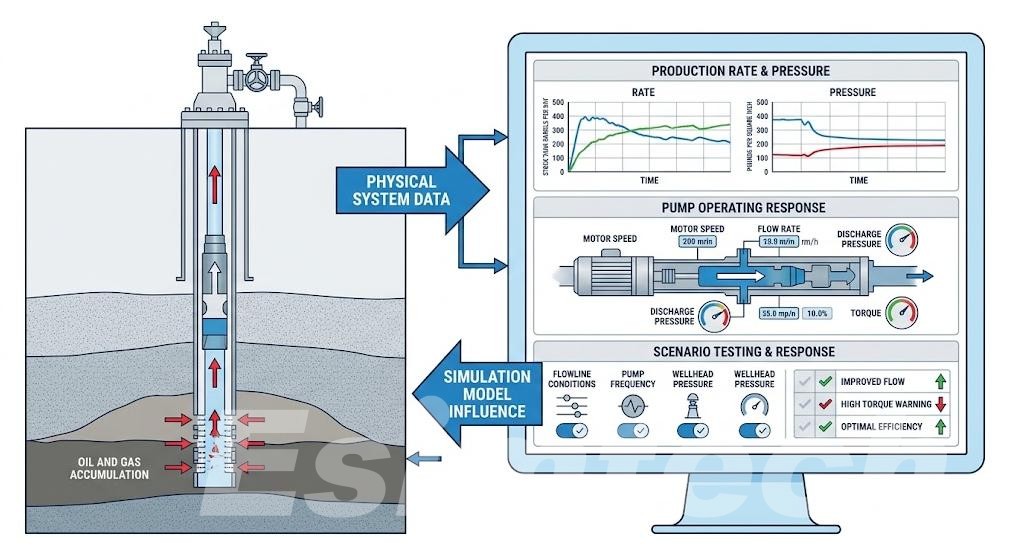
Digital transformation-driven well control are overhauling prevention and control capabilities. Integrating sensors, data analytics, and automation will bring a better understanding of well conditions and allow quicker decision-making.
The combined effort of predictive analytics and automated systems may identify and prompt checks on a possible problem even before they turn into reality. Meanwhile, remote monitoring centers provide greater oversight of safe operations as operation experts can assist in the course of resolving difficulties in any field operation or activity. All technical advances will improve the pertinence and efficiency of well control processes considerably.

10. Learning from Past Incidents and Regulatory Compliance
Past well control failures have been prominent in bringing invaluable forward points on the enhancement of the industry’s practices. As an example of one such tragedy deeply impacting the very next day, the Deepwater Horizon Oil Spill is one for the regards those companies stand to reap direly, when it is obviously seen that various corners were cut and purfled in a complex interplay between inadequate risk management and system failures. In the wake of the incident, legislative frameworks became exceptionally rigorous, with evident emphasis on safety, accountability, and transparency.
Compliance with these regulations is crucial in order to maintain high safety standards. Through audits, incident analysis, and adoption of best practices, organizations must ensure continual improvement to remain resilient to ongoing challenges.
Summary
Well control failures still remain one of the most significant risk in the oil and gas industry; with the development of technology and improvements in regulations, their occurrence frequency in the industry has been reduced. In that direction, the complex operations of drilling still incur a lot of challenges. The discipline or understanding of what causes these failures, its indicators or early warning signs and implementing effective prevention and mitigation strategies, operators can significantly control or bet on their occurrence in the first place so as to preserve safe and financially efficient well control conditions.