How to Upgrade Offshore Drilling Rigs

Written By: Computer Science Professor
Deeply rooted in the R&D of simulators for the oil and gas industry, committed to bringing safety to every oil worker.
Offshore drilling rigs are one of the most intricate and complicated assets in the energy industry. They deliver top performance in the harshest marine environments, and rigorously follow strict safety policies that respond to changes in safety, regulatory and operational guidelines. As fleets age and exploration of the deeper oceans and more challenging environments expands, the imperative for modernizing offshore drilling rigs rises.
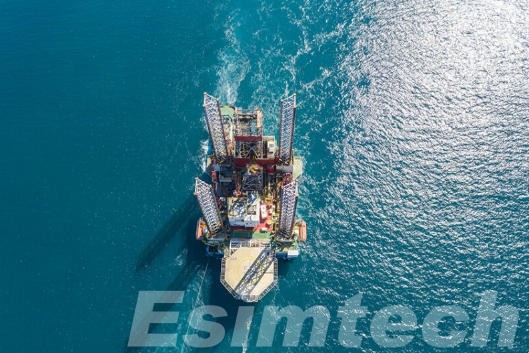
Modernization programs help operators to extend the life of the platform so the cost of its continuation ceases to increase. Upgrading the rig can be thought of, in general, as elongating the life of the rig underway, while drilling can amount to a mere by-product of the system beneficial for work interests. Strategic restructuring is an extremely cost-effective way of making existing assets more competitive and upstanding when it comes to dealing with technological opportunities available to the user base.
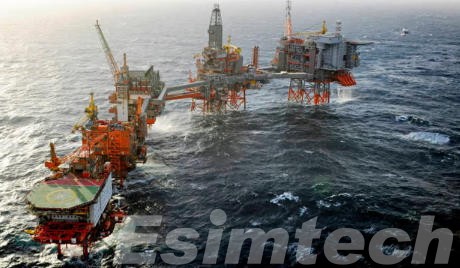
Why Upgrading Offshore Drilling Rigs is Needed
In earlier-generation rigs offshore encountered limited conditions, both in terms of drilling technology and well owing to which upgrading has become difficult, and establishments adopting them are becoming further outdated in these competitions. Of course, while the new drilling project will be at higher load capacities, in deeper waters, and require modern equipment automation and energy-efficiency features, we can see various important advances in every field today, with a high inconsistent rate of bad jobs penetration into drilling activity, integration, and useful life of rigs across the board.
Another main reason for upgrading offshore drilling rigs is since aging equipment increases maintenance and un-planned shutdown costs. Replacing a small boat for a larger and more modern one will keep uptime high and stop one of those costly segues that interfere with drilling operations.
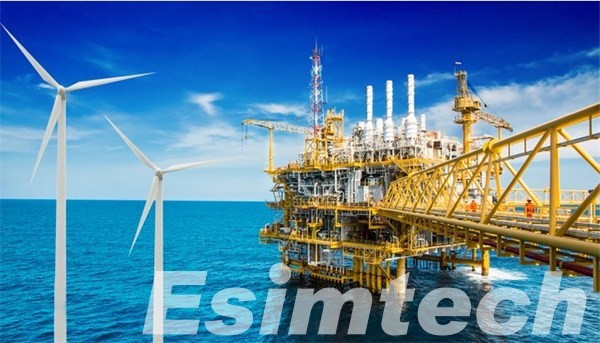
Key Areas of Offshore Drilling Rig Upgrades
| Upgrade Area | Main Components Involved | Purpose of the Upgrade | Key Benefits |
| Structural Systems | Derrick, mast, substructure, hull, deck frames, load-bearing members | Reinforce aging structures and increase load capacity | Longer rig lifespan, improved safety, support for heavier equipment |
| Drilling Equipment | Top drive, drawworks, mud pumps, rotary table, traveling block | Improve drilling performance and reliability | Faster drilling, reduced downtime, higher efficiency |
| Well Control Systems | Blowout preventer (BOP), choke manifold, control panels, emergency shut-in systems | Enhance pressure control and emergency response | Greater well safety, regulatory compliance, lower operational risk |
| Power Generation | Diesel generators, switchboards, transformers, battery storage, hybrid systems | Improve energy supply and efficiency | Lower fuel costs, reduced emissions, stable power output |
| Electrical Systems | Cabling, motors, drives, control centers, lighting systems | Replace outdated equipment and improve reliability | Reduced failures, better power management, safer operations |
| Automation and Digital Control | PLC systems, sensors, SCADA, monitoring software, remote diagnostics | Modernize rig operations through automation | Higher precision, predictive maintenance, lower labor demand |
| Pipe Handling Systems | Iron roughnecks, catwalk machines, cranes, automated handling arms | Reduce manual handling and speed up operations | Improved safety, faster tripping time, reduced crew fatigue |
| Mud Systems | Mud tanks, shale shakers, centrifuges, pumps, fluid monitoring devices | Improve drilling fluid circulation and solids control | Better well performance, lower waste, reduced nonproductive time |
| Safety Systems | Fire detection, gas detection, alarms, emergency shutdown systems, lifesaving appliances | Strengthen onboard safety protection | Safer workplace, faster emergency response, compliance readiness |
| Accommodation Areas | Cabins, galley, HVAC, sanitation, communication systems | Improve living conditions for offshore crew | Better morale, improved productivity, easier crew retention |
| Marine Systems | Thrusters, ballast systems, mooring winches, navigation systems | Upgrade vessel movement and positioning capability | Better station keeping, safer marine operations |
| Environmental Systems | Waste treatment units, emissions controls, spill containment, water treatment | Meet environmental regulations and sustainability goals | Lower environmental impact, regulatory approval, better reputation |
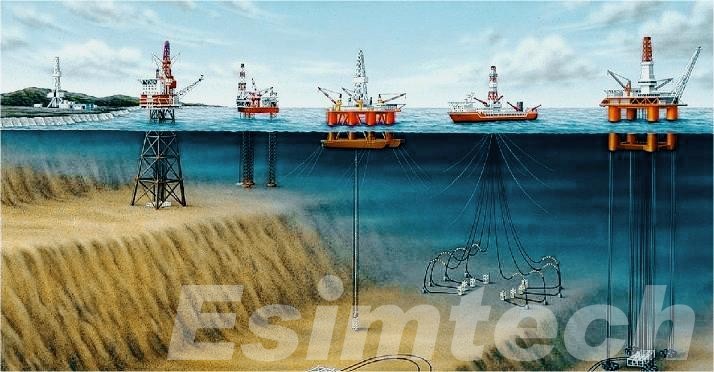
Effective Strategies for Upgrade Offshore Drilling Rigs
The upgrading of existing offshore drilling rigs is usually more cost-effective than buying new rigs; but the determining factor is the strategy the company follows. A truly beneficial upgrade results in an extended service-life, amelioration in the operational capability, and enhancement in the general profitability of an offshore rig.
1. Assess Current Rig Condition and Performance
The initial strategy is to make a comprehensive review and assessment of the existing asset. Factors including the condition of structural integrity, mechanical systems, electricity, drilling performance, and operational systems should all be considered. The aspect pinpoints the obsolete components worn out and outdated technologies and processes finally leading to operation-minute swell. A thorough examination helps rigs to prioritize investments and to keep away from unnecessary alterations. By understanding the rig’s existing condition, operators become capable of progressing on a practical path for rig upgrade for enhanced performance fulfilling the future drilling demands of such operator.
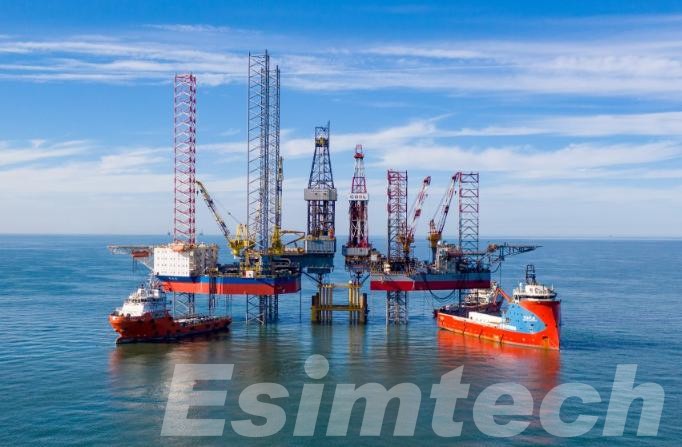
2. Modernize Drilling Equipment
Upgradation of key drilling equipment is the most effective method to increase the forward momentum of the rig. Updated top drives, drawway, mud pumps, rotary system, and pipe handling increases drilling efficiency dramatically.
This new generation of drilling equipment will revolutionize the drilling industry to provide immense support toward more challenging well profiles, such as deeper drilling, moderate-depth drilling, and high-pressure drilling. Moreover, the replacement of antiquated machinery would also reduce equipment failure risks and improve efficiency during critical drilling times.
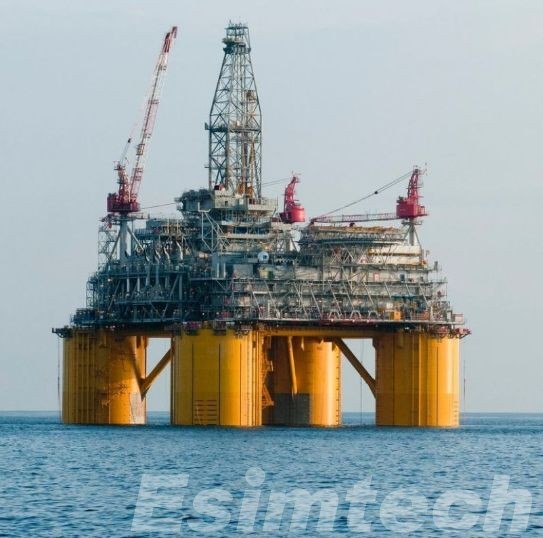
3. Implement Digital Automation and Smart Controls
The automation quickly changed the whole offshore drilling operation. Enhancement of the offshore drilling rigs with digital control systems, integrated sensors, and real-time data of drilling parameters enhances accuracy and quick decision-making opportunities.
Automated pipe handling systems have been reducing manual labor and ensuring superior safety. Once the maintenance software becomes predictive, it becomes smarter in signaling failures and, consequently, brings about lesser downtime. Smart energy management is another great advantage in minimizing the use of fuel and cutting down on operating costs of rigs. They augment the digital overhaul that drags the industry through inefficiencies and positions rigs in a way to contemplate working from remotes or semiautonomous operations.
4. Strengthen Safety and Compliance Systems
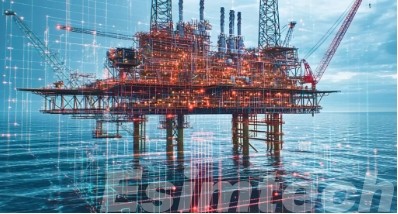
Safety on board is of utmost importance. Many older offshore drilling rigs are in dire need of a modern upgrade to meet most current industry requirements and regulations. Upgrade of blowout preventer controls, fire detection systems, gas monitoring, emergency shutdown systems, and evacuation equipment is very essential.
Enhanced safety systems in offshore rigs protect personnel, reduce operational risk, and cast a more favorable light upon clients. Compliance-related upgrades also enable rigs to become more attractive to contracts in regions of stringent offshore regulations.
5. Improve Power Generation and Energy Efficiency
Energy systems are another major area for strategic improvement. The existing power plants that are based on diesel may lead to high fuel consumption resulting in a rise in the number of emissions. Energy efficiency can be greatly improved with the use of new engines and variable speed drives, utilization of waste heat recovery systems, and the integration of hybrid battery support. Less fuel use lowers operational costs while helping operators meet their environmental goals. Ever-increasingly, green projects will be considered an asset.
6. Enhance Living Quarters and Crew Welfare
Rig productivity hinges so much on the ability of the workforce. Accommodation as well as those facilities that improve quality of life in the offshore sector like air conditioning, communication, and recreational facilities will be upgraded. Cozy and modern living spaces are morale boosters, reduce fatigue, and even help attract a good crew. So crew welfare enhancements during long-durations of offshore campaigns have the potential to directly affect operational performance.
7. Plan Upgrades During Scheduled Downtime
For an offshore rig to undergo modernization, the timing is key, as large upgrades and redevelopments should be aligned with planned maintenance periods, surveys, or contract gaps wherever feasible. This will lessen the loss of revenue and any interference with offshore drilling schedules, although, other whatsoever single-throat efforts may help spread the cost of the upgrade over time. This will allow rigs to continue being operational as long-term plans are approached.
8. Integrate Simulation Technologies
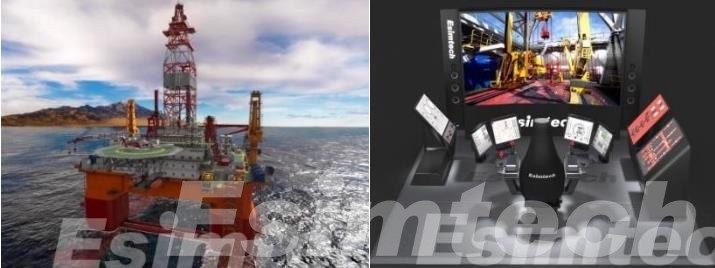
The following chart provides how various oil and gas simulation technologies are used for testing improvements in a virtual environment before physical installation.
| Simulation Technology | Applied in Offshore Drilling Rig Upgrades | How It Supports Modernization | Key Advantages |
| Structural Analysis Simulation | Evaluates derrick, hull, deck, and substructure strength before modifications | Tests whether existing structures can support heavier or new equipment | Improved safety, reduced structural risk, longer rig life |
| Finite Element Analysis (FEA) | Studies stress, fatigue, cracking, and vibration in rig components | Identifies weak points that need reinforcement or replacement | Lower failure rates, better reliability, optimized maintenance |
| Dynamic Motion Simulation | Models rig response to waves, wind, and ocean currents | Assesses stability after adding equipment or changing weight distribution | Safer offshore operation, better stability, improved design decisions |
| Drilling Process Simulation | Simulates drilling performance with upgraded top drives, pumps, and hoisting systems | Tests system efficiency before field installation | Faster commissioning, higher drilling efficiency, lower downtime |
| Well Control Simulation | Recreates kick, pressure surge, and blowout scenarios | Verifies upgraded BOP systems and emergency procedures | Better risk control, stronger safety readiness |
| Power System Simulation | Models generators, load demand, electrical networks, and hybrid energy systems | Ensures new power systems match upgraded rig requirements | Lower fuel use, reliable power supply, reduced emissions |
| Digital Twin Technology | Creates a real-time virtual model of the rig and its systems | Monitors equipment health and tests upgrades virtually | Predictive maintenance, less downtime, continuous optimization |
| Pipe Handling Simulation | Simulates automated catwalks, cranes, and pipe transfer systems | Optimizes layout and workflow before installation | Faster operations, reduced manual handling, improved safety |
| HVAC Simulation | Models airflow, cooling, and ventilation in accommodation and control rooms | Supports crew-area modernization and comfort upgrades | Better living conditions, energy savings, improved habitability |
| Fire and Gas Simulation | Simulates gas leaks, fire spread, smoke movement, and evacuation routes | Enhances safety system placement and emergency planning | Better emergency response, stronger compliance |
| Drilling Training Simulators | Provides virtual training on upgraded drilling controls and emergency systems | Prepares crews for new technologies before deployment | Faster adaptation, fewer operator errors, safer startup |
| Economic Simulation | Compares upgrade cost, downtime impact, and expected ROI scenarios | Helps prioritize modernization projects | Better budgeting, stronger investment decisions |
9. Partner with Experienced Engineering Specialists
Corporations looking to modernize their rigs have to know how to work with experts in marine engineering, drilling systems, and structural engineering, as well as those who make equipment or electronics. A successful collaboration with experienced contractors and technology providers will ensure a successful modification and end product that arrives on time. Strong project management ensures an increase in cost of overruns, difficulties connecting technology, and further matters flaring the right moment to install. Reliable partners regularly provide the necessary support for long-term success of the upgrade.
Challenges in Upgrading Offshore Drilling Rig
The following chart provides common challenges mitigation strategies for the upgrade and modernization of offshore drilling rigs.
| Challenge | Description | Impact on Upgrade Projects | Mitigation Strategy |
| Technical Integration Complexity | Difficulty in integrating modern systems with legacy equipment and outdated interfaces | Delays, compatibility issues, increased engineering workload | Conduct detailed system audits and use modular, compatible technologies |
| Structural Limitations | Existing structure may not support additional loads or new equipment | Safety risks, restricted upgrade scope | Perform structural analysis and reinforce key load-bearing components |
| High Capital Investment | Significant upfront cost for equipment, engineering, and installation | Budget constraints, delayed decision-making | Prioritize high-ROI upgrades and implement phased investment plans |
| Operational Downtime | Upgrades may require temporary shutdown of rig operations | Loss of revenue and project delays | Schedule upgrades during planned maintenance or contract gaps |
| Regulatory Compliance | Need to meet updated offshore safety and environmental regulations | Approval delays, potential redesign requirements | Engage classification societies early and ensure compliance planning |
| Supply Chain Constraints | Limited availability of specialized equipment and long lead times | Project delays and cost escalation | Source from reliable suppliers and plan procurement in advance |
| Skilled Workforce Shortage | Lack of personnel experienced in new technologies and upgrade processes | Installation errors, slower project execution | Provide training programs and collaborate with experienced contractors |
| Space Constraints | Limited deck space for installing new systems or expanding equipment | Design compromises and reduced efficiency | Optimize layout using simulation and compact system designs |
| Data and Documentation Gaps | Incomplete or outdated records of existing rig systems | Engineering uncertainty and redesign risks | Conduct thorough inspections and update documentation before upgrades |
| Safety Risks During Installation | Working in offshore environments while upgrading increases risk exposure | Potential accidents and project interruptions | Implement strict safety protocols and phased installation procedures |
| Technology Obsolescence | Risk that selected upgrade technologies may become outdated quickly | Reduced long-term value of upgrades | Choose scalable, future-ready, and upgradable solutions |
| Project Management Complexity | Coordinating multiple contractors, timelines, and technical scopes | Cost overruns and scheduling conflicts | Use experienced project managers and integrated planning tools |
Future Trends in Upgrading Offshore Drilling Rigs
From digital automation to cleaner power systems, the next generation of offshore drilling rig upgrades will focus on automated operations, sustainability, and long-term asset value.
1. Predictive Maintenance and Condition Monitoring
Scheduled or reactive maintenance models are mostly preferred in traditional maintenance setups; the upgrades happening in maintenance involve an increased engagement in predictive maintenance practices, which is facilitated by scrutinizing the machine condition to avoid any future failures. With the proper inclusion of a few more sensors like vibration, temperature, lubrication analysis tools and diagnostic programs can help the grip of rig owners much more secured about the mud pumps, generators, top drives, and other rotating machinery. This is due to predictive maintenance saving up on repair costs and enhancing uptime periods; the life span of equipment is, therefore, extended by the same.
2. Automation and Lowering of Manual Work Processes
Modern advanced technologies have taken into consideration the addition of automation. Using current string handling systems, within drilling controls, deck working can be converted to an automated regimen for improved and more rapid intra-operations.
Automated catwalks, robotic handling arms, iron rough hands, and remote-control systems help transfer the brunt of hazardous zones into the hands of the machines and away from the bodily part of the human being. Increased safety through integrity of purpose and operational efficiency mark our transformation beyond the antiquated status quo.
3. Energy Efficiency and Emission Reduction
Material constraints have led to the emergence of environmental performance as one of the major determinants. Programs for future modernization are expected to include hybrid power systems, energy storage systems comprising batteries, energy-efficient motors, and sophisticated load control systems. The modernized oil rig in use can be more concerned about saving fuel by using the generator in competition with minimal idle power losses. Increased emphasis on the development of emission reduction technologies and cleaner engine solutions will accompany the enforcement of increasingly stringent environmental statutes in the future.
4. Enhanced Safety Systems
In future rig upgrades, safety will be the most important consideration. High-tech detection systems for fires and gases are quickly being introduced, as are advanced emergency shutdown systems. Safety devices such as wearable gas detectors and safe-arm packs are also being worn. Being in tune with the safety and operational ethos, the emergence of wearable gas detectors and safe-arm packs will improve crew safety, regulatory compliance, and client assurance.
5. Modular Retrofit Solutions
Here, the future of rig upgrades is that it will work towards some modular retrofit packages for quicker breakdowns and constricted costs. Instead of lengthy shipyard overhauls, engineers could be in the process of pre-engineering; a power module, an automation operation, or a mud treatment system enhancement. It is believed that.: The approach can significantly hasten the schedule of assembly and reinstate rigs faster to service in upgraded conditions doing a great job on modernization.
6. Upgrades for Deeper and More Complex Wells
With the increased exploration that goes into deeper waters and more technically challenging reservoirs, the offshore rigs need to be designed to handle higher pressures, heavier loads, and advanced drilling programs. Such upgrades involve more robust hoisting systems, improved well control equipment, and higher-capacity mud systems besides greater wisdom in self-propelled waterborne operations. These advanced modification schemes enable older units to enter into more challenging projects.
7. Sustainability and ESG Alignment
Enthusiasm around the Environmental, Social, and Governance (ESG) strategy has been fired up amongst the investor community, and this becomes imitable in the oil and gas energy industry. Hence, rig owners have begun to make a sizeable investment in the upgrading of assets to enhance sustainability metrics, but also reduce emissions, reduce waste, improve water treatment, and make the crew welfare facilities better. Improving facilities and thus upgrading assets can wax the commercial attractiveness, besides supporting evergreen revenue targets within global markets.
Final Words
Upgrading offshore drilling rigs indicates is to invest in safety, efficiency and long-term competitiveness. Thorough improvement in mechanical systems, controls, safety equipment and energy productivity helps rig owners to modernize even the aging rigs into new and capable rigs able to take on future offshore challenges.