How Does an Oil Well Work? Key Components and Working Process

Written By: Computer Science Professor
Deeply rooted in the R&D of simulators for the oil and gas industry, committed to bringing safety to every oil worker.
A complex system of components comes together beneath the Earth’s surface to form the crucial structure known as an oil well, delivering the precious resource that powers our contemporary world. The sophisticated processes required in collecting oil from the earth are nothing short of amazing. This article delves into the topic of how an oil well works, exploring its key components and detailed working process.
What are the Fundamental Components of an Oil Well?
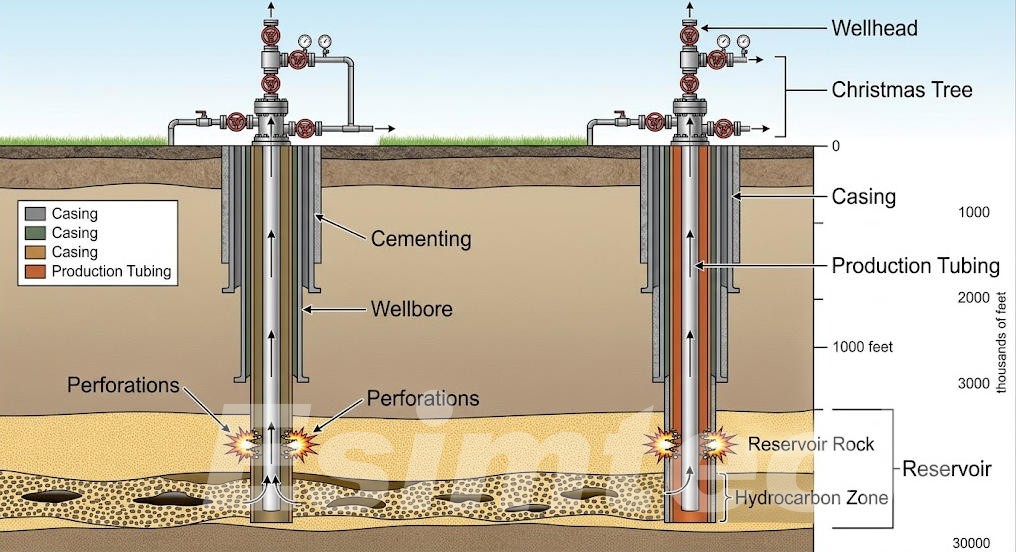
An oil well represents a sophisticated engineering structure comprised of many layers designed to extract hydrocarbons from underground formations safely. In order to gain a deeper understanding of its operation, it is necessary to classify its main parts according to their functionality into four major categories, which include underground formations, wellbore structures, surface controls, and artificial lifts/downhole tools.
Underground Structures & Formations
- Reservoir: The underground geological formation made up of porous and permeable rocks that contain hydrocarbons (crude oil and natural gas) under high pressure.
- Reservoir Fluids: The complex substance containing crude oil, natural gas, and formation water accumulated within pore spaces of a reservoir formation.
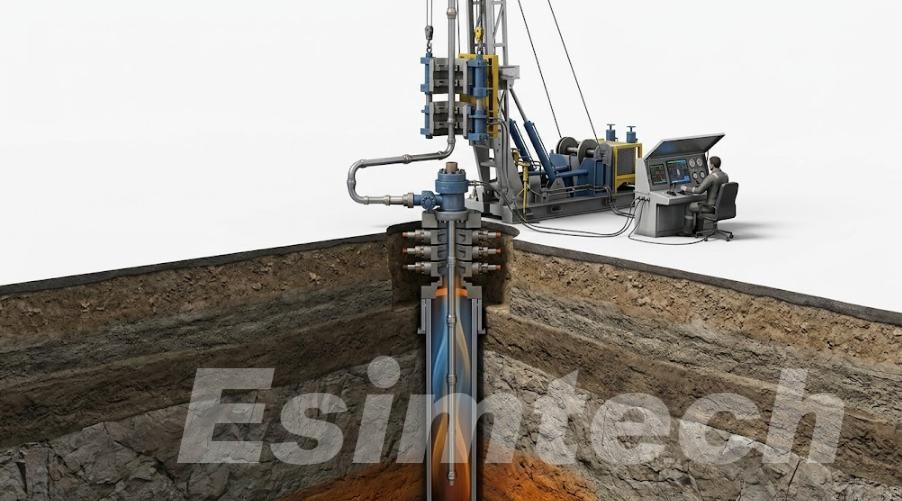
- Wellbore: The wellbore itself is an actual drilled hole through the earth’s crust. It serves as the foundation for all subsequent casing, cementing, and completion operations.
Well construction and integrity
- Casing: Large steel pipes installed inside the wellbore and fixed in place with cement. It stops the borehole wall from collapsing and isolates various geologic formations. Casing is used to protect shallow water aquifers from contaminants.
- Cementing: The process that involves filling the space between the wellbore wall and casing with cement. Cementing supports the casing and creates zonal isolation to prevent fluid migration behind the pipe.
- Production tubing: A small pipe installed inside the casing allowing the reservoir fluids to pass upwards from the reservoir. Unlike casing, tubing can be changed within the well lifetime, and such practice can be performed in a virtual environment with the help of Esimtech Well Intervention Simulator.
- Perforating: A procedure aimed at drilling holes through casing and cement with the use of a perforation gun. They provide a way for reservoir fluids to enter tubing.
Surface Control and Safety Systems
- Wellhead: A structural part located on the surface of the well, used to contain pressure in the interface of the well. It holds the casings that are installed in the well and also forms the anchorage point for control equipment on the surface.
- Christmas Tree: An arrangement consisting of valves, spools, and other pieces of equipment installed on the wellhead. It helps to regulate the flow of oil and gas from the well.
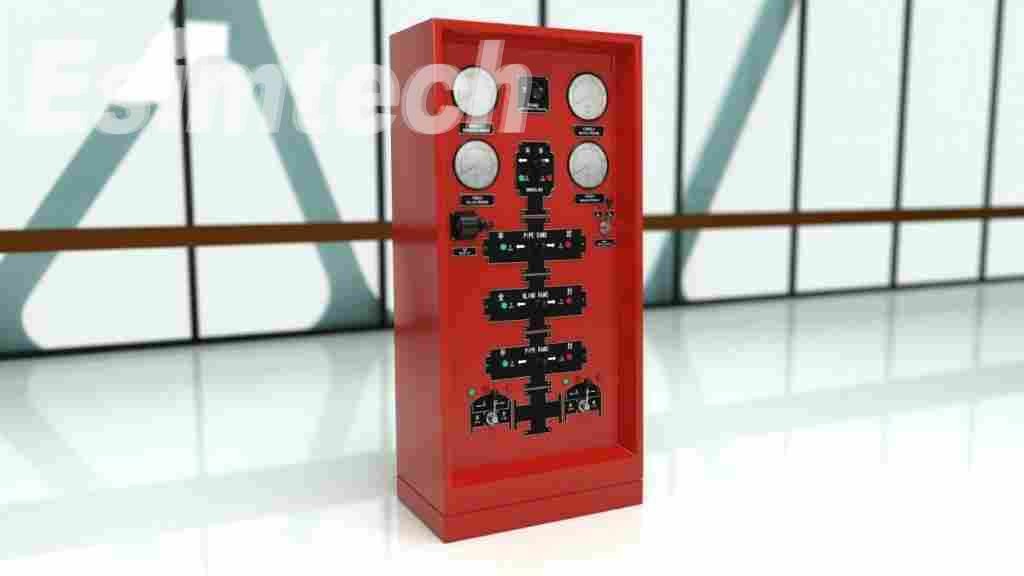
- Blowout Preventer (BOP): A high-pressure safety valve system that is installed on the well during the drilling and intervention process in order to prevent a blowout of crude oil or natural gas. Due to the instantaneous nature of decision-making in well control, practicing responses to emergencies using the Esimtech Well Control Simulator is a good way to practice.
Artificial Lift and Downhole Tools
Pumping Units (Artificial Lift): Any type of mechanical device, such as a beam pump (sucker rod pump) or Electrical Submersible Pump (ESP), which serves as an artificial mechanism for lifting hydrocarbons from underground due to inadequate pressure within the reservoir.
Bottomhole Assembly (BHA): Lower end of the drill string, placed above the drill bit. It consists of various components, including drill collar, stabilizer, mud motor, and directional drilling tools. Modern drilling operations demand specialized knowledge for interpreting the data obtained by the BHA.
What is the Detailed Working Process of an Oil Well?
1. Exploration and Site Selection
Exploration is the first step in the journey of an oil well. Geologists and engineers use seismic surveys, geological mapping, and advanced technology to locate potential oil reserves. Once a promising site is identified, the well’s location is carefully chosen based on geological data and accessibility.
2. Drilling
Drilling is the process of digging a hole in the Earth’s surface in order to reach an oil reservoir. For this reason, a drilling rig is used, which is outfitted with a drill bit that revolves and penetrates the ground. Steel casing is placed as drilling advances to support the well’s structure and avoid collapse. Drilling mud, a mixture of water, clay, and additives, is pushed down the well to cool the drill bit, transport rock fragments to the surface, and keep pressure constant.
A well-logging simulator system is a piece of computer software that simulates the behavior of electromagnetic waves as they travel through the geological strata surrounding a borehole. A “logging tool” is dropped into the borehole during the drilling operation to collect data about the rock formations and fluids surrounding the well. This information is utilized to construct a subsurface image and identify prospective hydrocarbon reserves.
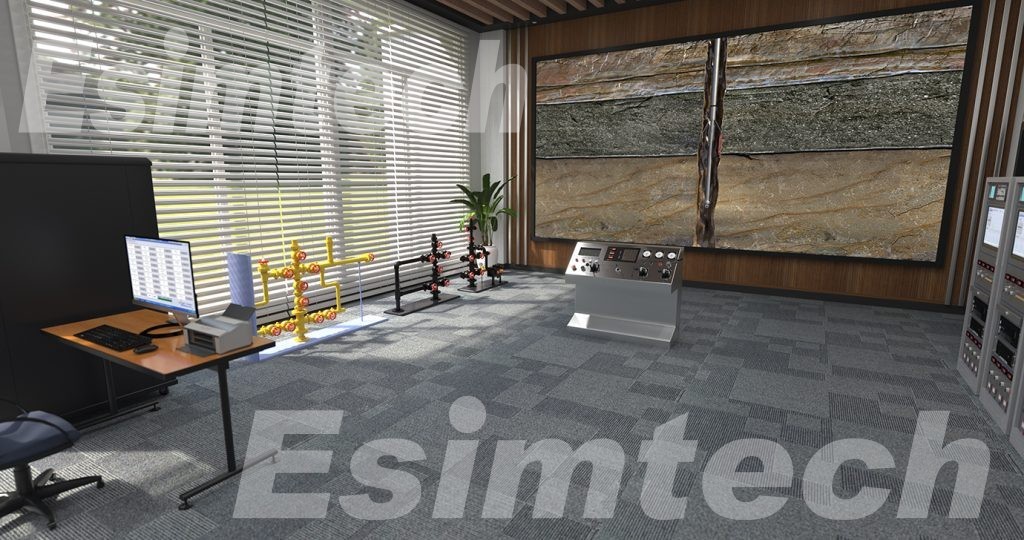
Key Features
- High-quality data acquisition
- Customized software and hardware
- Precise mathematical and physical models
- Real-time data analysis
3. Well Completion
The well is completed after reaching the oil-bearing rock formations by placing wellheads and valves. These components ensure a safe and controlled extraction environment. The casing is cemented in place to form a barrier between the well and the surrounding rocks, which prevents leaks and maintains stability.
4. Extraction
After the well has been prepped, extraction can commence. Because oil is less dense than water, it naturally rises through porous rock formations, accumulating in reservoirs known as oil traps. Pressure within the reservoir pushes the oil to the surface. If reservoir pressure is insufficient, artificial means such as water or gas injection may be utilized to improve oil recovery.
5. Primary Recovery
Natural pressure within the reservoir forces oil to the surface during primary recovery. This phase can last a long time, but gradually the pressure declines and the pace of oil extraction slows.
6. Secondary Recovery
Secondary recovery strategies are used as the pressure decreases. In order to drive the residual oil into the wellbore, water or gas is injected into the reservoir. This technique preserves reservoir pressure while increasing oil recovery rates.
7. Tertiary Recovery (Enhanced Oil Recovery)
Tertiary recovery entails increasingly advanced processes for extracting difficult-to-reach oil. Injection of chemicals, steam, or carbon dioxide into the reservoir is one method. These compounds affect the viscosity of the oil, displace it, or cause pressure changes that allow it to move.
8. Production and Processing
The extracted oil is pumped to the surface via the wellhead and transferred to storage tanks or processing plants. It is separated from other fluids and contaminants here. Modern technology and equipment ensure that the oil is processed efficiently and responsibly for the environment.
9. Transport and Distribution
Once processed, the oil is transferred to refineries by pipelines, tankers, or vehicles. It is refined into various petroleum products such as gasoline, diesel, and jet fuel in refineries.
10. Maintenance and Monitoring
Continuous maintenance and monitoring of oil wells is required to guarantee safe and effective operations. Regular inspections, well tests, and compliance with environmental rules are critical for reducing hazards and environmental impact.
Why Choose Well Intervention Simulators to Improve Oil Well Working Efficiency?
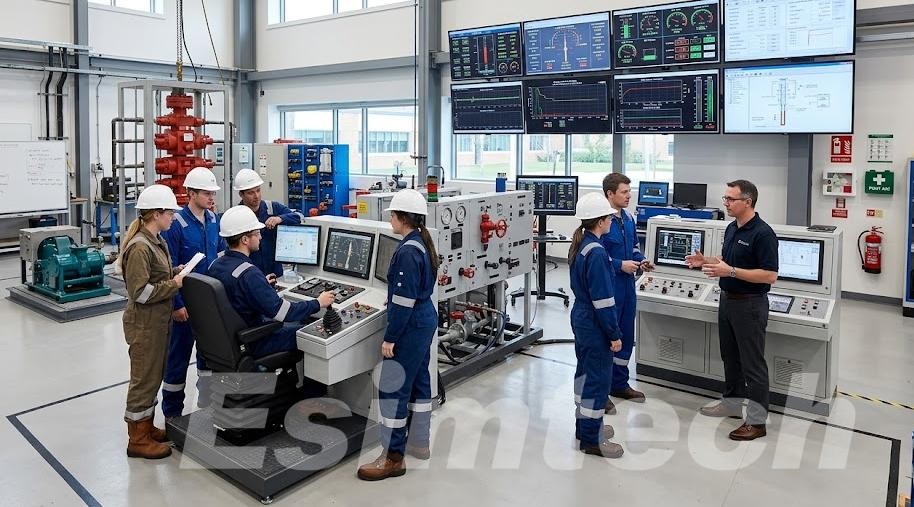
Well intervention simulators for the oil and gas industry are specialized software programs or physical models meant to simulate a wide range of well intervention procedures, such as those carried out throughout the drilling, completion, and production phases of an oil well’s lifecycle.
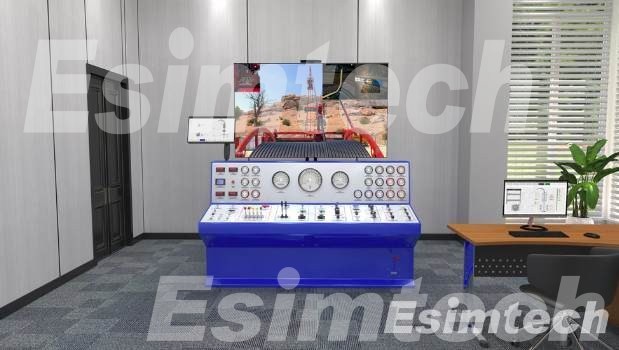
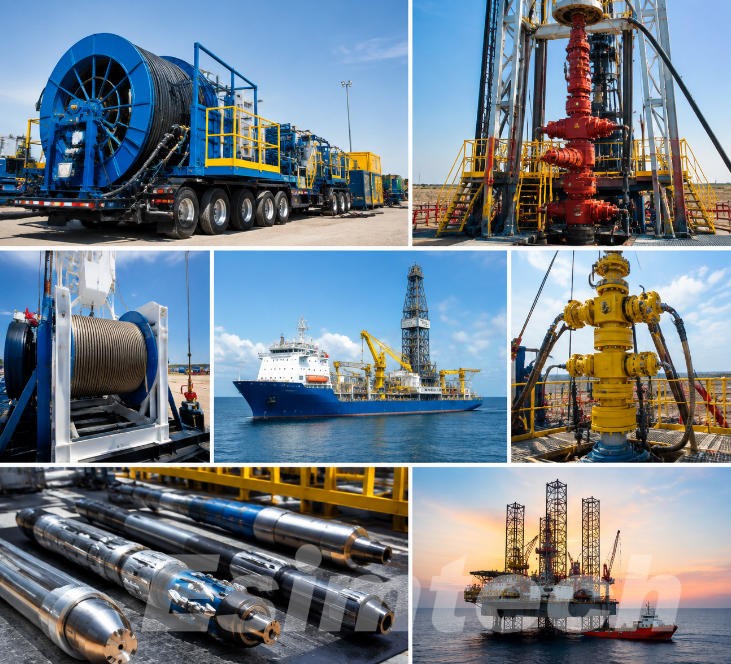
Well intervention operations such as wireline, coiled tubing, hydraulic workover, snubbing, and fishing can all be reproduced using these simulators. Well intervention simulators that are often utilized include coiled tubing simulators and snubbing simulators. The simulators can simulate the behavior of a well and its surrounding formation under a variety of operating situations, including changes in well pressure and temperature, wellbore geometry, and reservoir parameters. They can also imitate the behavior of various intervention tools and equipment, including pumps, valves, and sensors, allowing operators to practice correct tool usage and placement in a controlled and safe environment.
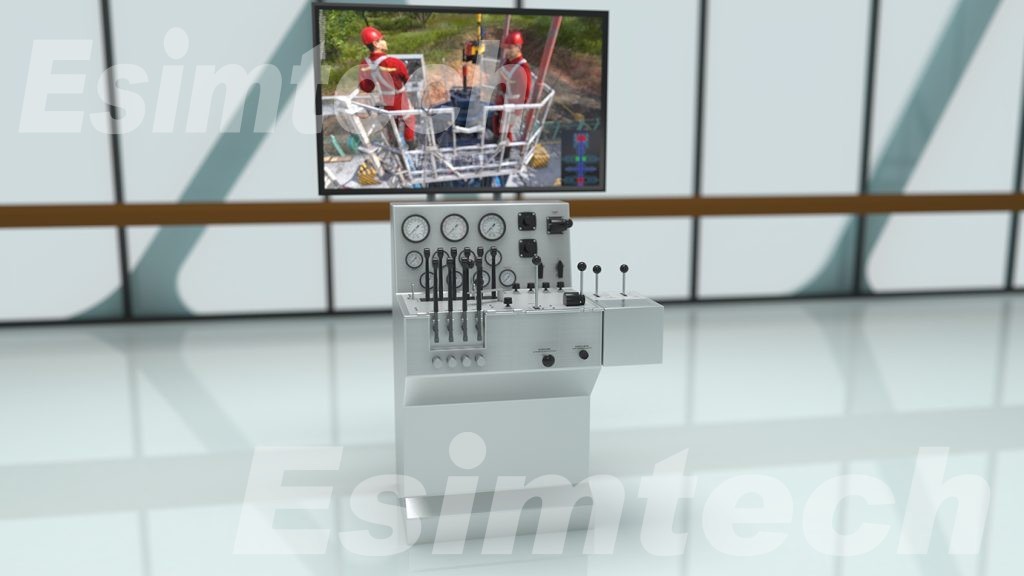
Using well intervention simulators can assist in minimizing accident risk, improving operation efficiency, and improve the quality of well intervention operations. They can also assist operators in optimizing their operations by identifying potential difficulties and analyzing various intervention options prior to implementation in the field.
Conclusion
From exploration to extraction, the complicated journey of an oil well is a monument to human ingenuity and technical innovation. Oil wells are critical to meeting global energy demands, changing economies, and propelling growth. Understanding how an oil well works provides insight into the complex mechanisms that power our contemporary world while emphasizing the significance of responsible extraction and environmental management.