What is an Oil and Gas Gathering System

Written By: Computer Science Professor
Deeply rooted in the R&D of simulators for the oil and gas industry, committed to bringing safety to every oil worker.
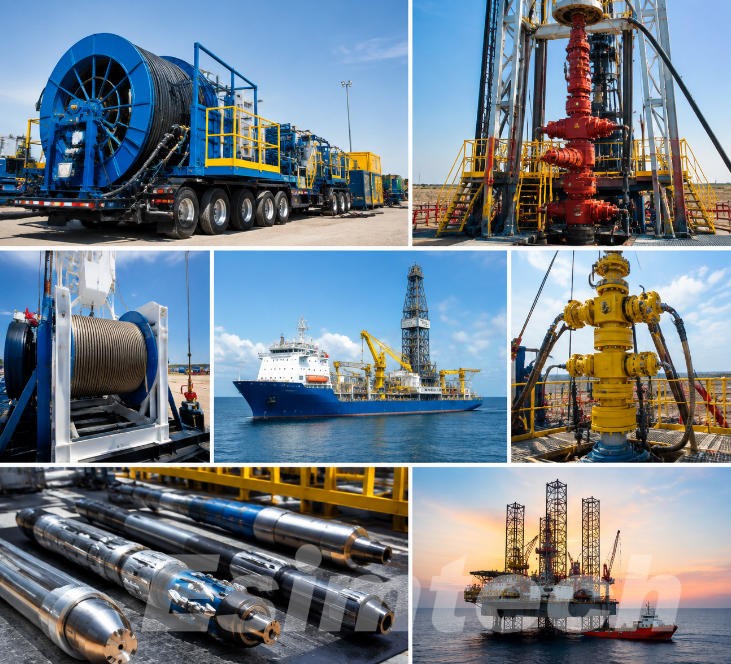
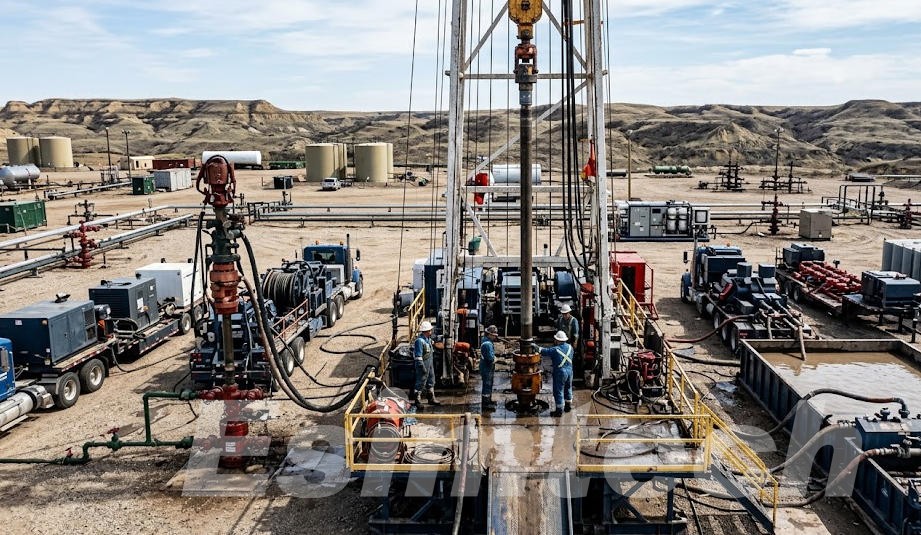
Oil and gas gathering systems act as the transportation network, where crude oil, natural gas, produced water, and condensates are gathered up from a bunch of wells, and then moved over to central processing facilities, storage terminals or transmission pipelines. Since worldwide energy demand keeps climbing and the oilfields become more complex all the time, these gathering systems are also shifting. You can see advanced technologies showing up, more automation, better corrosion management approaches, and digital monitoring tools working in the background. Overall, today’s gathering systems aren’t just about moving fluids efficiently; they also aim at safety, environmental protection, and dependable operations, even when conditions get rough.
Oil and Gas Gathering System Overview
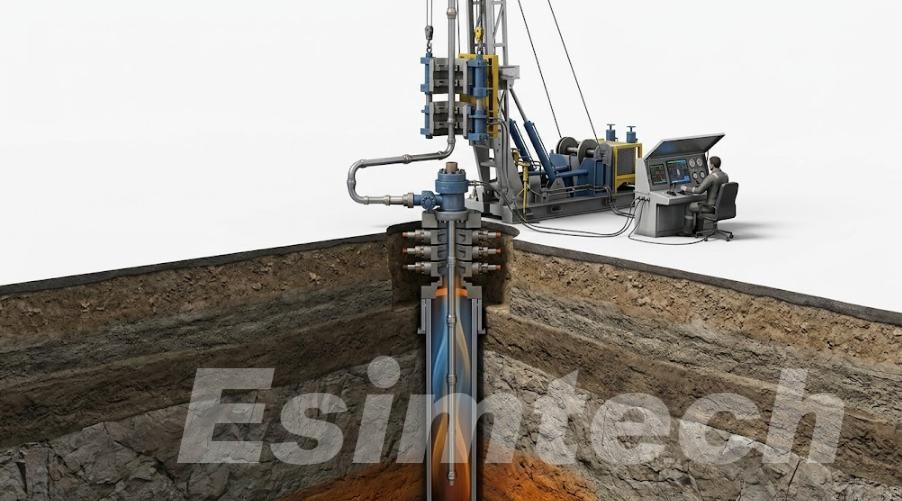
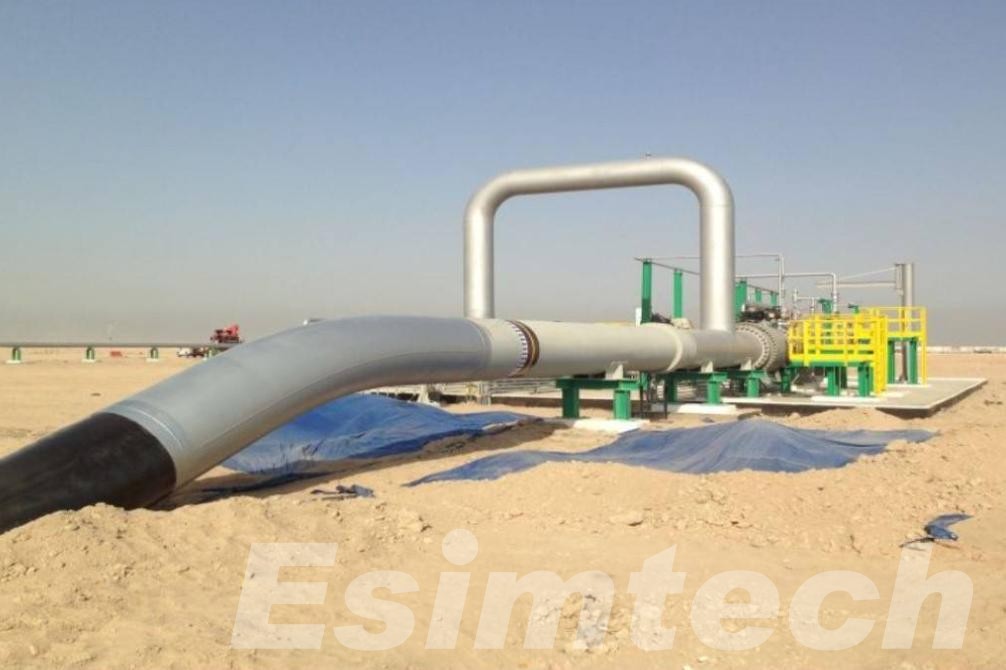
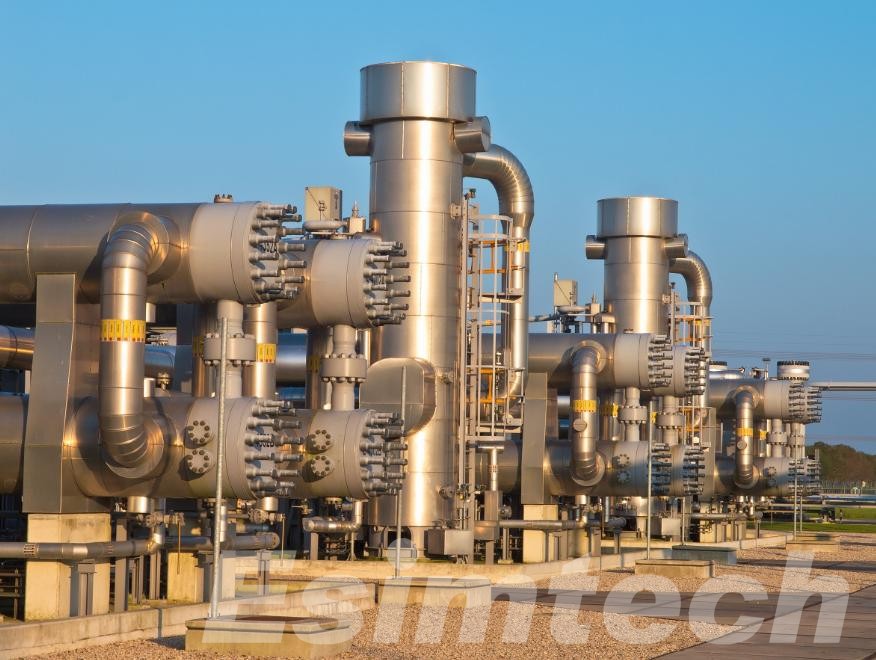
An oil and gas gathering system is basically like a network of pipelines, pumps, compressors, valves, separators, and monitoring equipment that helps collect hydrocarbons from producing wells. It ties up the individual wellheads to centralized facilities, where the fluids are processed, separated, treated and then made ready for oil transportation or refining.
Now the gathering systems can look very different, depending on the kind of reservoir, how much you’re producing, local geography, climate conditions, and even the behavior of the fluids. For example, offshore setups and onshore setups can be quite far apart in how they’re designed, what materials they use, and also how complicated they are to run day to day.
But really, the main purpose stays pretty steady, to move production fluids in a safe and efficient way, while keeping pressure losses low, reducing operational downtime, and limiting environmental risks too.
Main Components of Oil and Gas Gathering Systems
| Component | Primary Function | Key Equipment Included | Importance |
| Wellhead and Flowlines | Collect produced fluids from wells and transport them to collection points | Wellheads, flowlines, choke valves | Initiates the transportation process from the reservoir to the gathering network |
| Manifolds | Combine production from multiple wells and control flow distribution | Production manifolds, control valves | Improves operational flexibility and production management |
| Gathering Pipelines | Transport oil, gas, water, and condensate to processing facilities | Steel pipelines, coated pipes, fittings | Forms the main transportation network of the field |
| Separation Equipment | Separate oil, gas, water, and solids from production streams | Two-phase separators, three-phase separators | Ensures proper treatment and processing of produced fluids |
| Pumps | Maintain liquid flow and overcome pressure losses | Centrifugal pumps, positive displacement pumps | Supports stable transportation of crude oil and produced water |
| Compressors | Increase gas pressure for transportation through pipelines | Reciprocating compressors, centrifugal compressors | Essential for efficient natural gas gathering and delivery |
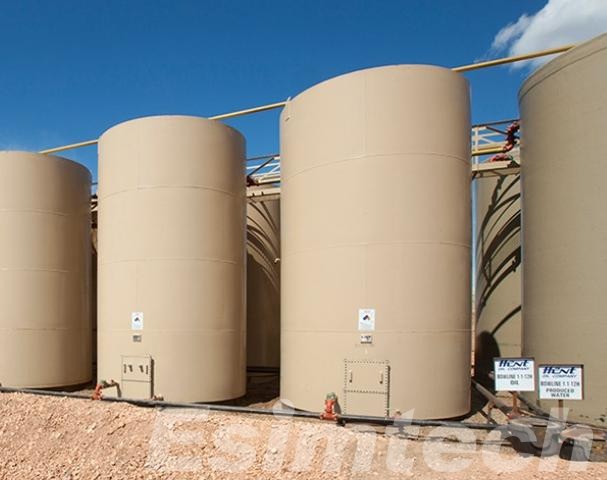
| Storage Tanks | Temporarily store produced fluids before processing or transportation | Crude oil tanks, condensate tanks, water tanks | Provides operational flexibility and production buffering |
| Control and Monitoring Systems | Monitor and automate gathering system operations | SCADA systems, sensors, control panels | Enhances safety, efficiency, and real-time operational control |
| Valves and Safety Devices | Regulate flow and protect equipment from unsafe conditions | Gate valves, pressure relief valves, shutdown systems | Critical for system safety and maintenance operations |
| Metering Systems | Measure production volumes and flow rates | Flow meters, pressure gauges, temperature sensors | Supports production tracking, custody transfer, and optimization |
Types of Oil and Gas Gathering Systems
| Type of Gathering System | Description | Main Fluids Handled | Features | Applications |
| Oil Gathering System | Designed to collect and transport crude oil from production wells to central processing or storage facilities | Crude oil, produced water, associated gas | Uses pumps, storage tanks, and oil pipelines; may include heating systems for heavy oil | Onshore oilfields, heavy oil production, conventional reservoirs |
| Gas Gathering System | Collects natural gas from wells and transports it to gas processing plants | Natural gas, condensate | Requires compressors, dehydration units, and pressure management systems | Natural gas fields, shale gas operations, offshore gas production |
| Multiphase Gathering System | Transports oil, gas, and water together in a single pipeline without complete separation at the well site | Mixed oil, gas, and water streams | Reduces surface equipment and infrastructure costs; requires advanced flow assurance management | Remote oilfields, offshore production systems, subsea developments |
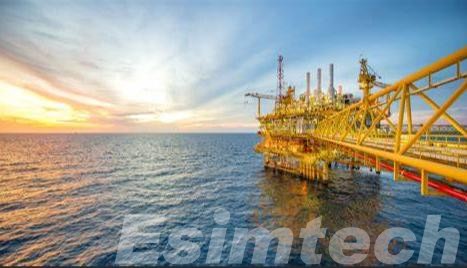
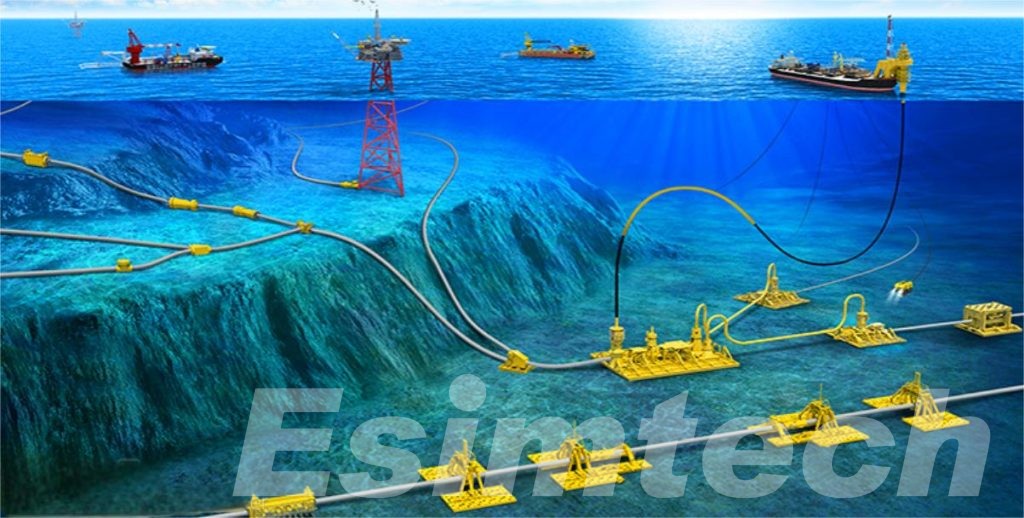
| Offshore Gathering System | Operates in marine environments to transport hydrocarbons from offshore wells to platforms or shore facilities | Oil, gas, condensate, produced water | Includes subsea pipelines, risers, underwater manifolds, and corrosion-resistant materials | Offshore oil platforms, deepwater and ultra-deepwater fields |
| Onshore Gathering System | Located on land and connects multiple production wells to central facilities | Oil, gas, water | Easier maintenance access and lower installation costs compared to offshore systems | Land-based oil and gas fields |
| Low-Pressure Gathering System | Operates under relatively low pressure conditions for mature or low-output wells | Low-pressure oil and gas streams | Simpler equipment requirements and lower operating costs | Mature oilfields and marginal wells |
| High-Pressure Gathering System | Designed for high-pressure reservoirs and large production volumes | High-pressure oil and gas streams | Requires stronger pipelines, advanced safety systems, and pressure control equipment | Deep reservoirs, high-production gas fields |
| Centralized Gathering System | Multiple wells feed into one central processing facility | Oil, gas, water | Simplifies processing and monitoring operations | Large oil and gas fields with centralized infrastructure |
| Satellite Gathering System | Small remote collection stations send production to a main processing center | Oil, gas, condensate | Improves efficiency in geographically dispersed fields | Remote or scattered well locations |
| Subsea Gathering System | Gathering infrastructure installed on the seabed for underwater production | Offshore oil and gas streams | Uses subsea manifolds, pipelines, and remotely operated systems | Operates under relatively low-pressure conditions for mature or low-output wells |
Key Design Considerations for Oil and Gas Gathering Systems
1. Flow Assurance
Flow assurance is there to make sure fluids move continuously through pipelines without those annoying blockages or operational disruptions. Typical flow assurance problems include hydrate formation, wax deposition, scaling, and slug flow; sometimes, it happens when conditions shift a little. Engineers generally rely on chemical injection, insulation, heating, and pipeline design optimization to manage these risks, even when the system is in standby.
2. Corrosion Control
Corrosion remains one of the biggest threats to gathering system integrity. Corrosive ingredients such as water, carbon dioxide, hydrogen sulfide, and oxygen can harm pipelines and the related equipment. Corrosion control strategies include protective coatings, cathodic protection, corrosion inhibitors, plus regular inspection programs to catch early deterioration.
3. Pressure Management
Proper pressure control is essential for keeping steady production going, and also to stop pipeline failures before they start. When the pressure gets too high it can seriously damage the equipment, but if it is too low the production efficiency can drop a lot, even if everything else looks fine. Pressure control valves and the monitoring systems around them keep the operating conditions within a safe window, you know like a steady hand.
4. Environmental protection
Oil and gas gathering systems have to follow strict environmental rules. Operators should minimize methane releases, stop leaks early, and protect soil and water resources, because those impacts can linger. In newer designs, leak detection technologies get built in more often, plus there are environmentally friendly operational practices that get used routinely.
5. Safety
Gathering systems run in potentially dangerous settings, with flammable fluids and elevated pressures. Safety systems are meant to avoid explosions fires, and toxic gas releases, even during abnormal events. Emergency shutdown systems, pressure relief devices, and hazard monitoring technologies are key parts of safe operations. Without them, a minor upset can turn into something severe.
Technological Innovations in Oil and Gas Gathering Systems
Modern innovations are reshaping how a gathering network is laid out, watched over, and serviced, letting operators deal with tough production conditions while at the same time lowering operational risk and cost.
1. Digital Monitoring and Real-Time Monitoring
One of the most significant shifts in gathering systems is the inclusion of digital technologies. Rather than depending on periodic manual checks, operators now use ongoing data streams from sensors placed along pipelines, manifold runs and processing nodes. These sensors keep an eye on pressure, temperature, flow behavior, and also overall equipment conditions in real time.
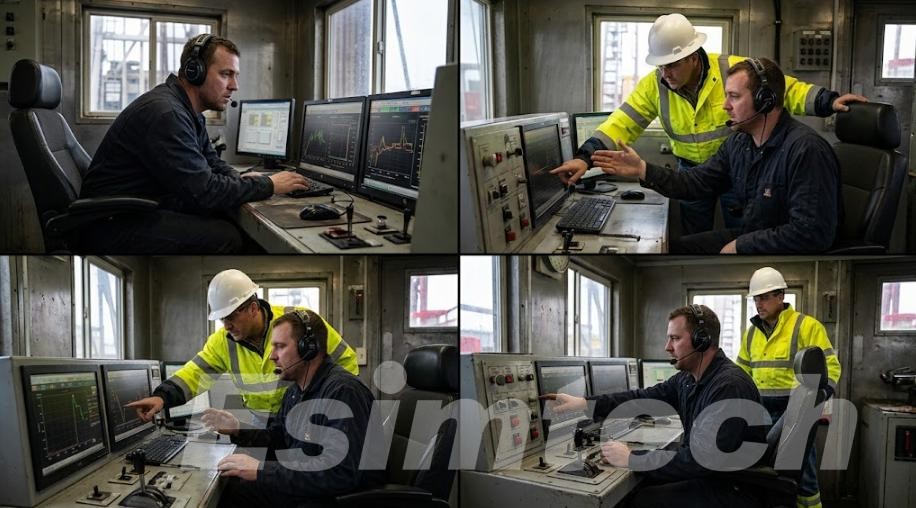
That information is sent to centralized control rooms, where advanced software systems sift through the operational performance. With better sight across the entire network, operators can rapidly spot inefficiencies, catch anomalies, and deal with emerging problems before they grow into failures. The outcome is a more stable gathering operation and easier to forecast, especially in remote or offshore contexts where physical access can be difficult.
2. Automation and Smart Control Systems
Automation is now pretty deeply embedded in modern gathering infrastructure, and the control systems can adjust flow rates regulate pressure, and also tune compressor and pump performance without any direct human presence. That helps cut down operational delays. It also keeps the chance of human error as low as it can be.
In the more advanced setups, intelligent algorithms keep checking the operating conditions and they make adjustments to preserve peak performance. Automated actions are especially helpful in multiphase flow situations, because production characteristics can shift fast and that can quickly shake up system stability.
3. Advances in Pipeline Inspection and Integrity Management
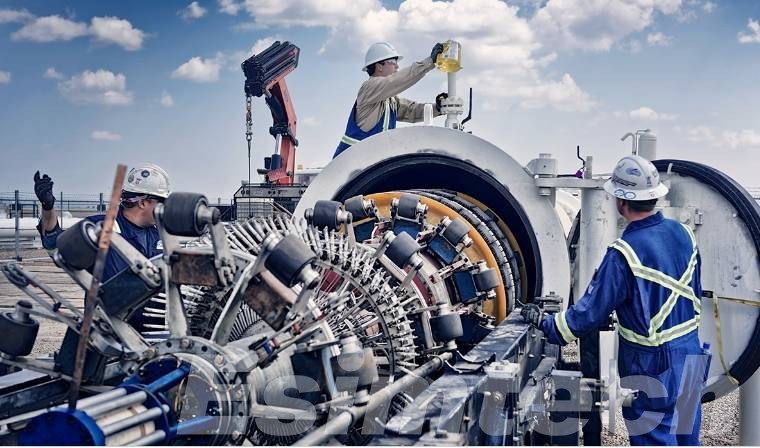
Keeping pipeline integrity has become a constant top priority in gathering systems, and a lot of technological innovation has strengthened how inspections are done. Smarter inspection tools can move through the pipeline while the system is running and they capture high resolution information about what is happening inside.
These technologies can spot corrosion, cracking, deformation, and the buildup of deposits with far better accuracy than traditional methods. The information that gets gathered is then run through specialized software, to help project degradation trends and assist with long-term maintenance planning. This predictive angle cuts down on those unplanned shutdowns, and it helps extend the working life of pipeline infrastructure.
4. Materials Science and Corrosion Resistance Improvements
Gathering systems often run in rough settings where the pipelines are in contact with corrosive fluids, high pressures and extreme temperatures. In material science, progress has produced more robust pipeline materials with stronger corrosion resistance.
Modern coatings and composite materials are now more and more applied for protecting the inner and outer surfaces of pipelines. These changes can lower the corrosion pace, reduce leak related hazards, and make maintenance interventions happen less often. In offshore settings and sour gas operations, these improvements matter even more, because long term system reliability is basically the goal.
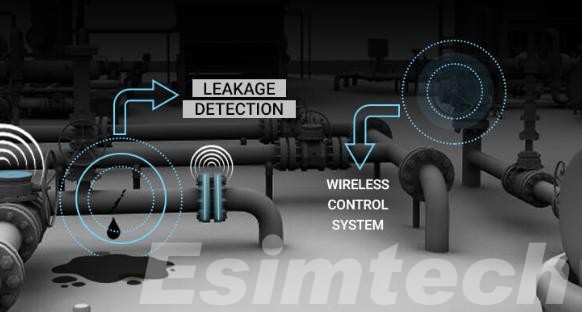
5. Leak Detection and Environmental Safeguards
Protecting the environment has turned into a major priority across oil and gas activities, so gathering systems are being fitted with more advanced leak detection capabilities. Usually these setups blend acoustic sensing with pressure analysis, fiber optic monitoring, and smart data analytics. Together, they can identify leaks at early stages, before problems spread.
Some systems can even detect those slight shifts in flow patterns that suggest potential breakdowns well before any physical leak shows up. That early warning capability makes it easier for operators to react quickly, so environmental harm stays limited and greenhouse gas emissions get reduced.
6. Energy Optimization in Compression and Pumping Systems
Energy use is one of the biggest day-to-day expenses in gathering systems, especially in gas compression and in long distance liquid transport. Recent advances aim at boosting efficiency by using more intelligent control of compressors and pumps.
Variable-speed drives and adaptive control methods let the equipment work near its best performance when operating conditions keep changing. Rather than staying at a fixed rate or constant output, present systems shift in real time in response to demand. This cuts down on wasted energy usage, while still keeping flow steady.
7. Multiphase Flow Technology and Flow Assurance Solutions
Trying to transport a mix of oil, gas, and water through one pipeline gives real technical headache. When temperature and pressure keep changing you can see problems show up like hydrate formation, wax accumulation, and even flow instability, which then turns into a chain reaction.
Because of that, modern flow modeling tools are now commonly paired with chemical injection systems. They help keep things moving in a steadier way by forecasting how the fluid will behave, then reducing the risks before they interfere with day-to-day production. In colder areas, pipeline heating, together with insulation, is sometimes added too, to keep the fluids stable, and that matters more than people expect.
8. Integration with Simulation Technologies
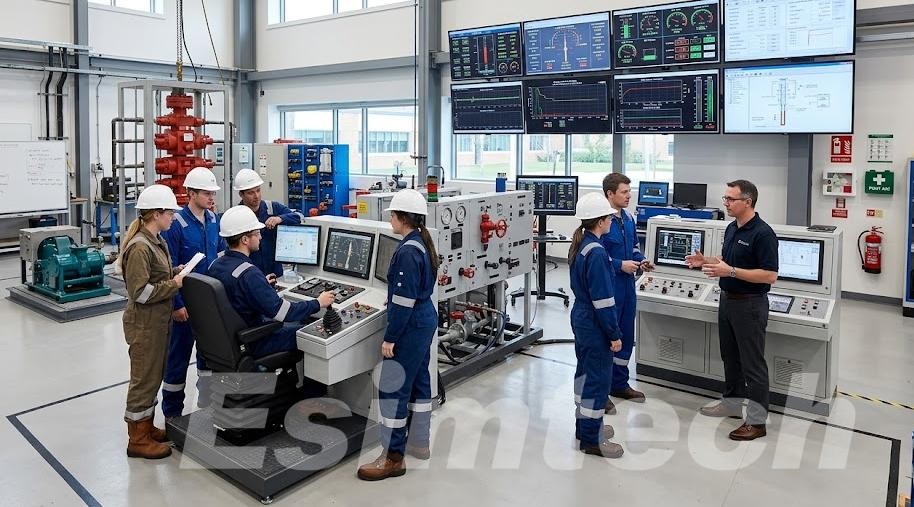
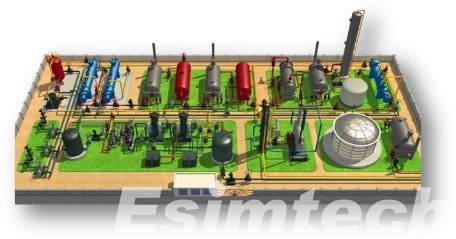
The following chart shows how oil and gas gathering simulation technologies are used for optimizing the performance of oil and gas gathering systems.
| Simulation Technology | What It Simulates | Purpose in Gathering Systems | Common Applications |
| Hydraulic Flow Simulation | Fluid flow behavior in pipelines under varying pressure and temperature conditions | Optimize pipeline sizing, flow rates, and pressure balance | Flowline and trunkline design, production optimization |
| Multiphase Flow Simulation | Simultaneous flow of oil, gas, and water mixtures | Predict flow patterns such as slugging, phase separation, and instability | Complex well networks, offshore gathering systems |
| Transient Flow Simulation | Time-dependent changes in pressure and flow (startup, shutdown, surges) | Analyze dynamic operating conditions and system response | Emergency shutdown scenarios, pipeline ramp-up/down |
| Reservoir-to-Surface Coupling Simulation | Interaction between reservoir output and surface gathering system | Optimize overall production from reservoir to processing facility | Field development planning, production optimization |
| Thermal Simulation | Heat transfer and temperature distribution in pipelines | Prevent hydrate formation, wax deposition, and viscosity issues | Arctic pipelines, deepwater subsea systems |
| Pressure Drop Simulation | Frictional and elevation-induced pressure losses in pipelines | Optimize pump and compressor placement | Long-distance gathering pipelines |
| Network Simulation | Behavior of interconnected wells, manifolds, and pipelines | Optimize allocation and distribution of production flow | Large oilfield gathering networks |
| Compressor and Pump Simulation | Performance of mechanical equipment under varying loads | Optimize efficiency and operating conditions | Gas compression stations, oil transfer systems |
| Digital Twin Simulation | Real-time virtual model of the entire gathering system | Continuous monitoring, prediction, and optimization | Smart oilfields, automated production systems |
| Flow Assurance Simulation | Risks such as hydrate formation, wax deposition, and scaling | Prevent flow interruptions and ensure continuous production | Offshore and deepwater gathering systems |
Challenges and Potential Solutions in Oil and Gas Gathering Systems
| Challenge | Description | Impact on Operations | Potential Solutions |
| Corrosion and Material Degradation | Equipment stress, reduced efficiency, and operational disruptions | Leaks, failures, reduced asset lifespan, safety hazards | Use corrosion-resistant alloys, internal coatings, cathodic protection, and corrosion inhibitors with continuous monitoring |
| Flow Assurance Problems | Issues such as hydrate formation, wax deposition, scale buildup, and slug flow in pipelines | Blockages, unstable flow, production downtime | Thermal insulation, chemical injection (methanol/MEG), pipeline heating, and advanced flow modeling |
| Pressure and Flow Instability | Fluctuations in pressure and flow rates across the gathering network | Increased maintenance cost and a higher risk of failure | Use of compressors, pumps, pressure regulation valves, and real-time control systems |
| Aging Infrastructure | Deterioration of pipelines, valves, and mechanical systems over time | Difficult maintenance, higher operational costs, and equipment reliability issues | Pipeline rehabilitation, integrity assessment programs, and phased replacement strategies |
| High Energy Consumption | Significant power demand from pumping and gas compression systems | Increased operating costs and carbon emissions | Energy-efficient compressors, variable speed drives, and system optimization through simulation |
| Environmental Risks and Emissions | Potential leaks, spills, and methane emissions | Environmental damage, regulatory penalties, reputational risk | Advanced leak detection systems, continuous emissions monitoring, and improved sealing technologies |
| Harsh and Remote Operating Conditions | Extreme environments such as offshore, desert, or Arctic regions | Data breaches, operational disruption, and control system interference | Remote monitoring systems, automation, rugged equipment design, and unmanned facilities |
| Safety Hazards | Risks of fire, explosion, and exposure to toxic gases under high-pressure operations | Personnel injury, shutdowns, and asset damage | Emergency shutdown systems, safety relief valves, gas detection systems, and training programs |
| Production Variability | Changing flow rates due to reservoir depletion or well interference | System inefficiency and instability | Flexible network design, multiphase flow simulation, and adaptive control systems |
| Digitalization and Cybersecurity Risks | Increased exposure due to automation and connected control systems | Data breaches, operational disruption, control system interference | Cybersecurity frameworks, encrypted communication, network segmentation, and intrusion detection systems |
Final Thoughts
Oil and gas gathering systems are essential for the safe yet efficient hauling of hydrocarbons from production wells to processing facilities. You will find these systems tied together with a mixed arrangement of pipelines and pumps, compressors, separators, tank like storage facilities, and digital monitoring tools that watch everything closely
With the oil and gas industry dealing with more daily operational strains, environmental pressures, and economic limits, gathering systems keep getting reshaped. They move forward through automation, use of advanced materials, intelligent monitoring practices, and also better flow assurance strategies. Getting the gathering system design right and managing it well is crucial for pushing production output higher, protecting safety standards, and enabling sustainable energy work in modern oil and gas fields.